

Executive Overview
The video game industry frequently finds itself caught in a stark, often uncomfortable duality: the high-stakes, multi-million-dollar corporate celebration of creative milestones set against the sobering backdrop of labor disputes, organizational restructuring, and industry layoffs. This exact dichotomy played out vividly outside and inside Bethesda Softworks’ Maryland headquarters.
On the exterior grounds, a stark symbol of modern labor friction materialized. Union members, representing affected and laid-off workers, staged a vocal protest timed strategically to coincide with a high-profile visit from Microsoft executives. The demonstration featured a field of red warning flags and a towering, scab-covered inflatable rat—a potent visual critique of corporate downsizing and worker displacement.
Yet, mere feet away inside the corporate offices, a parallel reality unfolded. Xbox CEO Asha Sharma was reportedly treated to an exclusive, behind-closed-doors playthrough of The Elder Scrolls 6, Bethesda’s deeply anticipated yet perpetually mysterious fantasy epic. Describing the project’s scope as one of "incredible" scale and grandeur, Sharma’s visit inadvertently thrust the game back into the global gaming spotlight.
However, it wasn’t just the glowing executive review that set the community ablaze. Sharma’s cryptic references to the game’s subtitle—deliberately redacted or masked with an eight-letter string of asterisks—ignited a massive investigative frenzy among fans. Combined with a newly unearthed, highly specific alphanumeric Easter egg hidden within Bethesda’s sci-fi RPG Starfield, the gaming community has locked its crosshairs onto a leading title contender for the upcoming sequel: Sentinel.
This report examines the intersecting narratives of corporate optimism, labor tension, and the relentless detective work of a fan base desperate for any scrap of information regarding The Elder Scrolls 6.
Detailed Chronology: Protests, Playthroughs, and Puzzle Solvers
To understand the current cultural temperature surrounding Bethesda and its parent company, Microsoft, it is necessary to trace the sequence of events that brought labor unrest and blockbuster game development into such sharp, simultaneous relief.
The Maryland Demonstration
The backdrop for recent developments at Bethesda Softworks has been heavily shaped by ongoing anxieties regarding job security within the games sector. Following widespread industry contractions and corporate restructuring initiatives under Microsoft’s broader gaming umbrella, unionized workers and labor advocates have grown increasingly vocal.
When high-level Microsoft leadership scheduled a visit to the Maryland Bethesda headquarters, local union members utilized the opportunity to make their grievances visible. Deploying a sea of red flags—universally recognized symbols of caution and hazard—alongside a massive inflatable rat, the protest sought to draw direct attention to the human cost of corporate efficiency drives and recent layoffs. The juxtaposition was striking: corporate leadership arriving to evaluate multi-billion-dollar entertainment assets while former developers and labor advocates stood outside demanding accountability and job preservation.
The Executive Preview and the Eight-Letter Riddle
While the demonstration persisted outside, the internal itinerary proceeded unabated. Asha Sharma, stepping into the inner sanctum of Bethesda’s development floor, was given a privileged look at The Elder Scrolls 6.
Public commentary following the visit leaned heavily into the sheer scale of the title currently in development. Yet, the real catalyst for internet speculation came when Sharma addressed the game’s subtitle. By explicitly noting that the subtitle spans precisely eight letters—represented via a string of eight asterisks—she unwittingly handed the global gaming community a formidable cryptographic puzzle.
Almost immediately, gaming forums, Reddit threads, and content creator channels mobilized. Fans began filtering historical Tamriel lore, geographical layouts, thematic codenames, and developer patterns to crack the eight-letter code.
The Starfield Connection and the Discovery of "Sentinel"
As the internet churned through potential candidates—ranging from regional provinces to ancient historical figures—attention quickly pivoted toward a peculiar piece of retrospective data mining originating from Starfield, Bethesda’s 2023 space-faring epic.
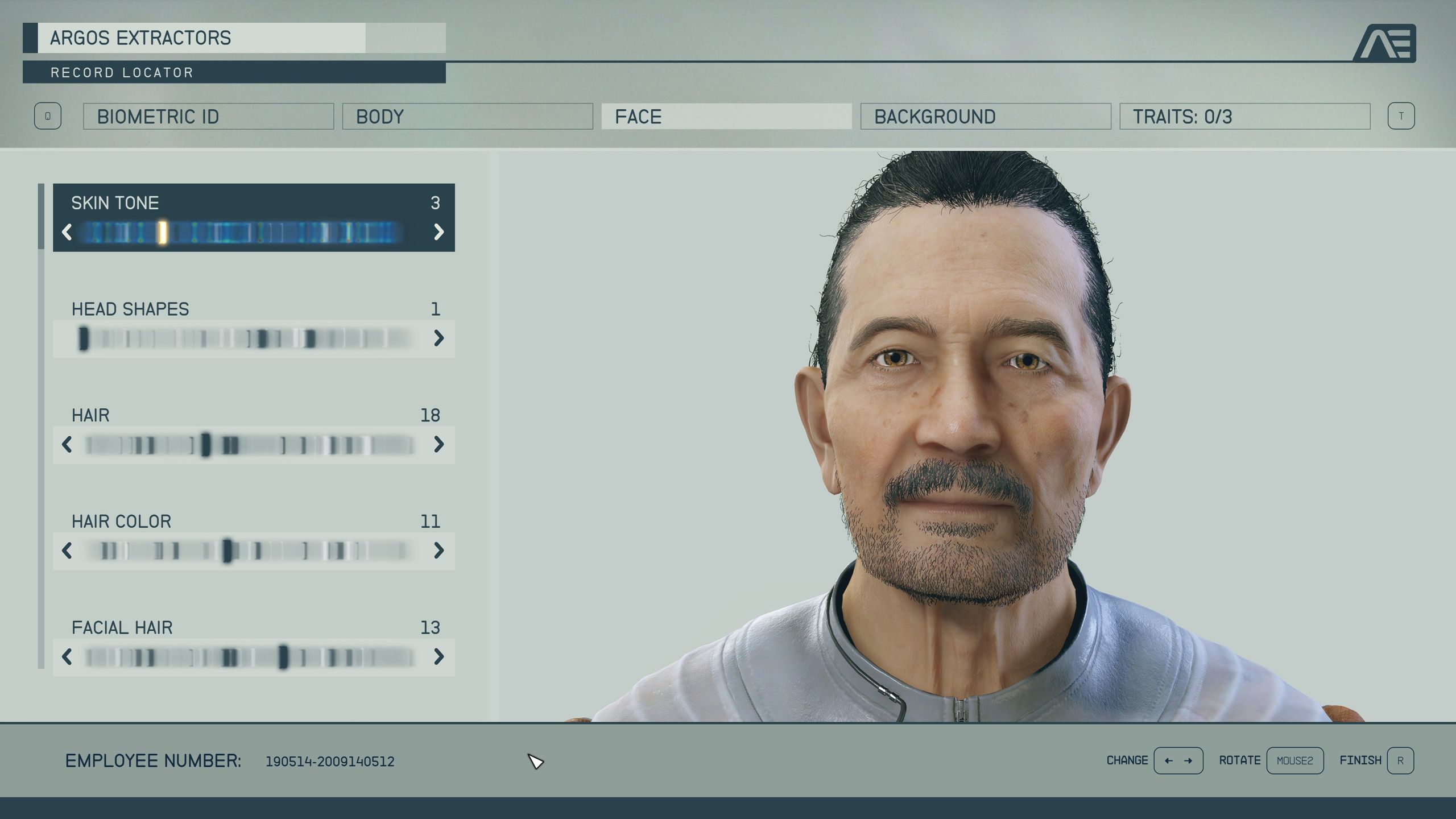
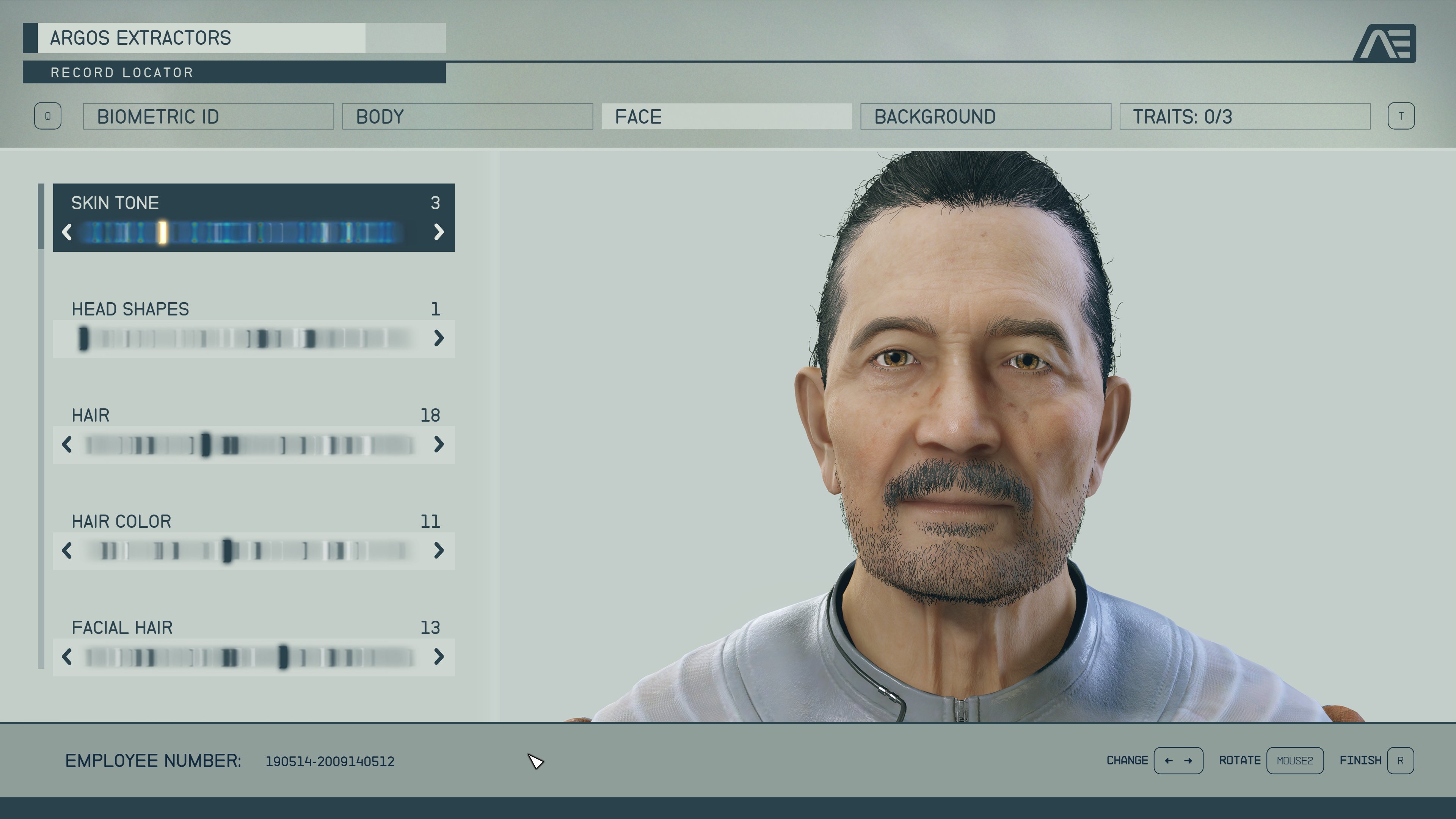
A user on Reddit brought forward a startling discovery that had seemingly gone unnoticed throughout Starfield’s launch window. During the game’s initial character creation sequence, a specific employee serial number flashes at the base of the user interface: 190514-2009140512.
To the casual observer, this appeared to be standard sci-fi interface flavor text designed to immerse the player in the bureaucracy of the space mining corporation Argos Extractors. However, digital detectives applied a standard alphanumeric cipher (A=1, B=2, etc.) to the numeric sequence:
- 19 = S
- 05 = E
- 14 = N
- 20 = T
- 09 = I
- 14 = N
- 05 = E
- 12 = L
The sequence spells out Sentinel.
This revelation immediately catapulted Sentinel to the front-runner position in fan polls, capturing a dominant share of community sentiment.
Supporting Context & Metrics: Why "Sentinel" Fits the Lore
The hypothesis that The Elder Scrolls 6 will be titled Sentinel is far from a baseless internet conspiracy; it is supported by a convergence of geographical lore, internal development nomenclature, and historical series precedents.
Geographical Significance in Tamriel
In the established canon of the Elder Scrolls universe, Sentinel is not a minor settlement. It is a major, culturally rich coastal city-state and kingdom located in the northwestern region of Hammerfell, overlooking the Iliac Bay.
Historically, Sentinel played a pivotal role during the events of The Elder Scrolls II: Daggerfall (1996). Naming a mainline installment after a specific city would mirror the naming convention of Daggerfall, offering a nostalgic nod to veteran players who have tracked the franchise for decades. Furthermore, setting the game in or around Hammerfell aligns with the desert topography, distinct political factions (such as the Redguards and the Crowns/Forbears), and maritime trade routes heavily associated with Sentinel.
The "Guardian" Codename
Industry insiders and eagle-eyed fans have long tracked the internal development codename for The Elder Scrolls 6 as Guardian. In semantic terms, a guardian and a sentinel share nearly identical definitions: watchers, protectors, and standing sentries. Transitioning the internal project moniker Guardian to the public-facing title Sentinel represents a natural, cohesive naming strategy utilized frequently by major software houses to maintain thematic consistency while masking project progression from premature public leaks.
Community Polling and Engagement Metrics
Following Sharma’s eight-letter tease, analytical tracking of community engagement across platforms like Reddit, X (formerly Twitter), and dedicated gaming sub-reddits demonstrated an unprecedented spike in interest regarding series lore.
- Polling Data: In subsequent community polls hosted by major gaming outlets like PC Gamer, Sentinel secured an impressive 14% of the initial vote share, outperforming abstract concepts, geographical regions like Hammerfell (which is nine letters, disqualifying it from the asterisk count), and alternative lore-based guesses.
- Engagement Velocity: Discussions concerning the Starfield character creation Easter egg generated tens of thousands of upvotes and cross-platform shares within 48 hours of discovery, proving that the appetite for The Elder Scrolls information remains insatiable even years after the game’s initial teaser trailer in 2018.
Official Statements and Corporate Posture
The leadership at Bethesda Softworks and Microsoft has maintained a notoriously tight-lipped posture regarding The Elder Scrolls 6 since its brief announcement teaser nearly a decade ago. Todd Howard and other key studio directors have consistently emphasized that the title was announced exceedingly early in its development lifecycle, primarily to signal to prospective talent that the studio remained committed to its single-player RPG roots alongside the development of Starfield.
Asha Sharma’s recent remarks represent a rare, albeit calculated, departure from this absolute silence. By offering a qualitative assessment of the game’s current build—highlighting its scale and architectural grandeur—Microsoft is strategically managing investor and consumer expectations. As Xbox continues to navigate a shifting landscape where exclusive software pipelines dictate hardware adoption and service subscriptions (such as Xbox Game Pass), reassuring stakeholders that Bethesda’s crown jewel is progressing satisfactorily is critical.
Conversely, neither Bethesda Softworks nor Microsoft has issued formal statements addressing the union protests outside their Maryland offices. The labor demonstration—representing a growing movement of game developers unionizing across North America to combat crunch, sudden layoffs, and corporate opacity—highlights a widening chasm between executive-level enthusiasm for upcoming digital products and the day-to-day stability of the workforce tasked with building them.
Future Outlook: What Lies Ahead for Tamriel
As the dust settles from Asha Sharma’s executive walkthrough and the internet digests the Starfield cryptographic Easter egg, the broader trajectory for The Elder Scrolls 6 remains defined by cautious anticipation.
Development Timeline Realities
Despite corporate reassurances that playable builds are actively being demonstrated to high-level executives, industry analysts caution that a commercial release remains a distant prospect. With Starfield having received post-launch expansions and Bethesda’s core development teams fully mobilized toward the finalization of Tamriel’s next chapter, full production pacing suggests fans should not expect a substantive gameplay reveal or release date window in the immediate near term. Most projections point toward the late 2020s, heavily aligning with the twilight years of current-generation hardware or potentially serving as a marquee launch title for subsequent hardware iterations.
The Shadow of Labor and Corporate Culture
Moving forward, the dual narrative of Bethesda Softworks—celebrated auteur-driven game development on one side, and turbulent labor relations on the other—will likely serve as a blueprint for the modern games industry. As fans dissect every pixel of past trailers for hints of the Iliac Bay and decode alphanumeric strings in character creators, the sustainable well-being of the developers engineering these virtual worlds will remain an urgent, persistent conversation running parallel to the hype cycle.
Whether Sentinel ultimately proves to be the definitive subtitle of The Elder Scrolls 6, the community’s relentless drive to solve these puzzles underscores the enduring cultural dominance of Bethesda’s fantasy universe. For now, players must return to the waiting game, armed with theories, asterisks, and an insatiable desire to step back into Tamriel.




Belum ada komentar. Jadilah yang pertama berkomentar!