

Date: August 19, 2026
Location: Niseko, Hokkaido, Japan
Executive Overview
Niseko is internationally renowned as a premier winter playground, celebrated for its legendary powder snow and world-class alpine resorts. However, as the seasonal snow recedes to reveal a vibrant tapestry of alpine flora, deep emerald forests, and pristine volcanic lakes, the region transforms into one of Japan’s most captivating warm-weather eco-tourism destinations. For travelers seeking an immersive encounter with the wilderness without the strenuous demands of high-altitude mountaineering, Niseko offers an extensive, meticulously maintained network of walking paths and footpaths.
This comprehensive guide examines three of the region’s most visually stunning and accessible hiking destinations: Shinsennuma, Hangetsuko, and Kagaminuma. Designed with safety, ease of access, and breathtaking scenery in mind, these trails offer an ideal outdoor excursion for families, novice hikers, and nature enthusiasts across the spring, summer, and autumn seasons. Backed by professional infrastructure, optional expert guiding services, and strict regional wildlife protocols, Niseko’s trail systems provide an authoritative model for sustainable, low-impact alpine recreation.
Detailed Chronology and Route Profiles: The Three Jewels of Niseko
Nestled within the dramatic shadow of majestic Mount Yotei—often referred to as "Ezo Fuji" due to its striking symmetry—and the rugged peaks of the Niseko Annupuri range, each of the three featured hiking routes offers a distinct ecological profile and visual experience.
1. Shinsennuma (Shinsen Marsh): The Mystical High-Altitude Wetland
- Ease of Access & Terrain: Extremely high (Barrier-free wooden boardwalks; sneakers are entirely sufficient).
- Estimated Duration: 40 minutes to 1 hour (round trip).
- Key Infrastructure: Fully equipped parking facility, modern rest house, and clean public restrooms.
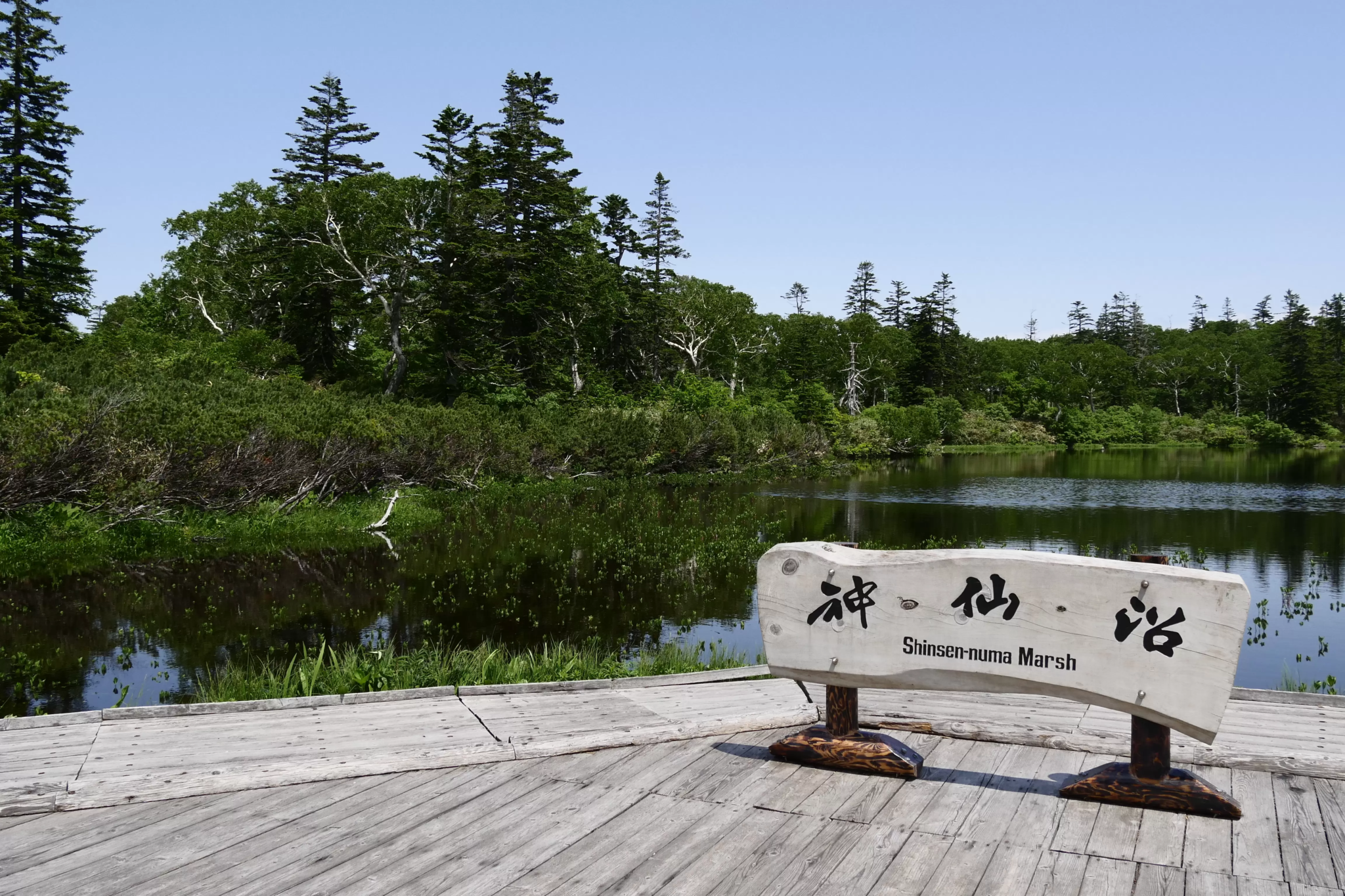
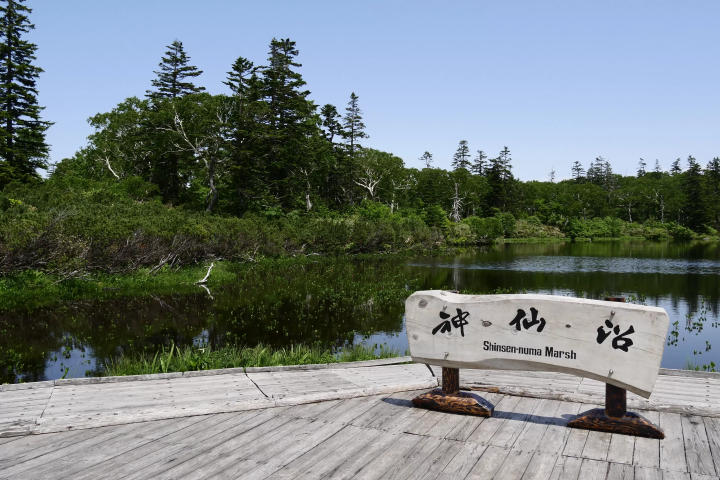
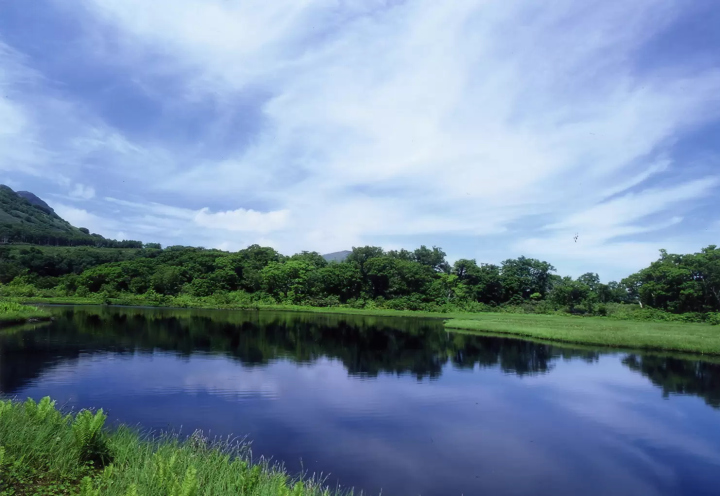
Widely regarded as the crown jewel of the Niseko highland landscape, Shinsennuma commands an overwhelmingly popular status among both domestic and international visitors. Etymologically, the marsh earned its poetic name—translating roughly to "Marsh of the Gods and Immortals"—from early explorers who were so profoundly struck by its ethereal beauty that they believed it to be a sanctuary for divine beings.
The Trail Experience:
The journey begins at an accessible parking hub, immediately transitioning into a flat, expertly engineered barrier-free wooden boardwalk. This thoughtful design ensures that individuals of all mobility levels, ranging from young children to elderly travelers, can navigate the terrain with absolute confidence. As hikers progress past dense walls of emerald-green bamboo grass, the landscape abruptly opens to reveal a high-altitude wetland ecosystem. On calm, windless days, the water acts as an immaculate mirror, capturing the vast blue sky, surrounding forest canopy, and, during autumn, a brilliant explosion of crimson and amber foliage.
2. Hangetsuko Lake: Volcanic Majesty and Old-Growth Forests
- Ease of Access & Terrain: Moderate (Sneakers or light trekking shoes required due to natural soil inclines, declines, and wooden steps).
- Estimated Duration: 40 minutes to 1 hour (complete loop).
- Key Infrastructure: Dedicated trail parking and clearly marked directional signage.
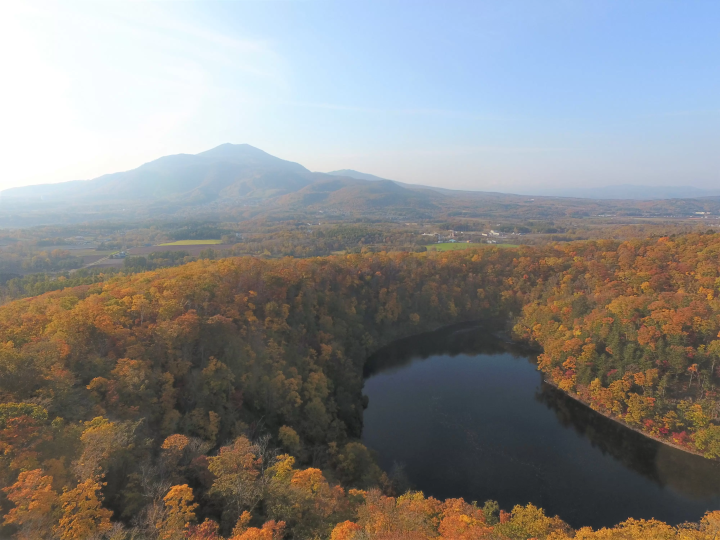
Located at the northwestern foot of Mount Yotei, Hangetsuko is a striking crescent-shaped volcanic crater lake formed by ancient geological activity.
The Trail Experience:
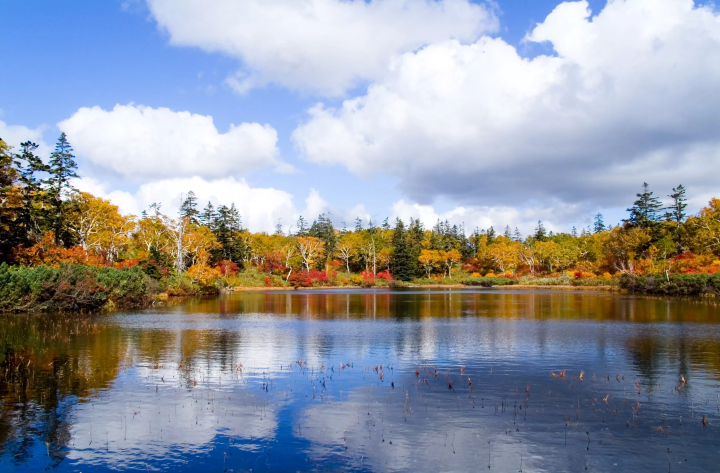
Unlike the flat boardwalks of Shinsennuma, the trail at Hangetsuko offers an immersive, adventurous entry into a primeval forest. From the trailhead, hikers descend along earthen paths flanked by towering old-growth trees. The auditory landscape is dominated by the crisp calls of endemic wild birds and the rustling of the forest canopy, creating a tangible sense of remote exploration. Upon reaching the shoreline, visitors are rewarded with a tranquil expanse of deep emerald water. The spring season brings a luminous, vibrant green reflection to the surface, while autumn sets the lakeshore ablaze with fiery reds and golds. Because the loop involves natural elevation changes, non-slip footwear is strongly advised.
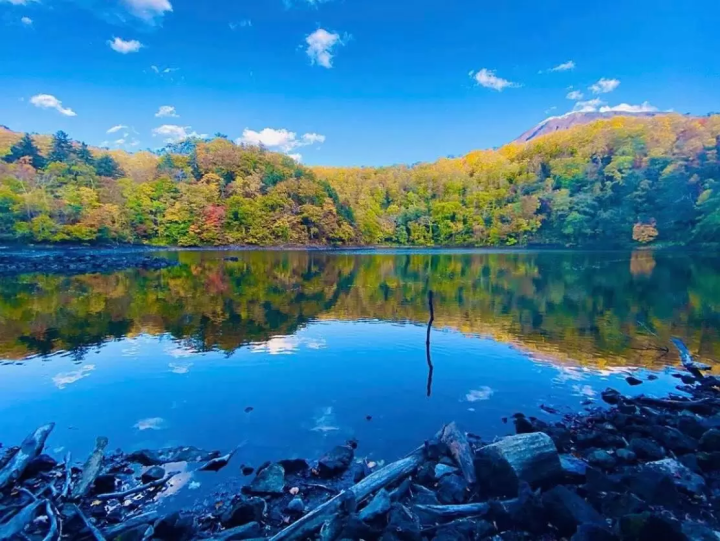
3. Kagaminuma (Mirror Pond): The Hidden Alpine Sanctuary
- Ease of Access & Terrain: Moderate (Accessible via standard trail paths or elevated gondola transit; mud precautions recommended after rainfall).
- Estimated Duration: 40 minutes to 1 hour round trip (significantly streamlined via summer gondola access).
- Key Infrastructure: HANAZONO Resort summer gondola service and digital trail mapping integration.
Tucked quietly away on the northeastern slopes of Mount Annupuri, Kagaminuma serves as an exclusive sanctuary for travelers seeking solitude away from major tourist hubs.
The Trail Experience:
Accessing Kagaminuma is an adventure in itself, elevated by the integration of the HANAZONO Resort summer gondola. Visitors can embark on a spectacular aerial stroll, gliding effortlessly above the dense forest canopy before stepping out into the cool mountain air. From the upper gondola station, a gentle forest trail leads directly to the pond. True to its name, Kagaminuma acts as a flawless natural mirror when the mountain air settles, casting reflections of the towering Annupuri range across its placid waters. The profound silence of this location offers a masterclass in restorative nature therapy.
Supporting Context and Metrics: Infrastructure and Safety Data
The rapid expansion of Niseko’s green-season tourism sector is supported by robust quantitative and qualitative infrastructure metrics designed to balance public accessibility with environmental preservation.
- Visitor Demographics: Regional tourism data indicates a balanced mix of domestic families and international travelers utilizing these trails, heavily driven by the availability of English-language signage and guided eco-tours.
- Environmental Preservation: Over 75% of high-traffic wetland areas, such as Shinsennuma, utilize elevated boardwalk construction to protect delicate sphagnum moss and endemic alpine flora from soil compaction and erosion.
- Accessibility Index: Niseko’s municipal and resort stakeholders report that over 60% of regional walking paths are rated as suitable for casual footwear (sneakers), lowering the barrier to entry for non-technical hikers.
- Tour Integration: Local adventure operators report a 30% year-on-year increase in guided nature walk bookings, highlighting a growing consumer preference for educational, professionally managed outdoor experiences.
Official Statements and Expert Perspectives
Local municipal authorities, resort developers, and ecological guides emphasize that Niseko’s transition from a winter-centric ski hub to a year-round mountain destination has been executed with careful adherence to safety and environmental stewardship.
"The philosophy behind Niseko’s green-season development is rooted in inclusivity and respect for the natural world," notes a representative from the Kyowa Town regional administration. "Whether it is the universal design of the Shinsennuma boardwalks or the seamless integration of the HANAZONO summer gondolas, our objective is to allow every visitor—regardless of age or physical conditioning—to experience the genuine spiritual and aesthetic power of Hokkaido’s wilderness without compromising the ecosystem."
Professional mountain guides echo the importance of education when navigating volcanic and alpine terrains.

"Walking through Niseko on your own is deeply rewarding, but engaging with local topography alongside a trained professional unlocks a deeper layer of understanding," explains a senior guide with the Niseko Adventure Center (NAC). "From identifying protected alpine wildflowers to interpreting wildlife tracks, our goal is to foster a profound connection between the traveler and the landscape while maintaining absolute safety protocols."
Future Outlook: Sustainable Tourism and Wildlife Management
As Niseko’s summer and autumn visitor numbers continue to scale upward, regional stakeholders are proactively addressing the delicate intersection of tourism promotion and wildlife conservation. Most notably, the management of the local brown bear (Ursus arctos yesoensis) population remains a top priority for regional safety councils.
Comprehensive Wildlife Etiquette & Safety Protocols
To ensure harmonious coexistence with local wildlife, the Niseko Tourism Association mandates strict adherence to established wilderness etiquette:
- Acoustic Deterrence: Hikers are strongly encouraged to carry bear bells, clap at regular intervals, or maintain conversational volume to prevent startling wildlife.
- Strict Leave-No-Trace Policies: All food waste, packaging, and organic refuse must be packed out immediately. Discarded food odors are the primary attractant for regional brown bears.
- Pre-Trip Intelligence Gathering: Visitors must consult trailhead informational kiosks and digital municipal boards for real-time bear sighting logs. Trails are subject to immediate, temporary closure if active wildlife encounters are reported.
- Temporal Restrictions: Solo hiking during peak wildlife activity windows—specifically the hours of dawn and dusk—is strictly discouraged, with authorities advising that all excursions be restricted to broad daylight.
Looking Ahead
Looking toward future seasons, Niseko’s municipal planners and eco-tourism operators are committed to expanding digital trail monitoring systems, enhancing multilingual safety resources, and investing in sustainable trail maintenance. By coupling modern accessibility with rigorous ecological preservation, Niseko ensures that its majestic lakes, ancient forests, and alpine vistas will remain pristine, safe, and deeply inspiring for generations of explorers to come.








Belum ada komentar. Jadilah yang pertama berkomentar!