


Executive Overview
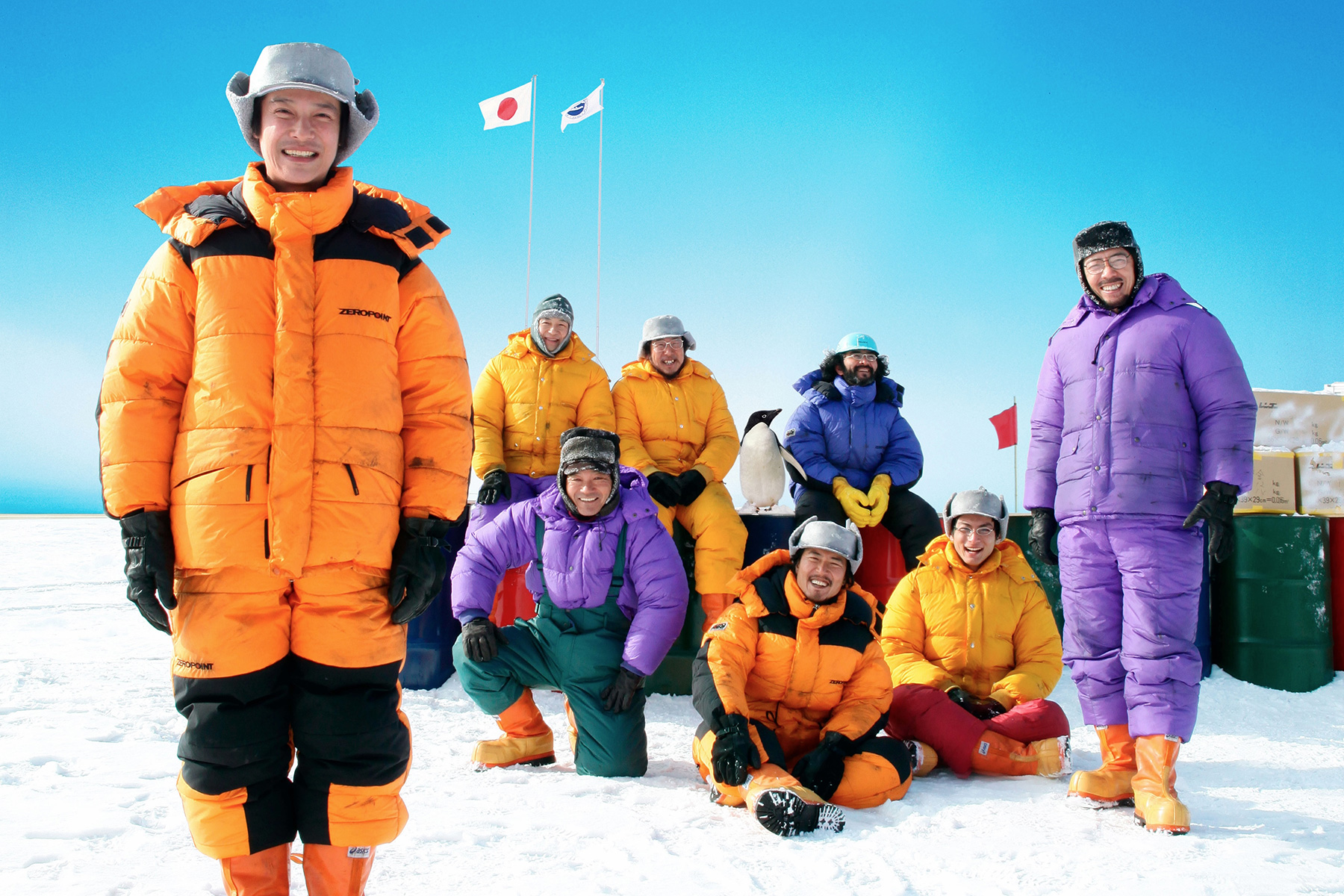
In the canon of contemporary Japanese cinema, few films occupy as peculiar, comforting, and enduring a niche as Shuichi Okita’s 2009 comedy-drama masterpiece, The Chef of South Polar (known in Japanese as Nankyoku Ryōri-nin). Adapted from the witty and poignant essay collections of a real-life Antarctic expedition chef, Jun Nishimura, the film chronicles the daily monotony, interpersonal friction, and psychological trials of an eight-man research team stationed at the remote Dome Fuji Station, located 1,000 kilometers inland from the coastline at an altitude of 3,810 meters above sea level.
Fifteen years after its original theatrical release, The Chef of South Polar is experiencing a major cultural renaissance. Sparked by a pristine, newly minted 4K digital restoration—masterminded by Tokyo Theatres and spearheaded by celebrated independent distribution teams—the film is returning to the big screen across Japan, slated for a limited theatrical run beginning November 13. This meticulous remastering breathes vibrant new life into the striking, snow-swept vistas of the Antarctic landscape and the meticulously crafted, soul-warming meals that serve as the narrative’s emotional anchor.
Accompanied by a freshly cut promotional trailer, newly designed theatrical poster art, and a coordinated social media rollout across X (formerly Twitter) and Instagram that launched on October 1, the revival has captured the imagination of both longtime fans and a younger demographic discovering the film for the first time. Far from being a mere nostalgic trip down memory lane, this 4K re-release arrives at a cultural moment hungry for slow-paced, character-driven storytelling that explores themes of isolation, shared humanity, and the profound psychological weight of home cooking when separated by thousands of miles of frozen wilderness.
Detailed Chronology: From Real-Life Expeditions to the Silver Screen
To understand the enduring appeal of The Chef of South Polar, one must trace its origins backward from the silver screen to the frozen expanses of Antarctica, and subsequently through its initial 2009 cinematic rollout to its current 2024–2026 digital resurgence.
The Real-Life Inspiration: Jun Nishimura’s Antarctic Chronicles
The narrative skeleton of The Chef of South Polar is grounded in the actual experiences of chef Jun Nishimura, who served as a culinary specialist for the 30th Japanese Antarctic Research Expedition (JARE-30) during the late 1980s. Deployed to the grueling inland environment of Dome Fuji Station, Nishimura faced the daunting task of keeping the morale of eight overworked, cabin-fever-prone scientists afloat through the universal language of food.
In real life, the conditions at Dome Fuji are among the most inhospitable on Earth. Temperatures regularly plummet below -70 degrees Celsius, air pressure is severely reduced due to the high altitude, and the atmosphere outside is so dry and oxygen-poor that even basic physical exertion feels like a marathon. Under these punishing conditions, the kitchen transforms from a utilitarian workspace into the psychological epicenter of the base. Nishimura’s published essays documented not just recipes, but the emotional architecture of the group: how a well-timed bowl of ramen, a meticulously prepared breakfast of fried shrimp, or a surprise birthday cake could stave off the creeping dread of absolute isolation.

The 2009 Theatrical Release and Cult Stardom
When director Shuichi Okita adapted Nishimura’s writings into a feature film in 2009, he leaned heavily into deadpan comedy and observational melancholy rather than high-octane drama. Starring Masato Sakai as Nishimura—alongside a stellar ensemble cast portraying the various meteorologists, vehicle mechanics, communications officers, and medical personnel—the film premiered to warm critical reception and steadily built a passionate cult following.
Unlike traditional survival dramas that focus on external threats, The Chef of South Polar treats the psychological erosion of cabin fever with gentle, humanist humor. The crew does not battle predatory wildlife or freezing blizzards; instead, they battle the existential weight of missing their families, running out of favorite snacks, and the slow, maddening realization that they are stuck together in a tin can at the bottom of the world. The film’s pacing reflects the vast, empty horizons of the Antarctic plateau—slow, deliberate, and deeply contemplative.
The 2024–2026 4K Restoration Initiative
Fast-forward nearly two decades, and the film landscape has transformed dramatically. Recognizing the timeless appeal of Okita’s work and the technical limitations of standard-definition prints circulating on streaming platforms, Tokyo Theatres initiated a comprehensive 4K restoration project.
The restoration process, which culminated in the official announcement on October 1, involved scanning original camera negatives at ultra-high resolutions, color-grading the snowy expanses to capture the blinding purity of the Antarctic ice, and remixing the audio to highlight the subtle sonic textures of the film—from the crunch of boots on compressed snow to the sizzling of tempura in a frying pan. The resulting 4K DCP (Digital Cinema Package) sets a new standard for catalog re-releases in Japan, ensuring that future generations can experience the film with pristine visual and acoustic fidelity.
Supporting Context, Production Metrics, and Cultural Impact
The cultural footprint of The Chef of South Polar extends far beyond its initial box office run. Its resurgence highlights several fascinating shifts in consumer behavior, cinematic preservation, and the psychology of cinematic comfort.
The Psychology of "Comfort Food" Cinema
In an era dominated by high-stakes cinematic universes, psychological thrillers, and relentless sensory stimulation, The Chef of South Polar offers a radical counter-programming alternative. The film’s central conceit—that cooking and sharing meals can maintain the fragile fabric of human sanity in extreme environments—resonates deeply with modern audiences who have lived through global pandemics, remote work isolation, and heightened digital connectedness paired with physical detachment.
The film meticulously catalogues the emotional trajectory of each crew member through their culinary cravings:
- The Meteorologist’s Obsession: A researcher whose homesickness manifests as an insatiable craving for his wife’s home-cooked meals, leading to comedic yet touching scenes of kitchen experimentation.
- The Vehicle Mechanic’s Sweet Tooth: A rugged technician whose tough exterior melts away at the sight of a meticulously decorated birthday cake.
- The Shared Table: The communal dining hall acts as a courtroom, a sanctuary, and a therapist’s office rolled into one. When Nishimura successfully recreates luxury items—such as deep-fried shrimp or fresh ramen—the visceral joy experienced by the crew serves as a metaphor for the restoration of hope.
Distribution Strategy and Digital Rollout
Tokyo Theatres’ strategic deployment of the 4K restoration has been calculated for maximum nostalgic impact and modern discoverability. Beginning October 1, promotional assets flooded digital channels:
- Official Social Media Launch: Dedicated accounts on X and Instagram went live simultaneously on October 1, releasing teaser trailers, side-by-side comparison shots of the original 2009 transfer versus the new 4K restoration, and behind-the-scenes archival notes from the production.
- Theatrical Distribution Partner: The film is being handled through specialized revival circuits, ensuring optimal screen placement in independent art-house cinemas across Tokyo, Osaka, Kyoto, and regional cultural hubs.
- Limited Engagement Window: By positioning the run as a strictly limited engagement beginning November 13, distributors have successfully manufactured event-status urgency, driving ticket pre-sales and social media engagement.
Official Statements and Promotional Insights
In promotional materials released alongside the 4K restoration announcement, members of the original production team and distribution executives reflected on the film’s enduring legacy.
"When we first brought Jun Nishimura’s essays to the screen in 2009, our goal was simply to capture the strange, beautiful, and sometimes absurd reality of men living at the edge of the Earth," noted a representative from Tokyo Theatres during the October press briefing. "Fifteen years later, we realized that the themes of isolation, longing, and the comforting power of a hot meal have only become more universal. This 4K restoration is a love letter to the fans who have kept the film alive in their hearts, and an invitation to a new generation of viewers who need a reminder of what connects us."
The newly released promotional trailer emphasizes the sensory aspects of the restoration. Opening with sweeping, panoramic shots of the white Antarctic desert—rendered in crystal-clear 4K resolution that highlights the subtle blues and purples of glacial ice—the trailer transitions quickly into the intimate, steam-filled interior of the station kitchen. The sound design is pushed to the forefront: the sharp snap of frozen vegetables, the rhythmic chopping of onions, and the bubbling broth of a pot of authentic ramen.
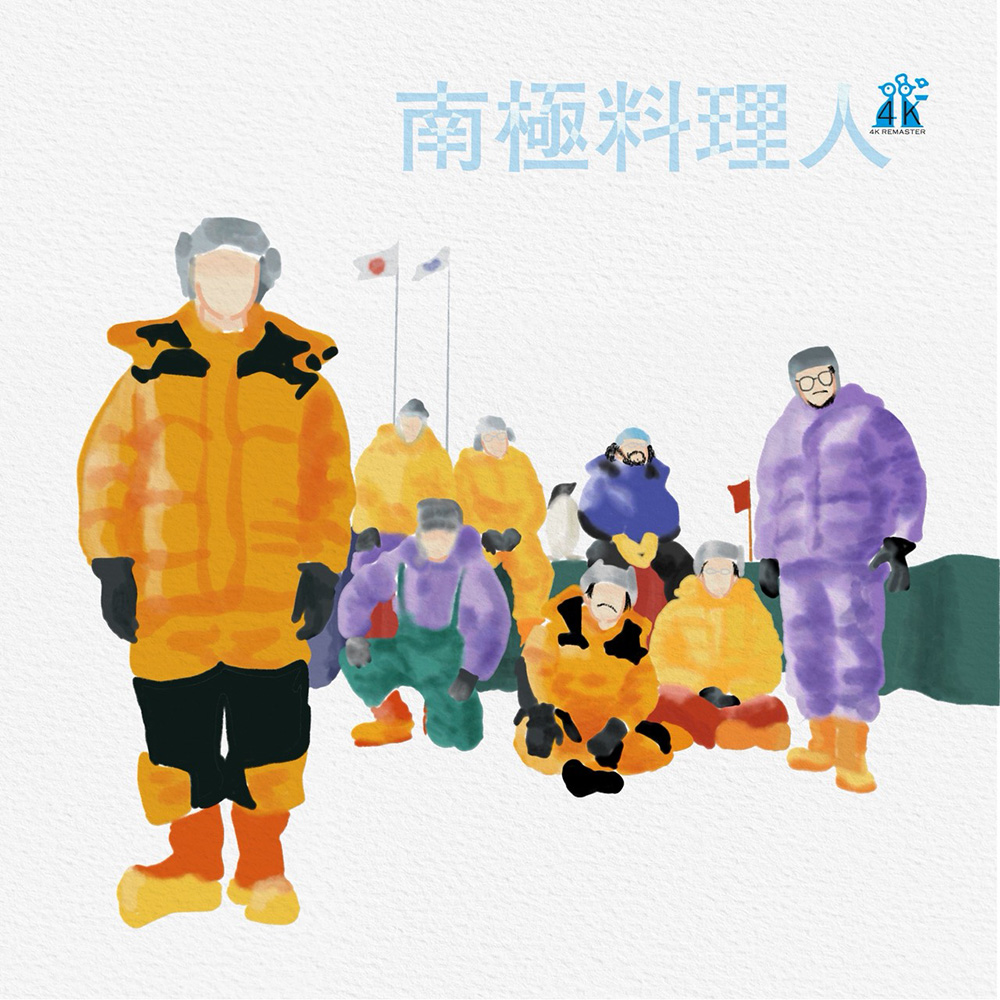
Furthermore, the updated key art poster features a minimalist design: the stark silhouette of the Dome Fuji Station against an infinite horizon of snow, anchored by a vibrant, steaming bowl of noodles. It is a visual shorthand for the film’s core thesis—that warmth and humanity can conquer the most desolate of environments.
Future Outlook: The Legacy of Slow Cinema and Culinary Artistry
As The Chef of South Polar prepares for its November 13 theatrical return, industry analysts are watching closely to see how catalog titles of this vintage perform in the modern theatrical marketplace. The success of recent 4K restorations of classic Japanese and international art-house films suggests a growing appetite for theatrical experiences that prioritize atmosphere, character study, and gentle humor over franchise spectacle.
For director Shuichi Okita, whose career has continued to champion quirky, humanist character studies, the re-release cements The Chef of South Polar as a foundational work of modern Japanese comfort cinema. It proves that a film does not need explosions, villains, or complex plot twists to leave a permanent mark on cultural consciousness; sometimes, all it takes is eight men, a continent of ice, and a properly cooked bowl of ramen.
As audiences sit down in darkened theaters this November to witness the restored vistas of Dome Fuji, they will not just be watching a movie—they will be partaking in a communal feast of memory, resilience, and the enduring warmth of human connection at the edge of the world.







Belum ada komentar. Jadilah yang pertama berkomentar!