

Executive Overview
Japan’s railway network is a global marvel, celebrated for the high-speed efficiency of its Shinkansen bullet trains and the complex subterranean arteries pulsing beneath megacities like Tokyo and Osaka. Yet, far away from the urban hum, nestled within the quiet, majestic valleys of Yamagata Prefecture, lies an entirely different side of Japanese rail culture. Here, time slows down, and the journey itself becomes the destination.
The Flower Nagai Line, operated by Yamagata Railway, is a quintessential example of Japan’s beloved local railways (chihotetsu). Spanning 17 stations over a leisurely 60-minute route from Akayu Station to Arato Station, this single-track line hugs the Mogami River—revered historically as the "Mother of Yamagata." Far more than a mere commuter link, the Flower Nagai Line serves as a moving cultural canvas, a botanical showcase, a historical archive, and home to one of Japan’s most unusual and endearing employees: a fluffy white rabbit named Mochii.
This comprehensive report explores the multifaceted identity of the Flower Nagai Line, detailing its operational evolution, its ingenious community-driven tourism strategies, its rich architectural and natural landmarks, and its unique role in preserving the regional heritage of Tohoku.
Detailed Chronology: From Light Railway to Living Legend
To understand the resilience of the Flower Nagai Line, one must trace its operational history through a century of transformation, rural depopulation, and eventual revitalization.
The Early Decades: The Nagai Light Railway Era
The genesis of the line dates back to the early 20th century, a period when Japan was rapidly expanding its regional rail infrastructure to connect isolated agricultural communities to national trade hubs. Originally incorporated and operated as the Nagai Light Railway, the modest route was engineered to transport local commodities—such as timber, rice, and the region’s famous safflower (benibana)—out of the mountainous interior of Yamagata Prefecture.
For decades, the railway operated as a utilitarian lifeline. Its small steam and early diesel locomotives rattled through snow country, binding together tiny hamlets and market towns. However, as Japan modernized following World War II and the private automobile gained dominance, regional lines across the country began to bleed passengers and revenue.
The 1988 Transition and the Birth of the "Flower Nagai Line"
By the late 1980s, the economic viability of the route reached a critical juncture. Facing mounting deficits under national restructuring, the line was slated for severe contraction or abandonment. In a decisive bid to save the community link, local municipalities, private investors, and regional stakeholders banded together to establish the Yamagata Railway Co., Ltd.
On October 25, 1988, management officially transferred to the newly formed third-sector railway company. To mark this fresh start and signal a bold pivot toward tourism, regional revitalization, and community pride, the route was officially rebranded as the Flower Nagai Line.
The Modern Era: Navigating Challenges and Innovating for Survival
Entering the 21st century, the Flower Nagai Line faced the dual pressures of Japan’s declining birthrate and rural depopulation. Rather than succumbing to stagnation, Yamagata Railway leaned heavily into experiential tourism.
- 2010: The introduction of Mochii, a white rabbit stationed at Miyauchi Station, instantly transformed a local administrative stop into a pilgrimage site for animal lovers worldwide.
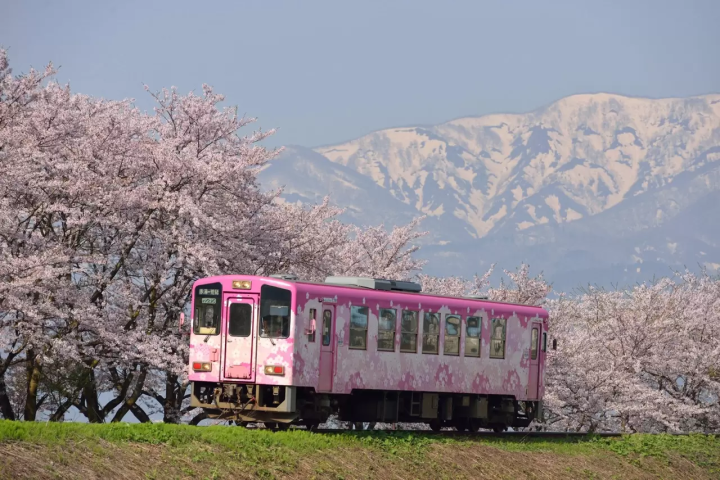
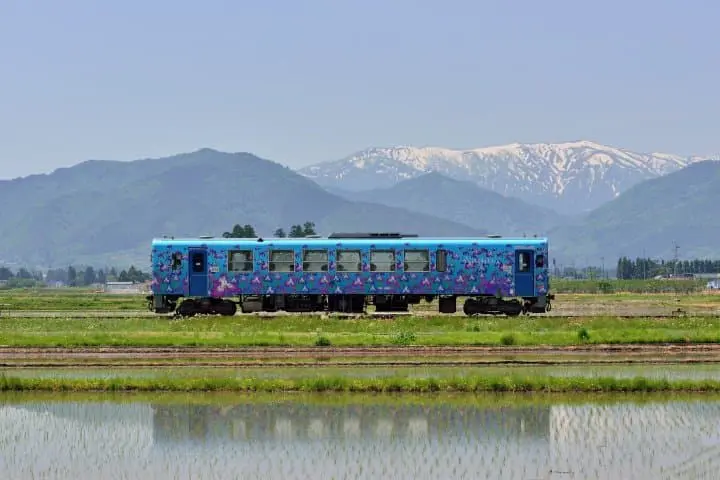
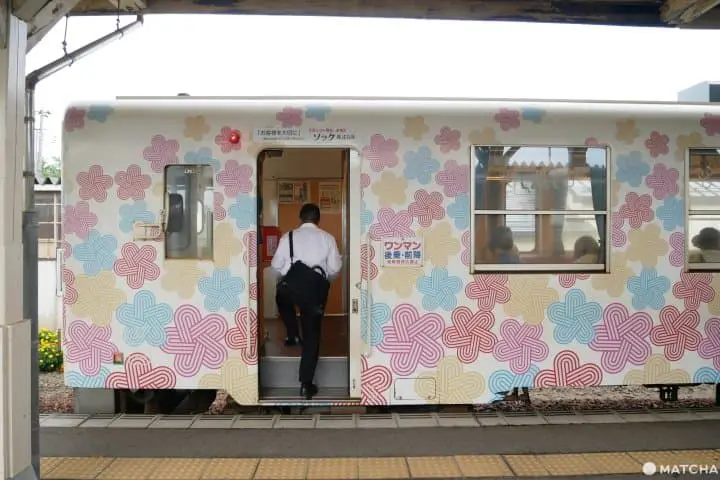
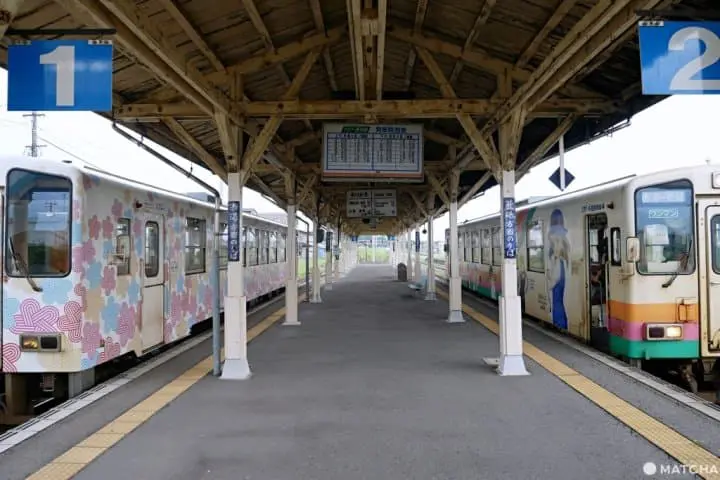
- The Fleet Redesign: Traditional, monotonous train liveries were systematically replaced with vibrant, seasonal botanical themes and the unifying Shikisai (Four Seasons) train design, turning the rolling stock into mobile works of art.
- Event Train Integration: To counter seasonal tourism slumps, the line pioneered unique moving-venue events, ranging from sophisticated local wine-tasting excursions to the chaotic, joyful spectacles of the Local Line Pro Wrestling series.
Today, the line operates not merely as public transit, but as a masterclass in how rural Japanese communities can leverage heritage, whimsy, and hospitality to sustain their local economies.

Supporting Context & Metrics: The Anatomy of the Line
Operating a 17-station regional railway requires a delicate balance between fiscal responsibility, community engagement, and infrastructure preservation. Below is a detailed breakdown of the structural, geographical, and cultural metrics that define the Flower Nagai Line.
Operational and Geographical Profile
- Total Length: Approximately 30.5 kilometers.
- Number of Stations: 17 stations, connecting Nanyo City, Nagai City, and Shirataka Town.
- Terminal Stations: Akayu Station (South) to Arato Station (North).
- Average Journey Time: Roughly 60 minutes end-to-end, encouraging passengers to disembark and explore intermediate stops.
- Primary Waterway: Parallels the Mogami River, a historic commercial artery immortalized in classic Japanese poetry.
Fleet Evolution and Design Philosophy
The rolling stock of the Flower Nagai Line is a deliberate departure from the austere, metallic grays of urban commuter trains.
- Seasonal Four-Season Exteriors: The original post-1988 conceptualization utilized pink, green, orange, and white panels to reflect Yamagata’s shifting landscape.
- Botanical Wraps: Subsequent redesigns immortalized the official municipal flowers of the towns along the track:
- Cherry Blossoms (Sakura): Representing spring renewals.
- Irises (Ayame): Honoring early summer blooms.
- Dahlias: Symbolizing the rich colors of autumn.
- The Shikisai (Color Harmony) Train: A specialized unit designed to visually represent the cooperative administrative alliance between Nanyo, Nagai, and Shirataka.
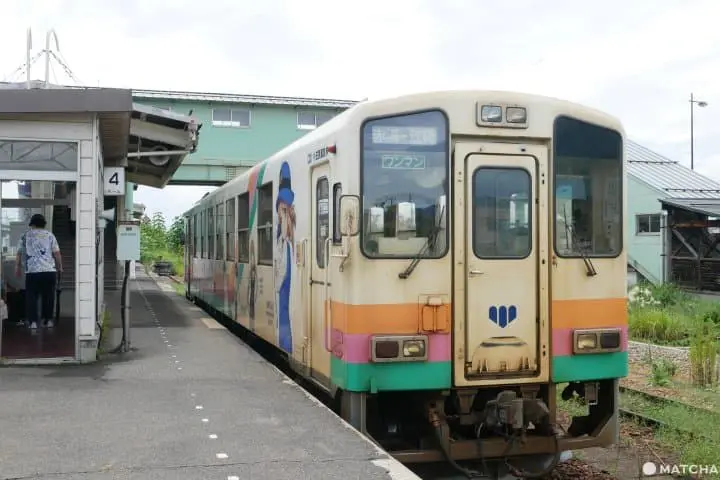
- Character Integration: Interiors and exteriors feature illustrated mascots, most notably Ringo Ayukai (the railway’s anime-style conductor mascot) and likenesses of Stationmaster Mochii, creating an immersive, friendly atmosphere for families and rail enthusiasts.
Official Statements and Local Stakeholder Insights
The survival and cultural resonance of the Flower Nagai Line are anchored in the philosophies of the regional authorities and tourism bureaus that manage its daily operations and long-term vision.
Yamagata Railway Management on Community Integration
According to executive representatives at Yamagata Railway, the transformation of the line’s carriages and stations was never intended to be a purely aesthetic exercise.

"A local railway in rural Japan cannot survive on commuter ticket sales alone," notes a spokesperson for the Yamagata Arcadia Tourism Bureau. "Our trains must act as ambassadors for Yamagata Prefecture. When a passenger steps onto a botanical-themed car or meets Stationmaster Mochii, they are not just riding a train—they are being welcomed into the home of our local community. Every seat tells a story about our agriculture, our history, and our people."
The Philosophy of Slow Travel (Jikkan)
Local tourism boards emphasize the concept of jikkan—experiencing the genuine texture of a place. By maintaining vintage infrastructure, such as the 1922 wooden structure at Uzen-Narita Station and Japan’s oldest iron railway bridge at Arato, the railway acts as an open-air museum.

"In an era dominated by high-speed transit that bypasses regional charm, the Flower Nagai Line offers a deliberate counter-narrative," municipal tourism planners state. "We invite travelers to slow down, listen to the clatter of the tracks, smell the safflower on the platforms, and reconnect with the rhythms of rural Japan."
Key Destinations and Sightseeing Highlights
A journey along the Flower Nagai Line is punctuated by a sequence of distinct cultural, historical, and natural waypoints.
1. Akayu Station & Akayu Onsen: 900 Years of Thermal Healing
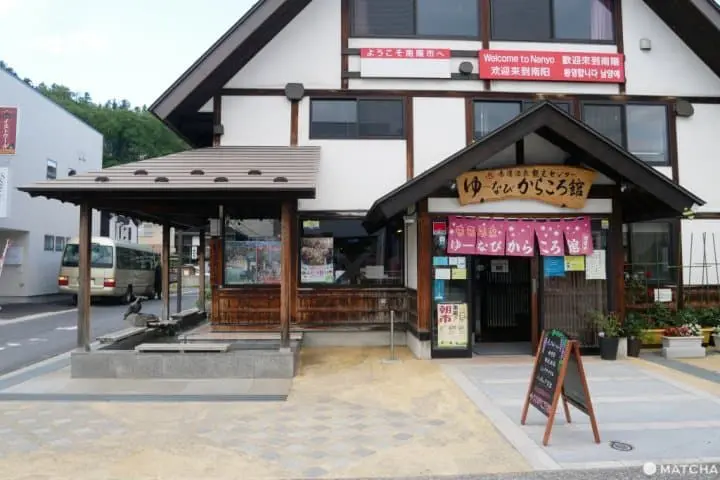
Beginning the journey at Akayu Station, travelers are immediately greeted by proximity to Akayu Onsen, a hot spring resort town with a rich history spanning nearly a millennium. Discovered in the late 11th century, these therapeutic waters were famously frequented by the formidable Uesugi clan during the Sengoku period. Adding a touch of modern pop-culture whimsy, legendary Studio Ghibli director Hayao Miyazaki has visited the area, leaving behind a custom, hand-drawn illustration of Totoro specifically dedicated to the resort.
2. Miyauchi Station: Shrine Whispers and Stationmaster Mochii
Miyauchi Station is arguably the psychological heart of the line’s tourism appeal. Here, visitors encounter two major cultural pillars:
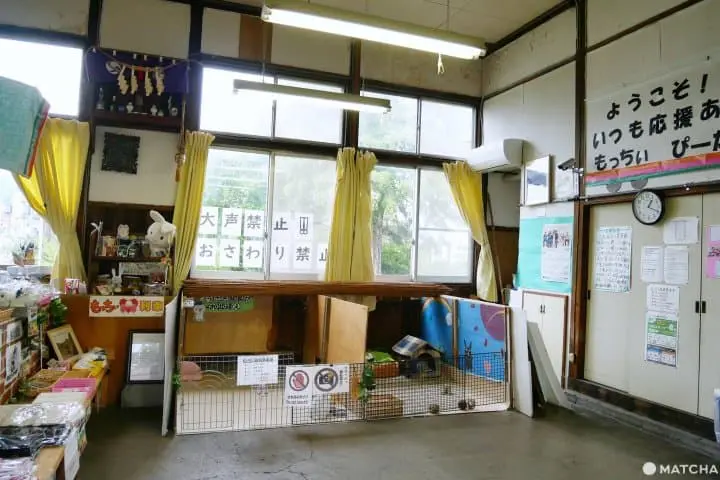
- Stationmaster Mochii: Appointed in 2010, this gentle white rabbit greets visitors from a spacious enclosure within the station office. Though advanced age has largely retired him from wearing his official miniature stationmaster hat, Mochii remains a beloved figure. Merchandising featuring Mochii—including plushies, keychains, and collaborative stickers with Love, the feline stationmaster of Fukushima’s Aizu Railway—provides vital financial support for station upkeep.
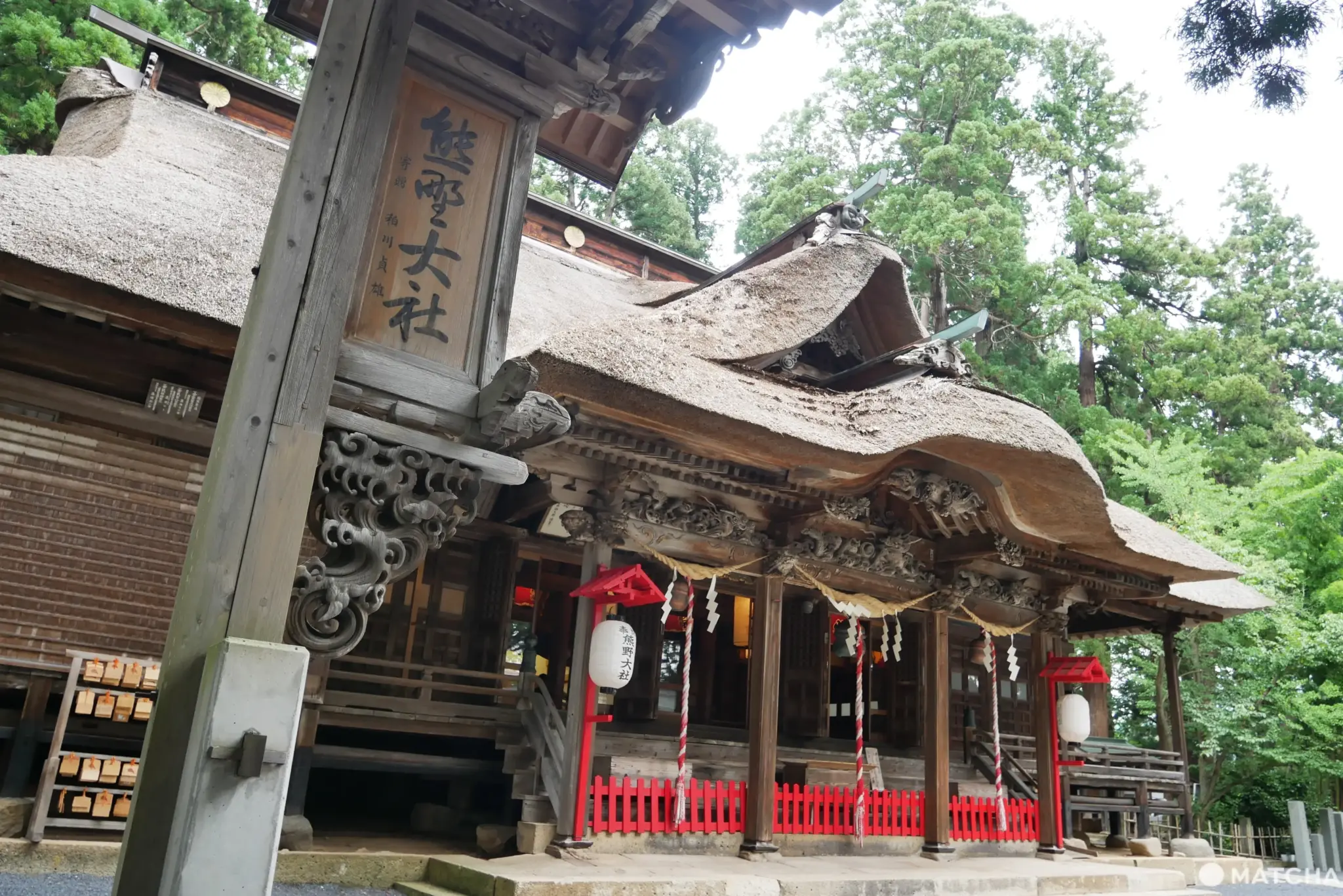
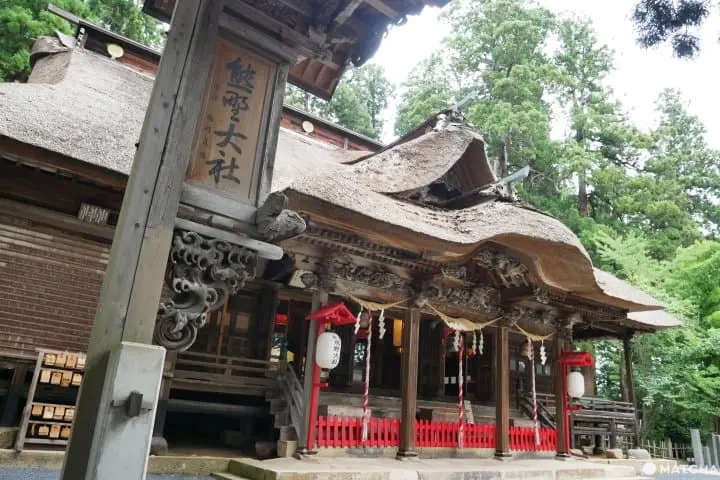
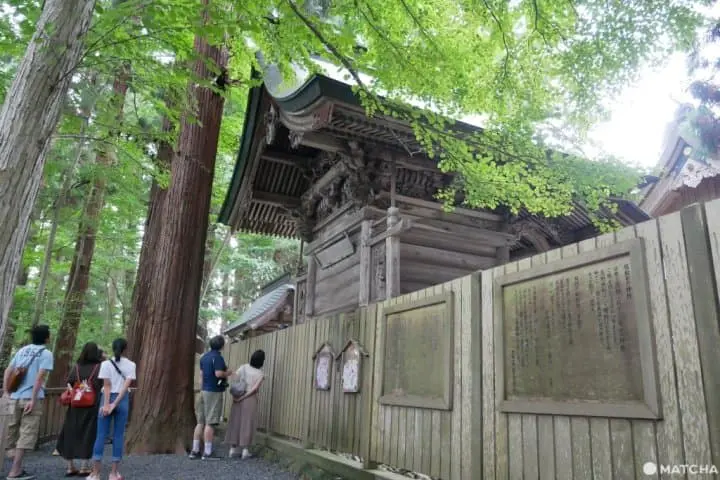
- Kumano Taisha Shrine: Located a short walk from the station, this ancient shrine is widely known as the "Ise of Tohoku." Famous for its summer wind-chime festival and its prayers for romantic harmony, the shrine’s ultimate secret is the carving of the Three Rabbits hidden on the reverse side of the main hall. Local lore promises that anyone who successfully discovers all three hidden rabbits will have their heartfelt wishes granted—provided they never reveal the location of the third rabbit to another soul.
3. Imaizumi Station: The Railfan’s Frame
For photography enthusiasts, Imaizumi Station offers a rare operational bonus. As a designated passing loop on the single-track network, arriving trains routinely pause to wait for oncoming services. This precise synchronization allows photographers and railfans to capture two distinct retro trains framed within a single shot—a dwindling operational rarity in modern rail networks.
4. Nagai Station: Cycling and Kendama Culture
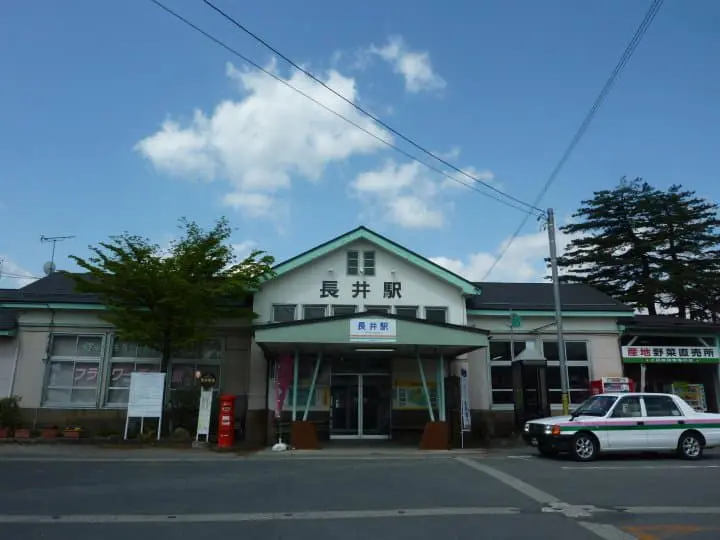
Nagai Station serves as the ideal mid-route base camp for active travelers. Visitors can rent bicycles directly from the station to explore historic merchant streets, sprawling azalea parks, and preserved Western-style architecture. Furthermore, Nagai City holds the distinction of being Japan’s premier producer of kendama—the traditional wooden skill toy. The city houses a dedicated Kendama Experience Hall featuring global exhibits, where masters are on hand to teach intricate, gravity-defying tricks to curious visitors.
5. Uzen-Narita Station: A Living Time Capsule
Stepping onto the platform at Uzen-Narita Station is akin to stepping backward into the Taisho period. Constructed in 1922, the original wooden station building retains its weathered timber beams, vintage fare charts, and antique operational notices. The platform itself is lined with dried safflowers (benibana)—a nod to Yamagata’s historical dominance in the red-dye textile trade—and backed by an immaculate row of towering cedar trees that frame the passing trains in striking seasonal contrast.
6. Arato Station & The Mogami River Bridge
Approaching the northern terminus at Arato Station, the train executes one of its most dramatic crossings: traversing the Mogami River over the Mogami River Bridge. Built in the early era of Japanese industrialization, this structure holds the verified title of Japan’s oldest existing iron railway bridge. Its intricate lattice-iron architecture attracts engineering historians and photographers from across the country.

Future Outlook: Sustainability and Innovation
As the Flower Nagai Line looks toward the coming decades, its operators and local municipalities face both persistent demographic hurdles and exciting new opportunities for growth.
Navigating Rural Demographics
Like much of regional Japan, Yamagata Prefecture faces population aging and youth migration toward metropolitan centers. The long-term viability of the railway relies heavily on maintaining subsidies from local governments, optimizing operational efficiency, and cultivating external tourism streams. Yamagata Railway continues to experiment with digital ticketing, multilingual tourist resources, and targeted social media campaigns to attract international travelers seeking authentic, off-the-beaten-path Japanese experiences.
Expanding Experiential Tourism
The success of specialized chartered services—such as the Wine Train (showcasing local Yamanashi and Yamagata vintages) and the theatrical dynamism of the Local Line Pro Wrestling events—demonstrates that the railway’s infrastructure is flexible enough to accommodate unconventional cultural events. Moving forward, planners intend to expand these seasonal activations, incorporating digital nomad work-train packages, eco-tourism cycling integrations, and expanded agricultural harvest tours.
Preservation of Heritage
Crucially, modernization will not come at the expense of historical authenticity. The commitment to preserving structures like the 1922 Uzen-Narita stationhouse and maintaining the iconic botanical liveries ensures that the Flower Nagai Line retains the fragile, romantic charm that sets it apart from high-speed commercial transit.
Conclusion
The Flower Nagai Line is far more than a collection of tracks, diesel engines, and timetables. It is a living, breathing testament to community perseverance, artistic expression, and the enduring romance of slow travel. Whether visitors are drawn by the historical gravity of Japan’s oldest iron bridge, the spiritual quest for the Three Rabbits at Kumano Taisha, the vibrant seasonal blooms framing the Mogami River, or the simple joy of receiving a quiet nod from a fluffy white rabbit named Mochii, a journey along Yamagata’s premier local railway offers an indelible window into the soul of rural Japan. Step on board, listen to the rhythmic click-clack of the rails, and discover a timeless world waiting at every station.





Belum ada komentar. Jadilah yang pertama berkomentar!