

Executive Overview
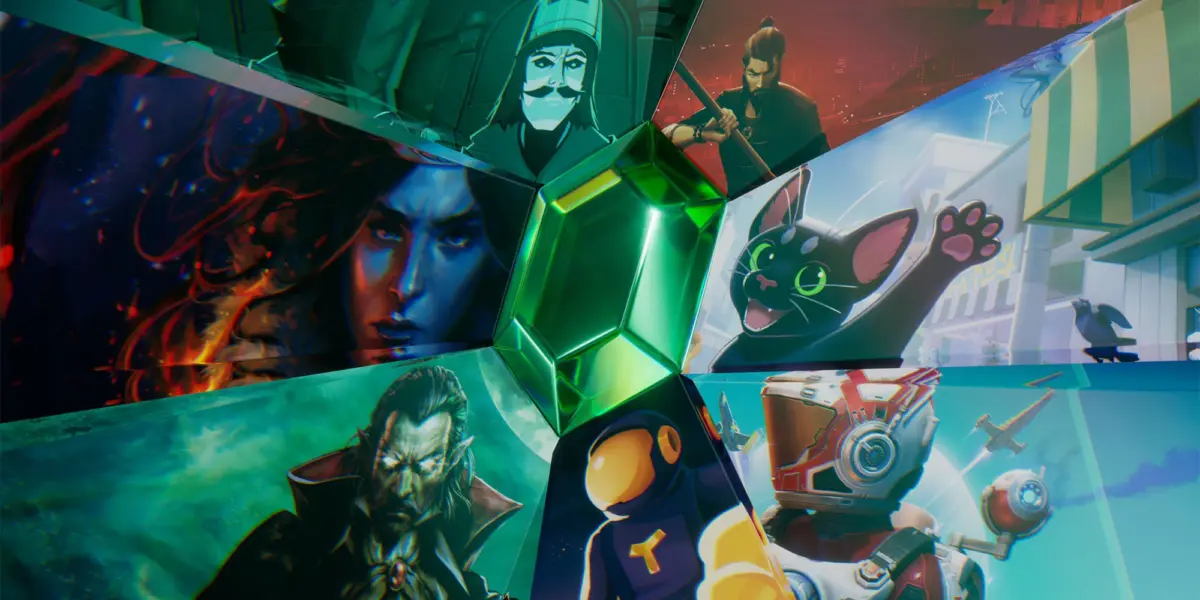
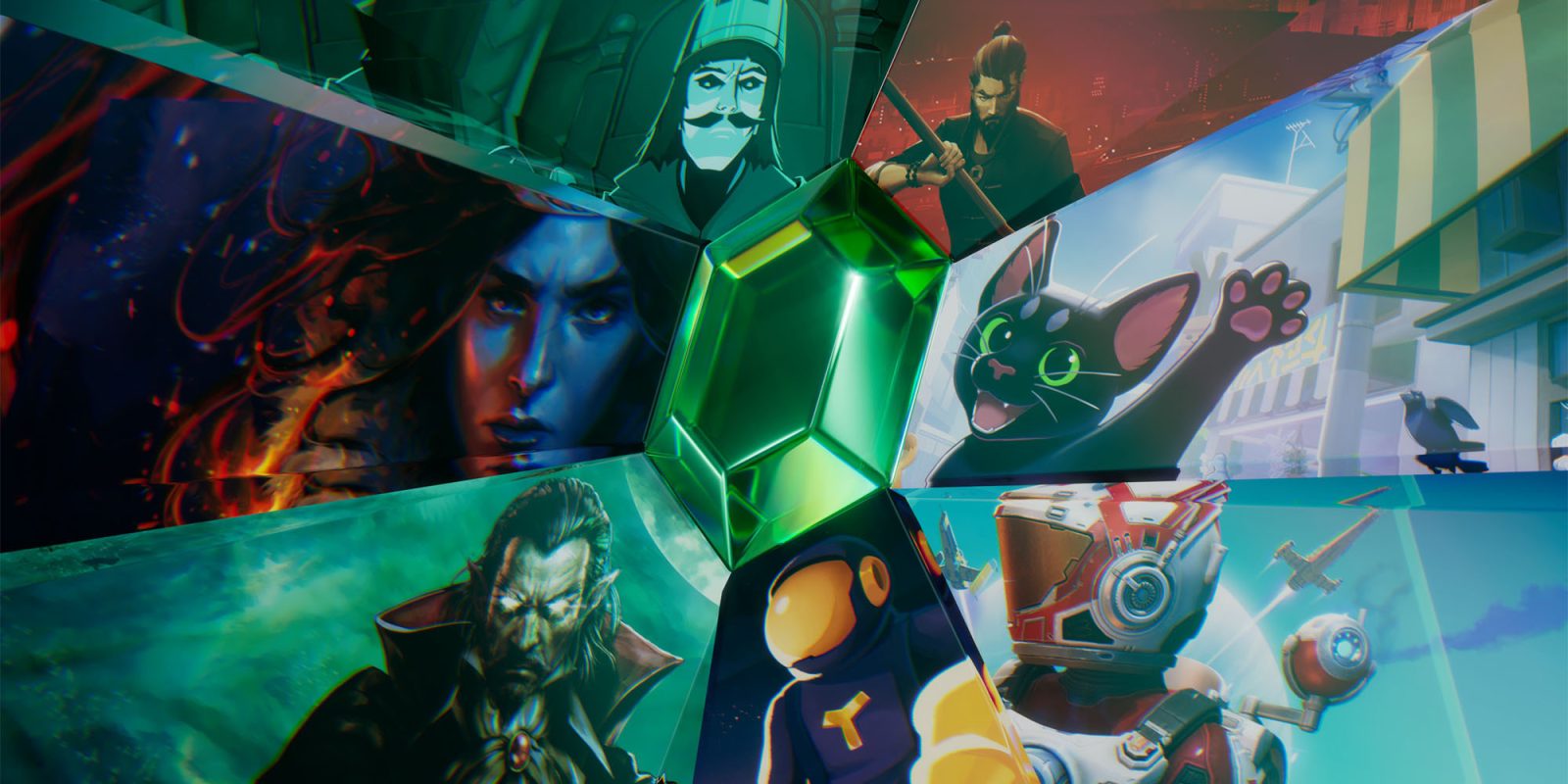
In an ongoing effort to champion smaller development studios and solo creators, Apple has officially kicked off its annual "Indie Games Week" on the App Store. The week-long celebration serves as a high-profile showcase for independent developers, putting a global spotlight on fresh, daring, and creatively ambitious titles that either recently debuted on iOS or are slated for launch in the near future.
Independent games have long been the lifeblood of software innovation, frequently introducing mechanically distinct gameplay loops, boundary-pushing artistic styles, and deeply personal narratives that larger triple-A publishers often pass over in favor of safer, proven formulas. By carving out dedicated real estate on the App Store’s front page, Apple is attempting to address one of the industry’s greatest hurdles for small teams: discoverability. In a digital marketplace populated by millions of applications, securing prominent visibility can mean the difference between breakout global success and obscurity.
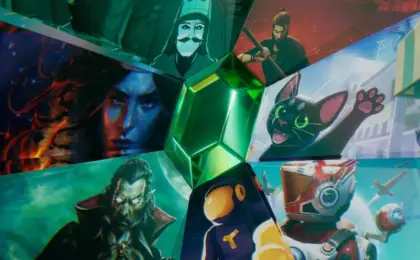
This year’s showcase highlights seven standout titles chosen specifically for their inventive design, artistic execution, and emotional resonance. Alongside the curation, Apple has leaned heavily into the ethos of independent development, emphasizing how modern mobile hardware—from powerful custom silicon to advanced graphics APIs—allows tiny teams to achieve breathtaking visual and interactive fidelity on devices that fit in our pockets.
Detailed Chronology: The Evolution of Indie Curation on the App Store
To understand the significance of Indie Games Week, it is helpful to look back at how Apple’s relationship with independent developers has evolved over the life of the App Store.
Phase One: The Wild West (2008–2014)
In the early years following the App Store’s 2008 launch, independent developers enjoyed unprecedented direct access to a burgeoning global audience. Titles like Doodle Jump, Flight Control, and Angry Birds proved that a small team with a clever concept could build a worldwide phenomenon nearly overnight. However, curation during this era was largely algorithmic or editorial by chance, leading to a gold rush mentality where thousands of games fought blindly for top-chart placement.
Phase Two: The Curated Renaissance (2015–2020)
Recognizing that the traditional top-grossing and top-free charts were burying innovative indie games under mountains of clones and ad-driven freemium titles, Apple executed a massive overhaul of the App Store in 2017. This redesign introduced a magazine-style layout featuring human-curated editorial stories, developer spotlights, and "Game of the Day" features. It was during this window that Apple began systematically formalizing events like Indie Games Week, recognizing that independent titles needed dedicated contextual framing to thrive.
Phase Three: The Subscription and Hardware Era (2021–Present)
With the introduction of Apple Arcade in 2019 and increasingly powerful mobile processors (such as the A-series Pro chips and M-series iPads), the boundary between mobile gaming and traditional console gaming began to blur. Independent developers gained access to console-quality development engines like Unity and Unreal, alongside native support for Bluetooth controllers. Today’s Indie Games Week reflects this maturity: the titles being highlighted are no longer just simple puzzle games to pass the time on a commute, but deeply immersive, narrative-driven experiences that rival their desktop and console counterparts.
Supporting Context & Metrics: The State of Independent Mobile Gaming
The economics and culture of independent game development on mobile platforms present a complex landscape. While the App Store remains the world’s most lucrative digital marketplace, indie developers face unique challenges and opportunities.
The Discoverability Dilemma
According to internal industry trackers, tens of thousands of games are submitted to the App Store annually. Without multi-million-dollar marketing budgets, independent developers rely heavily on organic word-of-mouth, social media marketing, and—most importantly—platform-level editorial promotion. Events like Apple’s Indie Games Week act as a vital lifeline, driving millions of organic impressions to studios that otherwise could not compete with the user-acquisition spending power of major corporate publishers.
Hardware Evolution as a Creative Catalyst
The technological leap of iOS devices has fundamentally transformed what independent developers can achieve. Modern iPhones feature hardware-accelerated ray tracing, high-refresh-rate ProMotion displays, and thermal efficiencies that allow complex games to run smoothly for hours. For a solo developer working out of a bedroom studio, an iPhone or iPad acts as both the development testing kit and a high-end delivery mechanism, ensuring their artistic vision reaches players with minimal fidelity loss.
The Shift Toward Premium and Subscription Models
While the free-to-play, microtransaction-heavy model dominated mobile gaming for over a decade, independent developers are increasingly finding success with premium upfront pricing, ad-free experiences, or inclusion in subscription models like Apple Arcade. Players are increasingly willing to pay a fair, one-time price for a complete, artistically cohesive game unmarred by aggressive monetization tricks or paywalls.
Official Statements and Industry Insights
Announcing the initiative, Apple’s head of App Store Worldwide, Carson Oliver, shared a detailed perspective on why the company continues to invest heavily in independent creators:

"Indie games are constantly pushing the boundaries of creativity to deliver unique gameplay experiences to Apple users, and we wanted to take a moment to celebrate these games and the teams that take creative risks to push gaming forward. Whether from a solo developer or a growing studio, the App Store gives bold ideas a global stage — turning daring visions into worldwide hits. We’re thrilled with the incredible games launching on the App Store this week and amazed by their breathtaking artistry, brilliant design, and deeply moving stories."
Industry analysts have praised Apple’s continued focus on human-led curation. In an era where algorithmic recommendations often trap users in echo chambers of predictable content, intentional editorial showcases introduce players to unexpected genres, experimental mechanics, and diverse storytelling perspectives that might otherwise go unnoticed.
Future Outlook: What Lies Ahead for Mobile Indies
As we look toward the future of the App Store and mobile gaming, several key trends are poised to shape the trajectory of independent developers:
- Cross-Platform Parity: With the growing adoption of universal purchase models and seamless cloud saving across iOS, iPadOS, macOS, and visionOS, indie developers are increasingly building games designed to be played anywhere. A player might start an indie puzzle game on their iPhone during a morning train ride, continue on their iPad during lunch, and finish on a Mac or Apple Vision Pro in the evening.
- Spatial Computing and Apple Vision Pro: The introduction of spatial computing has opened an entirely new canvas for independent developers. While traditional screens have dominated indie games for decades, spatial apps allow for physics-based, room-scale, and mixed-reality gameplay experiences that redefine immersion. Early indie experiments on visionOS suggest that small, agile teams are uniquely positioned to innovate rapidly in this nascent medium.
- Generative Tools and Ethical Development: As AI tools enter the developer ecosystem, independent creators face both exciting opportunities and complex ethical questions. While procedural generation and asset-creation assistants can help solo developers punch above their weight class, maintaining the deeply human, handcrafted soul that defines indie games will remain paramount.
Apple’s Indie Games Week demonstrates that despite the corporate giants dominating revenue charts, the human heart of gaming remains anchored in independent creativity. By continuing to spotlight daring visions and unique artistic voices, Apple ensures that the App Store remains a vibrant incubator for the next generation of gaming legends.






Belum ada komentar. Jadilah yang pertama berkomentar!