

Executive Overview
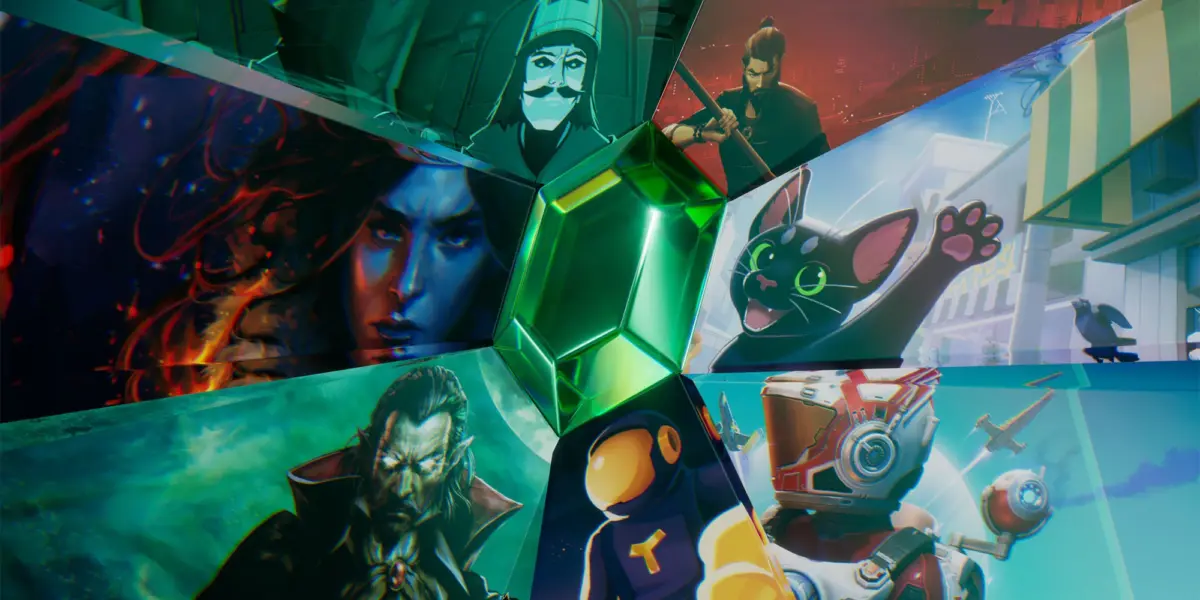
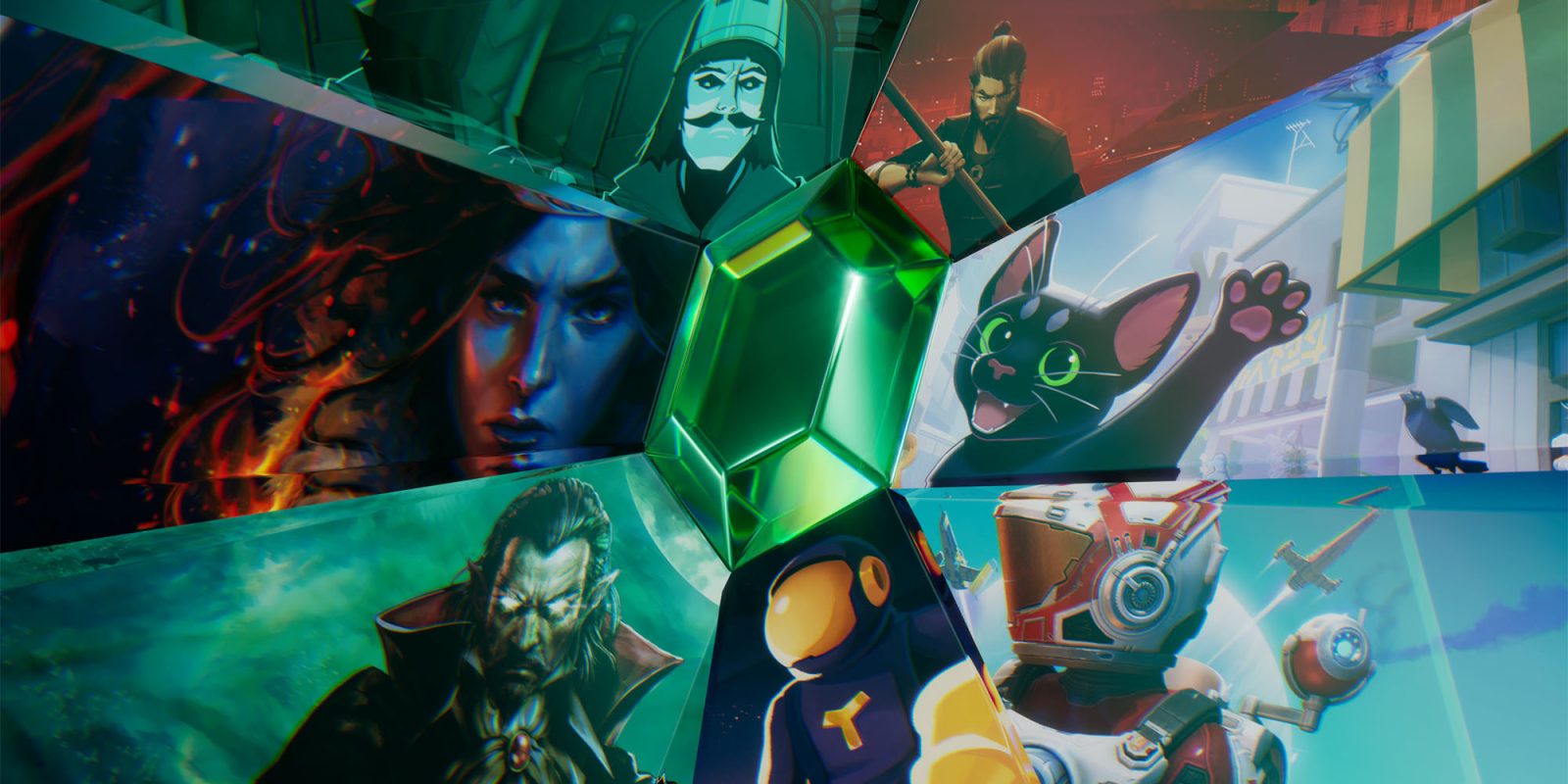
In an ongoing effort to champion independent developers and spotlight the creative engine driving mobile entertainment, Apple has officially launched “Indie Games Week” on the App Store. The week-long celebration, announced via Apple’s official newsroom, serves as a global showcase for seven carefully curated, boundary-pushing titles that have either recently debuted or are preparing to launch on iOS devices.
While major AAA studios often dominate industry headlines with blockbuster budgets and massive marketing campaigns, the independent development scene remains the beating heart of genuine innovation in gaming. By dedicating prime digital real estate across the App Store editorial tabs, Apple aims to bridge the gap between visionary creators and a global audience of hundreds of millions of iPhone and iPad users.
This year’s showcase emphasizes artistic risk-taking, narrative depth, and mechanical ingenuity. From solo passion projects to tight-knit independent studios, the highlighted developers represent the diverse ecosystem that continues to redefine what is possible on mobile hardware. As mobile processors narrow the performance gap with traditional consoles, Apple’s platform is increasingly becoming a premier destination for boutique gaming experiences that prioritize artistry over algorithmic trends.
Detailed Chronology: The Evolution of Apple’s Indie Support
To understand the significance of Indie Games Week, it is essential to examine how Apple has systematically cultivated its relationship with independent developers over the past decade and a half.
The Foundation (2008–2015)
When the App Store first opened its virtual doors in July 2008, it fundamentally transformed the software distribution model. Initially, the ecosystem was flooded with simplistic utility apps and novelty games. However, nimble independent developers quickly realized that multitouch displays and built-in accelerometers offered a blank canvas for entirely new gameplay loops. Titles like Flight Control and Doodle Jump proved that small teams could achieve astronomical success without the backing of legacy publishers. Recognizing this potential, Apple began refining its curation practices, eventually introducing specialized editorial sections to help users unearth hidden gems amid a rapidly expanding catalog of applications.
The Rise of Curation and Editorial Voice (2016–2019)
As the App Store swelled past millions of available programs, discoverability became a critical hurdle for indie creators. In response, Apple completely redesigned the App Store in 2017, introducing a magazine-style layout dedicated to human curation. Stories, developer spotlights, and “Game of the Day” features gave indie studios a megaphone previously reserved for corporate giants. During this era, Apple also began championing subscriptions through the conceptualization of Apple Arcade—a curated service that guaranteed developers stable funding and a platform free from aggressive monetization schemes.
The Modern Era of Specialized Showcases (2020–Present)
Today, dedicated events like Indie Games Week represent a mature, highly coordinated promotional strategy. Apple no longer relies solely on passive storefront visibility; instead, it orchestrates synchronized global campaigns, interviews, developer deep-dives, and video features. The 2026 iteration of Indie Games Week reflects a modern gaming landscape where mobile devices are powerful enough to run sophisticated, emotionally resonant narratives that rival traditional console and PC counterparts.
Supporting Context & Metrics: The Economic and Cultural Weight of Mobile Indies
The independent game development sector is a powerhouse of creativity, but it operates in a high-risk, high-reward environment. Examining the broader metrics of the mobile gaming market provides essential context for why Apple’s targeted support matters so profoundly.
The Discoverability Dilemma
According to industry analytics, thousands of new applications and games are submitted to the App Store every single week. For an independent developer working with a zero-dollar marketing budget, standing out in this sea of content is an almost insurmountable challenge. Organic discovery has become increasingly difficult as app store algorithms lean heavily toward established franchises, persistent live-service games, and titles backed by aggressive user-acquisition ad spend. By stepping in with human curation, Apple’s editorial team acts as a vital counterweight, elevating games based on merit, design philosophy, and artistic expression rather than sheer advertising muscle.
Economic Viability and Global Reach
The global mobile gaming market accounts for a massive share of total industry revenues, surpassing both console and PC gaming combined. However, capturing a fraction of that revenue as an indie developer requires extraordinary precision. Apple’s ecosystem—spanning iPhone, iPad, Mac, and Apple TV via universal purchases and cross-platform compatibility—offers developers a streamlined pipeline to monetize their work safely through secure in-app purchases, upfront pricing, or subscription models like Apple Arcade.
Furthermore, the App Store’s availability in over 175 regions provides small studios with instant access to a truly international audience. A solo developer working out of a home office can find their narrative-driven puzzle game or pixel-art platformer embraced by players in Tokyo, London, São Paulo, and New York simultaneously.
Official Statements: The Vision Behind the Spotlight
The heartbeat of Apple’s indie initiative lies in its collaborative philosophy with creators. Highlighting the ethos driving this year’s showcase, Carson Oliver, Apple’s head of App Store Worldwide, articulated the company’s perspective on the vital role independent creators play in the broader gaming landscape:
"Indie games are constantly pushing the boundaries of creativity to deliver unique gameplay experiences to Apple users, and we wanted to take a moment to celebrate these games and the teams that take creative risks to push gaming forward. Whether from a solo developer or a growing studio, the App Store gives bold ideas a global stage — turning daring visions into worldwide hits. We’re thrilled with the incredible games launching on the App Store this week and amazed by their breathtaking artistry, brilliant design, and deeply moving stories."
This sentiment underscores a philosophical shift in how technology giants view software ecosystems. Rather than measuring success purely by transactional volume, leadership recognizes that cultural cachet, critical acclaim, and emotional resonance are what ultimately build brand loyalty and inspire consumer passion.
Future Outlook: What Indie Games Week Means for the Road Ahead
As we look toward the future of interactive entertainment, several key trends suggest that independent developers on mobile platforms will continue to thrive, albeit with new challenges and opportunities on the horizon.

Technological Advancements and Cross-Platform Play
With the integration of advanced silicon across Apple’s device lineup—such as the A-series chips in iPhones and the M-series processors in iPads and Macs—mobile devices are no longer computationally constrained. Developers can port complex, graphically intensive, and system-heavy indie titles to iOS with minimal compromises. Features like hardware-accelerated ray tracing, promotion displays, and seamless controller integration mean that playing an indie masterpiece on an iPhone 17 Pro offers an experience indistinguishable from a dedicated handheld console.
The Human Element in an AI-Driven World
As generative artificial intelligence begins to permeate various sectors of tech and software development, the value of authentic, human-crafted art is skyrocketing. Indie games are inherently personal; they reflect the lived experiences, emotional struggles, and distinct artistic styles of their creators. Apple’s continued focus on hand-curated indie showcases signals a strong commitment to celebrating human ingenuity—a trend that will likely become even more vital as digital storefronts grapple with floods of automated content.
What’s Next?
For gamers and developers alike, Indie Games Week is just the beginning. As Apple rolls out editorial deep-dives, developer interviews, and exclusive in-app events throughout the week, the spotlight remains firmly fixed on the creative undercurrents shaping the industry’s future.
Are you planning to check out any of Apple’s featured indie games on the App Store? Have you discovered a hidden mobile gem recently that deserves a wider audience? Let us know your thoughts and recommendations in the comments below!








Belum ada komentar. Jadilah yang pertama berkomentar!