

Executive Overview
Autumn in Japan is widely celebrated as the premier season for outdoor exploration. Relieved from the oppressive humidity and stifling heat of summer, unburdened by the spring onslaught of hay fever-triggering cedar pollen, and safely removed from the heavy snows of winter, outdoor enthusiasts eagerly flock to the country’s extensive network of hiking trails. Among these destinations, Mount Takao (Takao-san) stands unrivaled as Tokyo’s ultimate alpine escape. Located a mere one-hour train ride west of the bustling Shinjuku city center, this accessible 599-meter (1,965-foot) peak welcomes millions of domestic and international visitors annually. Offering a relatively gentle ascent that takes roughly two hours to reach the summit and an hour and a half to descend, it serves as the quintessential day-hike destination for families, casual tourists, and nature lovers alike.
However, as the mountain enters its breathtaking autumn foliage season—a period characterized by a massive influx of foot traffic—local and metropolitan authorities have issued a stark and urgent call for heightened vigilance. This cautionary shift follows the official confirmation of an adult Asian black bear captured on surveillance cameras in close proximity to the mountain’s most heavily trafficked thoroughfare: Trail 1.
While wildlife sightings in the broader region are not entirely unprecedented, the proximity of this encounter to a primary tourist artery has alarmed municipal leaders in Hachioji City and the Tokyo Metropolitan Government. Set against a nationwide backdrop of increasing human-bear conflicts across Japan, the incident has catalyzed a robust public safety response. Officials are strongly urging hikers to modify their traditional routines, adopt proactive deterrent measures, and exercise extreme caution as the peak autumn hiking season commences.
Detailed Chronology: The Incident and Discovery
The sequence of events leading to the current safety advisory highlights the growing reliance on automated surveillance infrastructure in Japan’s semi-wild recreational zones, as well as the administrative lag often involved in processing remote monitoring data.
The Midnight Sighting on Trail 1
The incident in question occurred late at night on August 20. Automated observation cameras strategically positioned along the slopes of Mount Takao recorded the movement of a wild animal in the deep darkness. Upon subsequent review of the footage by local volunteers and municipal monitors, the creature was definitively identified as an adult Asian black bear (Ursus thibetanus).
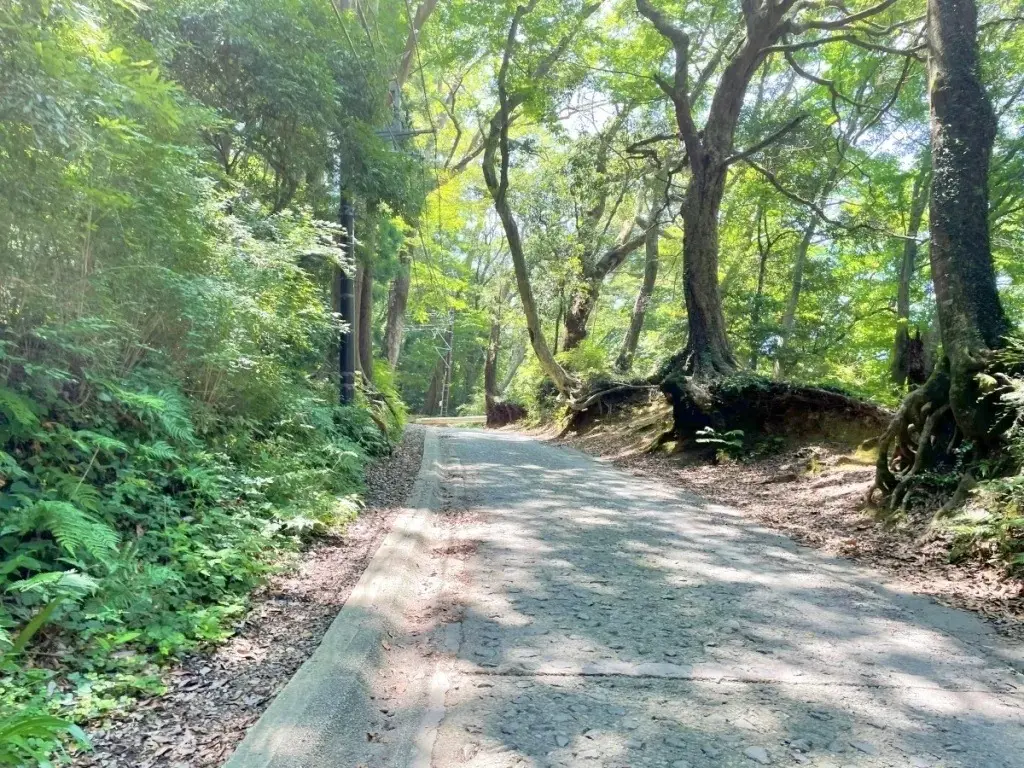
The bear was captured on camera at approximately 11:00 p.m., moving through a forested sector roughly 70 meters (approximately 230 feet) away from Trail 1—the mountain’s most famous and frequented route, also known as the Omotesando Route. This path is celebrated for its harmonious blend of natural topography and cultural landmarks, winding past ancient cedars and leading directly to the historic Yakuoin Temple. Specifically, the sighting was traced to the vicinity where Trail 1 crosses over the expressway’s Takasosan Tunnel—a location roughly 30 to 40 minutes uphill from the base of the trail network.
Bureaucratic Confirmation and Public Disclosure
Because the cameras operate on automated archival systems, the footage was not actively monitored in real time. Consequently, the discovery of the bear’s presence came to light days later during routine data reviews.
Upon identifying the animal, local monitors immediately escalated the findings to the central Tokyo Metropolitan Government. Forestry and wildlife specialists within the metropolitan administration thoroughly analyzed the digital evidence, cross-referencing the physical characteristics, size, and movement patterns of the animal. Their assessment confirmed that the creature was indeed a mature wild black bear.
Following this official verification, the metropolitan government coordinated with Hachioji City—the municipal district governing Mount Takao—to inform local leadership. On Wednesday, Hachioji City authorities made the official public announcement, alerting both media outlets and recreational groups to the nocturnal visitor and initiating the current wave of safety advisories.
Supporting Context & Metrics: The Expanding Human-Wildlife Interface
To fully understand the gravity of the Hachioji City warning, one must examine the broader ecological and sociological shifts currently transforming the Japanese countryside and its mountainous peripheries.
The Geography and Popularity of Mount Takao
Mount Takao is far more than a simple hill; it is a registered Quasi-National Park and a cultural landmark that holds immense significance for the Tokyo metropolis. Recognized by the prestigious Michelin Green Guide with three stars, it attracts an estimated 2.6 to 3 million visitors every year, making it arguably the most heavily visited mountain in the entire world.
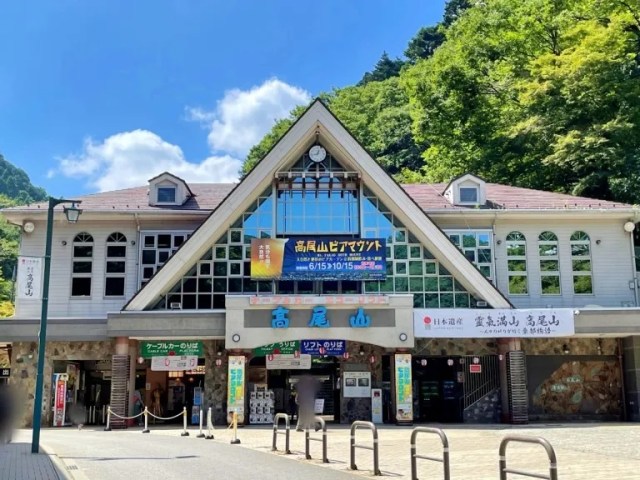
Trail 1 serves as the primary artery for this massive human tide. Paved for the majority of its lower sections and illuminated by street lamps in populated zones, it fosters a false sense of urban security among visitors who may forget they are entering a legitimate mountain ecosystem. The coexistence of heavy human infrastructure and dense secondary forests creates a continuous interface where wildlife and urbanites inevitably cross paths.
A Nationwide Surge in Bear Encounters
The Mt. Takao sighting does not occur in a vacuum. Over the past several years, Japan has experienced an unprecedented surge in human-bear interactions and unfortunate conflicts, stretching from the northern wilderness of Hokkaido down through the Tohoku region, and increasingly pressing into the Kantō plain surrounding Tokyo.
- Ecological Drivers: Wildlife experts attribute this nationwide trend to a combination of shifting rural demographics—such as the depopulation of farming communities that previously acted as a buffer zone between deep forests and human settlements—and fluctuating supplies of wild mast (acorns, beechnuts, and chestnuts). When traditional food sources fail in the deep interior mountains, bears are forced to forage closer to human habitations, drawn by agricultural crops, uncollected fruit trees, and accessible refuse.
- Urban Proximity: While sightings in rural prefectures like Iwate, Akita, and Nagano have long been common, the creeping proximity of bears to mega-cities like Tokyo represents a psychological turning point. Although Mt. Takao has historically served as a natural habitat for various indigenous species, modern encounters occurring within striking distance of commuter train lines highlight how wildlife boundaries are shifting.
While the August 20 bear remained roughly 70 meters off the trail and did not display aggressive behavior toward humans, the mere fact that an apex predator was documented moving through a major recreation corridor at a time when millions prepare to visit has amplified anxieties.
Official Statements and Safety Protocols
In response to the confirmed sighting and the impending arrival of autumn leaf-peeping season (koyo), local government bodies have moved swiftly to establish proactive safety guidelines. Rather than closing the mountain—a measure that would cause massive economic and logistical disruption—officials are emphasizing education, behavioral modification, and personal preparedness.
Municipal Directives from Hachioji City
Hachioji City officials have outlined specific recommendations for anyone planning to visit Mount Takao in the coming weeks. These directives are designed to minimize the likelihood of startling a bear, which remains the primary trigger for defensive charges or attacks.
- Temporal Restrictions (Avoid High-Risk Hours): Hikers are strongly advised to strictly avoid ascending or descending the mountain during early morning hours, dusk, and nighttime. Bears are naturally crepuscular or nocturnal animals; venturing onto the trails when visibility is low drastically increases the probability of an accidental, close-quarters encounter.
- Group Hiking: Solo excursions are discouraged during this period of heightened alert. Officials recommend that visitors hike with friends, family members, or as part of organized groups. Human voices, collective movement, and larger group silhouettes naturally deter timid wildlife from approaching the trail.
- Acoustic Deterrents (Bells and Radios): One of the most effective non-lethal methods for preventing bear encounters is noise generation. Hikers are instructed to attach specialized bear bells (kuma zuzu), small radios, or other noise-making devices to their backpacks or belts. By announcing their presence well in advance, hikers give wildlife ample opportunity to retreat into the dense underbrush long before a human ever comes into view.
Expert Recommendations on Bear Etiquette
Beyond the municipal guidelines, wildlife management organizations in Japan continuously stress fundamental survival rules for anyone recreating in bear country:
- Never Feed Wildlife: Intentional or accidental provisioning—such as leaving food scraps or unsecured garbage along trails—habituates bears to human presence, turning wild animals into persistent nuisances that ultimately must be culled.
- Carry Bear Spray: For those venturing onto more remote trails beyond the paved confines of Trail 1, carrying EPA-approved bear deterrent spray is strongly recommended.
- Retreat Calmly: In the unlikely event that a hiker does encounter a bear on or near the path, protocol dictates remaining calm, avoiding direct, aggressive eye contact, refraining from running (which can trigger a predatory chase instinct), and slowly backing away while speaking in a calm, low voice.
Future Outlook: Balancing Conservation and Public Safety
As autumn transitions into winter, the immediate ecological pressures driving bears to lower elevations may shift, but the broader challenges facing Mount Takao and similar suburban wilderness areas are here to stay. The intersection of massive urban populations seeking solace in nature and expanding wildlife populations necessitates a sophisticated, long-term management strategy.
The Role of Technology and Monitoring
The successful detection of the August 20 bear via automated camera traps demonstrates the value of modern technological surveillance in wildlife management. Moving forward, municipal authorities and park rangers are likely to expand the deployment of remote sensing equipment, thermal imaging, and AI-driven movement analysis across Mount Takao’s secondary trails (such as Trails 2 through 6 and the Inariyama Course). Such measures allow authorities to track animal movements dynamically and issue localized warnings before incidents occur.
Preserving the Hiking Culture
For generations of Tokyoites, Mount Takao has stood as a symbol of accessible wilderness—a place where office workers, school children, and elderly hikers can experience the changing seasons without leaving the prefecture. The recent bear sighting, while sobering, is not a call to abandon the mountain, but rather a reminder of the respect owed to the natural world.
By heeding the warnings of Hachioji City officials, practicing situational awareness, and respecting temporal and acoustic guidelines, visitors can continue to enjoy the breathtaking scarlet and gold canopies of autumn safely. Ultimately, the challenge on Mount Takao is not merely about keeping humans safe from bears, but learning how to safely share a cherished landscape as human and wildlife territories increasingly overlap in the 21st century.








Belum ada komentar. Jadilah yang pertama berkomentar!