In October 2026, the global video game industry turned its collective gaze toward the vibrant Mediterranean metropolis of Barcelona for the historic debut of SAGA Barcelona Game Fest 2026. Staged within the sprawling halls of the Fira de Barcelona, this landmark event effectively superseded its predecessor, BCN Game Fest 2025, marking a watershed moment for the Catalan capital. SAGA 2026 was not merely a localized trade exhibition; it was a monumental declaration of intent, signaling Barcelona’s aggressive and calculated bid to position itself as Southern Europe’s preeminent gaming hub and a formidable rival to established industry powerhouses like Germany’s gamescom.
This comprehensive feature report explores the structural evolution of Barcelona’s video game ecosystem, charting its journey from an emerging local cluster into an internationally recognized crucible for indie innovation and triple-A development. Drawing from exclusive insights, behind-the-scenes metrics, and an in-depth interview with event organizers and industry veterans—including pivotal figures from the Catalan Enterprise of Cultural Industries (ICEC) and local incubators such as GameBCN and iGi—we examine the intricate nexus connecting Catalan creativity with the Japanese games market, the shifting dynamics of global publishers, and the future outlook for the region.
Detailed Chronology: The Evolution of Barcelona as a Gaming Powerhouse
To understand the magnitude of SAGA 2026, one must first examine the historical trajectory that forged Barcelona’s developer community over the past decade. Long before the inception of SAGA, Barcelona cultivated a reputation as a dynamic incubator for digital entertainment, anchored by its rich architectural history, progressive cultural policies, and a uniquely collaborative artistic community.
The Foundation Years and Institutional Support (2014–2021)
The modern era of Barcelona’s game development ecosystem largely crystallized in December 2014 with the establishment of GameBCN, a pioneering video game incubator backed by ICEC (Institut Català de les Empreses Culturals / Catalan Enterprises of Cultural Industries) under their umbrella brand, Catalan Arts. GameBCN was designed to bridge the gap between raw creative talent and commercial viability, offering structured mentorship, workspace infrastructure, and direct access to venture capital.
Over the subsequent decade, the region attracted global giants such as Gameloft, Social Point, King, Ubisoft, and Scopely, cementing Barcelona’s status as a multinational mobile development epicenter. However, while mobile studios flourished, the independent console and PC development scene operated on a more grassroots level.
This changed dramatically in 2021 with the launch of iGi (indie Game incubator), a parallel initiative focusing specifically on indie developers, narrative-driven titles, and artistic risk-taking. The synergy between GameBCN, iGi, and institutional bodies created a multi-tiered support structure that allowed local creators to experiment without immediate commercial compromises.
The Rise of IndieDevDay and Regional Fragmentation (2018–2025)
In 2018, a collective of local developers launched IndieDevDay, an event that steadily grew in scale and international prestige. Over the years, IndieDevDay served as the beating heart of Spanish indie development, celebrating grassroots creativity and fostering a tight-knit community. However, as the local industry matured, the need for a unified, large-scale B2B and B2C trade exposition became glaringly apparent.
For years, local stakeholders found themselves divided across various smaller events—such as Retro Barcelona and localized showcase nights—struggling to capture the global attention commanded by major international conventions. Recognizing this bottleneck, regional authorities and cultural agencies initiated a strategic consolidation. The transition from the fragmented BCN Game Fest 2025 to the unified SAGA Barcelona Game Fest 2026 represented the culmination of years of lobbying, infrastructure development, and political alignment.
Supporting Context & Metrics: Inside SAGA 2026
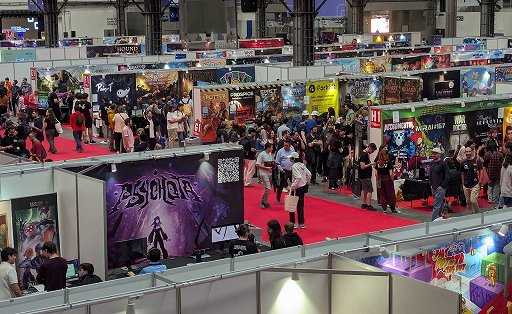
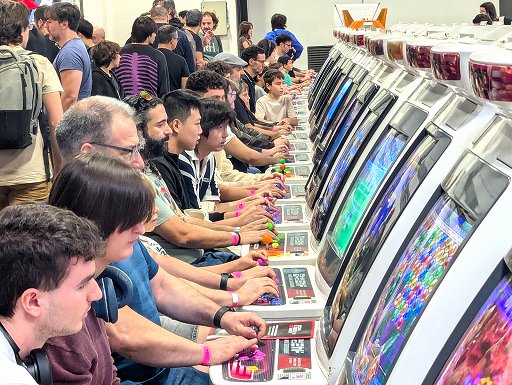
The numbers surrounding SAGA Barcelona Game Fest 2026 underscore its unprecedented scale and economic impact. Spanning three action-packed days at the Fira de Barcelona, the event shattered previous local attendance records, drawing over 30,000 unique visitors, a dramatic leap from the 16,000 attendees recorded at the previous year’s iterations.
Metric Category
BCN Game Fest (2025)
SAGA Barcelona Game Fest (2026)
Growth / Variance
Total Attendees
~16,000
~30,000
+87.5%
Exhibiting Studios
~90
~160
+77.7%
Featured Games (Steam/Console)
~120
~200+
+66.6%
B2B Participants / Delegates
~1,200
~2,000
+66.6%
Exhibition Floor Space
15,000 sq. meters
29,000 sq. meters
+93.3%
As detailed in our exclusive industry breakdown, SAGA 2026 successfully blurred the lines between consumer entertainment and professional business development. Major international publishers—including Devolver Digital, tinyBuild, and prominent Catalan publisher Entalto Publishing—anchored massive booths on the show floor.
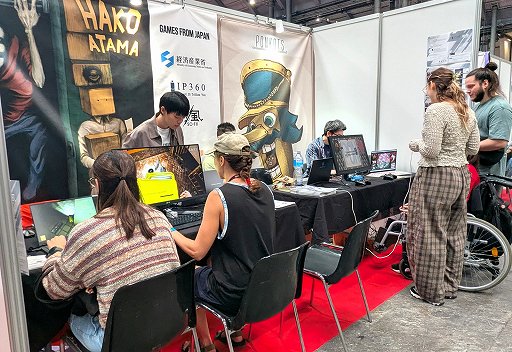
Notably, the festival dedicated significant real estate to "GAMES FROM JAPAN," a curated exhibition pavilion highlighting independent Japanese titles and fostering direct cross-cultural exchange between Japanese developers and their European counterparts. This cross-pollination of design philosophies became one of the defining narrative arcs of the entire convention.
Official Statements and Industry Insights
To gain a deeper understanding of the motivations driving SAGA 2026, we sat down with event organizers, regional trade commissioners, and participating indie developers.
The Vision for Southern Europe
Daniel Santigosa, a prominent industry consultant and liaison for regional game development initiatives, emphasized that SAGA was built on the foundation of lessons learned from events like IndieDevDay while aiming much higher.
"For years, our studios had incredible talent, but we lacked the unified megaphone necessary to compete on the global stage," Santigosa explained during our exclusive interview. "SAGA isn’t just about showing off games; it’s about building a sustainable business ecosystem where a studio in Barcelona can secure publishing deals, investment, and international visibility without having to relocate to Northern Europe or North America."
This sentiment was echoed by representatives from ICEC, who noted that public funding for cultural industries in Catalonia has increasingly shifted toward digital media as a primary driver of economic diversification and youth employment.
Bridging Cultures: The Catalan-Japanese Connection
One of the most striking elements of SAGA 2026 was the deep engagement between Japanese indie developers and the Catalan scene. Building on relationships forged through iGi and various bilateral exchange programs, several Japanese creators showcased their projects on European soil for the first time.
When asked about the reception of Japanese titles in Spain, organizers noted that European audiences have long demonstrated an appetite for narrative-driven JRPGs, atmospheric puzzle platformers, and experimental art games. By creating a dedicated physical space for Japanese developers—complete with localized marketing materials and bilingual support staff—SAGA effectively lowered the barrier to entry for Asian studios seeking European expansion.
Future Outlook: Aiming for the Global Stage
As the dust settles on the inaugural SAGA Barcelona Game Fest, industry analysts are already looking ahead to the future. The overarching ambition of the festival’s organizers is clear: to establish SAGA as a mandatory stop on the global games industry calendar, sitting comfortably alongside events like gamescom and Tokyo Game Show.
Overcoming Structural Challenges
Despite its overwhelming success, transitioning from a regional showcase to an international heavyweight comes with distinct hurdles. Infrastructure strain, lodging availability during peak convention dates, and maintaining the delicate balance between B2B networking and B2C consumer accessibility remain critical areas of focus for future planning.
However, the prevailing consensus among attendees and exhibitors is overwhelmingly positive. The willingness of regional authorities to listen to developer feedback, streamline bureaucratic processes, and invest heavily in digital infrastructure has created an environment of optimism that was palpable across every square meter of the exhibition floor.
The Road Ahead for Catalan Indie Developers
For local studios, the visibility gained at SAGA 2026 translates directly into tangible commercial opportunities. Several participating teams reported securing publisher interest and venture capital funding within the first 48 hours of the event. Furthermore, the expansion of mentorship programs ensures that upcoming generations of developers will have access to the resources needed to scale their operations globally.
As SAGA continues to mature, its success serves as a powerful reminder that video game development is no longer confined to traditional geographic powerhouses. With Barcelona leading the charge, Southern Europe has firmly staked its claim on the future of interactive entertainment.













Belum ada komentar. Jadilah yang pertama berkomentar!