

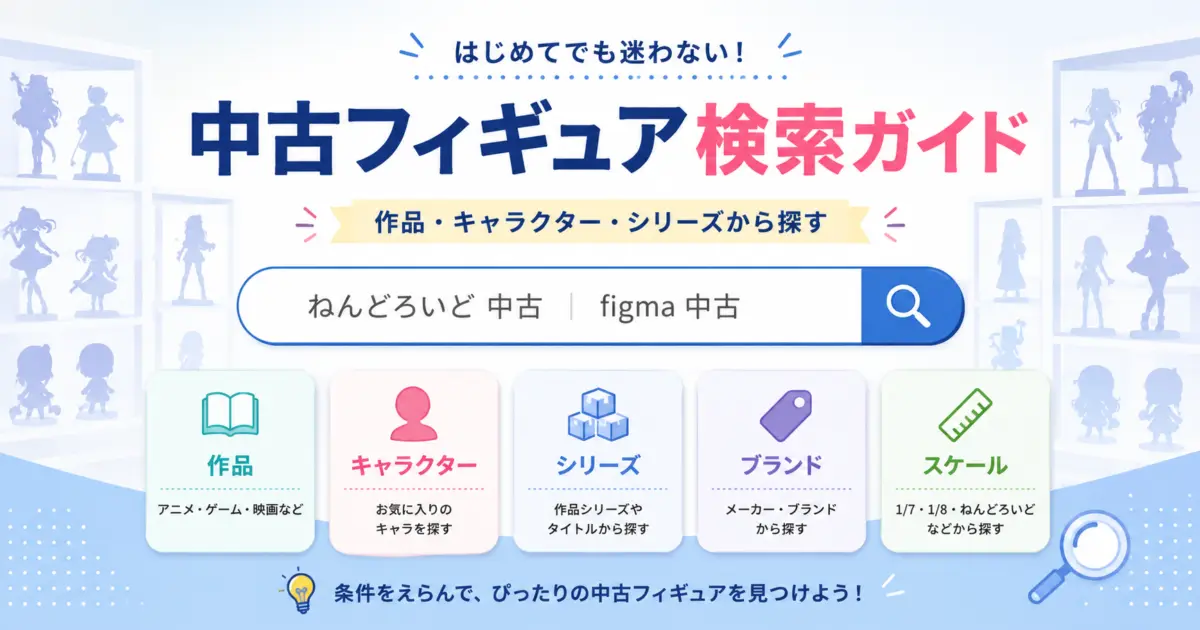
Executive Overview
The global collectible figure market has undergone a remarkable metamorphosis over the past decade, evolving from a niche hobby cherished by dedicated subculture enthusiasts into a multi-billion-dollar global economic powerhouse. Once confined to dusty corner hobby shops, dimly lit convention floors, and specialized online message boards, the secondary market for PVC, ABS, and resin collectibles is now characterized by sophisticated pricing algorithms, global digital marketplaces, and unprecedented consumer demand.
Driven by an intersection of pop culture mainstreaming, limited-edition manufacturing models, and an increasingly passionate global collector base, secondary market prices for rare figures can fluctuate wildly. This volatility creates both lucrative investment opportunities for seasoned hobbyists and daunting financial barriers for newcomers.
This comprehensive guide explores the multifaceted dynamics of the secondary collectible figure market. We examine how pricing mechanisms operate, review critical valuation metrics, analyze platform-specific features, and provide actionable strategies for navigating this dynamic ecosystem safely and profitably. Whether you are looking to liquidate a lifelong collection or secure that elusive holy grail piece, understanding the underlying currents of the secondary market is essential for modern collectors.
Detailed Chronology: The Evolution of the Figure Collector Economy
To understand where the secondary market stands today, it is vital to trace its historical trajectory. The marketplace did not emerge overnight; rather, it was forged through decades of technological advancement, shifts in manufacturing paradigms, and the gradual digitization of commerce.
Phase 1: The Analog Era and Convention Culture (Pre-2000s)
In the early days of figure collecting, acquisitions relied heavily on physical presence and local community networks. Hobbyists frequented specialized import shops in metropolitan hubs (such as Akihabara in Tokyo or niche comic book stores in Western countries) or waited eagerly for annual pop-culture conventions. Information was scarce, pricing was often arbitrary, and authentication required a trained eye. Transactions were cash-only, and regional availability dictated what a collector could realistically hope to own.
Phase 2: The Rise of Online Forums and Auction Sites (Early 2000s – 2010s)
The advent of broadband internet and early e-commerce platforms fundamentally disrupted the localized nature of collecting. Online message boards, dedicated forums, and peer-to-peer auction sites like early-generation Yahoo! Auctions and eBay allowed collectors to transcend geographical boundaries. For the first time, a collector in New York could purchase a limited-run garage kit from a seller in Osaka within minutes. However, this era was also fraught with challenges: international shipping was notoriously unreliable, payment security was in its infancy, and bootlegs (counterfeits) began infiltrating online storefronts with alarming frequency.
Phase 3: The Algorithmic and Global Digital Marketplace (Present Day)
Today, the secondary market operates at industrial scale. Advanced data scrapers, real-time price tracking algorithms, and integrated global logistics networks have transformed peer-to-peer trading into a sophisticated financial ecosystem. Platforms now utilize automated pricing tools that aggregate historical sales data from Yahoo! Auctions Japan, Mandarake, AmiAmi, and eBay to provide instantaneous market valuations. Authentication processes have tightened, and international escrow services protect buyers and sellers alike. Yet, the sheer volume of transactions and the proliferation of high-quality bootlegs mean that vigilance remains more critical than ever.
Supporting Context & Metrics: Decoding Market Valuations
Navigating the secondary market successfully requires a firm grasp of the metrics that dictate a figure’s monetary and sentimental value. Unlike traditional financial assets, collectible figures are subject to volatile cultural trends, aesthetic preferences, and manufacturing constraints.
Key Valuation Factors
- Scarcity and Production Runs: The golden rule of collecting remains supply and demand. Figures manufactured in strictly limited quantities—such as Wonder Festival (WonFes) exclusives, convention variants, or lottery prizes (Ichiban Kuji)—inherently command higher secondary market prices.
- Manufacturer Reputation: The pedigree of the manufacturer heavily influences secondary market retention. Premium brands known for meticulous quality control and exquisite sculpting—such as Good Smile Company, Alter, Max Factory, and Kotobukiya—frequently hold or appreciate in value. Conversely, figures from manufacturers with inconsistent quality control often see steep depreciation on the secondary market.
- Character Popularity and Media Relevance: A figure’s value is intrinsically linked to the cultural relevance of its source material. The announcement of a new anime season, a cinematic sequel, or a viral gaming phenomenon can cause secondary market prices for related figures to skyrocket overnight. Conversely, when a franchise fades from public consciousness, secondary demand often plateaus or declines.
- Condition and Packaging Integrity: In the secondary market, the difference between "Mint in Box" (MIB), "Mint in Sealed Box" (MISB), and "Open Box/Displayed" can amount to hundreds of dollars. Original packaging (including blisters, inserts, and outer cardboard boxes) preserved in pristine condition is a primary driver of top-tier valuations.
Data-Driven Price Tracking
Modern collectors no longer have to rely on guesswork. Advanced browser extensions and dedicated aggregator sites now crawl multiple marketplaces simultaneously, compiling moving averages, sales volume charts, and historical price volatility graphs. By leveraging these digital tools, buyers can identify undervalued listings, while sellers can price their items competitively to maximize return.
Platform-Specific Features & Comparative Analysis
Not all secondary marketplaces are created equal. Different platforms cater to distinct collector profiles, geographic regions, and risk tolerances. Below is a comparative analysis of the primary channels utilized by global collectors:
Domestic vs. International Platforms
- Yahoo! Auctions Japan & Mercari Japan: Widely considered the gold standard for sourcing authentic, Japanese-market figures at domestic prices. However, navigating these platforms typically requires utilizing proxy services (such as Buyee, ZenMarket, or From Japan), which introduce additional service fees, currency conversion costs, and international shipping surcharges.
- Mandarake and AmiAmi Pre-Owned: Renowned physical retailers with robust online storefronts. Their grading systems are exceptionally strict, giving buyers immense confidence in the condition of pre-owned figures. While prices may occasionally reflect retail markups, the guaranteed authenticity makes them a favored destination for risk-averse collectors.
- eBay & Global Peer-to-Peer Sites: Offering the widest selection and the greatest negotiation flexibility, eBay remains a staple for Western collectors. However, the platform also harbors the highest concentration of counterfeit listings, requiring buyers to exercise rigorous due diligence regarding seller feedback and detailed product photographs.
Official Statements and Industry Insights
Industry analysts and market researchers emphasize that the professionalization of the secondary collectible market is an irreversible trend. According to recent trade reports, the global market for anime figures and character goods is projected to expand significantly over the next five years, fueled by the explosive growth of streaming services and digital fandoms.
"The secondary market has matured from a loose network of hobbyist exchanges into a highly data-driven financial ecosystem," notes a prominent Tokyo-based toy industry analyst. "Collectors are no longer just buying plastic and PVC; they are investing in liquid assets backed by global intellectual property empires. As long as manufacturers continue to employ artificial scarcity models, secondary market volatility and high valuations will remain defining characteristics of the hobby."
Furthermore, major manufacturers have begun taking a more active interest in secondary market trends. By analyzing which characters and scales retain the highest residual value, companies are able to fine-tune their future production lines, re-release highly sought-after sculpts, and combat the counterfeit operations that threaten ecosystem integrity.
Future Outlook: Navigating the Next Decade of Collecting
As we look toward the future, the secondary market for collectible figures will undoubtedly continue to evolve. Several emerging trends are set to reshape the landscape for buyers and sellers alike:
- Enhanced Authentication Technologies: With counterfeiters growing increasingly sophisticated, manufacturers and secondary platforms are exploring blockchain-based verification, NFC-enabled packaging, and digital certificates of authenticity to protect consumers from fraudulent listings.
- AI-Driven Valuation Tools: Future collectors will likely rely on artificial intelligence models that not only track historical sales data but also predict future market trends based on upcoming media releases, social media sentiment analysis, and broader economic indicators.
- Sustainability and Eco-Friendly Materials: As environmental regulations tighten, the materials used in figure manufacturing (transitioning toward biodegradable plastics and sustainable packaging) may alter production costs and, by extension, secondary market dynamics.
Conclusion
Participating in the secondary collectible figure market is an exhilarating endeavor that blends aesthetic appreciation with strategic financial acumen. By understanding the intricate mechanics of pricing, leveraging modern tracking tools, prioritizing platform security, and maintaining awareness of broader industry trends, collectors can safeguard their investments and derive maximum enjoyment from their passion. Whether you are hunting for a rare scale figure to complete your display case or trimming down your collection to fund new acquisitions, knowledge remains your most valuable asset in the ever-evolving world of figure collecting.





Belum ada komentar. Jadilah yang pertama berkomentar!