Date: October 6, 2026 Author: Brian Keith Eastlake, Regional Revitalization Cooperation Team, Tsuruga and Wakasa Areas, Fukui Prefecture
Executive Overview
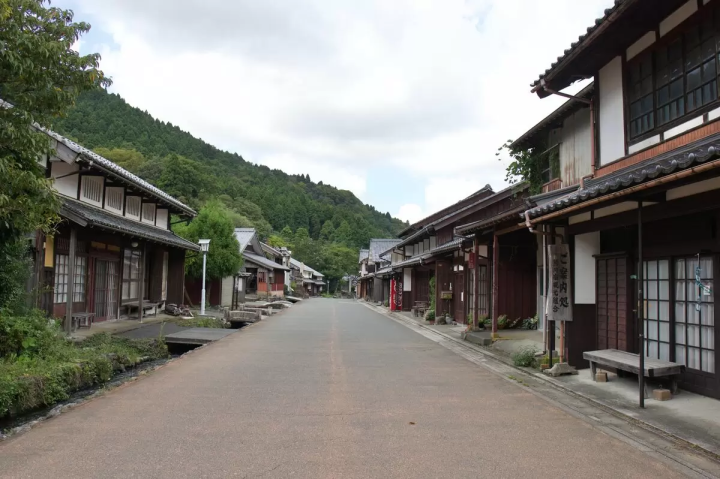
Nestled within the quiet, time-honored valleys of Fukui Prefecture lies Kumagawa-juku, a preserved post town whose historic streetscapes evoke the vibrant eras of the Edo period. Once a vital commercial artery along the Saba Kaido (Mackerel Highway)—the historic trading route connecting the Sea of Japan to the ancient capital of Kyoto—this locale is celebrated for its rustic architecture, serene atmosphere, and profound historical resonance. However, the enduring allure of Kumagawa-juku extends far beyond its preserved facades. Today, it serves as a modern sanctuary for one of Japan’s most revered traditional art forms: master woodcarving.
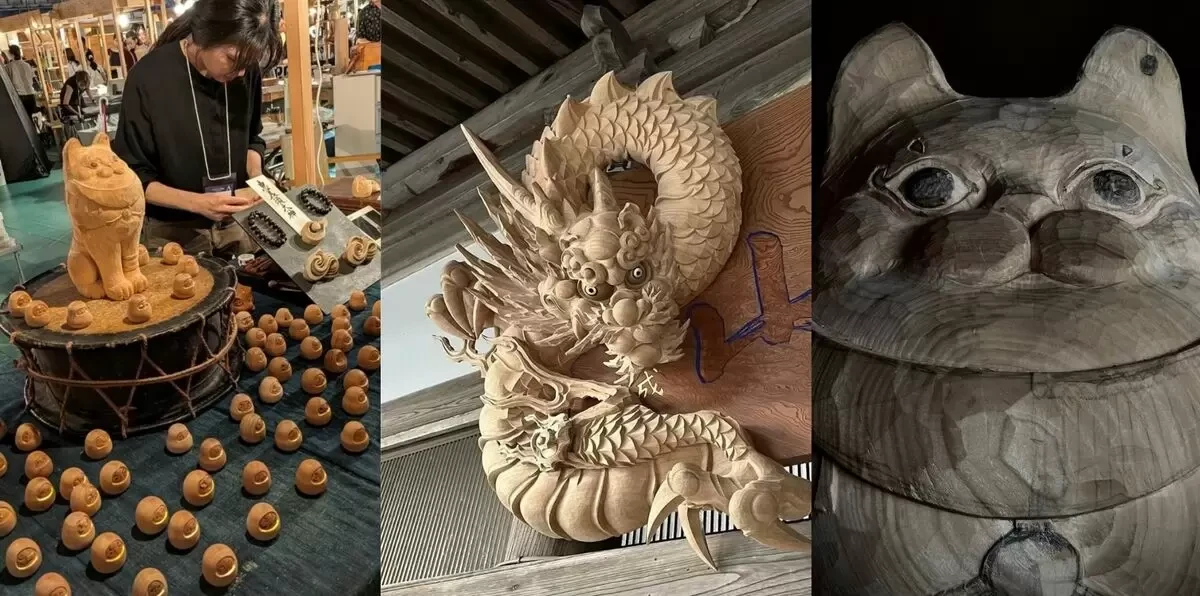
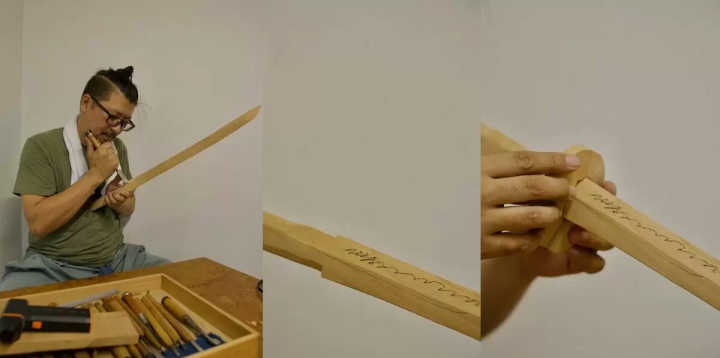
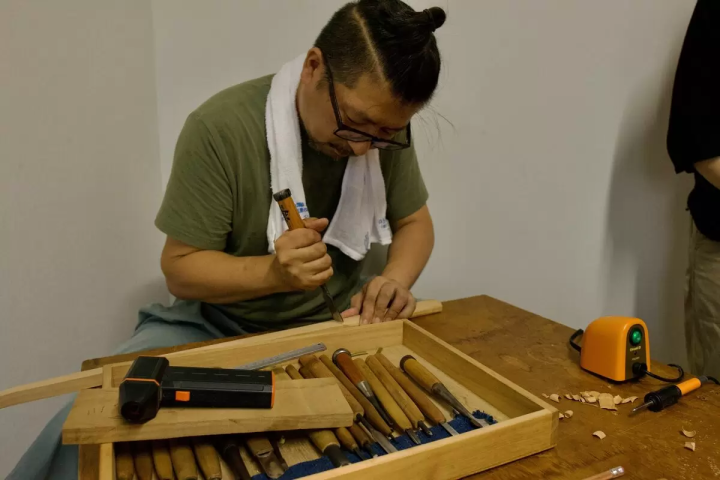
Under the tutelage of accomplished artisan Yuichi Niino, visitors and aspiring craftsmen alike are invited to step inside a living tradition through immersive, hands-on workshops. These comprehensive two-hour sessions bridge the gap between historical preservation and active artistic creation. Participants learn the delicate intricacies of reading wood grain, mastering precision cutting tools, and maintaining razor-sharp blades through traditional whetstone sharpening. Whether crafting a geometrically sound wooden sphere to grasp foundational mechanics or shaping a bespoke, textured bread plate, attendees are offered a rare, unmediated glimpse into the discipline, philosophy, and painstaking labor that sustain Japan’s premier woodcarving heritage.
This feature explores the mechanics of the Kumagawa-juku woodcarving experience, profiling the journey of master carver Yuichi Niino, detailing the rigorous curriculum of the multi-tiered workshops, and contextualizing the cultural significance of safeguarding these ancestral techniques within a revitalized rural destination.
Detailed Chronology: From Architectural Dreams to Rural Revitalization
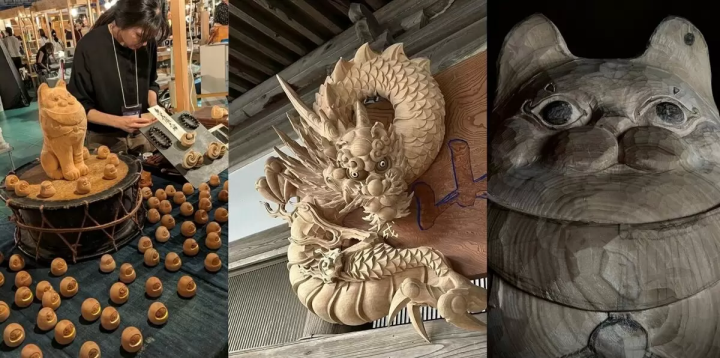
The resurgence of traditional woodcarving within Kumagawa-juku is inextricably linked to the personal trajectory and artistic evolution of Yuichi Niino. Long before establishing his workshop in Fukui Prefecture, Niino’s fascination with woodworking was ignited during his early childhood, captivated by the intricate beauty of traditional transom carvings (ranma) embedded within his childhood home. This early aesthetic exposure cultivated a lifelong dedication to the medium.
Following his formative education studying architecture at Tsuruga Technical High School, Niino made a pivotal relocation to Inami in Toyama Prefecture—a region universally recognized as one of Japan’s preeminent epicenters for master-level woodcarving. Immersed in this demanding environment, Niino underwent five rigorous years of traditional apprenticeship under a recognized master. During this intensive training period, he absorbed not only the physical mechanics of sculpting complex relief patterns and sacred temple iconography, but also the philosophical patience required to work in harmony with organic materials.
[Childhood Exposure to Transom Carvings]
       │
       ▼
[Architectural Studies at Tsuruga Technical High School]
       │
       ▼
[5-Year Apprenticeship under a Master in Inami, Toyama]
       │
       ▼
[Establishment of Base in Kumagawa-juku, Fukui Prefecture]
       │
       ▼
[Launch of Public Woodcarving Masterclasses & Workshops]
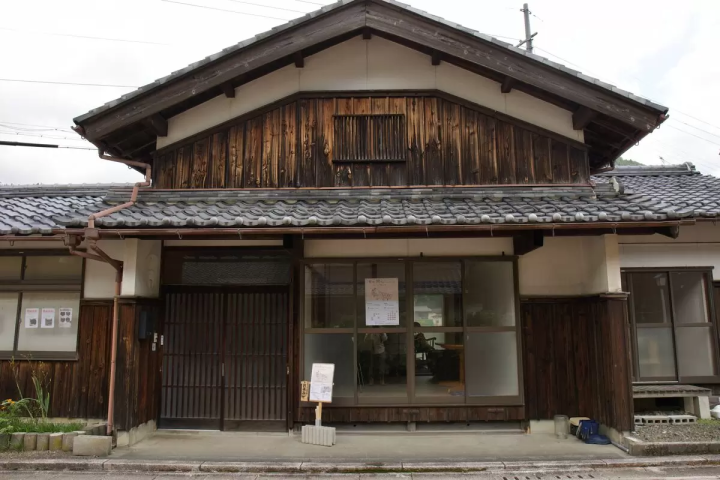
Upon completing his apprenticeship, Niino relocated his practice to the historic confines of Kumagawa-juku. Here, his portfolio expanded to encompass a diverse array of commissions, ranging from sacred Buddhist statues and intricate shrine and temple sculptures to bespoke nameplates and domestic art pieces. Recognizing a broader cultural imperative to pass these endangered skills on to a new generation, Niino transitioned part of his focus toward education. By opening his studio and partnering with regional revitalization initiatives, he transformed his mastercraft into an accessible, interactive bridge connecting modern enthusiasts with centuries-old methodologies.
Supporting Context & Metrics: The Anatomy of the Workshop Experience
The structured woodcarving classes at Kumagawa-juku are meticulously designed to accommodate varying levels of experience, from absolute novices picking up a chisel for the first time to seasoned woodworkers seeking to benchmark their techniques against traditional Japanese standards.
Curriculum and Progression
The standard educational format unfolds across specialized sessions designed to demystify the core competencies of the craft:
The Foundation of Form (The Sphere Project):
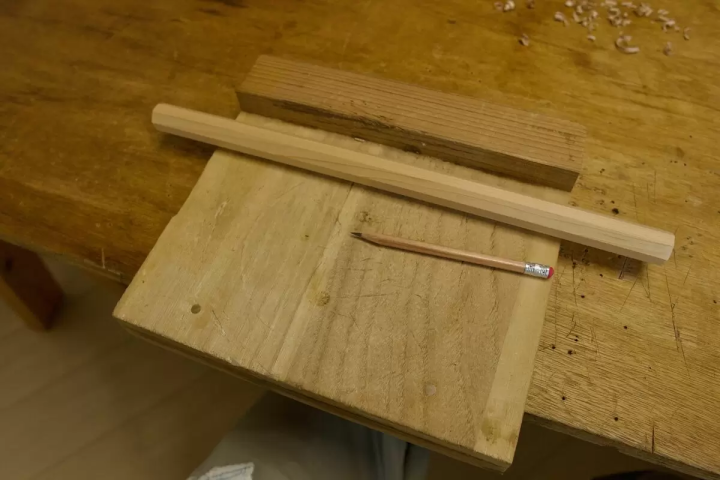
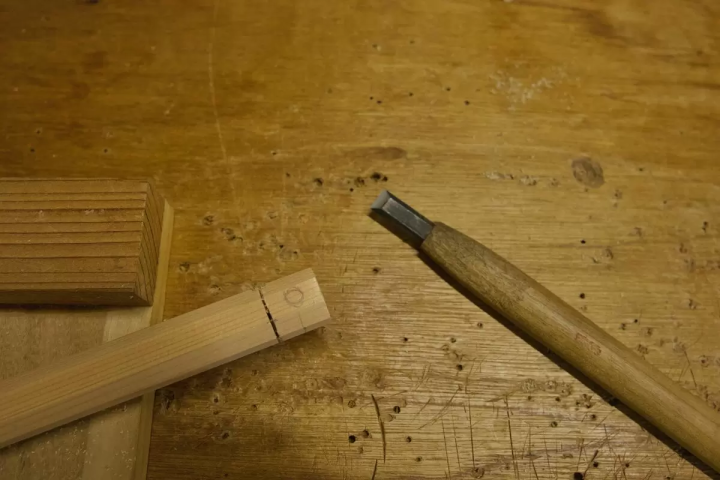
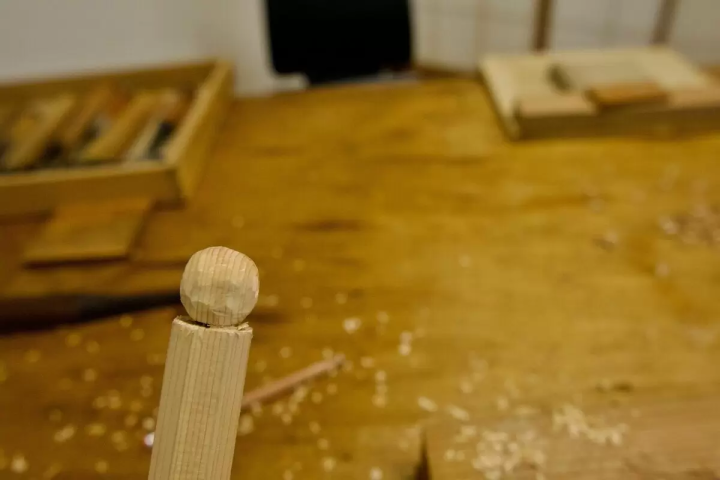
Counterintuitive to many beginners who expect to carve decorative motifs immediately, the initial lesson begins with the creation of a seemingly simple "sphere" from a hexagonal block of wood. This exercise is pedagogically deliberate. By systematically shaving down a multi-sided block into a perfectly symmetrical, smooth, and rounded volume, participants are forced to engage directly with the wood’s tactile feedback. Students learn how to interpret grain direction, modulate the applied angle and pressure of their carving knives, and incrementally refine their spatial awareness. Working slowly—removing micro-shavings over a span of thirty minutes rather than forcing large cuts—teaches the patience required to prevent structural splintering.
Tool Maintenance and Sharpening:
In the second tier of instruction, participants confront a core tenet of professional woodworking: tool care. Using a fine-grade whetstone, students learn how to restore dull carving irons to razor sharpness. Maintaining the correct blade angle and executing a smooth, fluid stroke across the wet stone demonstrates that a master’s capability is only as good as the maintenance of their instruments. A properly honed edge not only minimizes physical strain and prevents erratic slips, but it also yields the silky, clean cuts characteristic of master-level work.
Comparative Woodworking Methodologies:
For intermediate participants or those bringing outside experience to the bench—such as practitioners utilizing Western-style carving tools—the workshop functions as an intellectual exchange. Comparing Western push-and-mallet techniques against traditional Japanese pull-and-push chisel methods illuminates how divergent cultural traditions solved parallel engineering and artistic challenges.
Program Specifications and Fee Structures
To ensure accessibility while maintaining rigorous instructional standards, the Kumagawa-juku program offers two distinct pathways for participation:
Regular Sculpture Class (Ongoing Series):
Frequency: Held twice monthly at the craftsman’s primary workshop or a designated regional rental studio.
Fee: 2,500 JPY (tax included) per session.
Target Audience: Designed for repeat attendees; participants are generally expected to supply their own professional toolsets.
Single-Session Sculpture Class (Drop-In):
Fee: 5,000 JPY (tax included).
Inclusions: Full equipment and tool rental provided, allowing novices to participate entirely empty-handed.
Duration: Approximately 2 hours.
Capacity: Accommodates individual travelers or small private groups (starting from 1 participant).
Alternative Offering: Wooden Bread Plate Carving Experience:
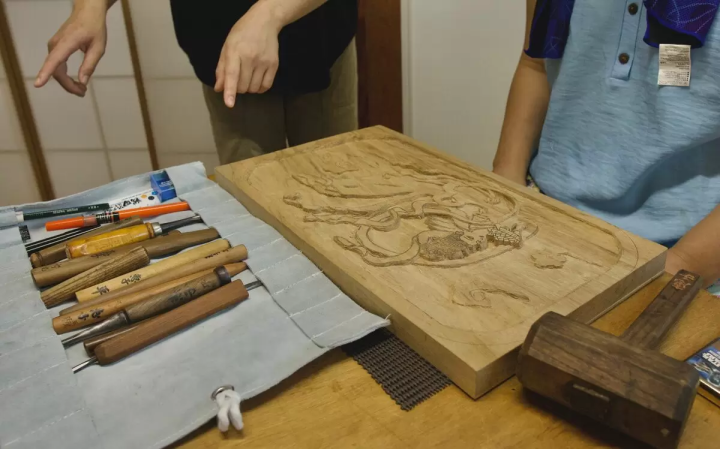
Details: A dedicated workshop where participants carve an 18 cm round or square wooden plate suited for domestic use. Attendees utilize specialized gouges to texture the surface, playing with natural grain patterns to create functional, one-of-a-kind tableware.
Schedule: Typically hosted from 13:30 to 15:30 (approx. 2 hours).
Fee: 6,000 JPY per person (tax included, inclusive of equipment rental).
Booking Platform: Reservations can be secured directly via official intake channels or partner portals such as Jalan.net.
Official Statements and Perspectives
Reflecting on the philosophy driving these immersive programs, master carver Yuichi Niino emphasizes the sensory dialogue that occurs between human hands and raw timber:
"Wood is not a static canvas; it is an organic medium that communicates with the carver through resistance, grain tension, and scent. When a student stops fighting the material and learns to listen to the grain, the tool becomes an extension of the hand. Our goal in Kumagawa-juku is not merely to produce an object, but to awaken a mindfulness of how things are built, maintained, and valued in an increasingly disposable world."
Brian Keith Eastlake, representing the Fukui Prefecture Regional Revitalization Cooperation Team, notes the broader socio-economic and cultural impact of embedding these masterclasses within a historic district:
"Kumagawa-juku offers an authentic atmosphere that cannot be replicated in a modern studio. When participants spend two hours intensely focused on micro-level adjustments—chiseling spheres or honing blades—and then step outside into the quiet, preserved corridors of the Saba Kaido, they experience a rare temporal continuity. This initiative proves that rural revitalization does not require modernization at the expense of heritage; rather, it thrives by inviting the world to actively participate in living traditions."
Future Outlook
As cultural tourism shifts increasingly toward experiential, skill-based travel, artisan communities across Japan face the dual challenge of economic sustainability and generational knowledge transfer. Programs like the Kumagawa-juku woodcarving workshops provide a sustainable blueprint for rural preservation. By transforming traditional workshops into open academies of shared craft, artisans like Yuichi Niino are securing a viable commercial audience while safeguarding techniques that risk fading into obscurity.
Looking ahead, local revitalization stakeholders plan to expand digital booking infrastructure, enhance multilingual support for international artisans and hobbyists, and foster deeper collaborations between regional vocational bodies and urban design institutes. For travelers seeking a profound, tactile connection to Japanese aesthetics—far beyond standard sightseeing—Kumagawa-juku stands as a testament to the enduring power of human craftsmanship, quiet patience, and the timeless art of shaping wood.











Belum ada komentar. Jadilah yang pertama berkomentar!