

Executive Overview
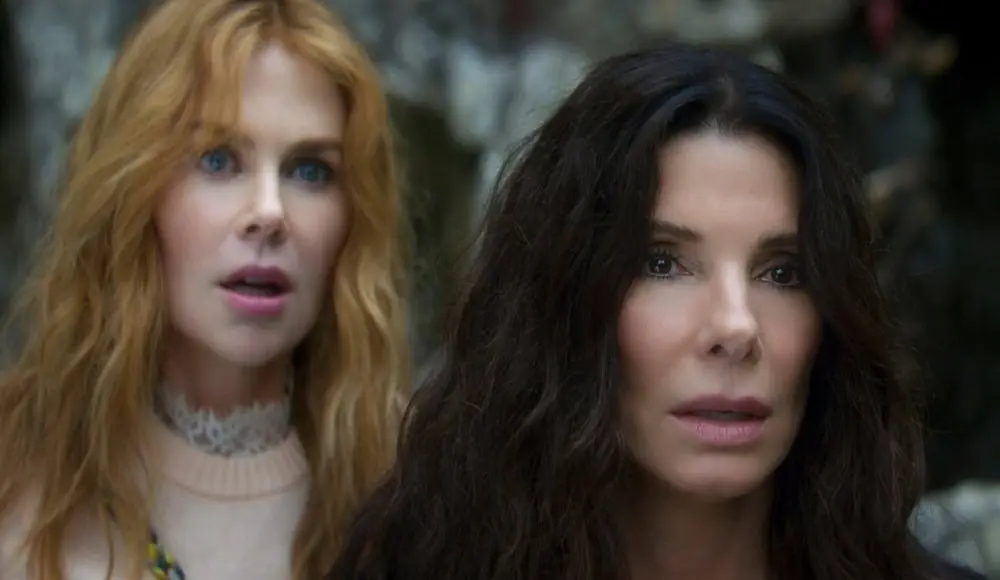
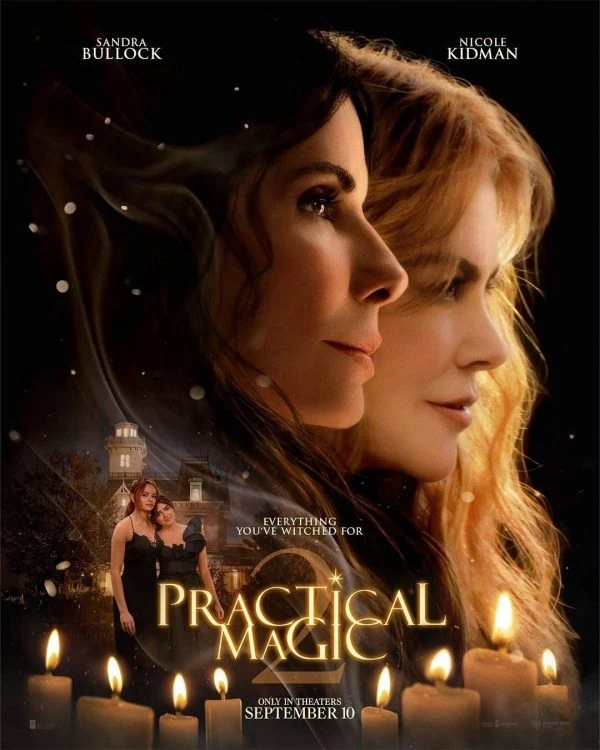
Nearly three decades after the initial cinematic adaptation of Alice Hoffman’s bewitching universe hit theaters, Warner Bros. has summoned the long-awaited sequel, Practical Magic 2 (2026). Directed by Susanne Bier, the feature film reunites Academy Award winners Sandra Bullock and Nicole Kidman as the iconic, star-crossed Owens sisters. They are joined by a formidable ensemble cast featuring Maisie Williams, Joey King, Lee Pace, Dianne Wiest, Stockard Channing, Solly McLeod, and Xolo Maridueña.
Based on Hoffman’s 2021 bestselling novel The Book of Magic, the sequel attempts to recapture the idiosyncratic, midnight-blue aesthetic that transformed the tonally uneven 1998 original into a beloved cult classic. However, as this deep-dive analysis explores, the transition from a grounded, atmospheric tale of sisterly survival to a sprawling, high-fantasy spectacle creates a distinct narrative fracture. While the film opens with a resonant, beautifully textured meditation on grief and familial legacy, it ultimately buckles under the weight of bloated lore, erratic character arcs, and an unearned shift toward blockbuster magical combat.
Detailed Chronology
The Setup: Re-entering the Owens Household
The narrative framework of Practical Magic 2 initiates with a bold, somewhat controversial creative choice. In its opening sequence, the script performs a narrative sleight-of-hand—akin to the abrupt course corrections seen in franchise histories like Alien 3—by deftly retconning the ambiguous, triumphant solidarity that concluded the 1998 film. The infamous centuries-old curse, dictating that any man who falls in love with an Owens woman is doomed to a tragic and untimely end, is reinstated as the primary structural engine of the plot.

Despite this familiar narrative anchor, the film’s first act is arguably its strongest. Evoking the introspective pacing of contemporary character dramas like Bridget Jones: Mad About the Boy, Bier grounds the early scenes in New England quietude. Bullock and Kidman slip effortlessly back into their respective roles as Sally and Gillian Owens, navigating the complexities of aging, loss, and community integration. This initial stretch succeeds because it prioritizes emotional resonance over CGI spectacles, treating grief not as a plot device, but as an ongoing, living tenant of the Owens bloodline.
The Escalation: Lore, Labyrinths, and Leaps in Scale
The film’s thematic cohesion begins to unravel approximately forty minutes in, as the localized charm of New England gives way to a sweeping, globe-trotting expedition reminiscent of the Fantastic Beasts franchise.
The immediate catalyst for this escalation is Kylie (Joey King), the daughter shielded from her magical heritage by her mother. When Kylie’s boyfriend, Gideon (played by Blue Beetle’s Xolo Maridueña), falls victim to a bizarre, fatally ironic bicycle accident that mirrors past family tragedies, the supernatural floodgates burst open. Rather than leaning into the intimate psychological fallout of this event, the film pivots rapidly toward high-stakes fantasy mechanics.
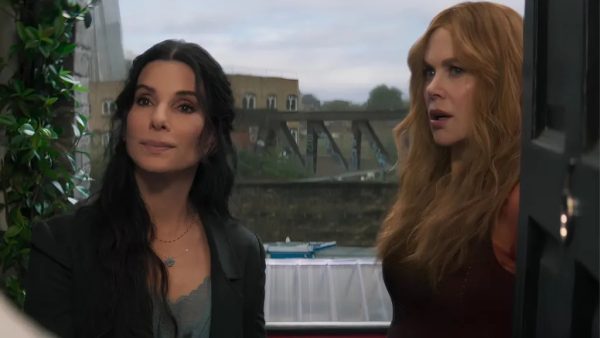
Viewers are suddenly subjected to duplicitous, Tom Riddle-esque antagonists, evocative train rides through the English countryside that feel structurally lifted from the Harry Potter playbook, and explosive stand-offs featuring duelling witches hurling beams of concentrated light. The addition of an occult historian, played with theatrical bravado by Lee Pace, introduces layers of heavy-handed exposition that ultimately distract from the core emotional dynamics that fans of the source material originally connected with.
The Resolution: A Coven Divided
As the narrative races toward its climax, the pacing stumbles under the weight of its own expansive mythology. While Bullock and King manage to carve out a few genuine, heartfelt exchanges that ground the supernatural stakes in authentic mother-daughter vulnerability, the rest of the ensemble is underserved by the screenplay’s frantic editorial choices.
Maisie Williams’ character is largely sidelined, confined to a static, single-room location while the rest of the cast embarks on their grand adventure. Meanwhile, Nicole Kidman’s Gillian leans heavily into comedic relief, delivering sharp one-liners with the cadence of a guest star on an eccentric sitcom, ultimately feeling untethered from the dramatic gravity of the film’s central curse. The result is a rushed, emotionally fragmented finale that resolves centuries of generational trauma with rapid-fire magical mechanics rather than earned psychological catharsis.

Supporting Context & Metrics
To understand the cultural and industrial footprint of Practical Magic 2, one must examine the trajectory of its 1998 predecessor.
- The 1998 Box Office Reality: Upon its release, Griffin Dunne’s original Practical Magic was widely categorized as a financial disappointment. Produced on a budget of approximately $75 million, the film grossed roughly $68.3 million globally, failing to recoup its production and marketing expenditures during its theatrical run.
- The Cult Revival: Despite its initial commercial stumble, home video sales, cable syndication, and streaming platforms steadily cultivated a passionate, highly engaged fanbase. The film’s distinct autumnal color palette, iconic soundtrack, and unapologetic celebration of female autonomy transformed it into an October staple.
- Literary Origins: Alice Hoffman expanded her literary universe decades after the initial publication of her 1995 novel. The Book of Magic (2021) served as the official literary conclusion to the Owens family saga, providing Warner Bros. with the blueprint necessary to greenlight a modern cinematic continuation.
- Production Scale: Unlike the modest, atmospheric sets of the original film—anchored primarily by the majestic San Juan Island Victorian home—Practical Magic 2 reflects contemporary studio tentpole aesthetics, boasting international location shoots, extensive digital effects pipelines, and a significantly elevated production budget.
Official Statements
While traditional promotional tours for studio sequels are meticulously managed, key creative voices have offered insight into the balancing act required to revive a dormant, beloved property for a modern audience.
Director Susanne Bier noted in early press statements regarding the tonal evolution of the sequel:

"When you revisit a story with this much history, you cannot simply press replay. The world has changed, the audience has changed, and these characters have lived decades of life off-screen. The challenge wasn’t just about honoring the nostalgia of the 1998 film; it was about finding the raw, contemporary truth in aging, motherhood, and how families break and heal generational cycles."
Producer involvement has likewise emphasized the importance of honoring Alice Hoffman’s expanded literary canon. Studio executives pointed to the deep bench of talent—bridging veteran Hollywood royalty with prominent Gen-Z stars like Maisie Williams and Joey King—as a deliberate strategy to capture both foundational devotees and a younger demographic drawn to contemporary fantasy narratives.
Future Outlook
The release of Practical Magic 2 marks a fascinating case study in modern intellectual property management. By resurrecting a cult classic via its later literary sequels, Warner Bros. has tapped into a growing industry appetite for nostalgic, female-led fantasy franchises.
However, the film’s mixed critical reception highlights a recurring pitfall in contemporary franchise expansion: the impulse to inflate intimate, character-driven premises into globally scaled, lore-heavy blockbusters. Whether Practical Magic 2 will spark a sustainable cinematic universe or remain a standalone curiosity depends heavily on its performance across global streaming and home entertainment markets.
For now, the film stands as a testament to the enduring allure of the Owens coven—flaws, magical overreach, and all. It is an ambitious, if occasionally unruly, cinematic potion that, much like the spells cast within its own narrative, delivers moments of transcendent brilliance balanced precariously against the chaotic side effects of its own ambition.





Belum ada komentar. Jadilah yang pertama berkomentar!