NAGOYA — For travelers navigating Japan’s bustling high-speed rail networks, JR Nagoya Station serves as a major nexus of modern commerce and transit. Yet, tucked away on the ninth floor of the JR Nagoya Takashimaya department store lies an oasis of tactile heritage and contemporary design. Here, the "Toki to Kurasu" (Time and Living) curation corner at the Hands Nagoya store has quietly established itself as an essential pilgrimage site for design enthusiasts, cultural purists, and international travelers searching for authentic, narrative-driven Japanese souvenirs.
Far from the mass-produced trinkets often found in tourist hubs, Toki to Kurasu represents a deliberate exercise in cultural preservation. Developed exclusively by the Hands Nagoya team, the space bridges the gap between generations of ancestral craftsmanship and the practical demands of modern urban living. Through a meticulous vetting process, store curators travel across Japan’s diverse prefectures to source tableware forged by generational artisans, folk toys steeped in regional folklore, and thoughtfully curated food products that celebrate the changing seasons.
As the retail landscape increasingly leans toward homogenization, Toki to Kurasu offers a compelling counter-narrative: an invitation to slow down, touch the grain of hand-spun textiles, and bring the stories of Japan’s regional makers directly into the domestic sphere.
Executive Overview: A Sanctuary of Slow Living in Japan’s Industrial Heart
The concept underpinning Toki to Kurasu is deceptively simple yet culturally profound: items chosen not merely for their aesthetic appeal, but for their ability to enrich daily rituals. Operating within the sprawling multi-floor ecosystem of Hands Nagoya—which occupies the 5th through 11th floors of JR Nagoya Takashimaya—this specialized zone functions as a curated gallery where every artifact carries a distinct geographical and historical pedigree.
The curated offerings range from avant-garde reinterpretations of traditional garments to delicate glassware that captures the optical play of natural light. Rather than treating Japanese crafts as museum relics meant to be kept behind glass, the curators at Hands Nagoya emphasize utility. These are pieces designed to be used, worn, and integrated into the rhythms of everyday life.
For international visitors and domestic shoppers alike, the corner provides a streamlined, highly sophisticated entry point into the sprawling world of Japanese regional crafts (kogei). By consolidating items from remote weaving villages, historic glass-blowing studios, and multigenerational ceramic kilns into a single accessible location in central Nagoya, the store eliminates the logistical barriers of regional travel while retaining the authenticity of the source.
Detailed Chronology: A Season of Masterworks and Special Exhibitions
The current curation strategy at Toki to Kurasu relies heavily on dynamic, rotating showcases that spotlight specific regional traditions. This autumn, the exhibition calendar features a carefully orchestrated sequence of pop-up events and brand showcases running from September through October 2026, offering visitors a deep dive into textiles, folk art, and functional design.
The Evolution of Comfort: From Innovative Knitwear to Kurume Monpe
The exhibition calendar kicks off with a strong focus on textile innovations that redefine traditional Japanese apparel for contemporary comfort.
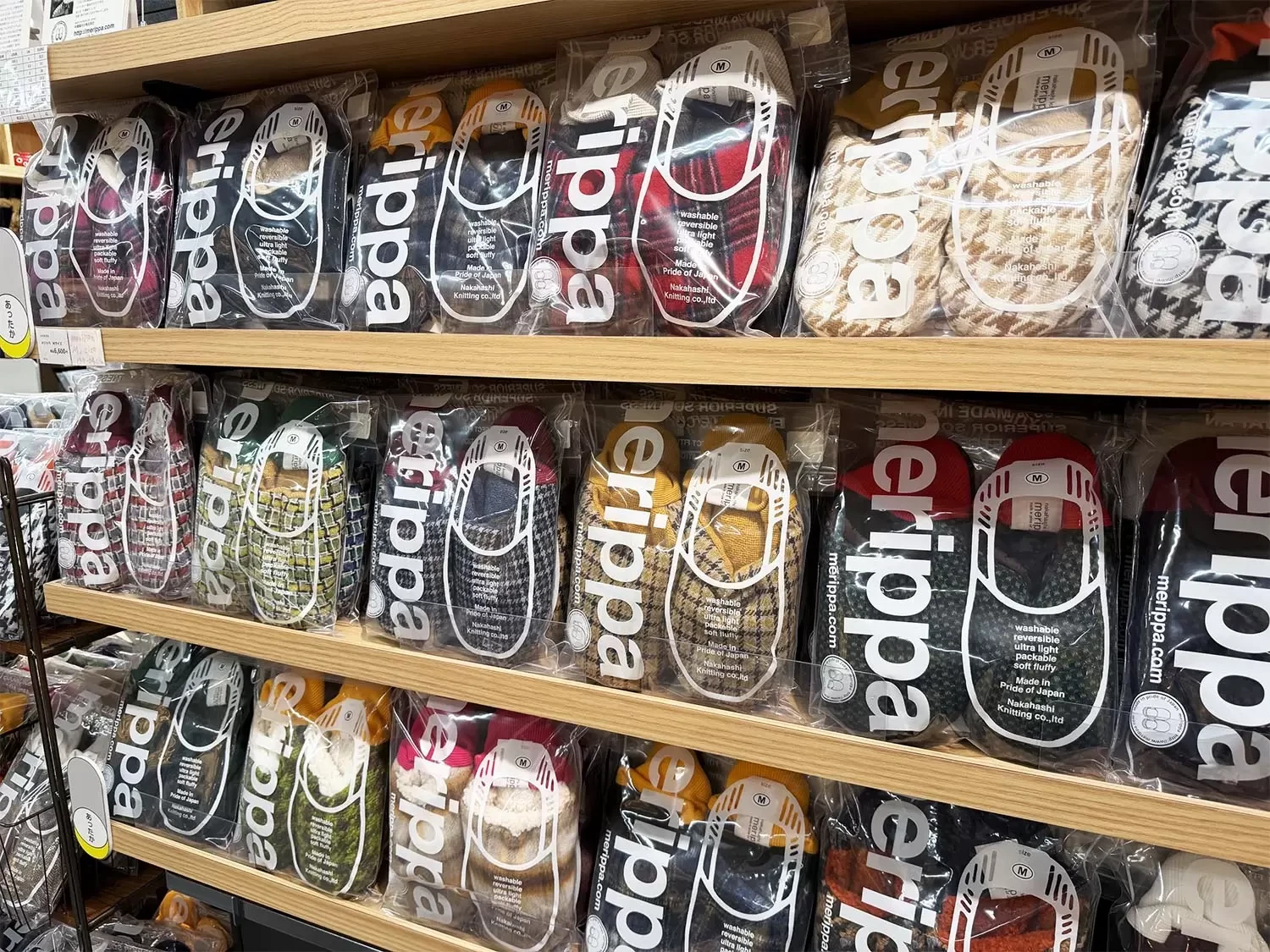
Merippa by Nakahashi Knitwear Co., Ltd. (Priced at ¥6,600 tax included): Merging the effortless slip-on convenience of traditional house slippers with the cozy, conforming fit of premium socks, these room shoes represent a masterclass in modern textile engineering. Extremely lightweight, soft to the touch, and fully machine-washable, Merippa footwear has gained a following for its expansive color palette and ergonomic adaptability.
The Kurume Monpe Relays (September 17 – October 18, 2026): Few traditional garments evoke as much loyalty as monpe—traditional Japanese work pants originating from the Chikugo region of Fukuoka Prefecture. Long championed by those who wear them with the phrase, "Once you put them on, you can’t take them off," modern monpe have undergone a quiet renaissance. Hands Nagoya is hosting a two-part relay exhibition highlighting brands that breathe new life into this heritage silhouette.
Marugame Kasuri Textile (Exhibition: Sept 17 – Sept 30, 2026): Operating for approximately 150 years across five generations since its founding in 1868 (Meiji 1), Marugame Kasuri is a cornerstone of Kurume weaving. Following a devastating factory fire in 2013 that destroyed their historic looms, the company rebuilt with an unwavering commitment to handcrafted integrity. Managing every step of production—from raw yarn dyeing to intricate ikat weaving and final garment assembly—they produce textiles whose patterns converse seamlessly with modern aesthetics.
Unagi no Nedoko (Exhibition: Oct 2 – Oct 18, 2026): Operating on the philosophy that “monpe can still be worn today,” the cultural preservation group Unagi no Nedoko works to protect local landscapes and craft techniques. Drawing a parallel to how American denim evolved from rugged miner workwear into a global fashion staple, Unagi no Nedoko champions the transformation of agricultural work pants into sophisticated, everyday apparel.
Footwear and Craft: The Artistry of "hacu" Socks
hacu Exhibition (September 19 – October 12, 2026): Hailing from Konan City in Aichi Prefecture, the sock brand hacu was born in 2006 out of a long-established local manufacturer specializing in school and athletic hosiery. Leveraging decades of industrial expertise, hacu’s artisans meticulously craft each pair in local factories, prioritizing exceptional skin-contact comfort, understated elegance, and long-lasting durability.
Supporting Context & Metrics: Artisanal Masterpieces on Display
Beyond textiles, the Toki to Kurasu permanent and semi-permanent collection features an array of objects that showcase the pinnacle of Japanese material culture. Each item is accompanied by a transparent breakdown of its provenance, pricing, and cultural significance.
1. Fuku Daruma (Mame Daruma) by Endo Sho Shoten
Price: ¥550 each (tax included)
Context: Handcrafted miniature Daruma dolls originating from traditions like the 200-year-old Shirakawa Daruma lineage. These papier-mâché folk art pieces are deeply embedded in Japanese symbolism. The collection at Hands Nagoya embraces the traditional color-coding system associated with goal-setting and protection:
Red: Family safety and victory in endeavors
White: Academic success and passing examinations
Yellow: Financial prosperity and increased wealth
Green: Personal health and longevity
Blue: Professional advancement and career growth
Black: Business prosperity and commercial stability
2. Mount Fuji Rock Glass by Tajima Glass
Price: Standard Rock Glass: ¥5,500 (tax included) | Cherry Blossom Edition: ¥7,150 (tax included)
Context: Crafted in Edogawa Ward, Tokyo, by the artisans of Tajima Glass, these heavy-bottomed tumblers feature a meticulous sand-blasted sculpture of Mount Fuji rising from the base. The optical brilliance of the design causes the liquid poured inside to reflect against the snow-capped peak, dynamically shifting the mountain’s color palette with every sip of whiskey, water, or tea.
3. BARBAR Choju-Giga Soba Cups by Maruhiro
Price: ¥1,650 each (tax included)
Context: Developed by Maruhiro Co., Ltd., a renowned ceramics producer in Hasami Town, Nagasaki Prefecture, under their contemporary BARBAR brand. These ceramic soba cups and tableware pieces feature selected vignettes from the legendary Choju-jinbutsu-giga (Scrolls of Frolicking Animals and Humans), widely regarded as the historical stylistic ancestor of modern Japanese manga.
Official Perspectives and Retail Strategy
The integration of Toki to Kurasu within the wider framework of Hands Nagoya reflects a broader institutional strategy to elevate department store retail into an immersive cultural experience. According to store representatives, the initiative was designed to counter the anonymity of globalized commerce by centering human stories, regional resilience, and generational skill sets.
"When consumers purchase an item from Toki to Kurasu, they are acquiring more than a functional object," notes a spokesperson for the Nagoya curation team. "They are holding the history of a family-run kiln in Nagasaki, the resilience of a textile mill in Fukuoka that survived total devastation, or the quiet dedication of a sock-maker in Aichi. Our goal is to make those human connections tangible for anyone walking through our doors."
To assist international visitors navigating the multi-level layout of the store, Hands Nagoya has deployed a comprehensive wayfinding system. Specially marked POP displays guide shoppers across the 5th through 11th floors, highlighting curated Japanese souvenirs on each level. This architectural integration ensures that visitors hunting for cosmetics, kitchenware, or seasonal novelties can easily discover localized treasures embedded throughout the store’s vast inventory.
Future Outlook: Sustaining Regional Traditions in a Globalized Market
As global interest in authentic travel experiences continues to surge, spaces like Toki to Kurasu play a vital economic and cultural role in sustaining Japan’s endangered artisanal industries. By providing high-visibility retail platforms in major metropolitan transit hubs like JR Nagoya Station, regional makers gain direct access to an international audience without sacrificing their commitment to slow, localized production methods.
Looking ahead, Hands Nagoya plans to expand its rotational exhibition schedule, introducing new regional partnerships that highlight lesser-known craft communities across Honshu, Shikoku, Kyushu, and Hokkaido. For travelers passing through Nagoya, the message is clear: whether seeking a pair of machine-washable room shoes, a glass that captures the shadow of Mount Fuji, or historical animal caricatures rendered in Hasami porcelain, the ninth floor of JR Nagoya Takashimaya remains an indispensable portal into the living soul of Japanese craftsmanship.
Quick Visitor Information
Destination: Hands Nagoya Store ("Toki to Kurasu" Corner, 9th Floor)
Address: JR Nagoya Takashimaya, 1-1-4 Meieki, Nakamura-ku, Nagoya City, Aichi Prefecture 450-6003


![[Hands Nagoya Store] Special items you can buy at the 'Toki Tokuras' corner on the 9th floor](https://resources.matcha-jp.com/resize/720x2000/2026/09/17-271006.webp)
![[Hands Nagoya Store] Special items you can buy at the 'Toki Tokuras' corner on the 9th floor](https://resources.matcha-jp.com/resize/720x2000/2026/09/13-270775.webp)
![[Hands Nagoya Store] Special items you can buy at the 'Toki Tokuras' corner on the 9th floor](https://resources.matcha-jp.com/resize/720x2000/2026/09/13-270765.webp)
![[Hands Nagoya Store] Special items you can buy at the 'Toki Tokuras' corner on the 9th floor](https://resources.matcha-jp.com/resize/720x2000/2026/09/13-270766.webp)
![[Hands Nagoya Store] Special items you can buy at the 'Toki Tokuras' corner on the 9th floor](https://resources.matcha-jp.com/resize/720x2000/2026/09/16-270958.webp)
![[Hands Nagoya Store] Special items you can buy at the 'Toki Tokuras' corner on the 9th floor](https://resources.matcha-jp.com/resize/720x2000/2026/09/17-271007.webp)
![[Hands Nagoya Store] Special items you can buy at the 'Toki Tokuras' corner on the 9th floor](https://resources.matcha-jp.com/resize/720x2000/2026/09/13-270771.webp)
![[Hands Nagoya Store] Special items you can buy at the 'Toki Tokuras' corner on the 9th floor](https://resources.matcha-jp.com/resize/720x2000/2026/09/13-270772.webp)
![[Hands Nagoya Store] Special items you can buy at the 'Toki Tokuras' corner on the 9th floor](https://resources.matcha-jp.com/resize/720x2000/2026/09/13-270773.webp)
![[Hands Nagoya Store] Special items you can buy at the 'Toki Tokuras' corner on the 9th floor](https://resources.matcha-jp.com/resize/720x2000/2026/09/13-270776.webp)
![[Hands Nagoya Store] Special items you can buy at the 'Toki Tokuras' corner on the 9th floor](https://resources.matcha-jp.com/resize/720x2000/2026/09/14-270841.webp)
![[Hands Nagoya Store] Special items you can buy at the 'Toki Tokuras' corner on the 9th floor](https://resources.matcha-jp.com/resize/720x2000/2026/09/13-270777.webp)
![[Hands Nagoya Store] Special items you can buy at the 'Toki Tokuras' corner on the 9th floor](https://resources.matcha-jp.com/resize/720x2000/2026/09/14-270831.webp)






Belum ada komentar. Jadilah yang pertama berkomentar!