The intersection of contemporary imaging, digital computation, and modern photographic art is currently the subject of rigorous exploration in Tokyo. Beginning January 17, 2027, the Tokyo Photographic Art Museum will host "Top Collection Vol. 23", a landmark exhibition situated on the third floor of its primary galleries. Curated under the thematic umbrella “Is Seeing Believing? — New Directions in Photography Vol. 23,” this exhibition marks a critical juncture in the 25-year history of the museum’s ongoing "Top Collection" series.
Since its inception in 2002, the Top Collection series has served as an institutional bellwether, tracking the shifting paradigms of photographic practice. In its 23rd iteration, the exhibition moves past traditional documentary boundaries to examine how the proliferation of digital manipulation, automated image generation, and artificial intelligence (AI) has fundamentally altered our relationship with truth. By showcasing works that interrogate the boundaries between human intent and automated production, the museum offers a timely critique of the contemporary visual landscape.
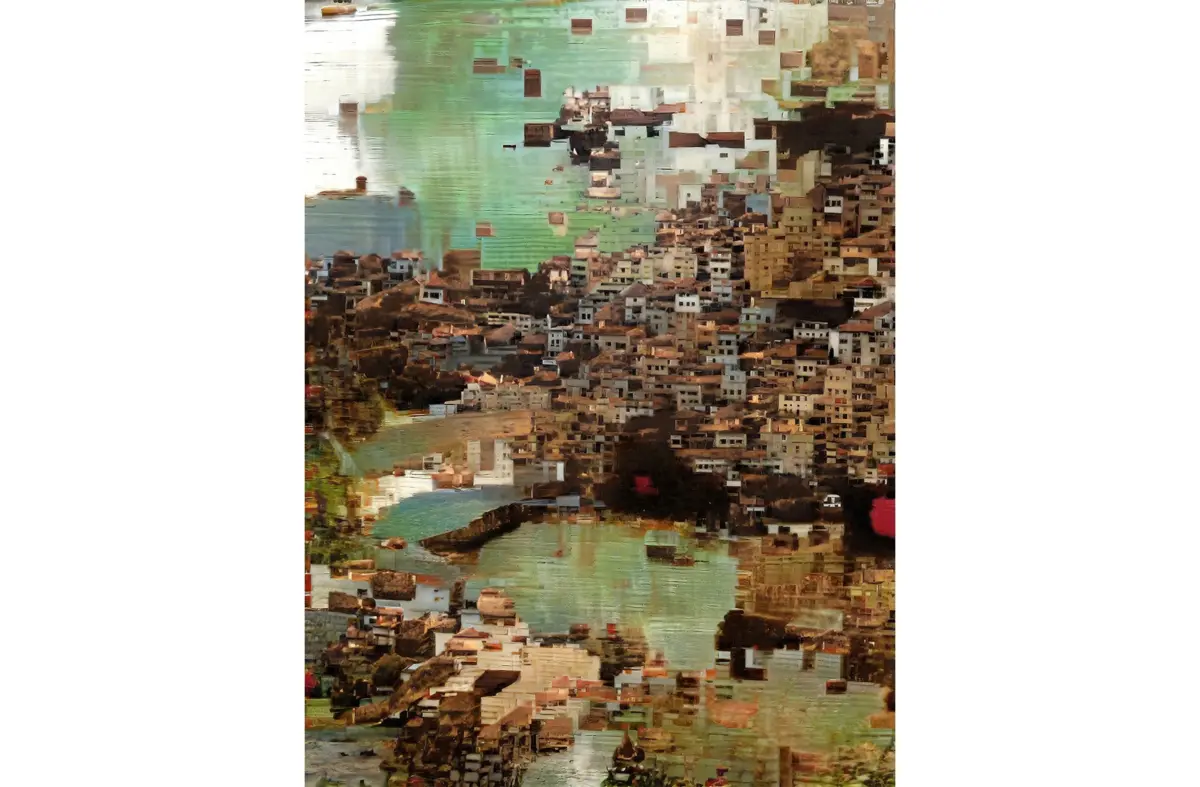
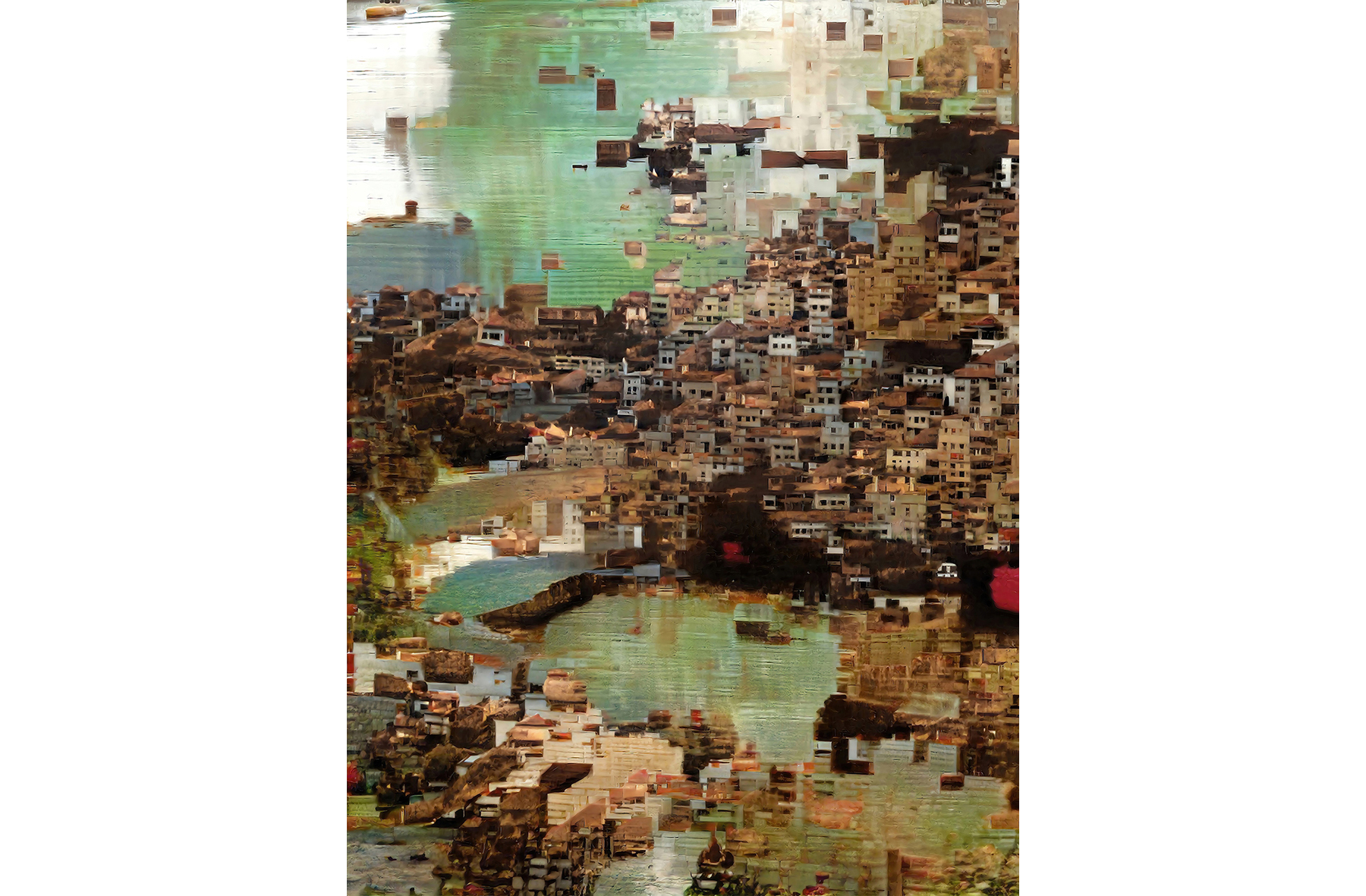
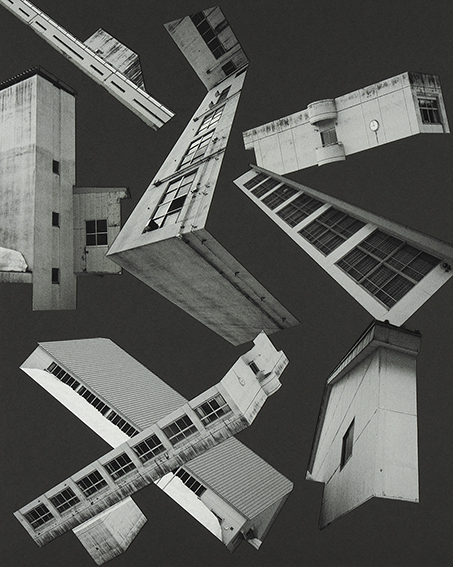
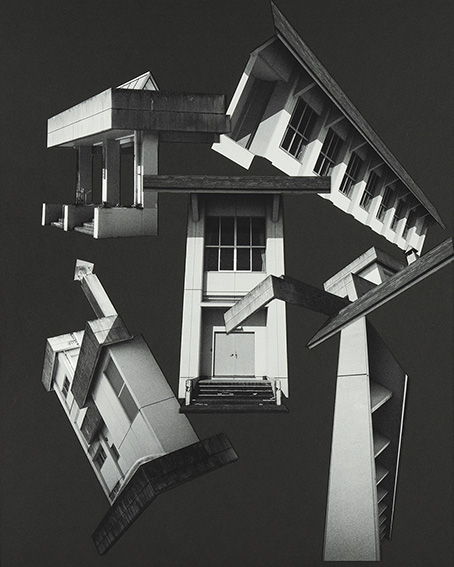
The exhibition features contributions from four distinct artistic positions: Sayuri Ichida, Zai Nomura, Baku Hashimoto, and Asako Fujikura. Through a combination of 3D computer graphics (3D CG), custom AI algorithms, and physical-digital hybrid installations, these practitioners invite viewers to question the stability of the photographic medium in an era where seeing can no longer be equated with believing.
Detailed Chronology and Featured Artistic Frameworks
The exhibition is systematically divided into distinct thematic sectors, each highlighting a specific facet of digital transformation in modern imaging. The roster of featured creators explores the erosion of the indexical sign—the traditional link between a photograph and physical reality—through divergent conceptual approaches.
1. Sayuri Ichida: Automated Gaze and the Algorithmic Subject
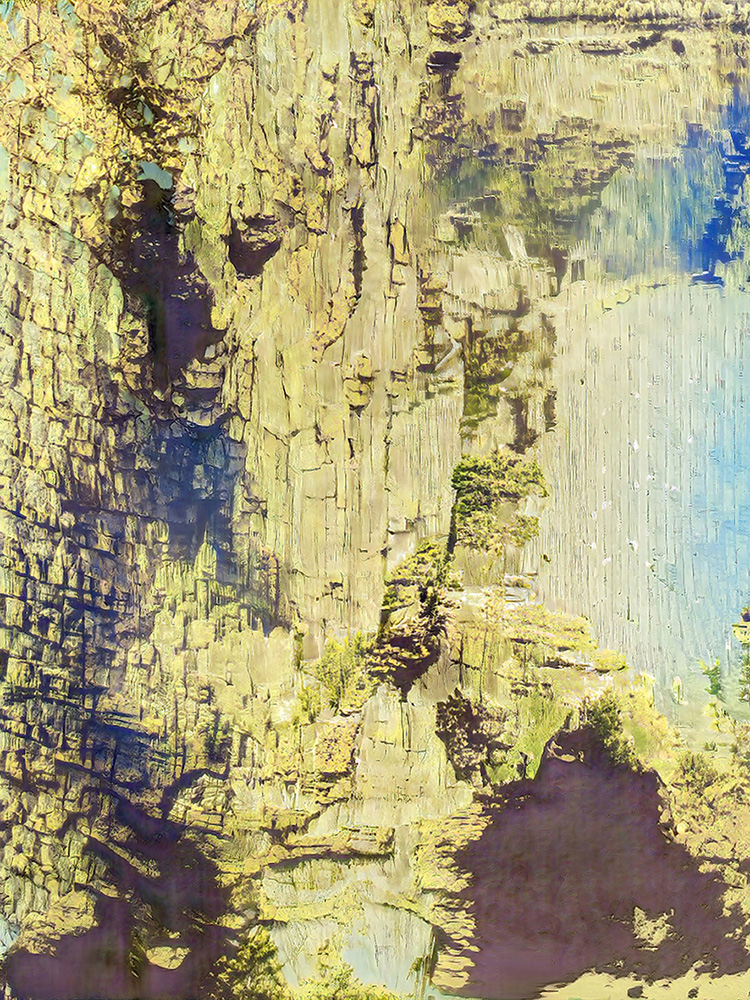
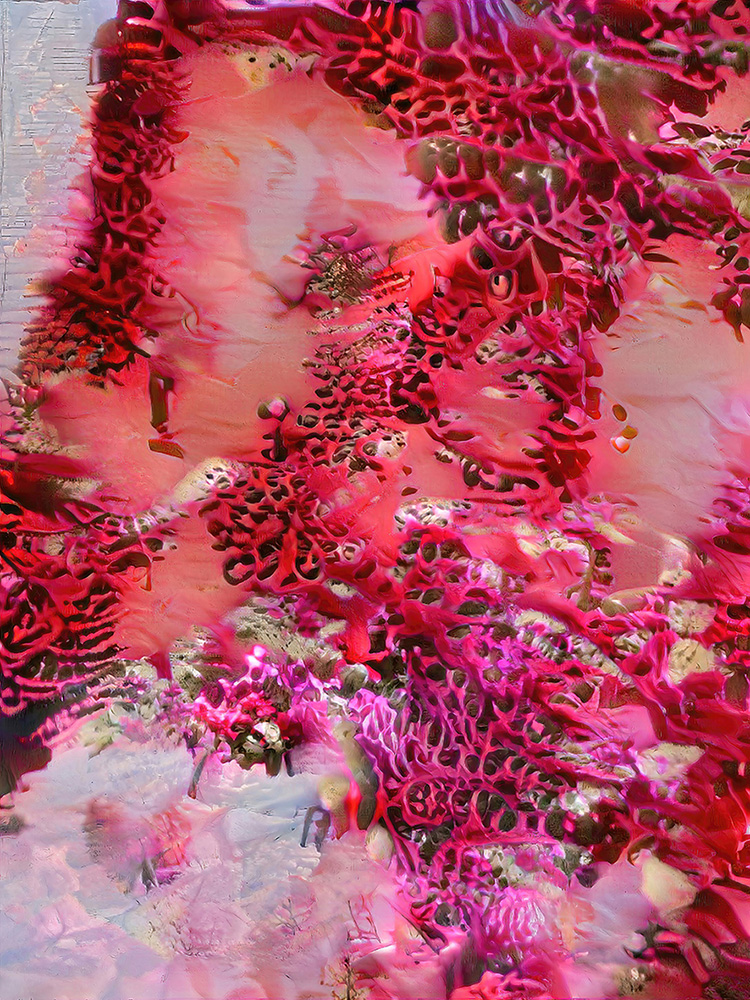
Sayuri Ichida’s works, including selections from the KÅseki series (2025), investigate the implications of machine vision and automated curation. Originally commissioned through the Jerwood/Photoworks Awards—supported by the Jerwood Foundation, Photoworks, and Arts Council England—Ichida’s practice addresses the psychological and structural frameworks of algorithmic observation.
By employing machine learning models to interpret and reorganize vast archives of imagery, Ichida challenges the hierarchy between human creator and machine observer. Her work forces viewers to confront the unsettling reality of an autonomous gaze: an eye that records, selects, and synthesizes without human intervention. This challenges the foundational premise that photography is an inherently human medium governed by personal perspective.
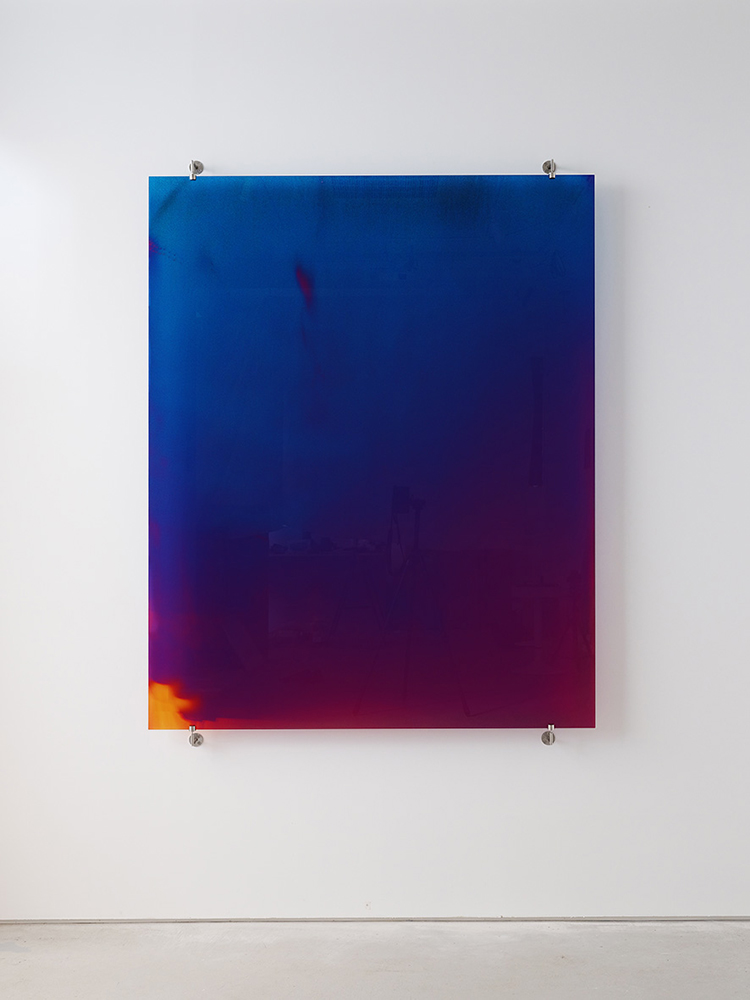
2. Zai Nomura: The Metamorphosis of the UV-Ink Print
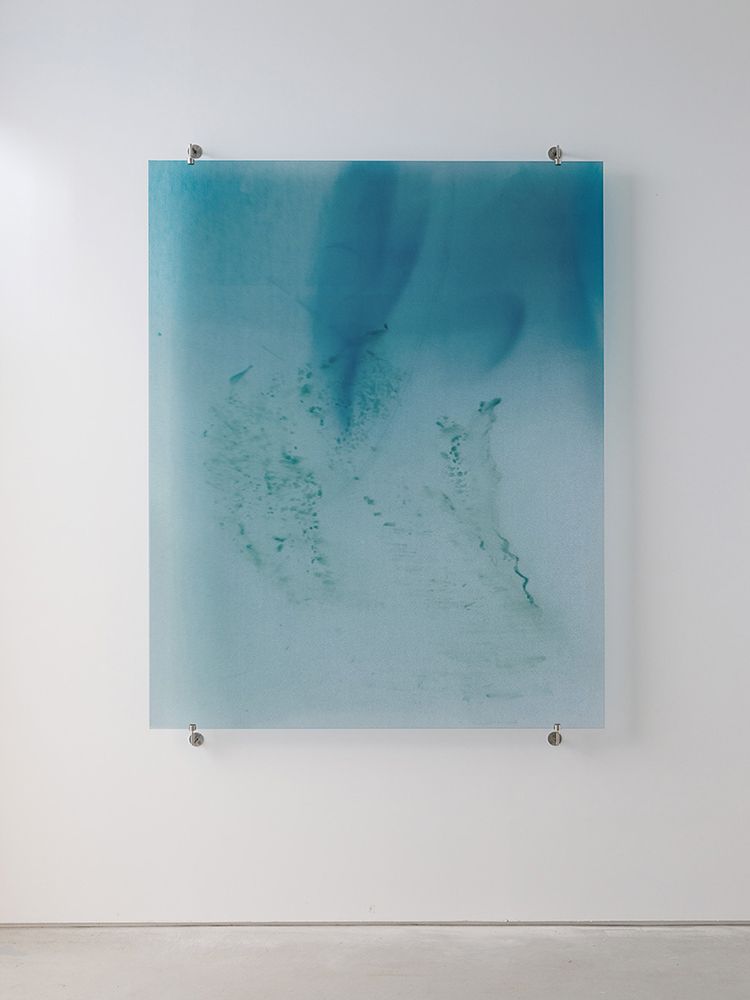
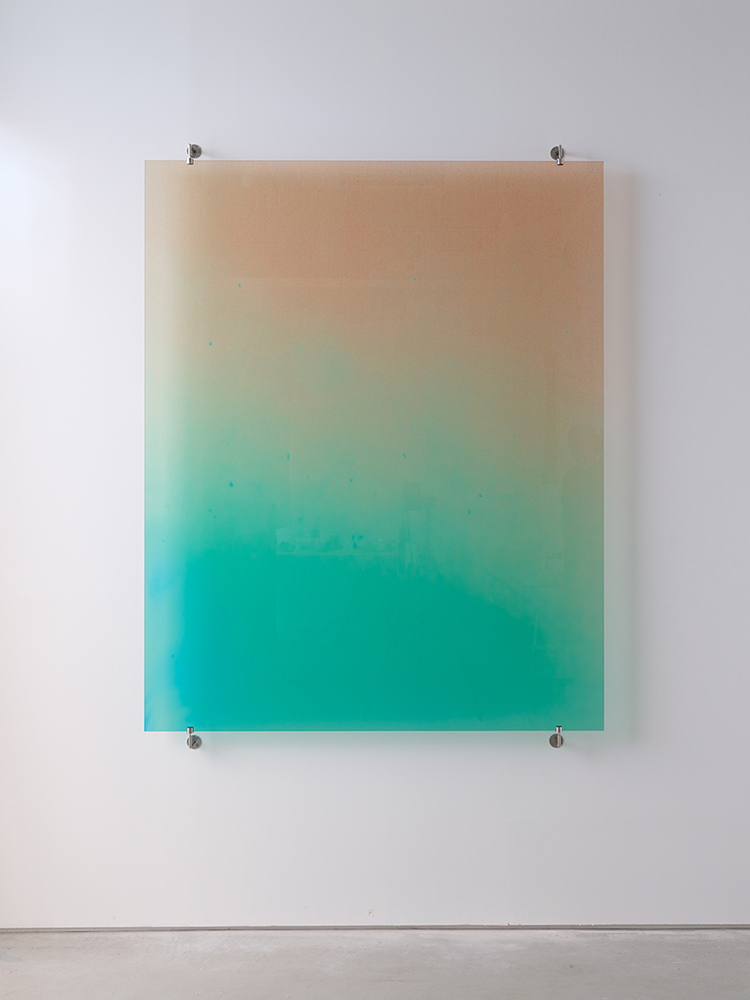
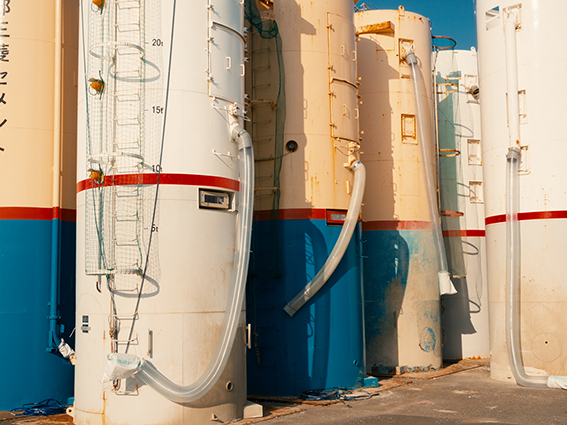
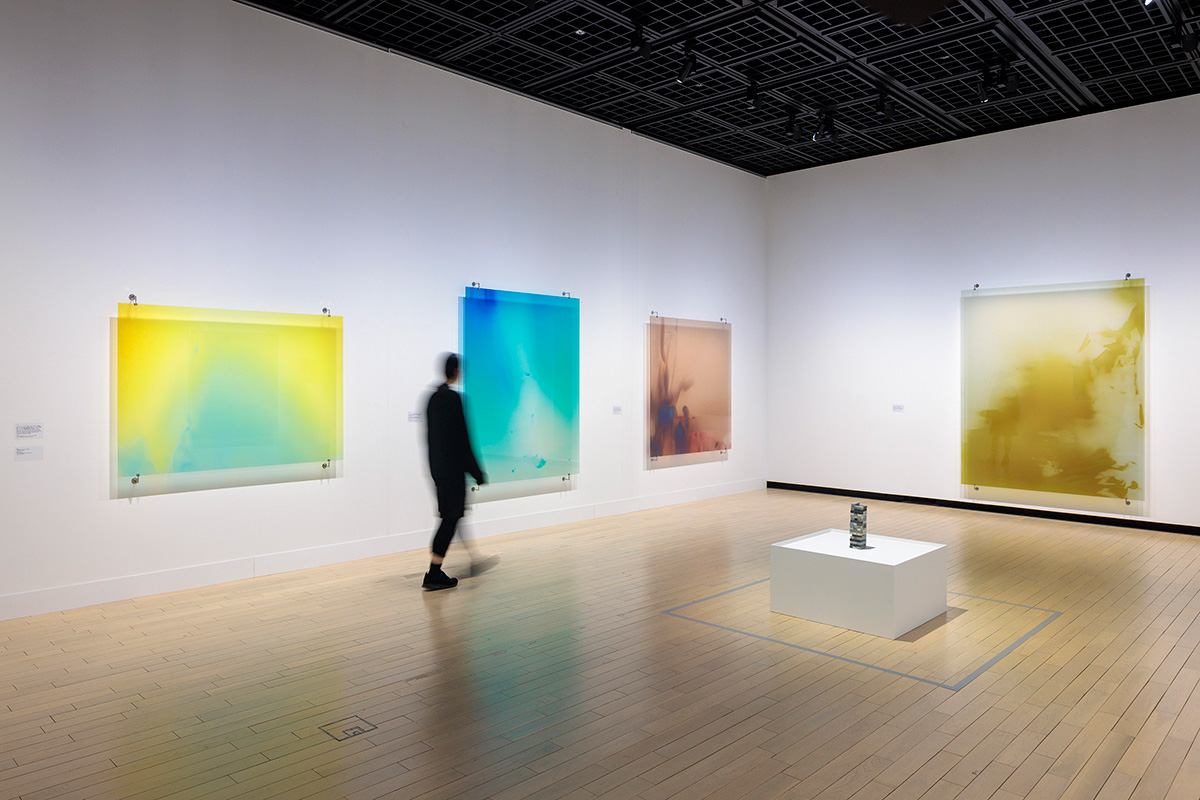
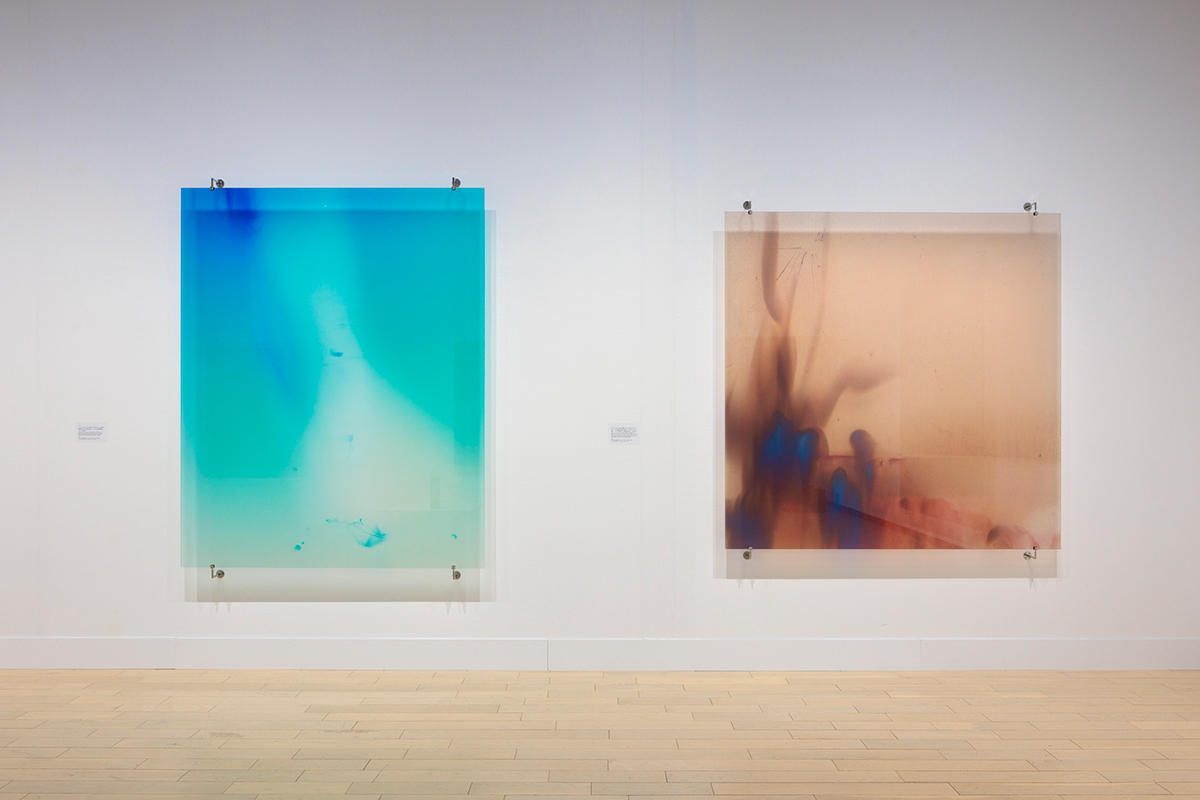
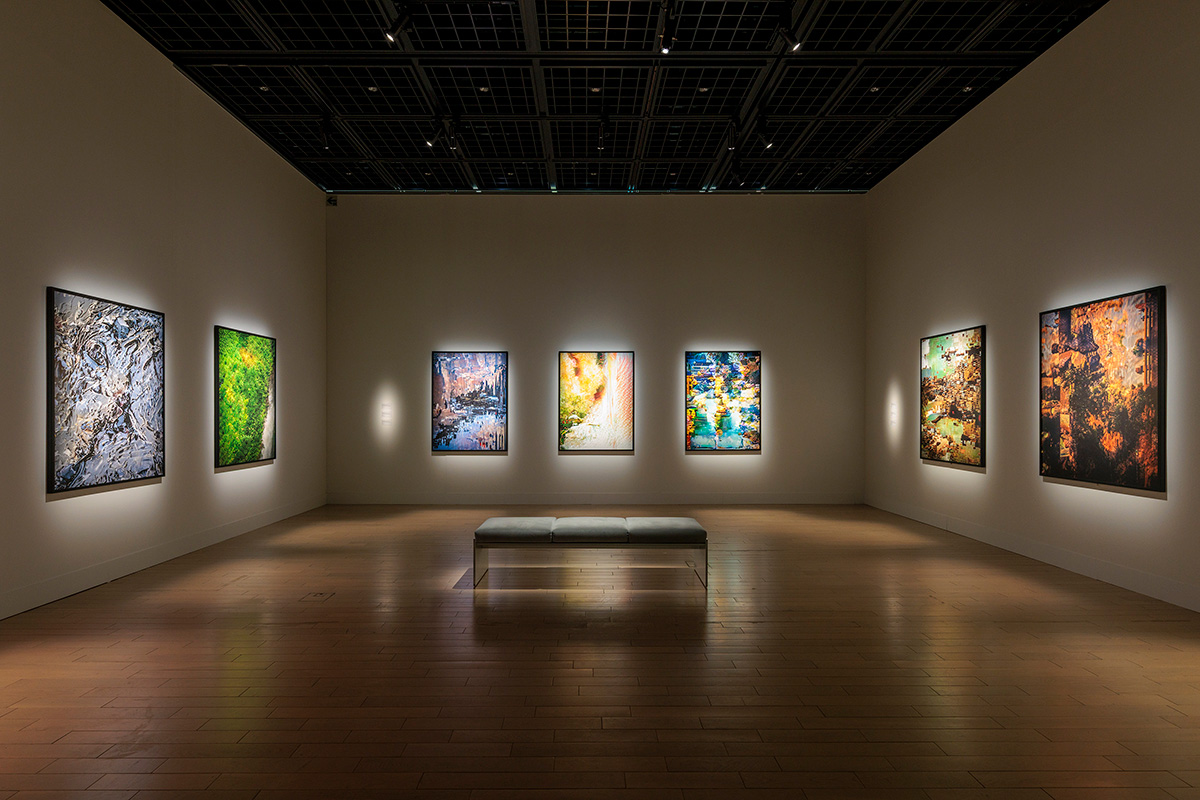
Working with UV-curated inkjet prints and complex assemblages, Zai Nomura bridges the gap between historical photographic techniques and hyper-modern digital output. Nomura’s pieces—such as works from the Photogram and Ultraviolet Inkjet Print series dating from 1981 to 2026—explore memory, materiality, and the stratification of light.
Nomura’s approach emphasizes the tactile nature of the image surface. While digital imagery is often dismissed as ephemeral and weightless, Nomura’s physical prints reassert the weight of matter. By embedding digital artifacts into physical substrates, the artist bridges the analog past with a heavily mediated present, creating a dialogue between historical photographic traditions and contemporary digital printing technologies.
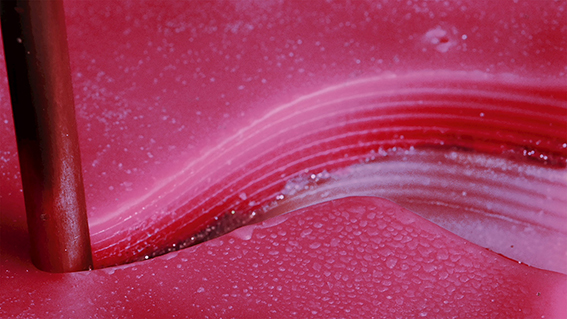
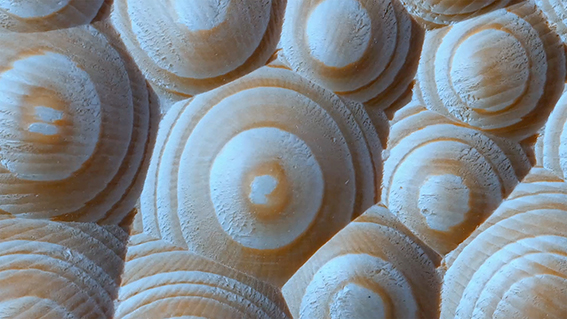
3. Baku Hashimoto: Milling Stop-Motion and Procedural Space
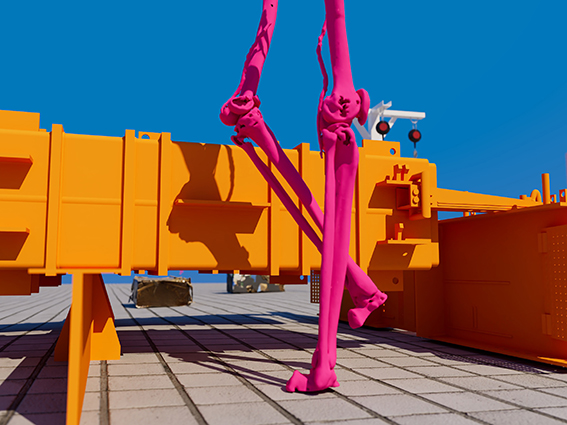
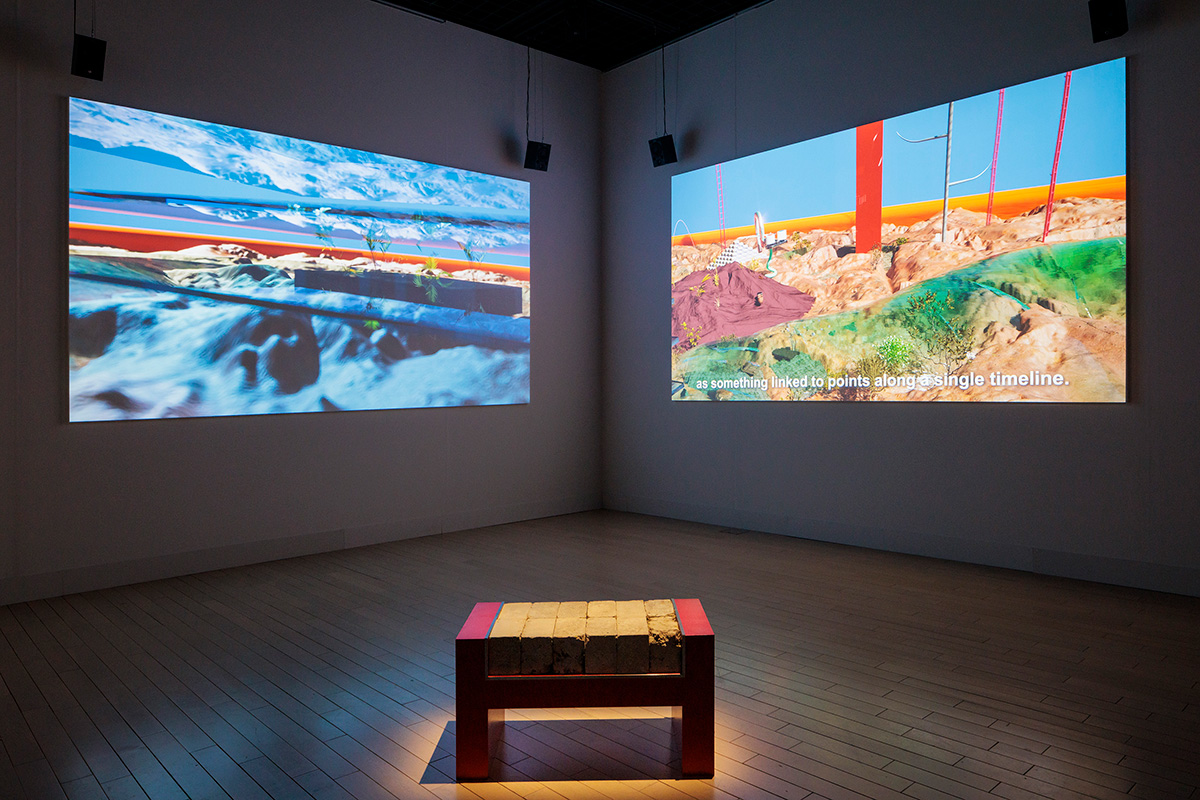
Baku Hashimoto’s installation, Milling Stop-Motion (tentative title) (2024–), introduces temporal and spatial distortions through advanced 3D computer graphics and computational rendering. Hashimoto deconstructs traditional stop-motion animation, replacing physical puppets and sets with algorithmic simulations that mimic physical friction, gravity, and material degradation.
The resulting works occupy a liminal space between cinema and sculpture. By utilizing procedural generation, Hashimoto questions whether an animated sequence requires physical movement to carry emotional weight. The computational rendering mimics the physical world so precisely that it induces a sense of cognitive dissonance in the viewer, perfectly aligning with the overarching theme of the exhibition.
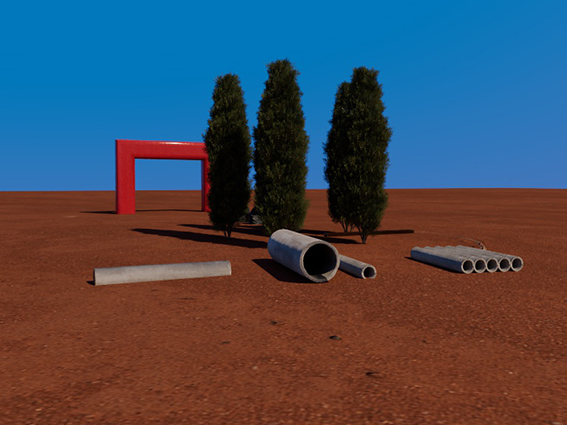
4. Asako Fujikura: Topographies of Virtual Cities
Rounding out the exhibition is Asako Fujikura’s 4 Tales of Open Sunrise City (tentative title) (2026), a sweeping exploration of digital cartography and speculative urban design. Fujikura utilizes 3D computer graphics and game engine environments to construct architectural spaces that defy real-world physics.
These virtual landscapes—rendered with photorealistic precision—depict cities that do not exist, yet evoke a chilling familiarity. Fujikura’s work examines how urban spaces are increasingly conceptualized, marketed, and experienced through digital models before they ever manifest in concrete and steel. By presenting these speculative geographies, Fujikura encourages audiences to reflect on the psychological impact of living in an increasingly synthetic built environment.
Supporting Context & Metrics
The production and exhibition of "Top Collection Vol. 23" reflect the institutional scale and meticulous planning characteristic of the Tokyo Photographic Art Museum. Below is an overview of the logistical parameters, schedule, and structural metrics associated with the event:
Exhibition Top Collection Vol. 23: Is Seeing Believing? — New Directions in Photography Vol. 23
Venue: Tokyo Photographic Art Museum, 3rd Floor Galleries
Exhibition Duration: January 17, 2027 – (with preceding preview events spanning late 2026)
Featured Artists: Sayuri Ichida, Zai Nomura, Baku Hashimoto, Asako Fujikura
Institutional Support & Commissioning Bodies: Jerwood Foundation, Photoworks, Arts Council England (for specific international commissions)
Gallery Capacity & Setup: The third-floor exhibition space accommodates approximately 190 concurrent visitors under standard operating guidelines, ensuring an uncrowded environment optimized for contemplative engagement with digital installations.
Related Public Programs & Workshop Schedule
To accompany the physical exhibition, the museum has organized an extensive series of public lectures, artist-led workshops, and symposiums designed to unpack the technical and philosophical implications of the artworks:
October 18, 2026 (14:00 – 15:30): Opening Symposium – AI and Photographic Expression featuring collaborative panels with media theorists and computer graphics specialists.
November 1, 2026 (14:00 – 15:30): Artist Talk Session featuring Sayuri Ichida in conversation with contemporary photography critics.
December 13, 2026 (14:00 – 15:30): Curator-Led Walkthrough featuring Asako Fujikura discussing virtual space construction.
January 10, 2027 (14:00 – 15:30): Closing Symposia – The Future of the Indexical Sign featuring roundtable discussions on copyright law, AI generation, and ethics in contemporary curation.
Official Statements and Curatorial Vision
The curatorial team behind "Top Collection Vol. 23" has emphasized that the exhibition is not merely a showcase of new technologies, but a critical investigation into human perception. In an official curatorial statement released by the museum, the organizers noted:
"We live in an era where the camera no longer serves as an impartial witness to reality. From generative AI to sophisticated 3D modeling, the tools of image production have evolved to fabricate realities that are indistinguishable from empirical truth. ‘Top Collection Vol. 23’ asks a fundamental question: When the indexical link between the photograph and the physical world is severed, what anchors our understanding of truth? The artists featured in this exhibition do not simply utilize these technologies; they deconstruct them, forcing us to re-evaluate the foundational myths of the photographic medium."
Furthermore, the integration of works commissioned through international bodies such as the Jerwood/Photoworks Awards highlights the global scope of this inquiry. The dialogue between Japanese artists like Nomura and Fujikura and international contributors like Ichida creates a multifaceted discourse that transcends regional boundaries, addressing a universal anxiety regarding digital deception.
Future Outlook: The Evolution of Photographic Truth
As "Top Collection Vol. 23" opens its doors in early 2027, its implications extend far beyond the white walls of the Tokyo Photographic Art Museum. The exhibition serves as a cultural milestone, documenting a pivotal historical transition. As generative models and synthetic media continue to saturate commercial and artistic spheres, institutions are tasked with providing frameworks for critical visual literacy.
The works of Ichida, Nomura, Hashimoto, and Fujikura demonstrate that the future of photography lies not in the uncritical capture of light, but in the self-aware navigation of constructed realities. By laying bare the mechanics of digital fabrication, the exhibition empowers viewers to become active participants in deciphering the visual world.
Ultimately, "Top Collection Vol. 23" challenges us to abandon naive assumptions about authenticity. In doing so, it opens up a vital space for contemplation, proving that even as the definition of the photograph fractures, the human desire to interrogate truth through imagery remains as urgent as ever.









Belum ada komentar. Jadilah yang pertama berkomentar!