

Executive Overview
Okinawa Prefecture, Japan’s southernmost tropical paradise, is widely celebrated for its turquoise waters, pristine white-sand beaches, and relaxed island atmosphere. Yet, beneath its modern resort veneer lies a deep, multifaceted cultural legacy forged during the era of the independent Ryukyu Kingdom (1429–1879). At the heart of this enduring heritage is Ryukyu Dance (Ryukyu Buyou)—a designated Important Intangible Cultural Property of Japan that encapsulates the grace, history, and soul of the Okinawan people.
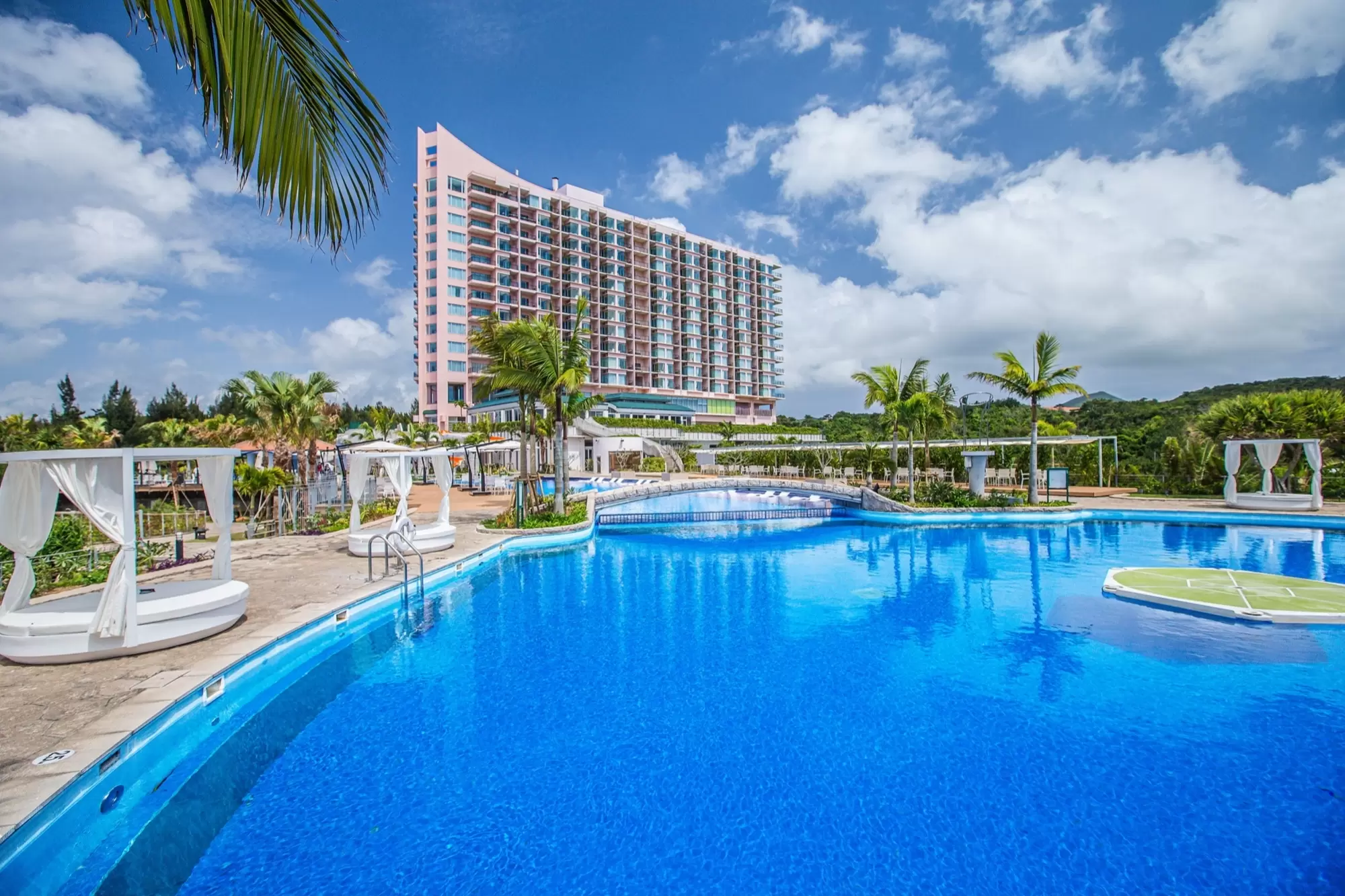
In recent years, the intersection of luxury hospitality and cultural preservation has created unprecedented opportunities for travelers to experience these traditional arts firsthand without sacrificing modern comfort. A prime exemplar of this movement is the Oriental Hotel Okinawa Resort & Spa, located in Nago City. Operating under the evocative brand concept "LOVE OKINAWA DISCOVER YAMBARU," the hotel serves as an ideal sanctuary for travelers seeking both world-class amenities and authentic cultural immersion.
Strategically positioned as an official hotel for the high-profile JUNGLIA Okinawa adventure park and within easy reach of the biodiverse Yambaru National Park, the property bridges the gap between contemporary leisure and deep-rooted historical exploration. Through exclusive seasonal performances by the acclaimed young professional dance ensemble Rokka, guests are invited to witness living history—transcending the typical tourist experience to connect directly with the artistic traditions of the former Ryukyu court and its vibrant common folk.
Detailed Chronology: From Imperial Envoys to Modern Revival
To fully appreciate the significance of witnessing Ryukyu Dance today, one must trace its historical evolution across the centuries—a journey marked by diplomacy, royal patronage, and resilience.
The Golden Age of Diplomacy and Court Art (15th–19th Century)
The genesis of Ryukyu Dance is inextricably linked to the geopolitical realities of the Ryukyu Kingdom. Positioned strategically at the crossroads of maritime trade routes in East and Southeast Asia, the kingdom maintained a tributary relationship with successive imperial dynasties of China.
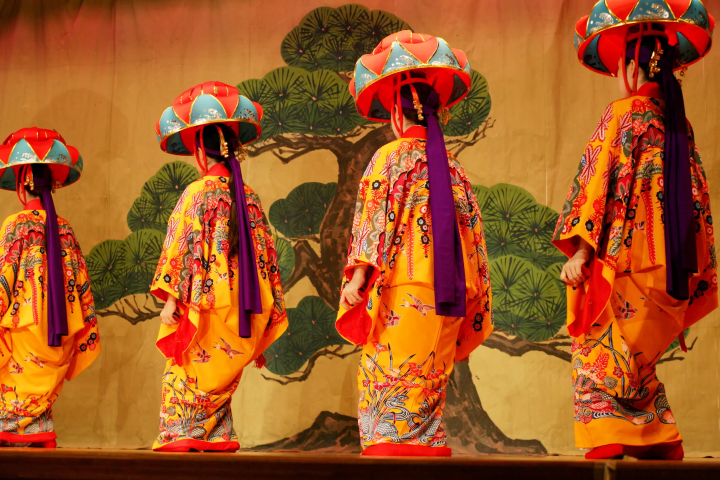
When high-ranking Chinese imperial envoys (sappōshi) visited Shuri Castle—the royal seat of the Ryukyu monarchs—the kingdom spared no expense in its hospitality. Extravagant banquets were hosted, featuring elaborate musical and theatrical performances designed to project the sophistication, wealth, and cultural legitimacy of the Ryukyu court. It was within this high-stakes diplomatic environment that Classical Dance (Koten Buyou) was systematically developed. Choreographed to reflect absolute poise, dignity, and refinement, these court dances incorporated subtle hand gestures, measured footwork, and opulent, hand-dyed silk costumes (Bingata) that mirrored the aesthetic values of both indigenous Okinawan culture and continental Asian influences.

The Rise of Ordinary Dance (Zou Odori)
While Classical Dance remained the exclusive purview of the aristocracy and male performers executing courtly rituals, a parallel artistic movement flourished among the common people. Known as Ordinary Dance (Zou Odori), this genre drew inspiration from the daily lives, agricultural rhythms, labor, and folk celebrations of ordinary Okinawan villagers. Characterized by dynamic, expressive, and often humorous choreography, Zou Odori provided an emotional outlet and a vibrant narrative voice for the working populace, ensuring that the art form remained deeply democratic and culturally pervasive.
Modern Recognition and Preservation (2009–Present)
Following the abolition of the Ryukyu Kingdom and the annexation of Okinawa as a Japanese prefecture in 1879, both classical and folk performing arts faced periods of severe disruption, particularly during the devastation of World War II. However, through the tireless dedication of master practitioners, scholars, and institutional bodies, these traditions were meticulously reconstructed and safeguarded.
A monumental milestone was achieved in 2009, when Ryukyu Dance was officially designated as an Important Intangible Cultural Property of Japan by the national government. This formal recognition elevated the art form from a regional curiosity to a nationally protected treasure of Japanese culture. Today, the tradition continues to thrive through modern institutions like the Okinawa Prefectural University of Arts, where new generations of dancers study classical repertoires, Kumiodori (traditional musical theater), and folk forms, ensuring that the legacy of the Ryukyu Kingdom remains dynamic and relevant in the 21st century.
Supporting Context & Metrics: Cultural Preservation Meets Modern Hospitality
The preservation of intangible cultural assets relies heavily on public engagement, institutional support, and innovative private-sector partnerships. The integration of traditional arts into luxury resort programming represents a progressive model for sustainable cultural tourism in Okinawa.
The Anatomy of Ryukyu Dance
Understanding the nuances of the art form enhances the viewing experience for modern travelers. Ryukyu Dance is officially categorized into distinct stylistic branches:
- Classical Dance (Koten Buyou): Performed primarily to the accompaniment of the sanshin (traditional three-stringed Okinawan lute) and classical vocal styles. Themes often revolve around longevity, peace, natural beauty, and the solemnity of state occasions.
- Ordinary Dance (Zou Odori): Subdivided into narrative pieces (Nimenshi) and celebratory folk dances (Nyōbō Odori), these works incorporate props such as fans, towels, and umbrellas, utilizing lively tempos and earthy comedic elements.
The Role of the Oriental Hotel Okinawa Resort & Spa
Situated in the northern (Yanbaru) region of Okinawa Prefecture at 1490-1 Kise, Nago City, the Oriental Hotel Okinawa Resort & Spa spans a massive footprint tailored to modern travelers. Key facility metrics and structural advantages include:

- Accommodation Scale: Over 44 square meters of space per guest room, offering expansive ocean and forest vistas.
- Recreational Infrastructure: Featuring a landmark 170-meter outdoor swimming pool cascading down a hillside facing the East China Sea, complemented by comprehensive spa facilities, kids’ play zones, and universally accessible rooms.
- Strategic Location: Serves as the premier official hotel partner for JUNGLIA Okinawa, the much-anticipated major theme park development in northern Okinawa, while offering seamless access to the UNESCO-listed natural wonders of Yambaru National Park.
By embedding live traditional performances—specifically featuring the acclaimed youth ensemble Rokka—into its seasonal event calendar (spanning peak travel periods such as Golden Week and summer vacation), the property actively bridges the gap between luxury leisure and educational cultural tourism.
Official Statements & Featured Artistic Profiles
The vitality of contemporary Ryukyu performing arts is driven by dedicated young artists who balance rigorous classical training with contemporary accessibility. Central to the cultural programming at the Oriental Hotel Okinawa Resort & Spa is the collaborative partnership with Rokka, an elite dance collective.
Meet the Ensemble: Rokka
Formed by graduates and advanced researchers from the graduate school of the Okinawa Prefectural University of Arts, Rokka represents the vanguard of modern Okinawan traditional performance. Although each member underwent rigorous specialized training under different master schools of Ryukyu Dance and Kumiodori, the collective united with a shared mission: to dismantle the barriers surrounding classical performing arts and make them approachable, engaging, and emotionally resonant for contemporary audiences.

Core Ensemble Members:
- Takeshi Igei
- Manami Kakazu
- Yukimasa Kakazu
- Sayaka Kina
- Tamaki Tamaki
(For ongoing updates regarding their performances, creative projects, and public engagements, audiences can follow the collective via their official Instagram portal: @mutsunohana_06.
Upcoming Cultural Performances and Event Calendar (September 2026)
For travelers and performing arts enthusiasts visiting Okinawa in September 2026, a robust schedule of regional performances offers deep immersion into local theatrical traditions:

-
September 6, 2026 (Sunday) – Kumiodori Tour Performance
- Featured Program: Midori the Flower Seller, Ryugu Denshin, and Kijimuna.
- Time: 14:00 start.
- Location: Chatan Nirai Center Kanai Hall.
- Admission: Adults: 2,500 JPY; Children (Elementary and Junior High): 1,000 JPY; Parent-Child Pair Ticket (1 Adult, 1 Child): 3,000 JPY; Preschoolers: Free (Ticket required).
-
September 17, 2026 (Thursday) – Outreach Performance: Okinawa Theater Appreciation Class
- Featured Program: Classical comedic/dramatic pieces Bo-shibari and Warifu.
- Time: 10:30 AM (Note: The previously scheduled 14:00 afternoon performance has been cancelled).
- Location: National Theatre Okinawa, Main Hall.
- Admission: Free for university students and younger (Advanced reservations strictly required).
- Inquiries: National Theatre Okinawa Ticket Counter (TEL: 098-871-3350).
-
September 18, 2026 (Friday) – Outreach Performance: Okinawa Theater Appreciation Class

- Featured Program: Bo-shibari and Warifu.
- Time: 10:30 AM (Afternoon 14:00 performance cancelled).
- Location: National Theatre Okinawa, Main Hall.
- Admission: Free for university students and younger (Advanced reservations strictly required).
- Inquiries: National Theatre Okinawa Ticket Counter (TEL: 098-871-3350).
-
September 19, 2026 (Saturday) – Outreach Performance: Okinawa Theater Appreciation Class
- Featured Program: Bo-shibari and Warifu.
- Time: 14:00 start.
- Location: National Theatre Okinawa, Main Hall.
- Admission: General Admission: 2,700 JPY; University Students and Younger: Free (Advanced reservations required).
Future Outlook: Sustainable Cultural Tourism in Northern Okinawa
As tourism patterns evolve globally, travelers increasingly seek destinations that offer more than passive relaxation. The demand for authentic, place-based educational experiences—often termed experiential or regenerative tourism—is reshaping how hospitality brands design their guest offerings.
The strategic alignment between premium resorts like the Oriental Hotel Okinawa Resort & Spa and traditional performing arts groups like Rokka points toward a promising future for Okinawan cultural preservation. By providing a stable, high-profile platform for young artists to showcase their craft to international and domestic guests alike, the hotel sector plays an indispensable role in patronizing the arts.

Furthermore, with infrastructural milestones such as the opening of the JUNGLIA Okinawa adventure park in the northern Yanbaru region, northern Okinawa is poised to experience a significant surge in visitor volume. Ensuring that this modern economic growth is balanced with deep respect for indigenous ecosystems and historical traditions will be critical. Initiatives that pair modern eco-resort stays with classical performing arts appreciation demonstrate that commercial tourism and heritage conservation can coexist symbiotically.
Whether lounging by the panoramic 170-meter hilltop pool, exploring the subtropical wilderness of Yambaru National Park, or sitting quietly in a resort lobby as the delicate notes of the sanshin signal the beginning of a centuries-old court dance, visitors to northern Okinawa are offered a rare privilege: witnessing a vibrant kingdom’s legacy not merely preserved behind glass, but actively danced into the future.
Plan Your Visit
To learn more about luxury accommodations, seasonal events, and cultural programming, or to secure your stay at the official hotel partner for JUNGLIA Okinawa:
- Website: Oriental Hotel Okinawa Resort & Spa Official Website
- Direct Reservations: Book Your Stay at Oriental Hotel Okinawa Resort & Spa
- Address: 1490-1 Kise, Nago City, Okinawa Prefecture 905-0026




Belum ada komentar. Jadilah yang pertama berkomentar!