

Executive Overview
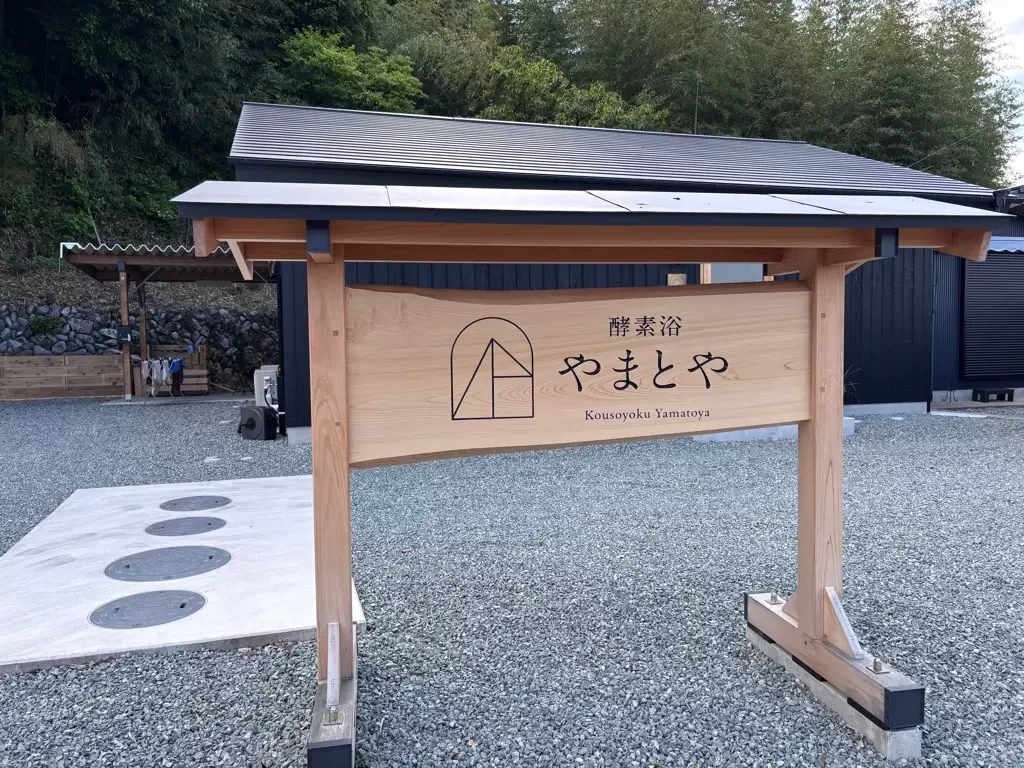
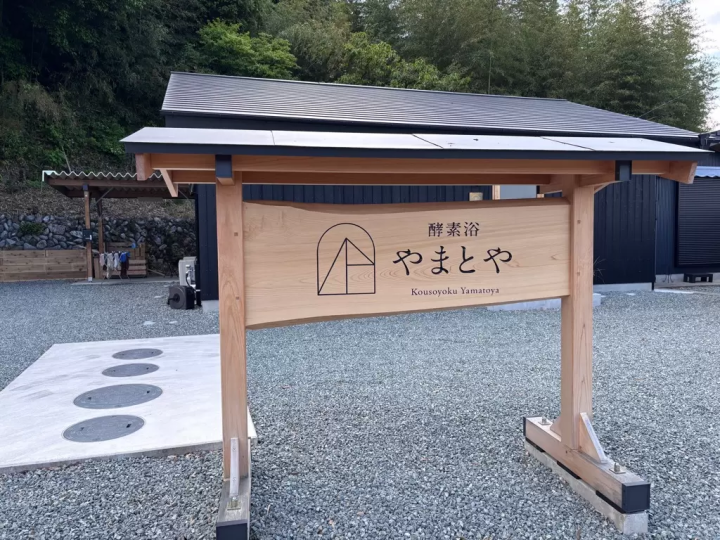
Nestled within the lush, verdant mountains of Matsusaka in Mie Prefecture, Japan, a quiet wellness revolution is taking root. Opened in 2025 by Saito Lumber—a localized timber processing enterprise—Enzyme Bath Yamatoya represents a rare intersection of traditional Japanese therapeutic heritage and modern, sustainable forestry practices.
Unlike conventional urban spas that rely on boilers, electricity, or synthetic heat sources, Yamatoya harnesses a purely biological phenomenon. The facility utilizes fresh hinoki (Japanese cypress) wood and rice bran, activating living enzymes through natural fermentation. The resulting thermal environment generates temperatures reaching an impressive 60°C to 70°C (140°F to 158°F) entirely through organic metabolic processes.
Operating out of a tranquil rural landscape framed by sweeping rice fields and towering timberlands, Yamatoya offers a deeply immersive therapeutic escape. Designed exclusively for women seeking sanctuary from the relentless pace of modern life, this boutique destination blends ancient agricultural wisdom with the pristine aromatic benefits of freshly harvested timber. As travelers increasingly seek out sustainable, authentic wellness tourism, Yamatoya stands as a pioneering blueprint for how regional industries can diversify while honoring local natural resources.
Detailed Chronology and Operational Genesis
The roots of Yamatoya trace back to the strategic vision of Saito Lumber. Recognizing both a decline in traditional regional industries and a surging global demand for authentic, nature-based healing modalities, company leadership conceived a facility that could bridge the gap between forestry and holistic health.
From Forest Floor to Thermal Tub
The operational journey of an enzyme bath at Yamatoya begins long before a guest steps foot in the treatment room. Sourced directly from Saito Lumber’s primary processing facility—located a mere ten-minute drive away—freshly milled cypress wood shavings and sawdust arrive at the bathhouse daily.
This proximity is the facility’s defining competitive advantage. While standard commercial enzyme baths often rely on dried, stored, or pre-packaged organic matter that loses its volatile aromatic compounds over time, Yamatoya utilizes wood at the absolute peak of its freshness.
- Intake and Consultation: Upon arrival at the facility, guests are greeted by an all-female staff and guided through a comprehensive wellness consultation to ensure they are physically prepared for the thermal experience.
- Preparation: Guests change into sanitary, disposable garments designed to maintain hygiene while allowing maximum cutaneous absorption of the therapeutic microelements.
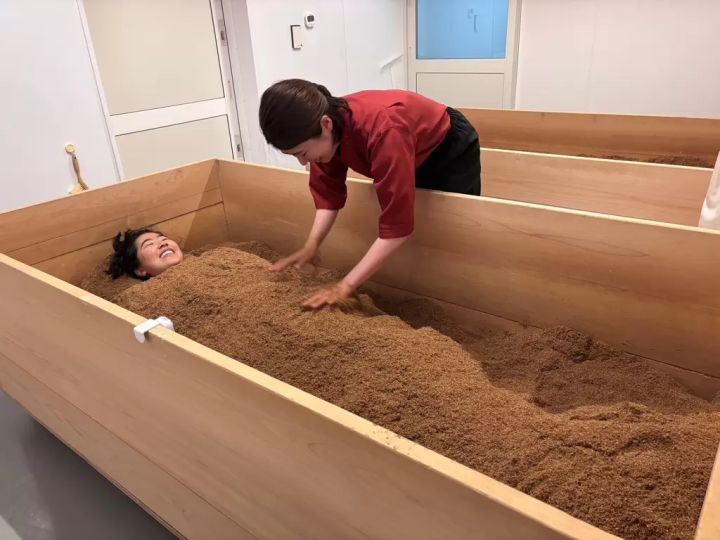
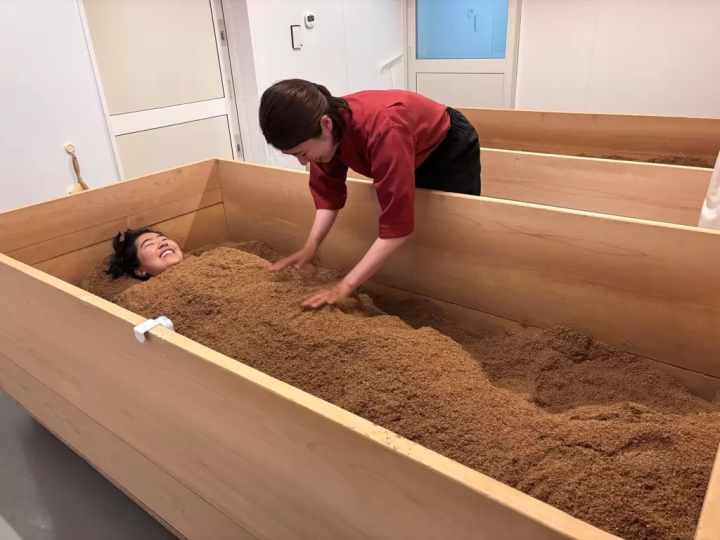
- The Immersion: Guests enter a softly lit bathing chamber dominated by two massive, fragrant cypress tubs. Separated by privacy curtains, these tubs contain the proprietary blend of rice bran and fresh cypress powder.
- The Envelopment: Trained attendants gently layer the warm, fermenting medium over the guest’s body. As the organic mixture settles, the ambient lighting dims, and ambient acoustic soundscapes play, guiding the guest into a state of deep nervous system relaxation.
- Post-Bath Protocol: Following the 15-minute immersion, guests rinse in an adjoining shower room equipped with proprietary probiotic face washes and natural skincare formulas, culminating in a complimentary probiotic health drink in the relaxation lounge.
Supporting Context & Metrics: The Science and Heritage of Enzyme Therapy
To fully appreciate the Yamatoya experience, one must examine the historical and physiological frameworks that underpin enzyme bathing (koso-yoku).
Origins and Evolution
Enzyme bathing traces its lineage back to the agricultural communities of rural Japan. During the harsh winter months, farming villages discovered that the organic heat generated by decomposing rice husks and compost heaps offered profound warmth. Over generations, this survival mechanism evolved into a sophisticated therapeutic treatment. Traditional practitioners observed that the natural metabolic heat, combined with the active enzymes of the organic matrix, stimulated the human body’s innate immune response and circulatory pathways.
Thermodynamic Mechanics
At Yamatoya, the heat source is entirely microbial. As aerobic microorganisms metabolize the nutrients within the rice bran and finely ground cypress medium, they produce intense biological heat. This process sustains temperatures between 60°C and 70°C (140°F to 158°F) without the use of artificial heating elements.
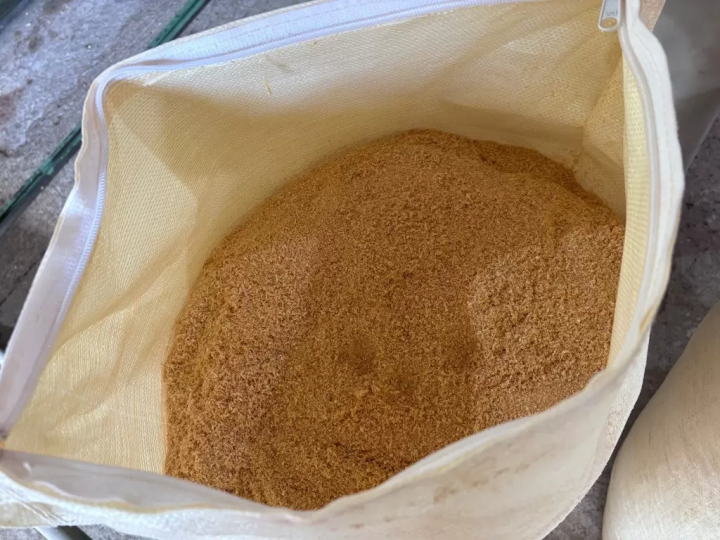
Despite the high temperatures, the dry, enveloping nature of the wood-and-bran mixture feels markedly different from a traditional water bath or steam room. The heat penetrates deep into the subcutaneous tissue, encouraging profound vasodilation and profuse sweating.
Reported Health Benefits
Regular practitioners and wellness researchers attribute a wide array of physiological advantages to consistent enzyme bathing:
- Circulatory Enhancement: Rapid vasodilation improves peripheral blood flow, delivering oxygen and nutrients efficiently across tissues.
- Fatigue Mitigation & Metabolic Vitality: Sweating aids in the elimination of metabolic waste products, leaving guests feeling lighter and more energetic.
- Musculoskeletal Relief: Deep thermal penetration alleviates chronic muscle tension, stiffness, and joint discomfort.
- Dermatological Health: The combination of natural wood oils (phytoncides) and probiotic activity helps clarify and soften the skin.
- Autonomic Balance: Improved digestion and enhanced sleep quality are frequently reported secondary benefits linked to the down-regulation of the sympathetic nervous system.
Official Statements & Frequently Asked Questions
To maintain transparency and ensure optimal guest safety, Yamatoya’s management has established clear operational guidelines through a comprehensive FAQ framework.
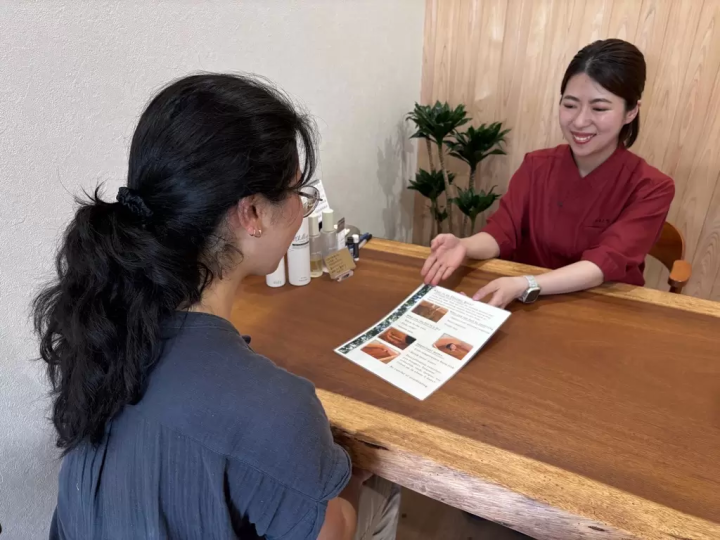
Candidate Eligibility and Safety Protocols
While the treatment is broadly beneficial, physiological safety remains paramount.
- Who should abstain? Individuals under the influence of alcohol, those experiencing severe sleep deprivation, acute illness, early-stage pregnancy, or those with open cuts and acute swelling are restricted from entering the baths. Guests with chronic medical conditions are advised to consult their primary physicians beforehand.
- Access Policy: To ensure absolute security and comfort, Yamatoya operates as a women-only facility managed entirely by a female staff, allowing solo travelers and groups to visit with complete peace of mind.
- Duration: The entire appointment requires approximately one hour, with an active immersion time restricted to 15 minutes to prevent excessive cardiovascular strain.
Pre- and Post-Treatment Best Practices
- Hydration: Because the treatment induces intense perspiration—sometimes continuing for two to three days post-session—guests are explicitly advised to maintain high fluid intake before and after their visit.
- Dietary Timing: Visitors should avoid taking an enzyme bath immediately after a heavy meal, as blood redirection to the digestive tract combined with peripheral thermal expansion can cause lightheadedness.
Future Outlook & Regional Tourism Impact
The launch of Enzyme Bath Yamatoya signifies a broader trend in regional Japanese revitalization. By turning a localized lumber operation into an upstream contributor to eco-tourism, Saito Lumber has demonstrated how traditional secondary industries can pivot toward experiential service sectors without abandoning their core competencies.
Sustainable Integration
The facility’s environmental footprint is exceptionally light. By utilizing waste materials (wood shavings) from timber processing and relying exclusively on microbial fermentation for heating, Yamatoya achieves a closed-loop operational model. The spent organic medium, once retired from the bath tubs, can theoretically be recycled back into agricultural compost, aligning with circular economy principles.
Regional Exploration Beyond the Spa
Yamatoya serves as an ideal anchor point for broader explorations of Mie Prefecture’s rich inland geography. Located in Taki Town near Matsusaka, visitors are encouraged to extend their itineraries into the surrounding countryside:
- The Iinan Region: Celebrated for its sprawling mountain tea fields and misty valley vistas.
- The Iitaka Region: Home to pristine nature trails and restorative hot spring (onsen) networks.
- Seasonal Tourism: The area transforms dramatically across seasons, offering vibrant autumnal foliage peaks in November and snow-dusted mountain hiking trails in winter, where rare rime frost creates an ethereal landscape.
Conclusion
Enzyme Bath Yamatoya is far more than a regional spa; it is a masterclass in sustainable wellness design. By uniting the raw, aromatic vitality of fresh hinoki cypress with centuries of Japanese thermal tradition, Yamatoya offers travelers an authentic, deeply restorative ritual. For those navigating the complexities of modern travel, a journey into the quiet mountains of Mie to steep in the living warmth of Yamatoya promises a rare and unforgettable reset for both body and soul.







Belum ada komentar. Jadilah yang pertama berkomentar!