

Executive Overview
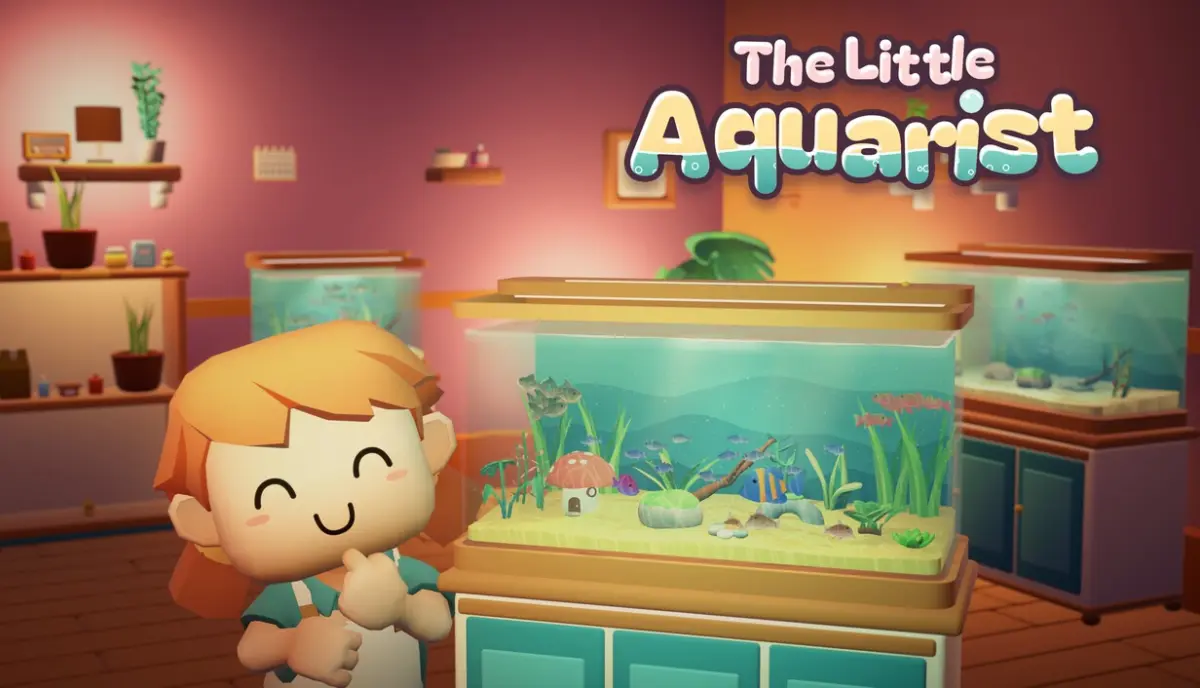
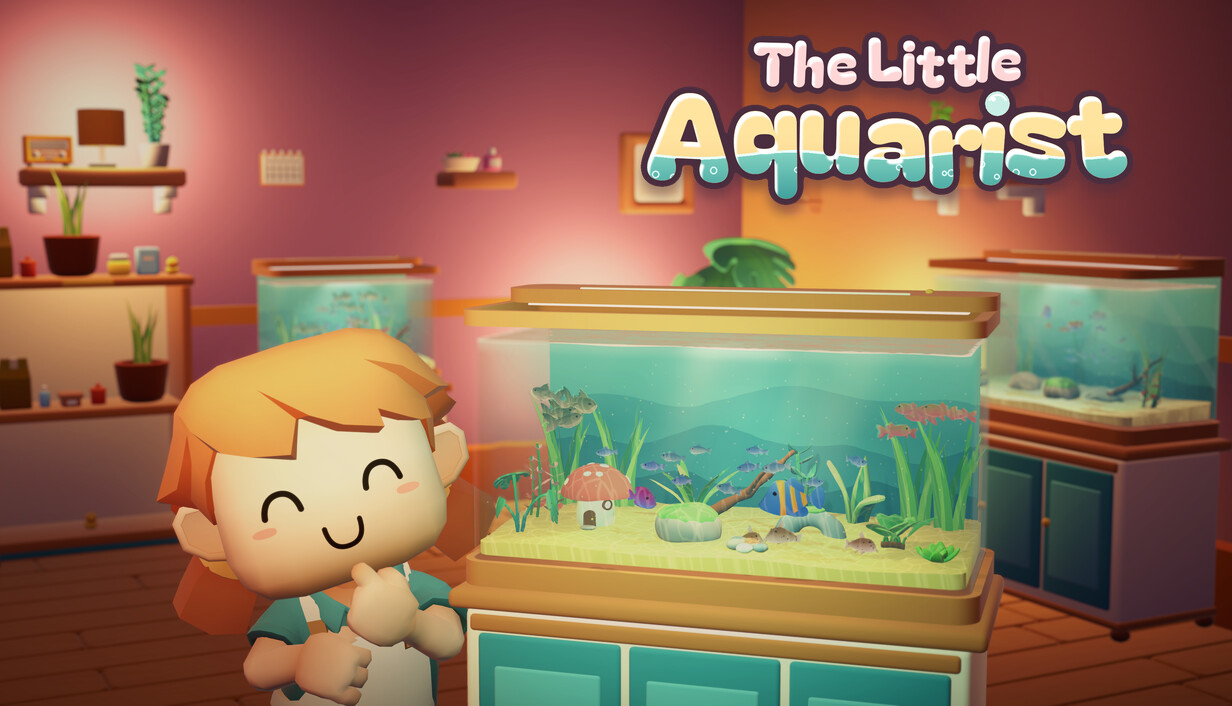
The landscape of simulation gaming continues to expand, offering players increasingly granular control over niche, highly specific environments. From managing bustling metropolitan skylines to tending delicate agrarian plots, the industry has long thrived on titles that transform microscopic operational details into deeply engaging digital pastimes. Entering this rich ecosystem of management simulations is The Little Aquarist, a specialized PC title developed by SUMER and recently launched on the Steam storefront.
The Little Aquarist is not merely another generic aquarium simulator; it positions itself as a meticulous, highly focused micro-management experience where players are tasked with running a small-scale aquatic facility from the ground up. At its core, the game revolves around the careful balancing act of water chemistry management, livestock acquisition, and facility upkeep. Players must monitor the health and vitality of a diverse array of aquatic life, ranging from common freshwater species to rarer, more demanding marine organisms.
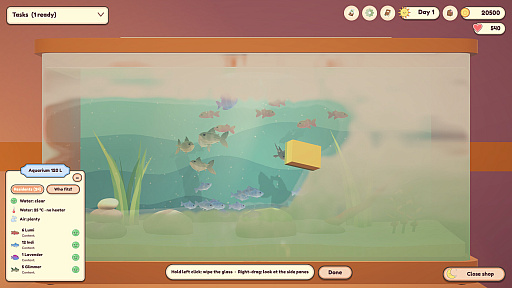
The title’s gameplay loop is defined by meticulous attention to detail. Aspiring curators must select species, regulate water temperature, maintain pH levels, filter out contaminants, and feed their aquatic residents on strict schedules. Neglecting these parameters leads to rapid ecosystem degradation, while careful optimization yields thriving, vibrant tanks that attract visitors and generate revenue. This comprehensive report will dissect the mechanics, strategic depth, and systemic implications of The Little Aquarist, providing a thorough examination of how SUMER’s latest release stacks up within the broader simulation genre.
Detailed Chronology: The Journey to Steam
The development and release of The Little Aquarist represent a calculated, deliberate progression by developer SUMER. While initial conceptualization began quietly behind closed doors, the title quickly gained traction within indie development circles for its uncompromising dedication to realistic aquarium husbandry.
Phase 1: Conceptualization and Prototyping
In its earliest iterations, The Little Aquarist focused heavily on core physics and biological simulations. SUMER recognized that past aquarium games often glossed over the complexities of nitrogen cycles, lighting spectrums, and filtration capacities, treating fish more like animated decorations than living organisms. The development team spent months consulting with actual aquarists and marine biologists to ensure that the underlying simulation engine accurately reflected real-world aquatic challenges. During this foundational period, the primary engineering hurdle was optimizing the rendering of volumetric water, dynamic lighting refractions, and particulate organic matter without creating prohibitive hardware bottlenecks on standard PC rigs.
Phase 2: Closed Alpha and Feature Expansion
As the simulation engine matured, SUMER introduced foundational management systems. Players were no longer just building single tanks; they were designing facility layouts, managing operational budgets, and hiring maintenance staff. Early alpha testers reported that the game struck a delicate balance between relaxing aesthetic appreciation and high-stakes crisis management. If a filter failed or a temperature spike occurred overnight, players faced immediate consequences, forcing them to balance aesthetic layout design with rigorous mechanical reliability.
Phase 3: Steam Launch and Community Reception
The culmination of these development phases arrived with the official Steam launch. SUMER’s release strategy emphasized transparency, featuring regular developer logs, community Q&A sessions, and early access roadmaps that invited player feedback. Upon release, The Little Aquarist captured the attention of simulation enthusiasts looking for a title that combined the meditative qualities of virtual aquascaping with the strategic depth of business management.
Supporting Context & Metrics: The Mechanics of Aquatic Management
To fully understand The Little Aquarist, one must analyze the interconnected systems that dictate success within the game. Unlike arcade-style simulation games where problems are solved with simple button prompts, SUMER has engineered a deeply reactive ecosystem driven by complex data points.

Water Chemistry and Ecosystem Balance
The heartbeat of The Little Aquarist is its water chemistry engine. Players must constantly monitor and adjust several critical parameters:
- Temperature & Salinity: Different species require precise thermal and saline ranges. A tropical freshwater tetra will perish in brackish or overly cold setups designed for marine species.
- pH and Hardness: Maintaining optimal acidity levels prevents stress-induced illnesses among fish populations.
- The Nitrogen Cycle: Perhaps the most mechanically faithful aspect of the game, players must manage ammonia, nitrite, and nitrate levels. Overfeeding or overcrowding leads to ammonia spikes, requiring biological filtration media and routine water changes.
Economic Viability and Facility Expansion
Running an aquarium is as much an economic endeavor as it is a biological one. Players must balance operational costs—such as electricity for heaters, filters, and specialized lighting—with visitor revenue.
| Operational Metric | Impact on Gameplay | Strategy for Success |
|---|---|---|
| Energy Consumption | High electrical draw reduces daily profit margins. | Upgrade to energy-efficient equipment as capital allows. |
| Visitor Satisfaction | Drives ticket sales and unlocks prestige grants. | Diversify species displays and maintain pristine viewing glass. |
| Staff Allocation | Reduces manual labor for feeding and cleaning. | Hire specialized technicians to handle automated maintenance routines. |
By successfully fulfilling public grants and achieving high facility ratings, players unlock larger exhibition halls, exotic species importation licenses, and advanced automated systems. This progressive scaling transforms a humble storefront tank into a sprawling, multi-ecosystem public aquarium.
Official Statements and Developer Vision
In recent press releases accompanying the Steam launch, the development team at SUMER elaborated on their core philosophy behind The Little Aquarist. According to lead designers at the studio, the primary goal was to bridge the gap between educational realism and accessible entertainment.
"We wanted to create a space where players could experience both the profound tranquility of watching aquatic life and the sharp, analytical focus required to keep an artificial ecosystem alive," stated a representative from SUMER. "Aquariumkeeping in real life is a rewarding hobby defined by patience, observation, and continuous learning. We aimed to translate those exact human experiences into digital form without diluting the mechanical complexities that make real aquariums so fascinating."
Furthermore, SUMER emphasized that the initial release on PC is only the beginning of a long-term support cycle. The studio has confirmed that player feedback gathered through Steam reviews and community forums will directly influence future content patches, balancing adjustments, and feature expansions.
Future Outlook: What Lies Ahead for The Little Aquarist
As The Little Aquarist establishes its presence on the Steam marketplace, the roadmap for future updates points toward a robust and expanding digital ecosystem. SUMER has outlined several key pillars for post-launch development:
- Expanded Species Rosters: Future updates will introduce brackish and deep-sea biomes, vastly increasing the variety of flora and fauna available for acquisition.
- Advanced Breeding Mechanics: Plans are underway to implement genetic traits and selective breeding systems, allowing dedicated players to cultivate rare color morphs and specialized subspecies.
- Workshop Integration: Community-driven content, including custom tank decorations, architectural blueprints, and user-generated scenarios, is slated to arrive in upcoming quarters, ensuring long-term replayability.
Ultimately, The Little Aquarist stands out as a thoughtful, meticulously crafted entry in the PC simulation market. By respecting both the intelligence of its player base and the delicate realities of aquatic biology, SUMER has delivered a management title that is as educational as it is engrossing. Whether players are seeking a relaxing visual escape or a rigorous logistical challenge, The Little Aquarist offers an immersive deep dive into the rewarding world of marine curation.








Belum ada komentar. Jadilah yang pertama berkomentar!