

EXECUTIVE OVERVIEW
For millions of international travelers, Hiroshima is a destination defined by poignant history, resilience, and global peace. It is a city of broad boulevards, world-class culinary staples like okonomiyaki, and the haunting yet inspiring Peace Memorial Park. Yet, beneath the well-trodden tourist circuits of Chugoku’s urban anchor lies a compelling opportunity for expansion. Exactly three hours north by highway bus—skirting rural mountain passes and tracing the tranquil coastlines of the Sea of Japan—lies Shimane Prefecture, a region steeped in Japanese mythology, feudal architecture, and ancient spiritual traditions.
For travelers who find themselves with an unallocated day during their Hiroshima stay, destinations such as Izumo and Matsue offer seamless, budget-friendly escapes. Rather than enduring complex train transfers with heavy luggage or paying premium rates for bullet train and limited express combinations, visitors can utilize direct highway bus services managed by carriers like WILLER ACROSS. For a fraction of the cost—saving up to 6,000 yen one-way compared to rail alternatives—tourists can step away from the urban hum of Hiroshima and immerse themselves in the sacred domains of en-musubi (destined human connections) or the historic, water-laced avenues of Matsue.
This comprehensive report outlines two expertly curated day-trip itineraries from Hiroshima into Shimane Prefecture. By leveraging meticulous scheduling, budget-conscious transit, and deep cultural immersion, travelers can transform a standard Chugoku itinerary into a multifaceted exploration of Western Japan’s most mythic landscapes.
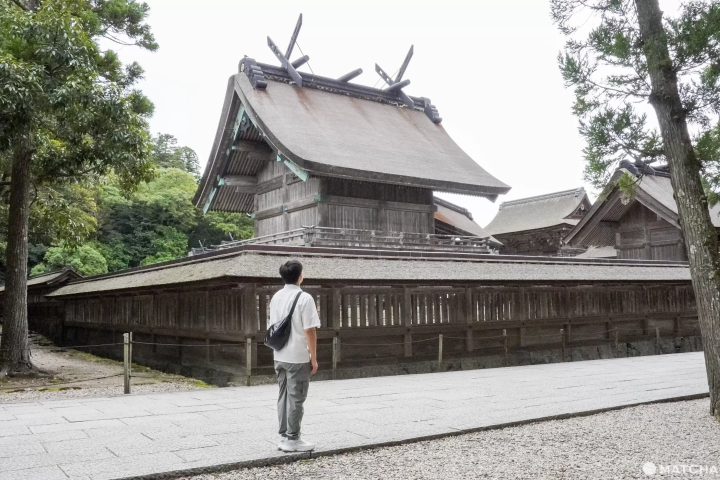
THE LOGISTICAL ADVANTAGE: WHY THE HIGHWAY BUS REDEFINES CHUGOKU TRAVEL
The primary barrier to regional exploration in Japan is often the friction of transit: navigating multi-leg train journeys, hauling oversized baggage through crowded platforms, and absorbing high cumulative ticket costs. The direct highway bus route connecting Hiroshima to Shimane Prefecture systematically eliminates these pain points.
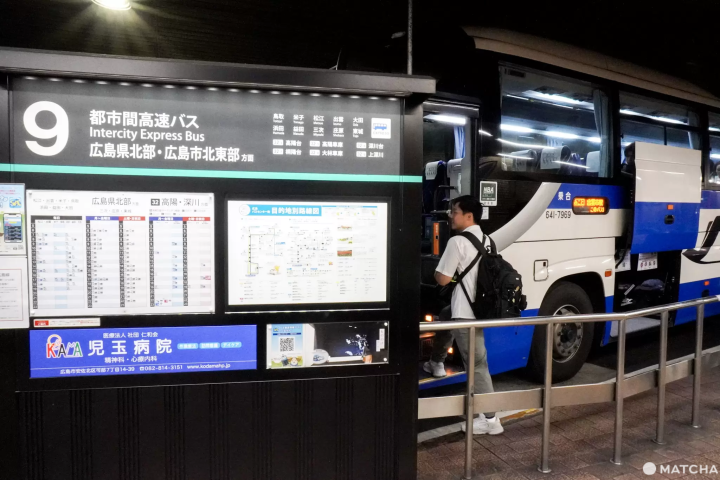
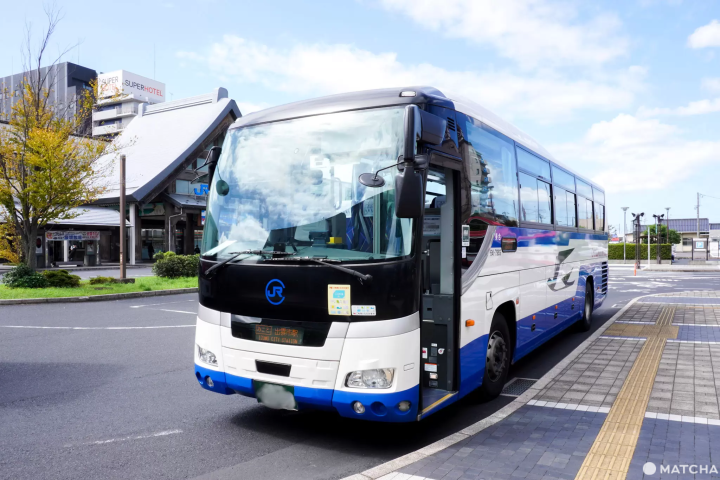
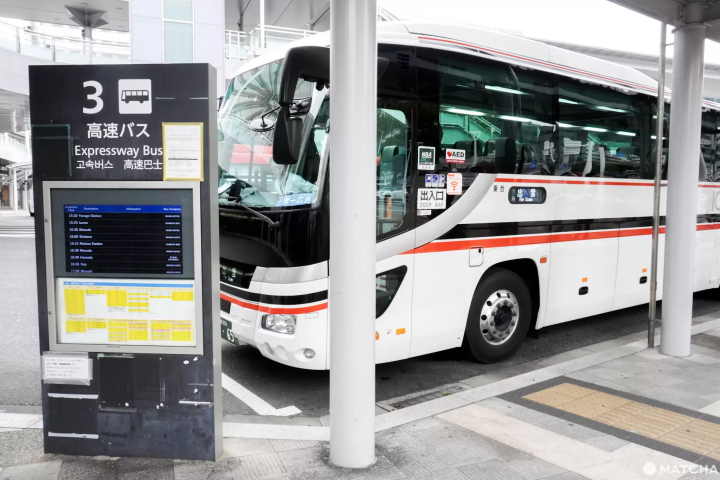
Operating with high frequency—with the Hiroshima–Matsue route running eleven round trips on weekdays and twelve on weekends and holidays, alongside seven daily round trips for the Hiroshima–Izumo corridor—the service provides unmatched flexibility. Passengers can board at the central Hiroshima Bus Center (Platform 9) or conveniently pick up the coach at Platform 3 of the Hiroshima Station Shinkansen North Exit.
Economically, the highway bus represents a masterclass in travel budgeting. A one-way fare can be up to 6,000 yen cheaper than stitching together a journey via the JR Shinkansen and regional limited express networks. Furthermore, the route itself acts as a sightseeing experience. As the coach climbs northward, passengers are treated to sweeping, unbroken panoramas of rural Chugoku mountains—a stark, refreshing contrast to the industrial and metropolitan aesthetics of coastal Hiroshima.
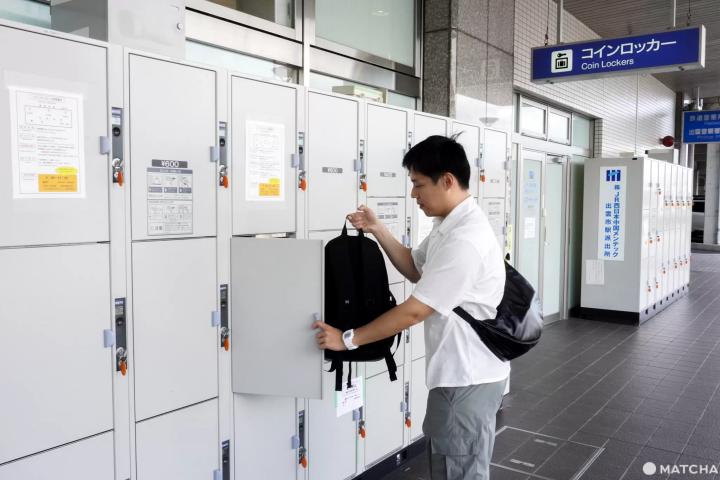
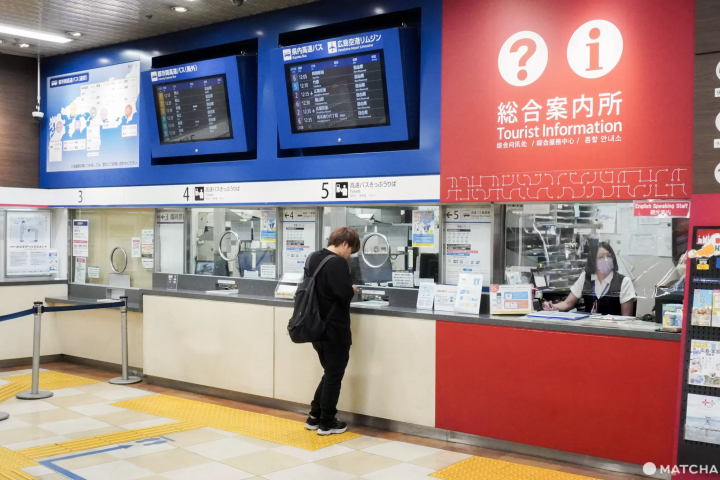
Tickets can be seamlessly booked online in advance, or purchased in person via the Hiroshima Bus Center ticket counter (open from 9:00 to 17:00) and automated ticket kiosks (operating from 7:00 to 21:00). Upon arrival in Shimane, comprehensive coin locker infrastructure at both Izumoshi and Matsue stations ensures that travelers can disembark and explore entirely hands-free.
ITINERARY 1: MYTHICAL IZUMO—SHRINES, SAND, AND STONE-GROUND SOBA
For those drawn to the deep cosmological roots of Japanese folklore, the Hiroshima-to-Izumo route offers an unparalleled historical pilgrimage. Izumo is not merely a geographic location; it is a central stage in ancient Japanese mythology, revered as the gathering place for the myriad Shinto deities (kami) during the tenth month of the lunar calendar.
Detailed Chronology: The Izumo Day-Trip Blueprint
- 07:15 – Departure from Hiroshima: Board the direct highway bus from Platform 9 at the Hiroshima Bus Center. Sit back as the vehicle navigates northward, bringing you directly to Izumoshi Station by 10:22. Upon arrival, utilize the station’s coin lockers to store heavy luggage, setting the stage for a mobile, unburdened day.
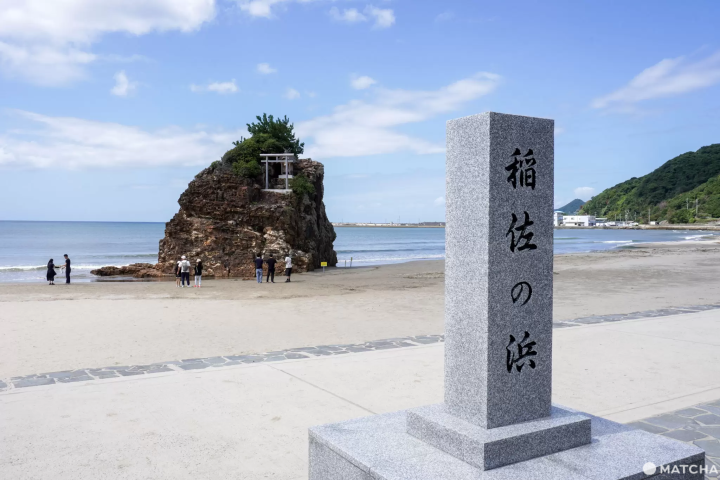
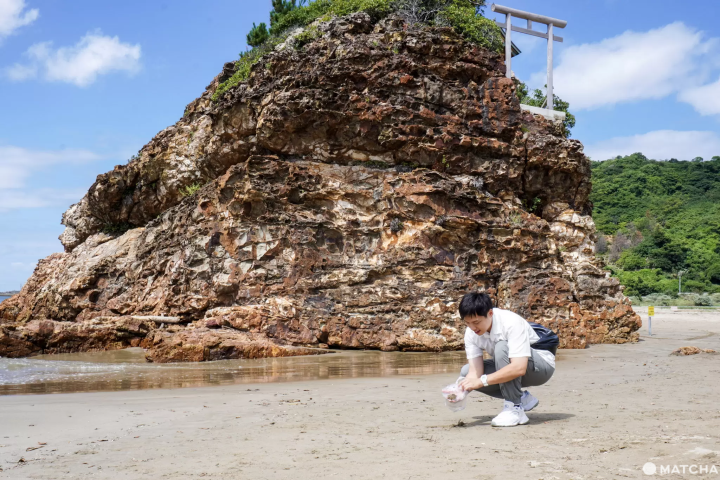
- 11:00 – Inasa Beach and the Sacred Sands: Catch the local Taisha Line bus from Izumoshi Station, arriving at the Izumo Taisha Bus Terminal around 11:27. A brief 13-minute walk leads to Inasa Beach. Here, the azure expanse of the Sea of Japan meets white sandy shores and the striking silhouette of Bentenjima Island. This is the official site of Kami-mukae, the welcoming ritual for visiting deities. Travelers are advised to collect a small pouch of sand from the shore—an essential ritual element for the afternoon shrine visit.
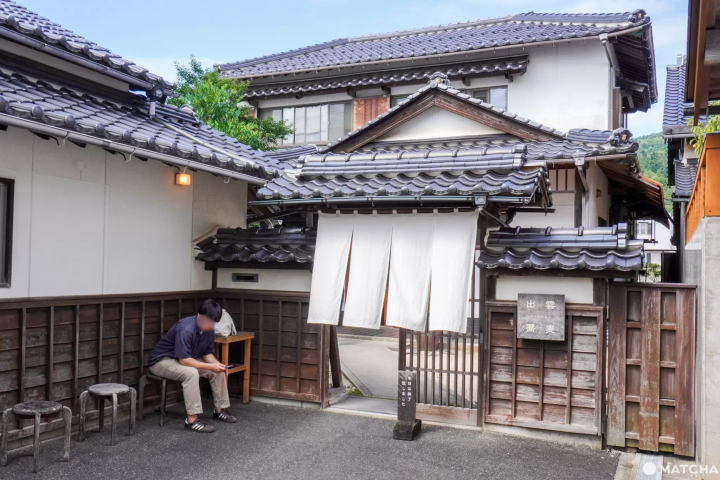
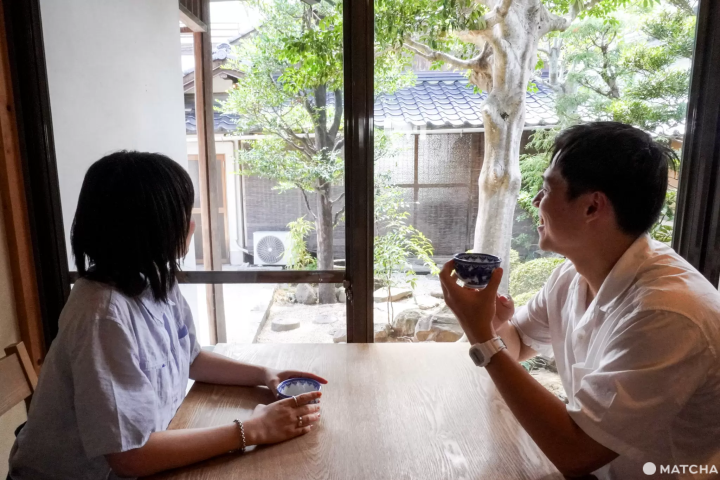
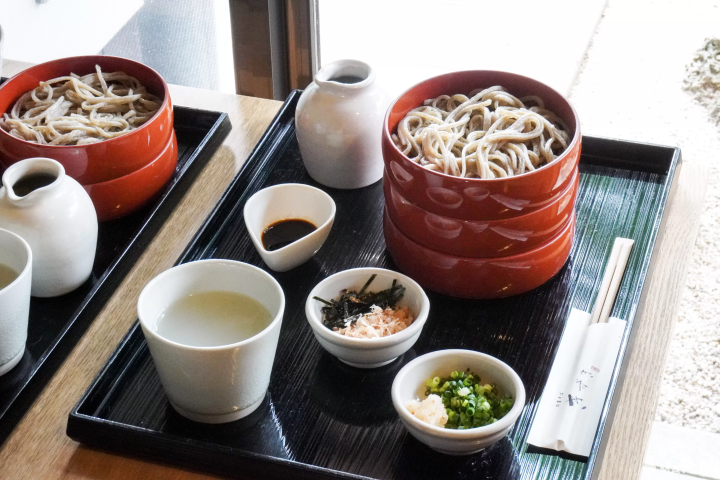
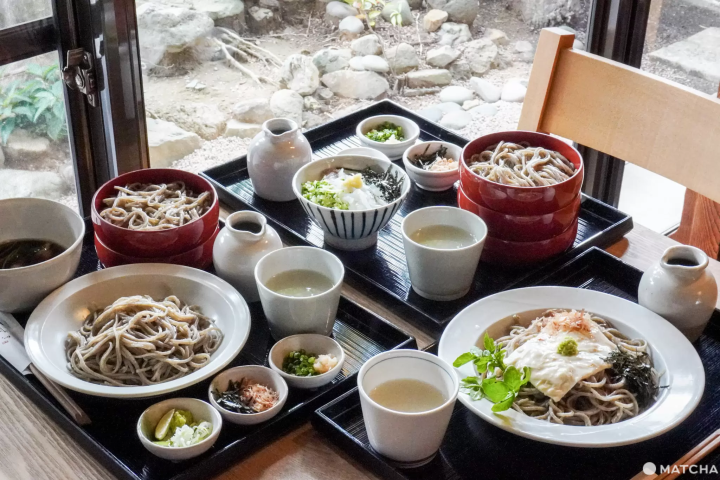
- 12:00 – Culinary Immersion at Izumo Soba Kizuki: A 15-minute walk inland brings you to this cherished culinary establishment, housed within a meticulously renovated kominka (traditional folk house). Surrounded by soft natural light and tranquil interior gardens, guests partake in Izumo’s signature dish: Warigo Soba. Handcrafted daily from coarsely stone-ground domestic buckwheat, the noodles are served in stacked, three-tiered round lacquer bowls. Diners season the top tier, pour the remaining sauce downward, and experience a dish rich in nutty aromas and firm, satisfying textures.
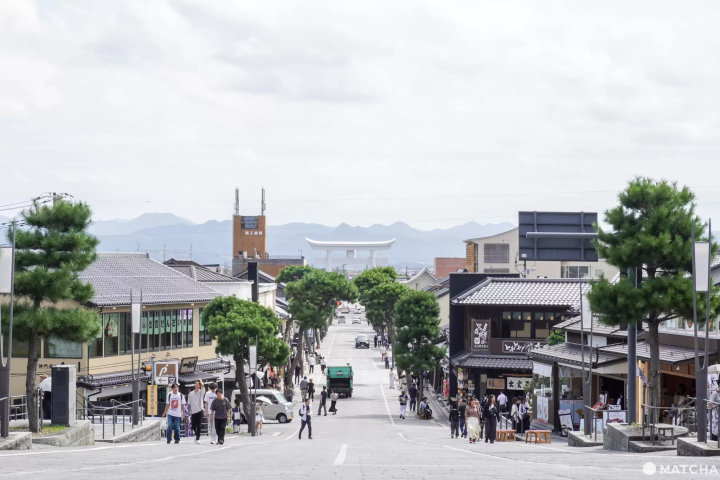
- 13:15 – Shinmon Street Stroll: Stroll down Shinmon Street, lined with historic gift shops, artisan confectioners, and quaint cafes leading directly to the grand approach of Izumo Taisha.
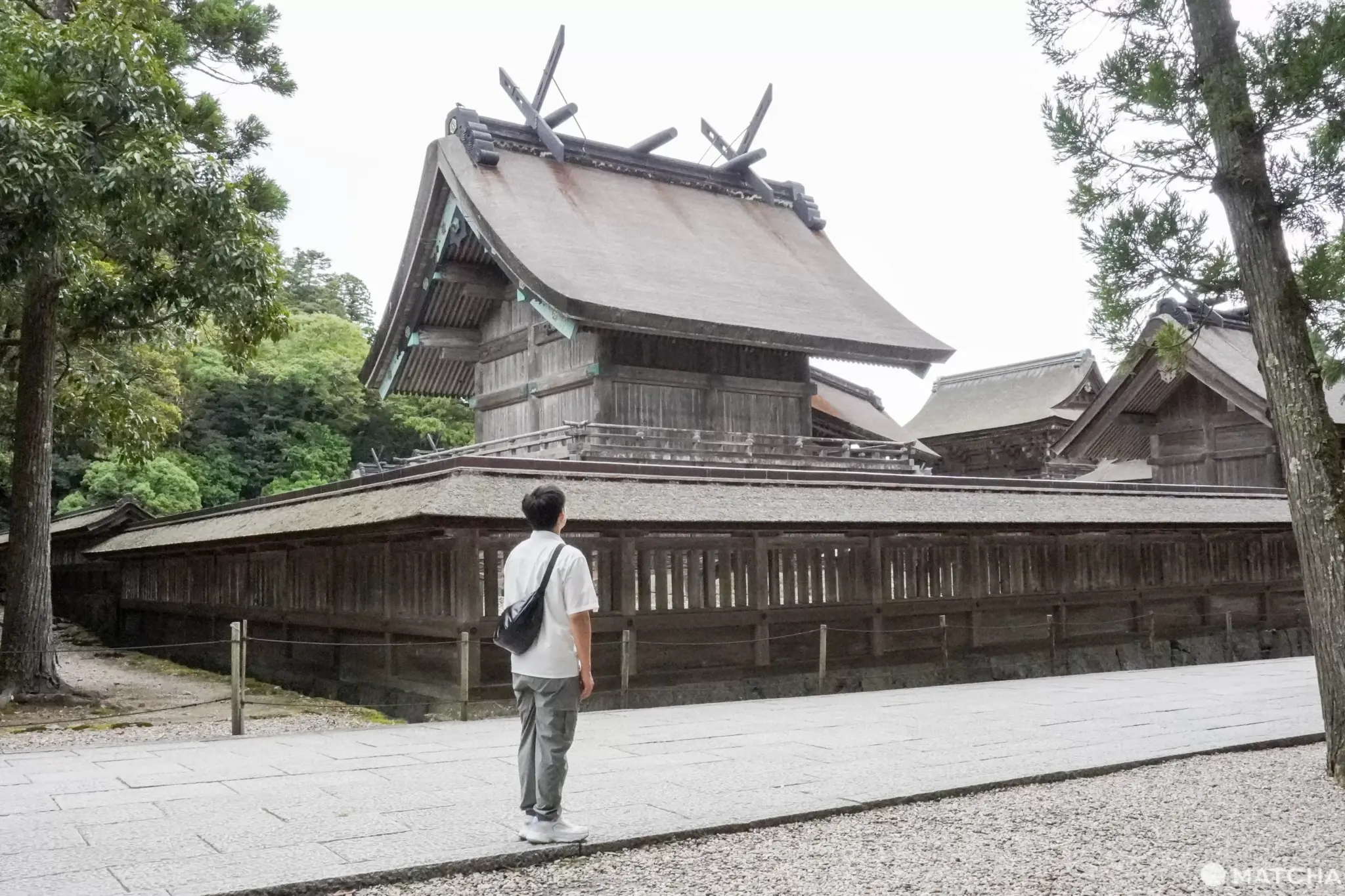
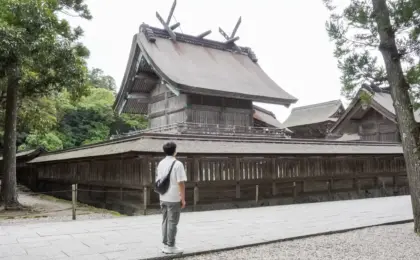
- 14:00 – Izumo Taisha: The Sanctuary of Human Connections: Enter the hallowed grounds of Izumo Taisha, dedicated to Okuninushi no Okami, the deity of en-musubi (destined ties and relationships). Visitors must observe the unique ritual protocol here: two bows, four claps, and one final bow. Marvel at the immense oshimenawa (sacred straw rope) hanging inside the Kaguraden, measuring roughly 13 meters in length. Finally, visit Soga no Yashiro Shrine behind the main sanctuary. Deposit the sand collected earlier from Inasa Beach into the designated offering box, and take away an equivalent portion of blessed o-suna (sacred sand) to serve as a spiritual amulet for home purification.
- 15:20 – Return Transit and Evening Departure: Walk to the retro yellow-facade of Izumotaisha-mae Station, board the 15:20 Ichibata Electric Railway train, and transfer via Kawato Station back to Dentetsu-Izumoshi Station. After reclaiming your bags, board the 17:00 highway bus from Bus Stop No. 3 in front of Izumoshi Station, arriving smoothly back at the Hiroshima Bus Center by 20:07.
ITINERARY 2: MATSUE—NAVIGATING THE HISTORIC "CITY OF WATER"
If your travel preferences lean toward feudal architecture, defensive engineering, and maritime landscapes, the Hiroshima-to-Matsue corridor offers an equally compelling alternative. Known widely as the "Water Capital," Matsue is embraced by the aquatic systems of Lake Shinji, the Ohashi River, and a complex network of historic castle moats.
Detailed Chronology: The Matsue Day-Trip Blueprint
- 07:25 – Departure from Hiroshima: Depart from Platform 9 of the Hiroshima Bus Center on the morning express coach, arriving directly at Matsue Station at 10:23. Store bulk luggage in the station’s coin lockers.
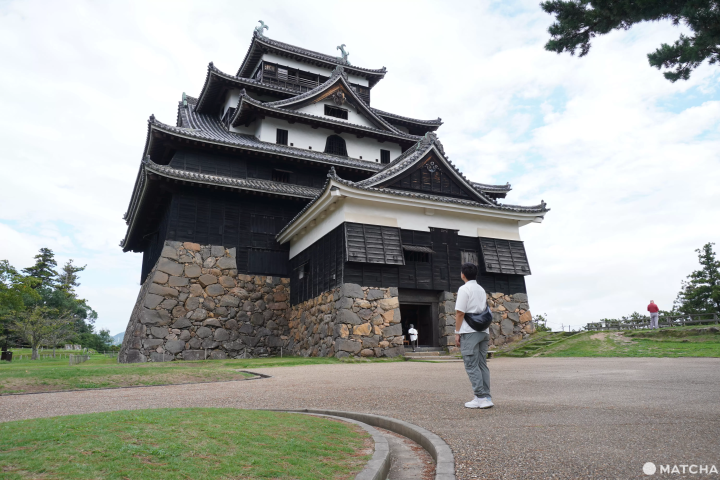
- 10:30 – Matsue Castle and the Horikawa Moat Cruise: Board the Gurutto Matsue Lake Line tourist loop bus, arriving at the Horikawa Sightseeing Boat Boarding Point by 10:47. Begin your exploration at Matsue Castle, one of only twelve surviving original castle keeps (tenshu) in Japan and one of merely five designated as a National Treasure (official status confirmed in 2015 following the discovery of historical prayer tablets dating construction to 1611). Climb to the uppermost Tengu-no-ma observation level for panoramic 360-degree views of the city and Lake Shinji.
- 11:45 – Horikawa Moat Cruise: Step directly from the castle gates to the Otemae Hiroba Pier to embark on a 50-minute boat tour of the 3.7-kilometer moat network. As the flat-bottomed vessel glides past stone ramparts, passengers experience the signature highlight of the tour: ducking in unison as the boat’s roof is mechanically lowered to clear ultra-low historical bridges. With all-day hop-on, hop-off tickets, the waterways serve as a functional, highly scenic water taxi.
- 12:30 – Shimane Local Products Center: Adjacent to the castle grounds, browse an extensive catalog of regional specialties—ranging from Lake Shinji’s prized shijimi clams and traditional wagashi sweets to authentic Izumo soba, local sakes, and handcrafted pottery.
- 13:00 – Taimeshi Lunch at Garden Restaurant Minami: Take a scenic 7-minute walk to Minamikan, a century-old ryokan. Dine at its ground-floor restaurant overlooking an exquisite karesansui (dry landscape) garden that incorporates Lake Shinji as "borrowed scenery"—a garden ranked 5th nationwide in the 2025 Japan Garden Rankings. Indulge in Matsue’s historic signature dish: Taimeshi. Dating back to the era of feudal lord Matsudaira Fumai, this delicacy features seasoned minced sea bream, rich egg yolk, and savory garnishes over rice, drenched in piping-hot, bonito-based dashi broth.
- 14:00 – Lake Shinji Views at the Shimane Art Museum: Stroll 16 minutes to the lakeside Shimane Art Museum. While exhibition galleries ticketed, the expansive first-floor lobby is free to enter, featuring floor-to-ceiling glass framing Lake Shinji—celebrated as one of the "Top 100 Sunsets in Japan." The museum also houses a world-class collection of roughly 3,000 ukiyo-e prints, including 1,600 works by Katsushika Hokusai, donated by the late scholar Seiji Nagata. Before leaving, locate the bronze Shinji Lake Rabbits sculpture on the grounds; stroking the second rabbit from the lake shore while facing west is said to bring good fortune.
- 18:17 – Return Transit: Board local bus route 81-1 from the Kenritsu Bijutsukan-mae stop, returning to Matsue Station by 18:25. Catch the 19:00 highway bus from Platform 9, arriving back at the Hiroshima Bus Center at 22:04.
SUPPORTING CONTEXT & METRICS: INFRASTRUCTURE AT A GLANCE
To assist travelers in planning their regional excursions, the following operational metrics highlight the efficiency and accessibility of the Hiroshima-Shimane transit network (current as of September 2026):
| Route Corridor | Daily Frequency | Average Transit Time | One-Way Fare Advantage | Key Infrastructure Points |
|---|---|---|---|---|
| Hiroshima – Matsue | 11 round trips (Wkdays) 12 round trips (Wkends) |
~3 Hours | Up to 6,000 yen cheaper than Shinkansen + Express rail | Hiroshima Bus Center (Pl. 9), Matsue Station (Pl. 9 / Pl. 3 North Exit) |
| Hiroshima – Izumo | 7 daily round trips | ~3 Hours | Up to 6,000 yen cheaper than Shinkansen + Express rail | Hiroshima Bus Center (Pl. 9), Izumoshi Station, Izumo Taisha Terminal |
FUTURE OUTLOOK & STRATEGIC RECOMMENDATIONS
As international tourism to Japan continues to diversify away from primary metropolitan nodes like Tokyo and Kyoto, regional integration between Chugoku’s core (Hiroshima) and its spiritual hinterlands (Shimane) is poised for accelerated growth. The seamless operation of direct highway bus networks underscores a growing commitment by regional transport authorities to reduce infrastructural friction for independent foreign travelers.
For those with flexibility beyond a single day trip, travel authorities recommend booking a multi-day excursion, staying overnight in a traditional ryokan in Tamatsukuri Onsen or Matsue city. This allows visitors to effortlessly combine both itineraries—experiencing the sacred mythology of Izumo Taisha on day one, and the feudal elegance and sunset vistas of Matsue on day two.
Whether undertaken as an intensive 14-hour day trip or an extended regional holiday, venturing north from Hiroshima via express coach unlocks an indispensable dimension of Western Japan—proving that some of the country’s most profound cultural treasures lie just a comfortable three-hour ride away.
Published in cooperation with regional tourism initiatives. Bus schedules and transit details are current as of September 2026; travelers are advised to verify real-time timetables via official operator portals prior to departure.



Belum ada komentar. Jadilah yang pertama berkomentar!