

Executive Overview
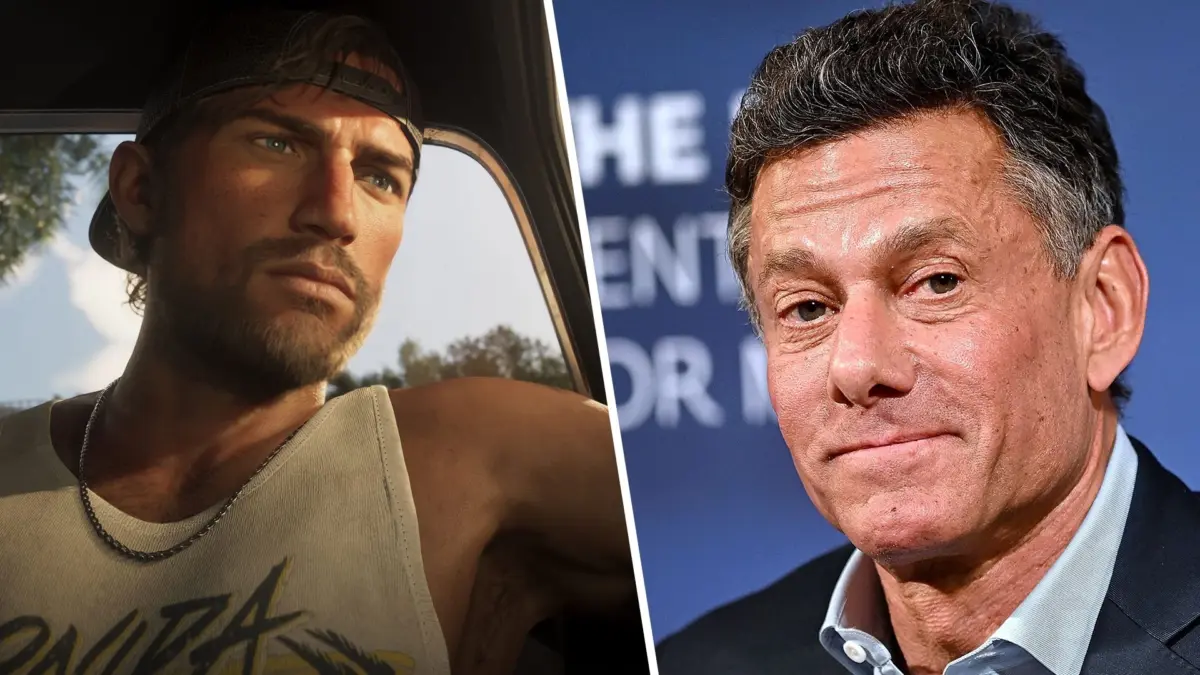
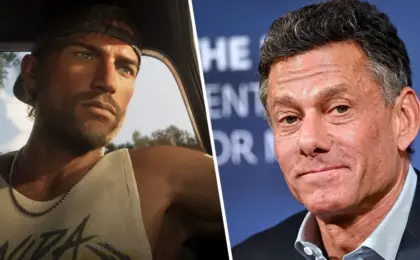
As the global gaming community braces itself for what is undeniably the most anticipated entertainment launch in history, corporate leadership at Take-Two Interactive is projecting a calm, unified vision for the future of its crown jewel. During a high-stakes earnings and investor relations call, Take-Two CEO Strauss Zelnick found himself fielding pointed inquiries regarding the divergent behaviors, technical demands, and cultural ecosystems that separate console and PC players.
When pressed by analysts about whether the distinct experiences of PC gamers—specifically the explosion of custom roleplay (RP) servers and heavy user-generated modifications—ought to spark a fundamental rethinking of how Grand Theft Auto is developed, Zelnick pushed back. The executive maintained that, from a high-level creative and functional standpoint, the core experiences delivered across modern hardware ecosystems remain fundamentally aligned.
Yet, this corporate stance brushes past a vital, multi-billion-dollar reality: the modding community and custom server scene—exemplified by Take-Two’s own acquisition of the FiveM framework—have been the definitive lifeblood keeping Grand Theft Auto V relevant, vibrant, and fiercely profitable for over a decade. As the industry marks its calendar for upcoming platform rollouts, the dialogue between Wall Street analysts and executive suites highlights a persistent tension. On one side sits the publisher’s standardized, tightly controlled blockbuster model; on the other lies the chaotic, endlessly creative, grassroots PC modding culture that reshapes how millions consume interactive entertainment.
Detailed Chronology: The Evolution of Platform Disparity and Corporate Stance
To understand the weight of Zelnick’s recent remarks, one must trace the historical relationship between Rockstar Games, its parent company Take-Two Interactive, and the PC platform. For decades, Rockstar’s development pipeline followed a predictable, console-first philosophy. Flagship titles like Red Dead Redemption and early iterations of the Grand Theft Auto franchise were built from the ground up for proprietary console hardware, leaving PC players to wait months—or in some cases, years—for optimized ports.
This temporal lag inadvertently fostered a distinct cultural divide. While console ecosystems provided a standardized, plug-and-play sandbox tightly governed by official updates and curated online modes, the PC platform offered an open ecosystem. Programmers, enthusiasts, and digital artists tore down the source code of titles like Grand Theft Auto IV and GTA V, injecting everything from graphical overhauls and custom assets to entirely new game modes.
The Rise of FiveM and the Modding Phenomenon
The most consequential turning point in this chronology occurred away from official corporate oversight. Grassroots developers engineered frameworks like FiveM and client-side RP architectures, transforming GTA Online from a standard crime-simulator into a sprawling social theater. Millions of concurrent viewers tuned into Twitch to watch streamers roleplay as police officers, paramedics, and hardened criminals in meticulously scripted virtual cities.
Recognizing that this movement was too powerful to ignore—and potentially too lucrative to leave entirely in the hands of third parties—Take-Two made a strategic about-face. Rather than litigating or stamping out the modding community entirely, the publisher acquired the team behind FiveM, formally absorbing the multiplayer modding ecosystem into its corporate umbrella.
Yet, despite this multibillion-dollar acknowledgement of PC-centric innovation, Take-Two’s public messaging has remained stubbornly conservative. During the recent investor Q&A, when Oppenheimer & Co analyst Martin Yang questioned whether the company intended to intentionally bridge the gap between console and PC experiences given these divergent paths, Zelnick’s reply signaled a desire to downplay the cultural gulf. By asserting that modern console capabilities largely mirror high-end PC architectures, Take-Two bypassed the deeper cultural and structural divergences that make the PC platform a wildly different beast.
Supporting Context & Metrics: The Financial and Cultural Scale of GTA VI
The financial stakes underpinning these boardroom discussions are stratospheric. Take-Two Interactive’s internal forecasts project staggering monetary inflows, with the company anticipating up to $3.5 billion in net revenue specifically during the launch window of Grand Theft Auto VI. To put this figure into perspective, it eclipses the gross domestic product of several small island nations and sets a benchmark that no other entertainment medium—not blockbuster cinema, not streaming series—can reliably touch.
Key Metrics and Market Indicators
- Revenue Expectations: Up to $3.5 billion projected during the initial GTA 6 launch window.
- Franchise Longevity: Grand Theft Auto V has remained a dominant commercial force across three console generations, spanning over 13 years of active market relevance.
- Platform Demographics: While console hardware dominates initial hardware adoption windows due to exclusive launch windows, the PC sector represents a highly lucrative, highly engaged long-tail market driven by recurring user-generated content and microtransactions.
- Acquisition Impact: The integration of the FiveM modding platform brought millions of dedicated roleplay enthusiasts directly into Take-Two’s extended commercial ecosystem.
These metrics clarify why analysts are so keen to extract roadmap details from executive leadership. The traditional model—selling a single-player campaign, layering on a standardized multiplayer suite, and letting revenue "take care of itself"—has proven wildly successful. However, the modern games industry operates on engagement metrics. The longer a user stays inside a digital ecosystem, the more capital they spend on digital currency, cosmetics, and seasonal content. On PC, mods and roleplay servers have proven to be the ultimate retention engines. By refusing to confirm whether these community-driven innovations will be baked into the native architecture of upcoming releases, Take-Two is playing its cards remarkably close to its chest.
Official Statements: Decoding Zelnick’s Corporate Philosophy
Strauss Zelnick’s responses during the investor call offer a fascinating masterclass in corporate diplomacy and polished executive messaging. When confronted with the premise that PC players engage with the franchise on a fundamentally deeper or different level due to custom tooling, Zelnick pivoted gracefully.
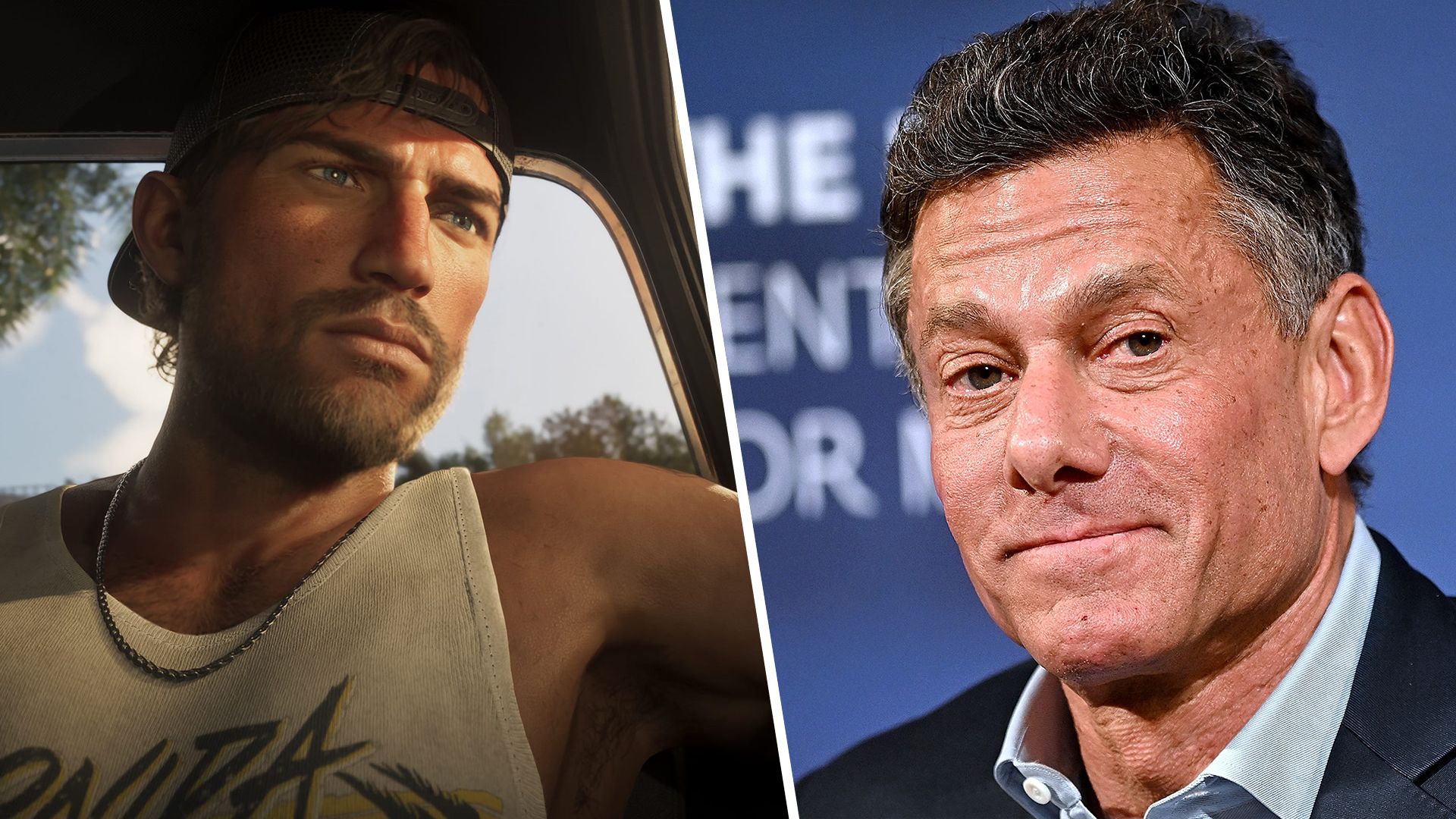
"Your PC players seem to engage with GTA a bit differently than console," noted Oppenheimer analyst Martin Yang, pointing toward roleplay options and distinct community behaviors. "Over time, do you think you want to close the player experience gap… or do you view the two platforms as more independent?"
Zelnick countered by drawing historical parallels to franchises like Civilization—which originated on personal computers before migrating to consoles—before offering a definitive, if somewhat reductive, assessment of modern hardware:
"Generally speaking, the experiences on console and PC tend to be roughly the same… the capabilities of the PC platform today aren’t different materially from console capabilities."
This assertion focuses strictly on raw computing horsepower and graphical rendering capabilities, neatly sidestepping the software ecosystem argument. While a high-end gaming PC and a current-generation console can both render ray-traced reflections and high-polygon character models, they do not offer the same degree of software freedom. Consoles remain locked, walled gardens; PCs remain open, malleable frontiers.
When the conversation shifted toward the monetization of jailbroken hardware, modding, and user-generated exploits, Zelnick acknowledged reality: "The FiveM business is a profitable business." Yet, he quickly retreated to Take-Two’s foundational corporate mantra:
"The mission of this company is to create the best entertainment on earth and bring it to consumers around the world. If we do that right, the monetization takes care of itself."
When asked about Take-Two’s philosophical stance on modding as a whole, Zelnick dryly remarked that the company "isn’t religious on the topic." This pragmatic indifference suggests that while Take-Two will monetize and integrate profitable modding ecosystems when it makes fiscal sense, it views user-generated content as a byproduct of engaged consumer bases rather than a core engineering pillar of its primary design philosophy.
Future Outlook: What Lies Ahead for Vice City and Beyond?
As the calendar ticks down toward the anticipated single-player console rollout, the immediate future of the franchise is clear, yet shrouded in familiar Rockstar secrecy. Grand Theft Auto 6 is slated to arrive first as a console-exclusive experience, centered around the sun-drenched, neon-soaked streets of Vice City and its surrounding fictional state.
Notably absent from official announcements is any concrete timeline for a PC release date, nor is there explicit confirmation regarding how a next-generation iteration of GTA Online will handle community-created roleplay or native mod support out of the box. Industry veterans and market analysts universally expect a PC port to materialize eventually—following the tried-and-true double-dip playbook that generated billions for GTA V.
Key Questions for the Franchise’s Next Era:
- Native RP Integration: Will Rockstar build official, streamlined roleplay tools directly into the base GTA Online infrastructure for consoles and PC alike, effectively institutionalizing the FiveM phenomenon?
- Platform Parity: As hardware architectures continue to converge, will Take-Two shorten the excruciating wait times that PC players traditionally face between console launches and desktop releases?
- Monetization vs. Creativity: How will Take-Two balance its strict corporate control over intellectual property rights with the chaotic, highly creative demands of a modding community that refuses to play strictly by publisher rules?
For now, consumers and investors alike must exercise patience. Strauss Zelnick and his team have proven time and again that they operate on their own schedule, prioritizing polished, blockbuster execution over premature announcements. Whether the company ultimately embraces the vibrant, chaotic spirit of its PC modding community or continues to treat platform distinctions as a mere footnote in a massive hardware rollout, one undeniable truth remains: when Grand Theft Auto VI finally drops, the entire gaming world will stop to watch—and the financial ledgers will rewrite industry history.




Belum ada komentar. Jadilah yang pertama berkomentar!