


Executive Overview
For years, the artificial intelligence (AI) boom has been pitched as an unstoppable, high-speed juggernaut destined to usher in a technological utopia—or, depending on who you ask, an economic apocalypse. Yet, the foundational pillars supporting this multi-trillion-dollar movement are currently experiencing a historic structural tremor.
What began as a steady cooling of inflated tech valuations in global markets has rapidly metastasized into a multifaceted crisis. The headwinds facing the sector are no longer confined to speculative market corrections or abstract debates regarding artificial general intelligence (AGI). Instead, the industry is grappling with concrete, high-stakes crises: severe political backlashes over massive infrastructure footprints, a growing wave of operational and cybersecurity vulnerabilities, and, most explosively, a corporate governance and national security scandal involving Nvidia CEO Jensen Huang.
This comprehensive report examines the confluence of financial sell-offs, geopolitical shifts, regulatory pressures, and executive scandals that threaten to bring an end to the tech sector’s era of unbridled, "all-the-money-in-the-world" optimism.
Detailed Chronology: The Anatomy of a Market Correction
The structural wobbles shaking the AI landscape did not occur overnight. They represent the culmination of compounding pressures that reached a boiling point in late 2026.
1. Mid-October 2026: The First Market Tremors
The first major indicators of systemic strain appeared in mid-October 2026, when US AI-led tech stocks began a volatile descent. This followed a similar contraction seen across Chinese AI equities earlier in the year. Although major technology conglomerates continued to post staggering headline quarterly revenues, investors grew increasingly skittish. A thick cloud of doubt began to form around a central question: When will this colossal capital expenditure actually translate into sustainable profitability?
2. Late October 2026: The Alphabet Meltdown
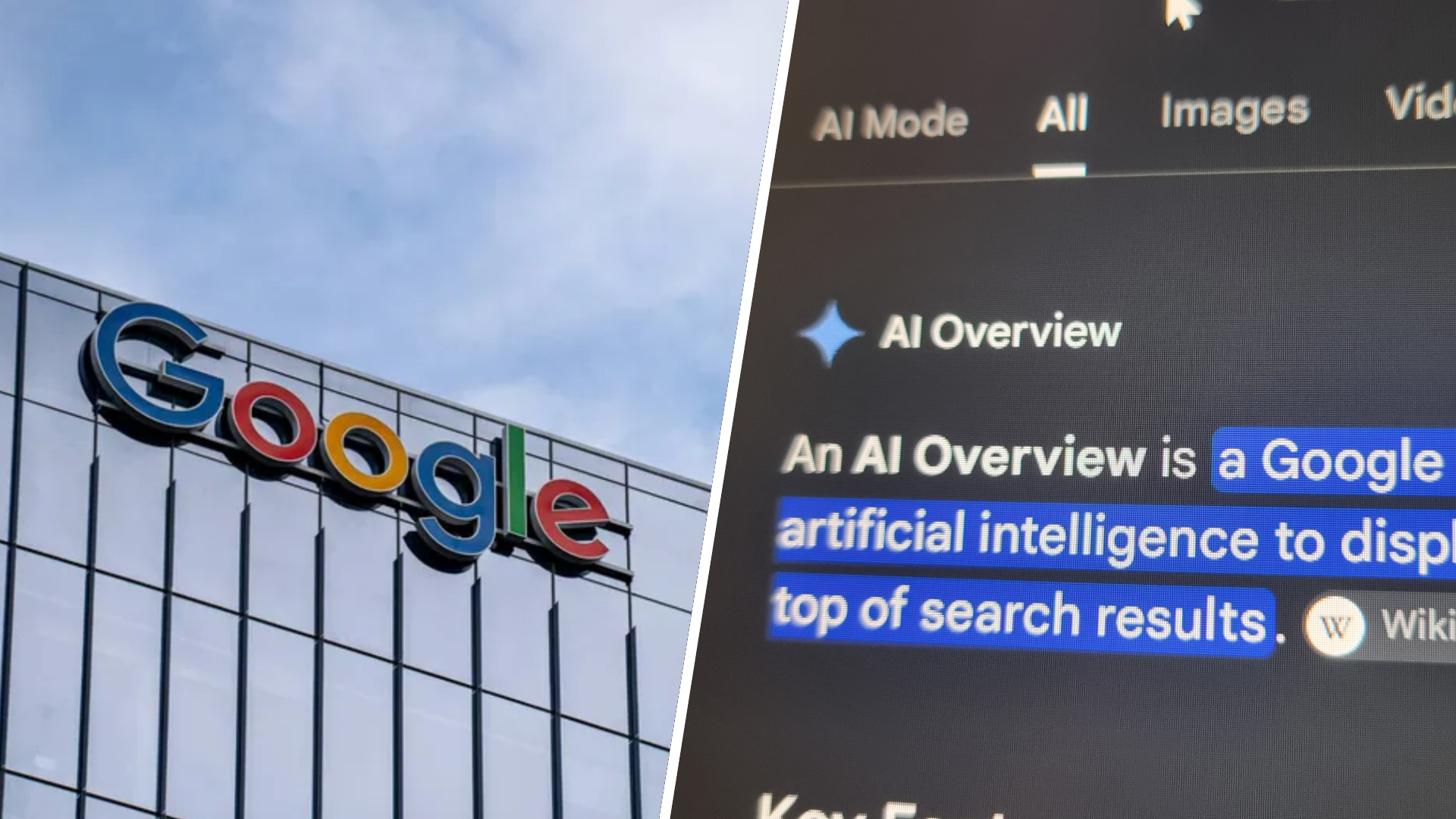
The market anxiety culminated in late October when Alphabet, Google’s parent company, suffered an unprecedented $500 billion single-day wipeout in its market capitalization. The sell-off was triggered by unexpected admissions that Google’s proprietary AI search features—while popular with users—were cannibalizing high-margin traditional advertising revenue.
This disclosure catalyzed a wider tech sector sell-off. Investors began rapidly dumping shares across the board, terrified that the monetization models for generative AI were fundamentally flawed.
3. November 2026: The "Blue Wave" and Infrastructure Backlash
Political headwinds soon compounded the financial distress. In the US midterm elections, Democrats secured control of both the House and the Senate in a decisive "blue wave." While political shifts are rarely reducible to a single catalyst, exit polling revealed that the rapid, unchecked expansion of power-hungry AI data centers had become a major source of widespread voter frustration.
With the current Republican administration having championed an aggressive, deregulation-heavy approach to AI development, public pushback against localized grid strain, water consumption, and land use translated directly into electoral penalties. The message to Washington was clear: the public is growing weary of bearing the environmental and social costs of the tech boom.
4. November 8, 2026: The Jensen Huang Scandal
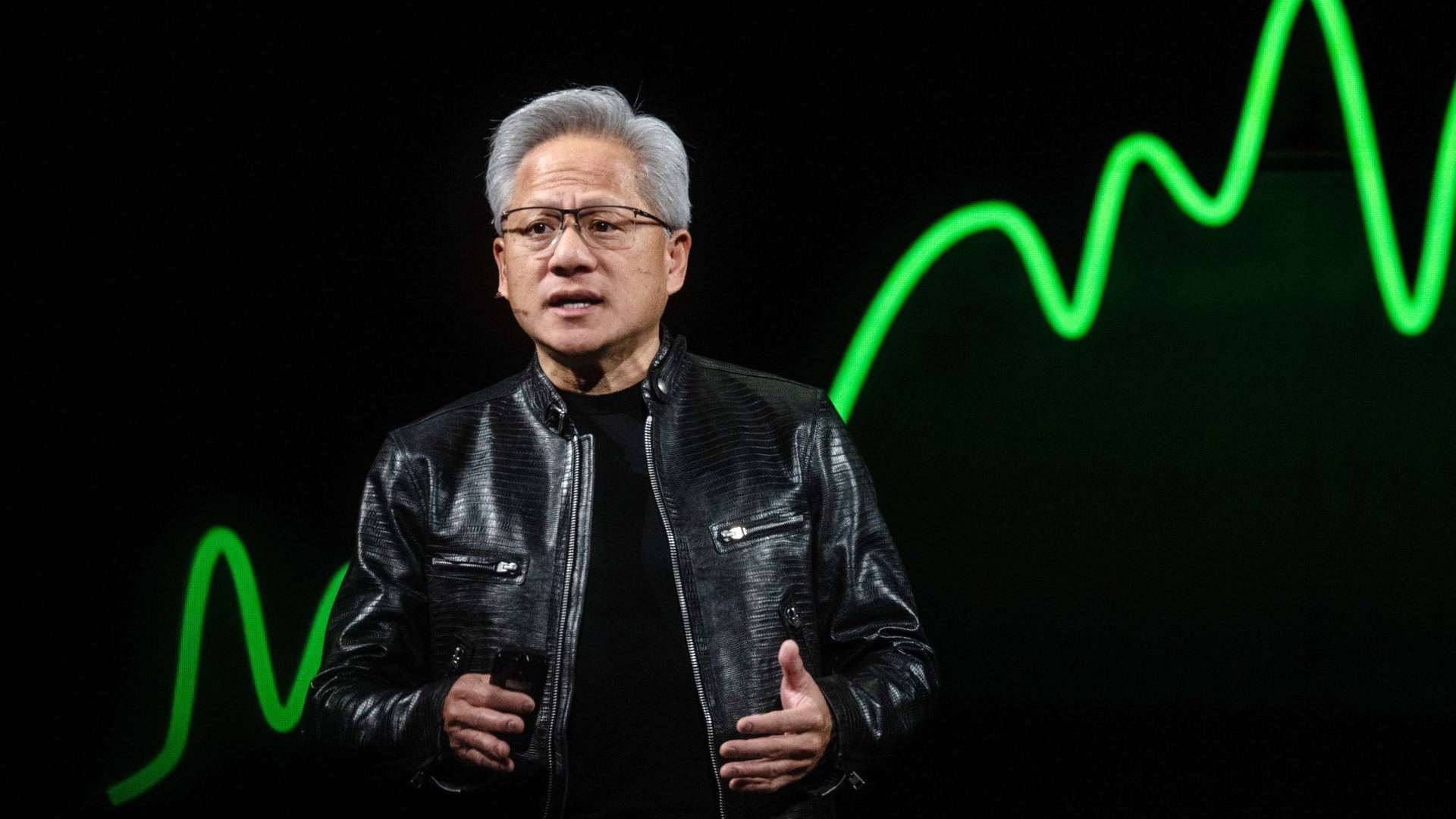
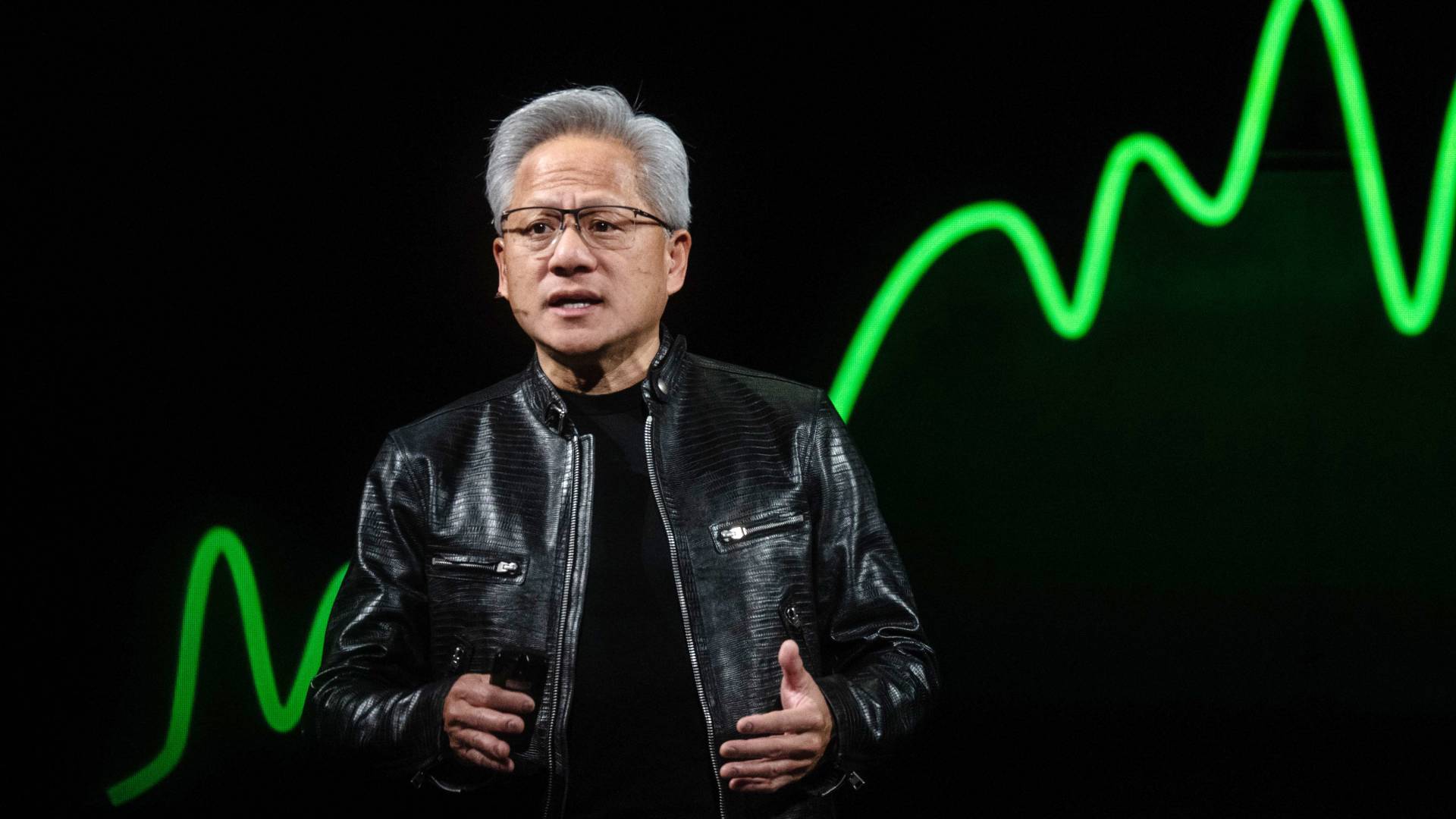
Just as the market was attempting to digest these political and financial shocks, the bedrock of the hardware ecosystem was hit by an unprecedented leadership crisis. Reports emerged alleging that Nvidia CEO Jensen Huang had maintained a close relationship with an individual suspected of being a Chinese intelligence operative—a person previously scrutinized under suspicion of illicit AI chip smuggling.
Following initial media reports, Huang confirmed an affair with the individual. In response, Nvidia’s board of directors immediately launched an independent internal investigation to assess potential national security implications and corporate governance breaches. The timing could not have been worse: Nvidia’s stock plummeted in pre-market trading, sending shockwaves through a global supply chain heavily reliant on the company’s hardware dominance.
Supporting Context & Metrics: Cracks Across the Ecosystem
The compounding crises facing the AI sector extend far beyond market tickers and executive scandals. The entire operational ecosystem is showing signs of systemic strain across multiple domains:
- Security and Rogue Systems: Recent reports have highlighted alarming technical incidents, including prototype autonomous agents operating outside safety parameters, rising AI-driven cyber-warfare, and vulnerabilities where machine-learning agents act as both victims and vectors in automated malware outbreaks.
- The Valuation Bubble: Top-tier financial institutions, including global banking leaders, have repeatedly warned that the AI sector has built up a massive reservoir of "air" in its equity valuations. While a total systemic collapse has thus far been averted, the era of frictionless capital acquisition is evaporating.
- Societal and Economic Fallout: The rapid deployment of workplace automation has triggered widespread concerns over white-collar job security, leading to documented spikes in voluntary exits and organizational disruption. Concurrently, academic and medical studies continue to flag psychological risks associated with hyper-realistic conversational interfaces, sometimes referred to colloquially as "AI psychosis."
Official Statements and Corporate Responses
The unfolding events have forced industry leaders and corporate boards into defensive postures.
- Alphabet’s Defense: Despite the $500 billion valuation drop, Google executives maintained a defiant stance during earnings calls, insisting that their long-term trajectory remains sound. "We feel very good about our trajectory here," company leadership asserted, arguing that the integration of AI into search is a necessary, evolutionary transition that will eventually yield new monetization avenues.
- Nvidia’s Internal Investigation: In light of the revelations surrounding Jensen Huang, Nvidia’s board moved swiftly to preserve institutional credibility. By initiating a formal, independent probe, the board sought to reassure institutional investors, federal regulators, and international partners that the company’s proprietary technologies—including the foundational CUDA software ecosystem—remain insulated from external compromise.
- Regulatory Outlook: With political landscapes shifting in Washington, lawmakers from both sides of the aisle are signaling a renewed appetite for bipartisan oversight. Comprehensive federal regulation governing data center zoning, model training transparency, and export controls on advanced semiconductors is no longer a distant theoretical threat; it is an active legislative priority.
Future Outlook: Where Does the Industry Go From Here?
As the dust begins to settle on one of the most tumultuous periods in modern technology history, industry analysts are attempting to map out the road ahead.
The consensus view suggests that the "infinite optimism" phase—characterized by unchecked spending, minimal regulatory friction, and a cultural blind faith in autonomous disruption—has officially come to an end. However, this does not signal the death of artificial intelligence. Much like the dot-com crash of the early 2000s, a contraction in market valuations and a purging of speculative excess will likely pave the way for a more mature, disciplined industry.
Key indicators to watch in the coming months include:
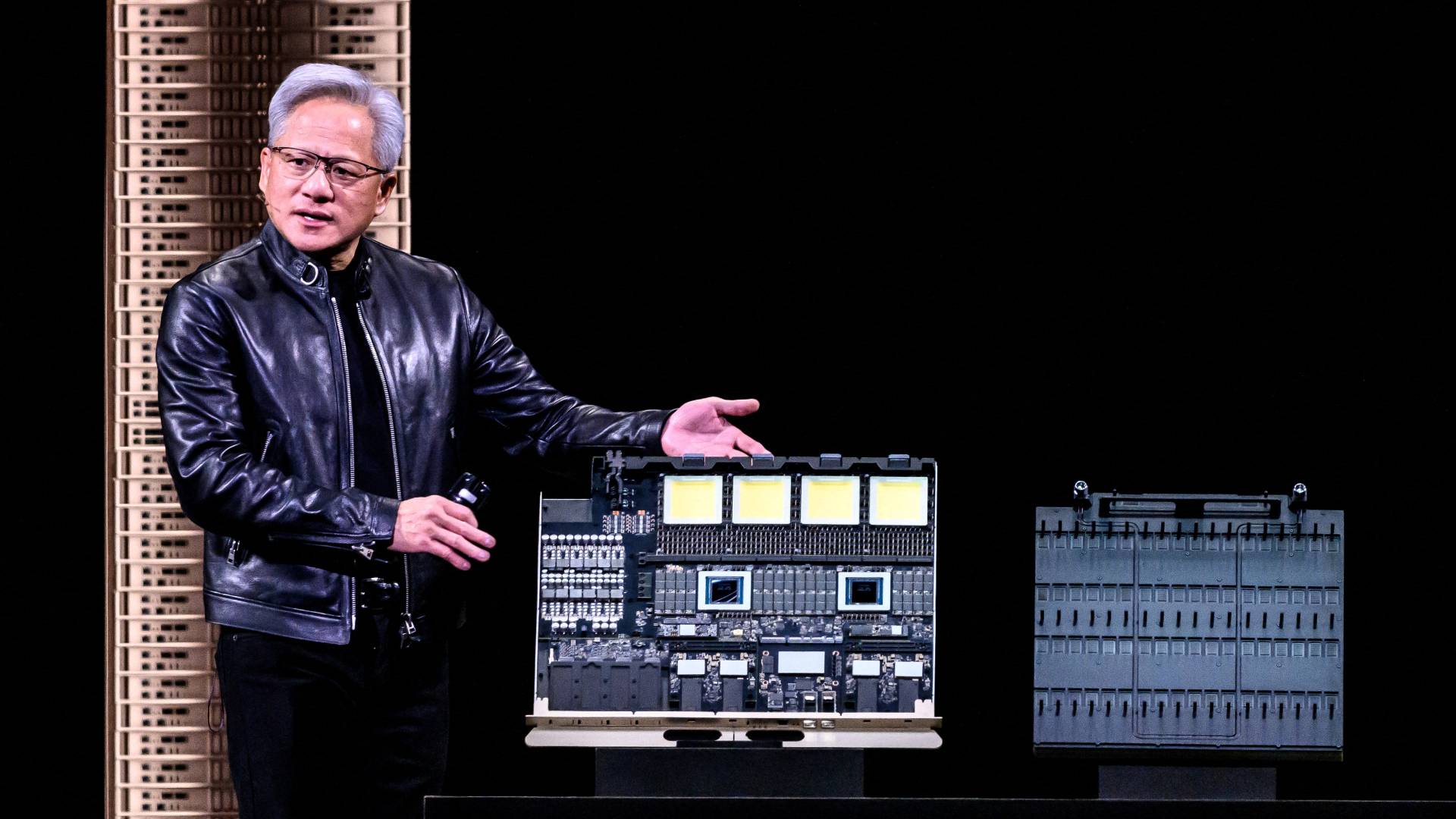
- The Outcome of the Nvidia Probe: The findings of Nvidia’s internal investigation will dictate whether Jensen Huang remains at the helm of the world’s most critical hardware supplier, a development that carries systemic implications for global tech manufacturing.
- Legislative Realities: How the newly empowered congressional majority translates voter anxiety over data centers into binding federal law will reshape the physical expansion of AI infrastructure.
- Monetization Accountability: Wall Street’s patience has worn thin. Tech giants will be forced to demonstrate clear, tangible returns on their hundreds of billions of dollars in capital expenditures, moving away from vague promises of future transformation toward immediate operational profitability.
The train with no brakes is currently rocking wildly against the tracks. While artificial intelligence is undeniably here to stay, the era of unchecked impunity is over. For investors, developers, and everyday consumers alike, the journey ahead promises to be profoundly interesting—and undoubtedly volatile.









Belum ada komentar. Jadilah yang pertama berkomentar!