

Executive Overview
For fans of classic first-person immersive sims and tactical action games, the current gaming landscape feels nothing short of a renaissance. The convergence of retro-inspired design, modern engine physics, and a ravenous appetite for challenging, atmospheric gameplay has sparked a wave of revivals and spiritual successors. While the industry is currently buzzing over Nightdive’s upcoming Thief remaster—complete with a brand-new campaign crafted by the legendary Black Parade mod team—and Ubisoft’s community-driven revival of Dark Messiah of Might and Magic, a new indie contender has quietly entered the fray.
Developed by solo creator Reliquary Software, The Citadel Project emerges as a fascinating hybrid. It boldly marries the stealth mechanics and oppressive shadow-drenched architecture of Looking Glass Studios’ foundational masterpiece, Thief: The Dark Project, with the physics-driven environmental combat and unbridled kinetic energy of Arkane Studios’ Dark Messiah of Might and Magic. Furthermore, it blends these classic lineages with contemporary indie gaming’s obsession with massive, imposing megastructures.
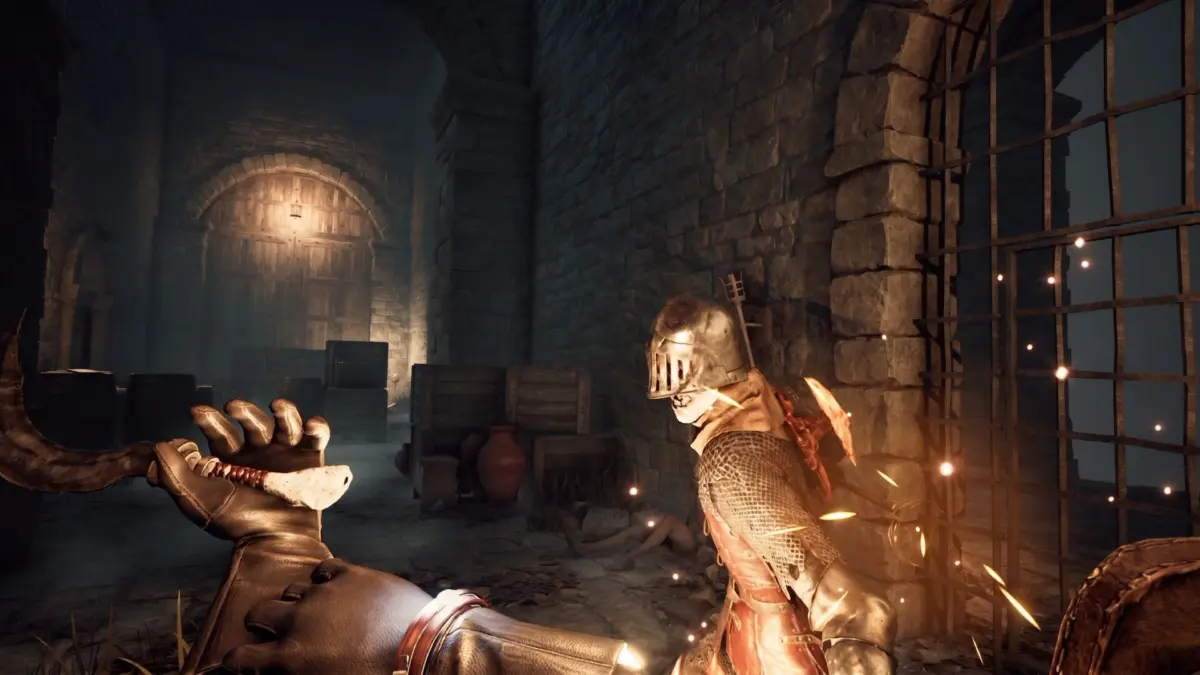
Casting players as a sickle-wielding prisoner fighting to escape a sprawling medieval fortress swarming with shambling undead guards, The Citadel Project promises a potent cocktail of stealth, survival, and physics-based carnage. With a playable demo already available on Steam and an early access release slated for November 11, the title is positioned to capture the attention of old-school PC purists and modern immersive sim enthusiasts alike. As a wave of similar projects—such as Gloomwood, Fatekeeper, and Alkahest—flood the market, The Citadel Project stands out by daring to combine two distinct pillars of 1990s and 2000s PC gaming into a single, cohesive vision.
Detailed Chronology: The Evolution of Immersive Sims and Physics Combat
To understand the significance of The Citadel Project, one must trace the lineage of the genres it so clearly draws inspiration from. The history of first-person stealth and physics-driven interaction is marked by groundbreaking milestones that forever altered PC gaming.
The Foundation: The Immersive Sim Era (1998–2006)
- November 1998 (Thief: The Dark Project): Looking Glass Studios released Thief, introducing a revolutionary light-and-sound stealth system. Players relied on shadows, ambient noise, and specialized tools like water arrows and moss arrows to ghost past guards. It established a gold standard for atmospheric world-building and systemic stealth that few games have successfully replicated.
- October 2006 (Dark Messiah of Might and Magic): Developed by Arkane Studios, Dark Messiah took a vastly different approach to first-person combat. Rather than prioritizing stealth, it transformed the perspective into a playground of kinetic physics. Players could kick enemies into spiked walls, set traps with elemental magic, and manipulate the environment to dispatch foes in wildly creative ways.
- October 2012 (Dishonored): Arkane Studios synthesized these two philosophies—the stealth of Thief and the supernatural combat freedom of Dark Messiah—into Dishonored. While critically acclaimed, it leaned heavily into high-fantasy assassination rather than raw medieval survival horror.
The Modern Indie Renaissance and The Citadel Project Timeline
- Mid-2020s: A surge of indie developers began tackling retro-styled immersive sims, leading to the early access triumph of Gloomwood (a spiritual successor to Thief) and announcements for projects like Fatekeeper and Alkahest (Dark Messiah-inspired action RPGs).
- Late 2024 / Early 2025: Reliquary Software begins generating buzz for The Citadel Project, a title explicitly designed to fuse the subterranean shadow-stalking of Thief with the aggressive physics combat of Dark Messiah.
- Current Status (Late 2024 Demo Launch): Reliquary Software releases a playable Steam demo showcasing the game’s opening cavern escape sequence, combat parry systems, and moody atmosphere.
- Upcoming Milestone (November 11): The Citadel Project is officially scheduled to launch into Steam Early Access, closely preceding major franchise updates including Nightdive’s Thief Remastered expansion (December 3) and the Dark Messiah community edition.
Supporting Context & Metrics: Analyzing the Mechanics of The Citadel Project
A closer examination of The Citadel Project reveals how Reliquary Software has meticulously woven disparate design philosophies into a unified gameplay loop.
Core Gameplay Pillars
- Stealth and Light Management (Thief DNA): Environments are shrouded in deep, oppressive shadows. Players must monitor light levels, muffle their footsteps, and utilize a specialized crossbow capable of firing water bolts to extinguish torches and moss quarrels to silence stone floors.
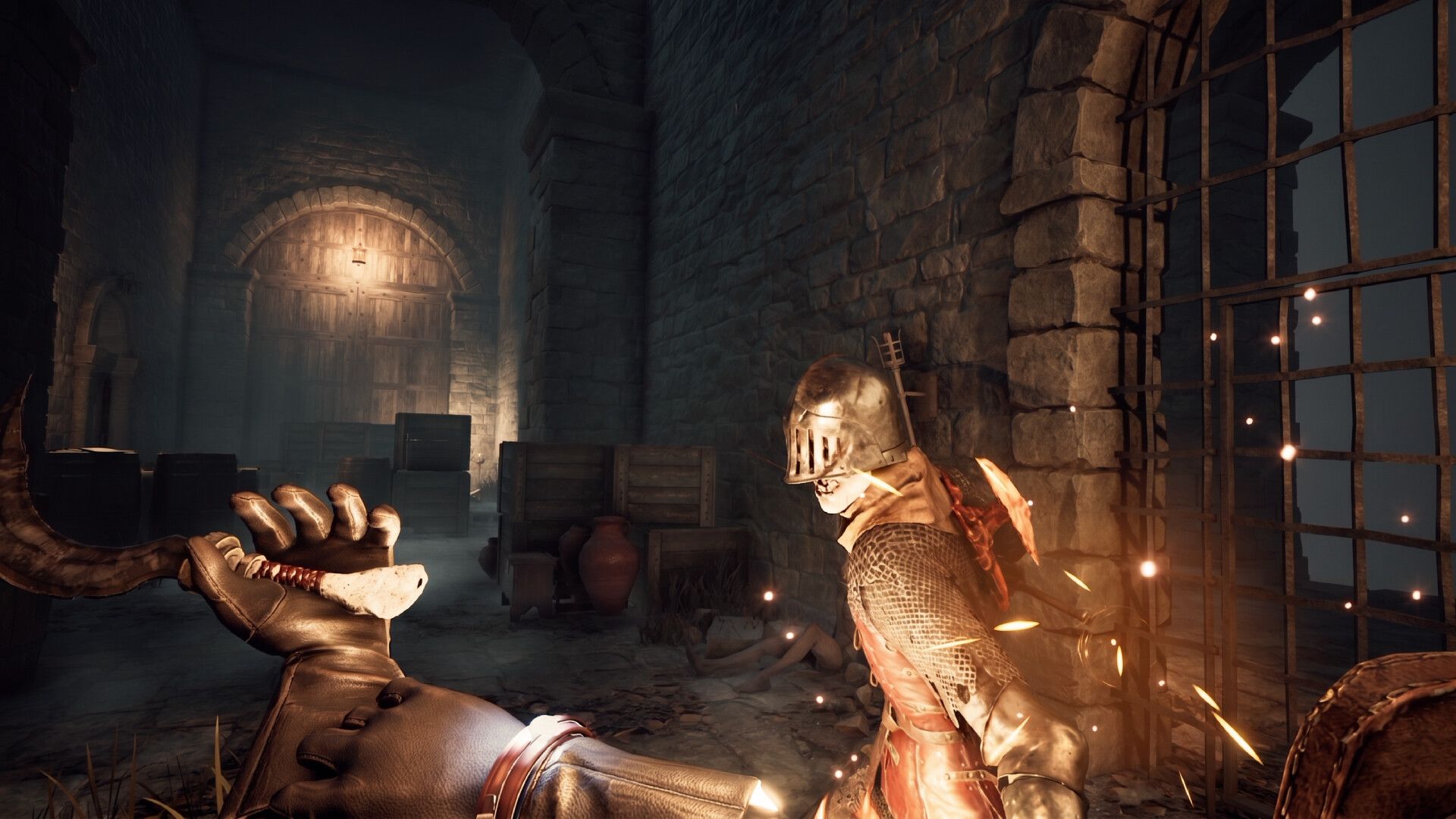
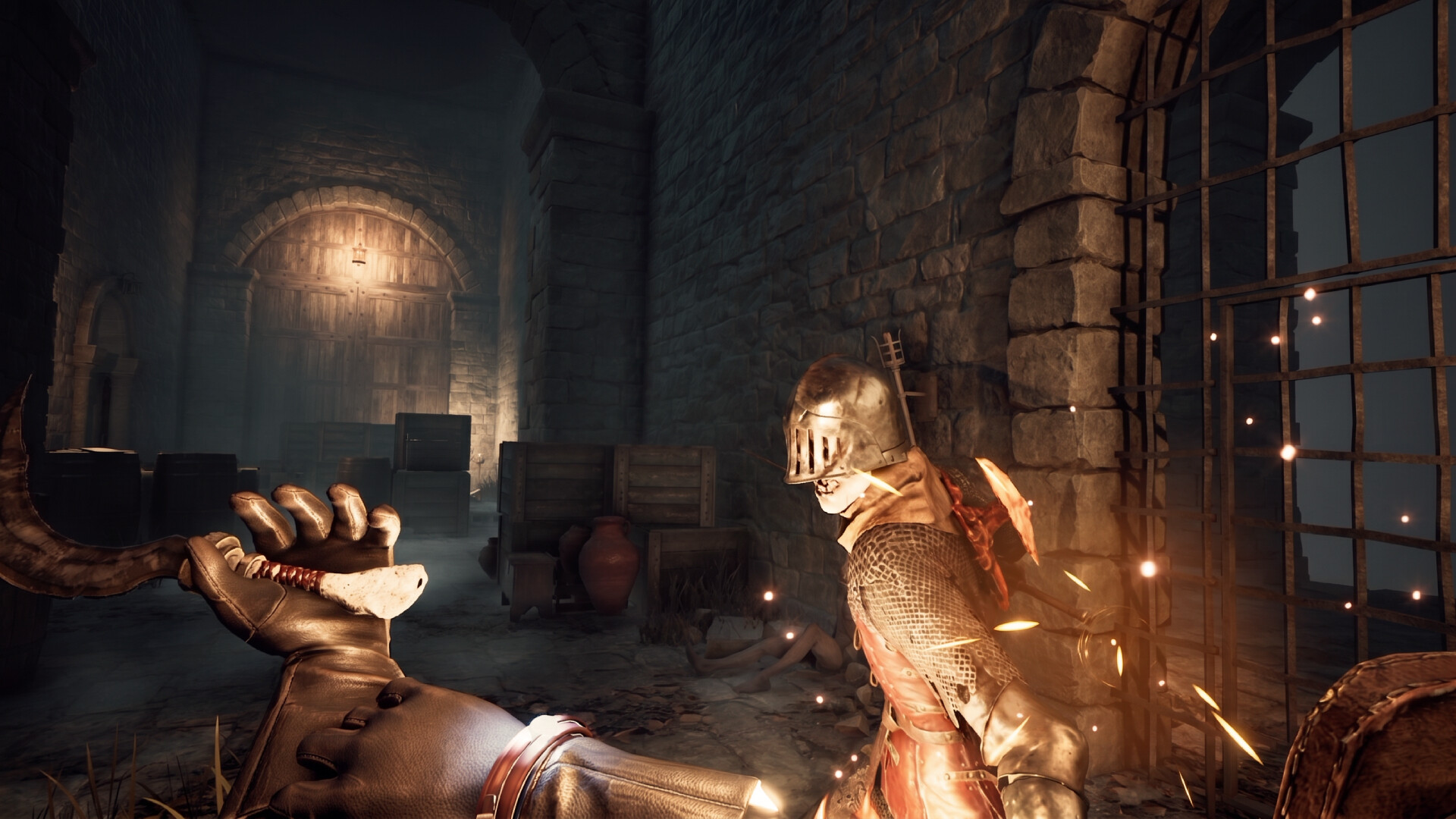
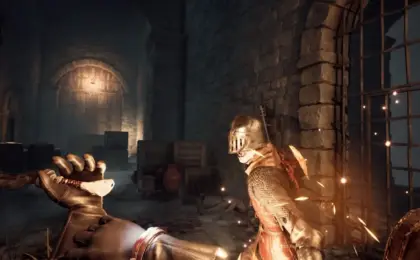
- Environmental Physics and Brutality (Dark Messiah DNA): Combat is not merely about exchanging sword blows; it is about spatial awareness. Armed with a sickle, players can parry incoming undead attacks, but their most potent weapon is often physics. A well-timed shove can send an armored skeleton tumbling off a gothic ledge or directly into a strategically placed spike trap.
- Exploration and Progression (Dark Souls Influence): Eschewing traditional linear mission structures, The Citadel Project incorporates bonfire-like checkpoints where players can rest, recuperate, and upgrade their character. Narrative delivery is similarly decentralized, relying on environmental storytelling, collectible notes, and cryptic item descriptions rather than heavy-handed exposition.
Comparative Mechanics Breakdown
| Game Feature | Thief: The Dark Project | Dark Messiah of Might and Magic | The Citadel Project |
|---|---|---|---|
| Primary Perspective | First-Person | First-Person | First-Person |
| Stealth Mechanics | Core focus (light gem, audio propagation) | Minimal / Optional | Core focus (shadows, sound masking) |
| Combat Style | Melee / Blackjack / Archery | Aggressive melee, magic, kick mechanics | Sickle combat, parrying, physics shoves |
| World Design | Gothic / Steampunk levels | Linear fantasy campaigns | Sprawling medieval fortress / Megastructure |
| Progression System | Mission-based loot objectives | Linear skill trees | Bonfire checkpoints & item-based lore |
The game’s currently available demo provides a taste of this hybrid design. While initial hands-on reports note that some player-enemy interactions and hitbox collision mechanics still require polishing, the overall atmosphere succeeds brilliantly. The sheer verticality and oppressive scale of the fortress evoke a genuine sense of claustrophobia and dread.
Official Statements & Developer Insights
Solo developer Reliquary Software has maintained a focused, indie-centric development pipeline, communicating updates primarily through Steam community posts and developer vlogs. While traditional corporate press releases have been sparse given the studio’s independent nature, the design philosophy behind The Citadel Project is evident in early access documentation and trailer breakdowns.
In official communications accompanying the Early Access Date Trailer, Reliquary Software emphasized the desire to return to the tactile, uncompromised PC gaming roots of the late ’90s and 2000s:
"The goal with The Citadel Project was never to modernize or water down the immersive sim experience for a broader audience. It is an unapologetic homage to the tactile world interactions of Arkane’s early work and the uncompromising shadow-shrouded tension of Looking Glass Studios. We want players to feel vulnerable, resourceful, and lethal all at once."
Industry analysts and critics who have previewed the demo note that while the game carries the hallmarks of a solo developer project—such as occasionally rough animations and baseline enemy artificial intelligence—the core mechanical identity is remarkably sharp. Reviewers from major outlets have highlighted that the inclusion of physics-based environmental hazards fundamentally changes how players approach stealth encounters, transforming standard guard patrols into tactical environmental puzzles.
Future Outlook: The Immersive Sim Renaissance Ahead
The launch of The Citadel Project into Steam Early Access on November 11 marks the beginning of an extraordinary winter season for retro-immersive sim enthusiasts.
As the gaming industry prepares for a triple-whammy of classic revivals—kickstarted by The Citadel Project, followed closely by the Nightdive Thief expansion featuring the Black Parade mod team on December 3, and rounded out by Ubisoft’s community-backed Dark Messiah edition later in December—the market is proving that classic game design principles remain deeply relevant.
For The Citadel Project, early access will serve as a crucial crucible. Community feedback will undoubtedly shape the refinement of its parry combat, enemy pathfinding, and the expansion of its labyrinthine megastructure. If Reliquary Software can successfully polish its physics interactions while maintaining the tense, atmospheric dread established in the demo, The Citadel Project may well evolve from an ambitious indie experiment into a modern cult classic in its own right.
Whether players prefer creeping silently through pitch-black corridors with a water arrow drawn or kicking undead sentinels into medieval spikes, the coming months offer an embarrassment of riches for anyone who longs for the golden age of first-person PC engineering.






Belum ada komentar. Jadilah yang pertama berkomentar!