

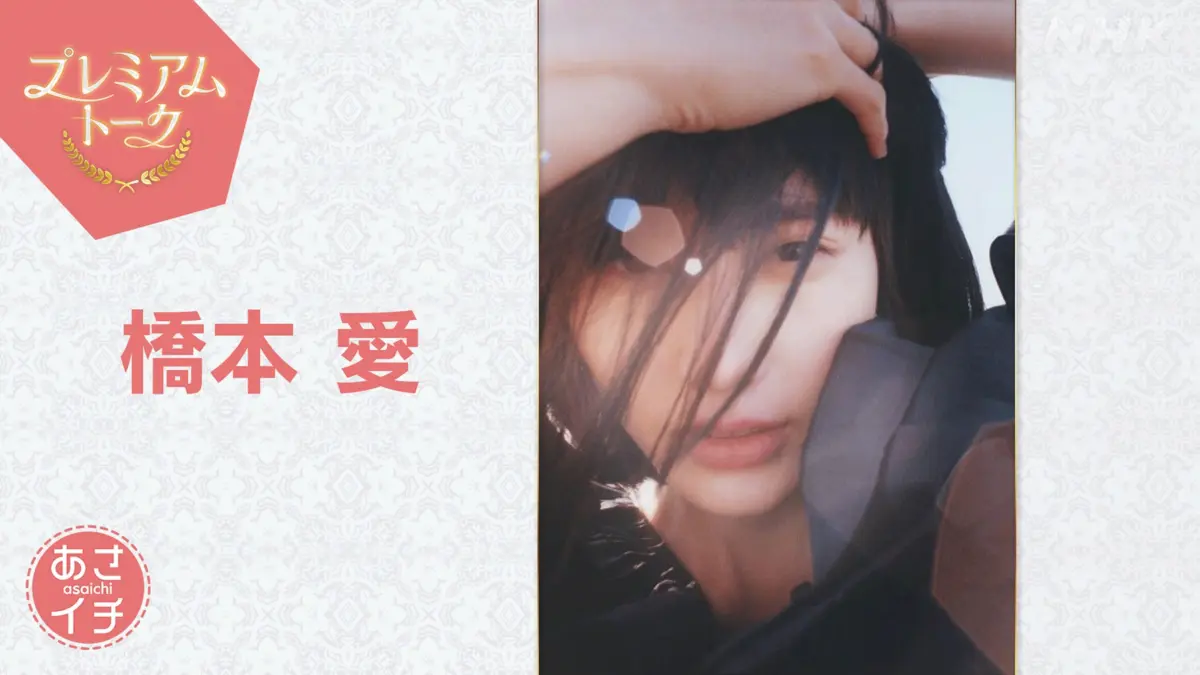
In an era where television broadcasting continually searches for ways to recapture the magic of appointment viewing, NHK’s flagship morning talk program, Asaichi, managed to achieve a rare cultural phenomenon. On November 6, 2026, the broadcast delivered an episode that instantly galvanized social media, dominated national headlines, and sparked a wave of intense nostalgia across Japan. The centerpiece of this landmark television event was the appearance of acclaimed actress Kaho Kōda (often recognized in broader international contexts by her celebrated career milestones, including her iconic work in morning television history), alongside a surprise, one-night-only emotional reunion with her legendary Amachan co-star, Non.
The broadcast, scheduled in its customary 8:15 AM timeslot following the morning serial TV novel, quickly transcended the boundaries of a standard promotional interview. Instead, it transformed into a masterclass in television chemistry, reigniting a beloved creative partnership that defined an entire era of Japanese pop culture. For fans who had spent over a decade cherishing the fictional and emotional landscapes of Amachan, seeing Kōda and Non share the screen once again was nothing short of a generational event.
This comprehensive report examines the anatomy of that historic Asaichi broadcast, exploring the intricate details of the reunion, the broader cultural context surrounding both actresses, the raw metrics of the audience reaction, and what this singular moment signifies for the future of Japanese television and drama retrospectives.
Detailed Chronology: The Anatomy of a Historic Morning Broadcast
The morning of November 6, 2026, began like any other for loyal viewers of NHK’s Asaichi. However, industry insiders and dedicated fan communities had anticipated a significant morning due to advanced billing that promised an in-depth, career-spanning retrospective with Kaho Kōda. As the clock struck 8:15 AM—the traditional handover moment immediately following the network’s morning serial drama—the atmosphere in living rooms across the nation shifted immediately.
The Opening Segment and Nostalgia Wave
The broadcast commenced with Kōda taking center stage, greeting the hosts and audience with her characteristic warmth and poise. The initial segments were structured to honor her extensive body of work, featuring carefully curated VTR (Video Tape Recording) packages that highlighted her dramatic evolution over the decades.
From her early breakout roles to her mature, critically acclaimed performances in contemporary cinema and television, the visual montage served as a powerful reminder of Kōda’s versatility as a performer. Commentators and cultural critics watching live noted how the production team managed to balance a rigorous, journalistic appreciation of her acting craft with the warm, conversational intimacy that Asaichi is famous for.
The Surprise Reunion: The Amachan Dynamic Restored
The definitive turning point of the two-hour special arrived during the mid-morning segment. Without prior public announcement in the official daily television schedules, a special VTR sequence transitioned seamlessly into a live, in-studio appearance by Non.

The emotional weight of the moment was palpable. The two actresses, whose professional and personal chemistry formed the beating heart of the cultural phenomenon Amachan over a decade ago, locked eyes and immediately embraced, visibly moved by the reunion. For the next several minutes, the program pivoted away from traditional Q&A structures into an unscripted, deeply personal dialogue about the passage of time, the enduring bonds forged on grueling television sets, and the mutual respect they have maintained through their respective artistic journeys.
Viewers were treated to anecdotes about the filming of Amachan, humorous behind-the-scenes recollections that had never been shared publicly, and reflections on how their lives had transformed in the years since the show concluded its historic run. The raw authenticity of the exchange captivated the studio crew and resonated deeply with an audience that had grown up alongside the characters they portrayed.
Supporting Context & Metrics: The Digital Aftershock
The immediate aftermath of the broadcast demonstrated the immense enduring power of linear television when paired with legacy cultural touchstones. Within minutes of the surprise appearance, digital platforms experienced an unprecedented surge in user engagement.
Social Media Dominance
As measured by real-time tracking metrics and trending topic algorithms, keywords associated with Kōda, Non, Asaichi, and Amachan completely monopolized social media feeds in Japan.
- Hashtag Volatility: Primary hashtags related to the broadcast surged past hundreds of thousands of organic mentions within the first hour of the broadcast alone.
- Demographic Reach: Unlike typical morning talk show segments which often skew toward older demographics, the Asaichi broadcast bridged multiple generations. Viewers in their 20s and 30s—who constituted the core demographic during the initial Amachan broadcast run—engaged heavily alongside older generational cohorts who have followed Kōda’s career across her decades-long trajectory.
- Platform Traffic: NHK’s digital streaming and catch-up portals experienced historic traffic spikes immediately following the conclusion of the live broadcast, crashing several secondary caching servers as fans rushed to re-watch the reunion segment.
Cultural Weight and Industry Implications
Media analysts noted that this event was not merely a sentimental reunion, but a masterclass in strategic programming. In an era where streaming platforms fragment audiences into hyper-specific niches, legacy broadcasters like NHK retain a unique capability to assemble a massive, unified national audience. By leveraging the deep emotional equity of Amachan, Asaichi proved that the intersection of high-quality journalism, retrospective analysis, and spontaneous emotional resonance remains the holy grail of broadcast media.
Official Statements and Behind-the-Scenes Insights
Following the broadcast, statements released by production staff and representatives for both Kaho Kōda and Non shed light on the meticulous planning required to keep the reunion a closely guarded secret.
According to senior production staff at NHK, the concept for the surprise appearance had been in development for several months, coinciding with Kōda’s scheduled promotional tour for her upcoming projects. Producers recognized that a standard interview, while valuable, would miss an opportunity to address the elephant in the room: the profound cultural legacy of their shared television history.
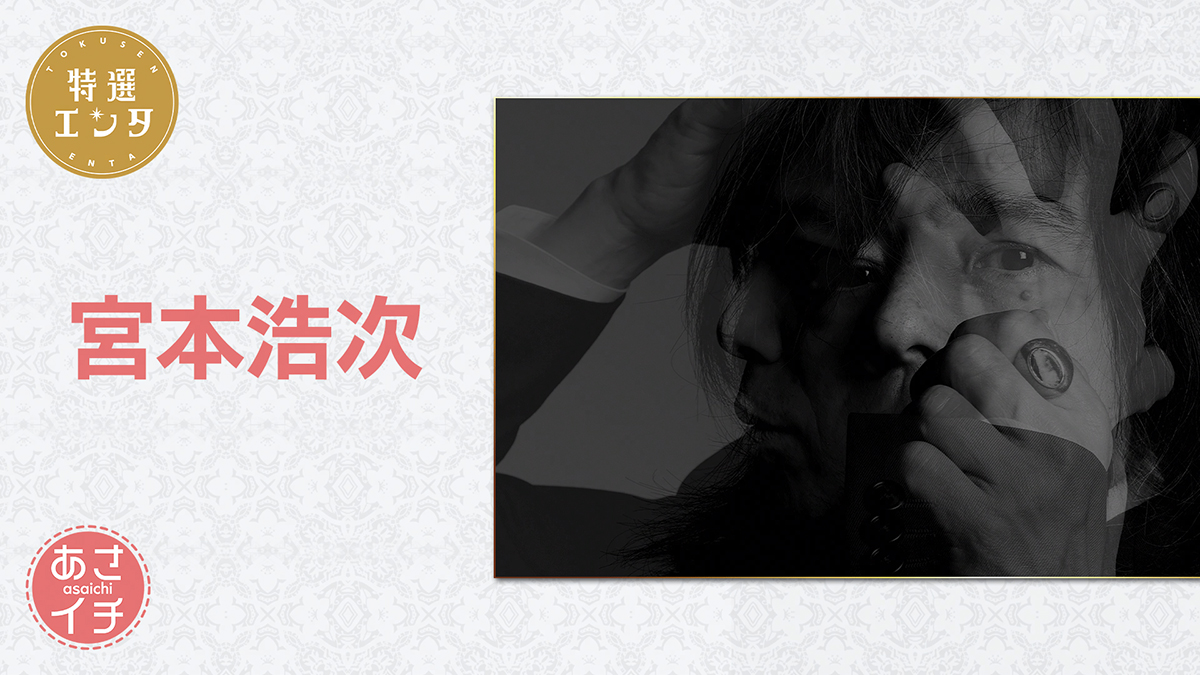
"We knew that bringing Kaho Kōda onto Asaichi was going to be a significant moment for drama fans," stated a network spokesperson during the post-broadcast press briefing. "However, capturing the authentic, unscripted emotion of a creative reunion required absolute discretion. The moment Non walked onto that set, the energy in the studio shifted from a professional television broadcast to a genuine celebration of friendship and artistry. That is something you cannot script or manufacture."
In brief comments following the show, both actresses expressed profound gratitude for the enduring love shown by the public. They emphasized that while their careers have taken diverse paths in the years since Amachan, the foundational respect and affection forged during those intense months of production remain entirely unchanged.
Future Outlook: What the Reunion Means for Japanese Drama
The seismic cultural impact of the Kōda and Non reunion on Asaichi raises important questions about the future trajectory of Japanese television programming, nostalgia marketing, and drama retrospectives.
The Renaissance of Legacy IP
As audiences increasingly crave comfort and emotional security in media consumption, networks are discovering that celebrating past successes—when executed with dignity and high production values—yields extraordinary dividends. The success of this broadcast suggests that future morning dramas and anniversary specials may increasingly incorporate cross-generational reunions as a primary tool for driving audience engagement.
Kōda and Non: Moving Forward
For Kaho Kōda, the appearance solidifies her status not only as a formidable dramatic actress of her generation but also as a beloved figure capable of anchoring major cultural moments. Her current slate of projects, supported by this massive promotional wave, is projected to see heightened visibility across domestic and international markets.
For Non, the surprise appearance serves as yet another milestone in her continued artistic independence and versatility across film, television, and the arts, proving that her connection with the mainstream Japanese television audience remains as vibrant and potent as ever.
Conclusion
The November 6, 2026, episode of Asaichi will long be remembered as a high-water mark for morning television. By honoring the past while celebrating the present, Kaho Kōda, Non, and the NHK production team created a transcendent moment of shared humanity that proved television’s unique ability to unite, heal, and inspire.





Belum ada komentar. Jadilah yang pertama berkomentar!