

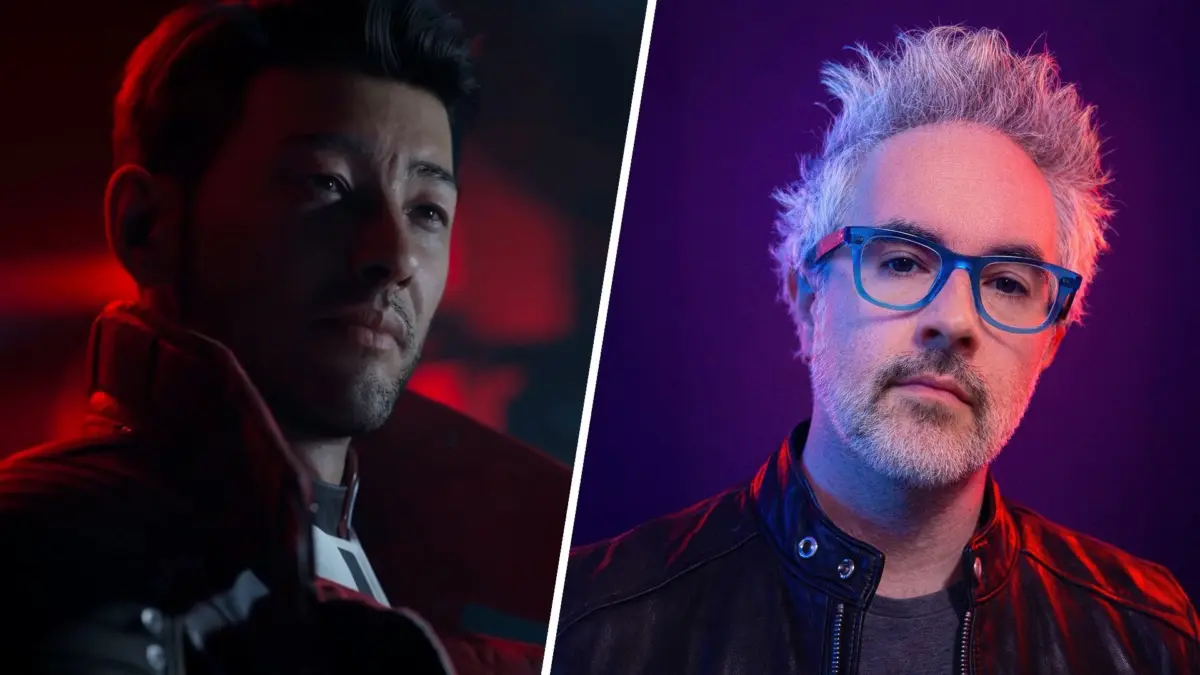
The video game industry was left reeling following the abrupt shutdown of BioWare, a studio legendary for defining the modern role-playing game genre. Amidst the wave of post-mortem reflections, heartbreaking layoffs, and tributes from industry veterans, veteran Mass Effect composer Sam Hulick has offered a poignant look at what could have been. Hulick recently released his personal re-scoring of the leaked Mass Effect: Universe teaser trailer, sharing a striking alternate sonic vision for the franchise’s intended future.
However, this creative endeavor is bittersweet. It turns out that Hulick’s involvement with the project was more than just a fan-driven tribute: BioWare had quietly brought him on to craft an internal musical demo for the unannounced title. Tragically, before he could fully develop the sonic palette, the studio’s closure brought an end to the project.
This deep dive examines Hulick’s custom soundtrack, his perspective on the sonic evolution of the legendary sci-fi trilogy, the unrealized plans for Mass Effect: Universe, and the wider industry heartbreak surrounding the dismantling of one of gaming’s most iconic pillars.
Detailed Chronology: From Trilogy Legacy to Unborn Sequels
The Golden Era of Mass Effect Music
When the original Mass Effect launched in 2007, it introduced players not just to Commander Shepard and a galaxy on the brink of reaper extinction, but to a profoundly distinct auditory landscape. Co-composed by Jack Wall and Sam Hulick, the game’s score broke away from the traditional, bombastic orchestral styles dominating contemporary science fiction. Instead, it embraced a moody, analog synthesizer-heavy atmosphere reminiscent of 1970s and ’80s sci-fi cinema, blended with subtle orchestral layers.
As the series progressed, so did its sound. By Mass Effect 2, the franchise leaned heavily into orchestral bombast—typified by Jack Wall’s unforgettable, adrenaline-pumping "Suicide Mission." Mass Effect 3 achieved a masterclass balance, combining fist-pumping, epic orchestral heights with sparse, introspective, synth-forward tracks like those Hulick composed for the Mars mission.
The Brief Dawn of Mass Effect: Universe
Fast-forward to late 2024 and 2025: rumors, leaks, and early development teases began swirling around a prospective new entry tentatively known as Mass Effect: Universe. Sensing an opportunity to reconnect with his sci-fi roots, BioWare reached out to Hulick.
The studio engaged the composer to work on an internal demo for the new game. While no guarantees were made regarding his permanent employment for the full-scale project, BioWare welcomed Hulick to brainstorm and experiment with the franchise’s next musical direction. Hulick enthusiastically accepted, setting out to build a fresh sonic palette.
The Abrupt End
The collaboration, however, was cut tragically short. Just as Hulick was beginning to lay the foundations of the new score, the broader economic and corporate restructuring realities caught up with Electronic Arts and BioWare. The studio shuttered its doors, canceling active and conceptual projects alike. Hulick learned of the closure alongside the rest of the world, leaving the Mass Effect: Universe score stranded as a brilliant "what-if" scenario.
In response, Hulick decided to channel his work into a custom re-scoring of the leaked Mass Effect: Universe trailer for N7 Day, giving fans a tantalizing glimpse into the sonic universe that was never meant to be.
Supporting Context & Metrics: Evolution of a Sound
To understand why Hulick’s re-score resonates so deeply with long-time fans, one must analyze how video game audio production has transformed over the past two decades.
- Technological Shifts: In 2007, composers frequently relied on heavy preset banks and standard industry synths to meet tight development cycles. By contrast, Hulick notes that modern production workflows allow him to build unique sounds completely from scratch, resulting in a vastly superior level of polish and intimacy.
- The Fusion of Eras: Hulick’s unreleased vision for Mass Effect: Universe sought to bridge the gap between heavy analog synthesizers and modern synthwave elements. Yet, he remained steadfast that stripping away orchestral and solo-piano arrangements would neuter the narrative’s emotional peaks.
- Vocal Tracks and Nostalgia: One of Hulick’s ultimate "pipe dreams" for the franchise was the re-introduction of licensed vocal tracks with lyrics—a nod to Faunts’ iconic track "M4 Part II," which played over the end credits of the original Mass Effect.
| Game Title | Lead/Co-Composers | Primary Musical Identity | Iconic Track / Highlight |
|---|---|---|---|
| Mass Effect (2007) | Jack Wall, Sam Hulick | Analog synth, ambient, subdued sci-fi vibe | "Vigil" / Faunts – "M4 Part II" |
| Mass Effect 2 (2010) | Jack Wall, Sam Hulick, Jimmy Hinson, David Kates | Orchestral bombast, cinematic tension | "Suicide Mission" |
| Mass Effect 3 (2012) | Sam Hulick, Sascha Dikiciyan, Christopher Lennertz, Clint Mansell, Cris Velasco | Hybrid: Epic orchestral peaks + sparse moody synth | "An End, Once and For All" |
| Mass Effect: Universe (Unrealized) | Sam Hulick (Demo phase) | Heavy analog synth, synthwave, foundational orchestral elements | Custom N7 Day Trailer Re-score |
Official Statements and Industry Reflections
The closure of BioWare sent shockwaves through the gaming community, eliciting emotional responses from the very developers who built its worlds. Sam Hulick took to Patreon and Bluesky to express his devastation, emphasizing that while fans lose a beloved franchise, the human cost to the development team is far greater.
"Absolutely heartbroken over the end of an era. I hope all the talented and wonderful folks at BioWare land on their feet and keep working on incredible games. I loved every minute of working with you on the Mass Effect trilogy."
— Sam Hulick, Composer
Hulick also reflected on how BioWare kickstarted his professional journey:
"BioWare took a chance on a young, unproven composer—an incredible opportunity that wouldn’t have happened if Jack Wall hadn’t recommended me during their composer search. Working on the first three games helped me not only find my musical voice, but also develop the skills needed to work on major video game projects."
This sentiment echoes statements made by other prominent former BioWare personnel. Following the wind-down of the Dragon Age series, former senior writer Sheryl Chee reminded fans that corporate ownership of intellectual property cannot extinguish the cultural footprint left behind: “EA owns the IP, but it can’t own the idea… DA isn’t dead because it’s yours now.”
Future Outlook: Living On Through the Community
The formal conclusion of BioWare’s active development era marks a sombre milestone for the interactive storytelling medium. Franchises that defined generations of gaming—Mass Effect and Dragon Age—face an uncertain corporate future under Electronic Arts.
Yet, as Hulick’s bespoke trailer re-score proves, the creative legacy of these universes extends far beyond corporate balance sheets. Artists, musicians, writers, and millions of fans continue to keep the spirit of Commander Shepard’s journey alive through creative endeavors, fan works, and community-driven celebrations like N7 Day.
While we may never officially hear Sam Hulick’s fully realized score echoing through the corridors of a brand-new, officially released Mass Effect: Universe, his alternate vision stands as a testament to the enduring power of game music. It reminds us that worlds built with genuine passion can never truly be deleted.





Belum ada komentar. Jadilah yang pertama berkomentar!