

Executive Overview
The digital PC distribution landscape has been locked in a high-stakes, multi-front war for the better part of a decade. At the center of this conflict stands Epic Games, a titan of the interactive entertainment industry whose signature launcher and digital storefront have long lived in the shadow of Valve’s ubiquitous platform, Steam.
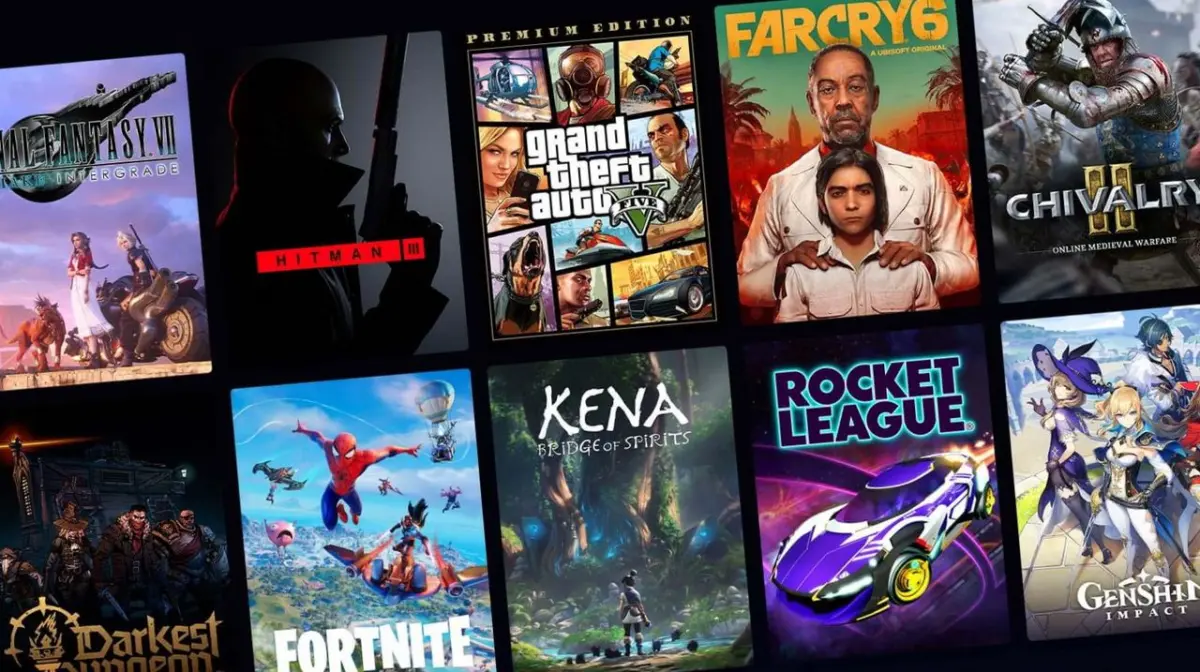
Following a series of aggressive maneuvers—including high-profile exclusive licensing agreements, massive ongoing free-game giveaways, and high-stakes legal battles against mobile gatekeepers like Apple and Google—Epic Games is once again pivoting its strategy. Recent communications from the company reveal an ambitious technical and architectural overhaul of the Epic Games Store (EGS) client. Promised upgrades include a ground-up rebuild boasting a startup performance up to five times faster, streamlined patch notes, personalized game recommendations, and responsive quick-access categories.
Yet, as Epic prepares to roll out these much-needed technical enhancements, industry analysts are asking a fundamental question: Is it simply too late?
While Epic struggles to convert freebies into loyal, paying ecosystem users, Valve’s Steam continues to tighten its chokehold on the PC gaming market. Simultaneously, Epic’s cash cow, Fortnite, continues to pivot into a sprawling digital metaverse that increasingly blurs the line between playing a game and interacting with a multi-brand ecosystem. This report examines the technical revitalization of the Epic Games Store, evaluates the immense uphill battle facing its storefront ambitions, and explores how Epic’s shifting corporate focus may permanently redefine its position in the modern gaming landscape.
Detailed Chronology: From Launch to Rebuild
To understand where the Epic Games Store stands today, it is essential to trace its trajectory since its controversial inception in December 2018.
- December 2018: Epic Games officially launches its digital storefront, positioning itself as a consumer-friendly and developer-friendly alternative to Steam. By offering developers an unprecedented 88/12 revenue split—compared to Steam’s traditional 70/30 split—Epic attempts to disrupt the PC marketplace overnight. However, the initial launch is heavily criticized by consumers due to a bare-bones feature set, missing community forums, cloud save inconsistencies, and an intrusive launcher footprint.
- 2019–2021: Epic doubles down on its strategy of securing timed exclusives for major third-party titles, such as Borderlands 3 and Metro Exodus, while launching its weekly free game program. While the freebies succeed in driving massive user acquisition metrics, critics note that the active community engagement and persistent shopping habits mirroring Steam fail to materialize.
- February 2024: Epic outlines early plans to overhaul the aging launcher infrastructure, aiming to resolve widespread user complaints regarding sluggish loading times, memory bloat, and poor UI responsiveness.
- June 2024: Further technical disclosures reveal that the next-generation Epic Games Launcher is being built from the ground up. Internal metrics suggest the redesigned application will boot up to five to six times faster than its predecessor. Beyond raw performance, Epic indicates that the overhaul will introduce a modernized storefront experience featuring immediate patch notes, curated discovery features, and intelligent, personalized game recommendations.
Despite these incoming quality-of-life updates, community reception remains cautiously pessimistic. Many core PC gamers argue that foundational architectural fixes should have been prioritized six years ago, rather than attempting to catch up to Steam’s richly featured ecosystem long after consumer habits have solidified.
Supporting Context & Metrics: The Steam Hegemony and the "Freebie" Phenomenon
The core dilemma facing Epic Games is not merely technical; it is psychological and behavioral. PC gamers have built libraries, social networks, review archives, and hardware configurations around Steam for two decades. Dislodging that level of entrenched loyalty requires more than a faster-loading user interface.
According to Emmanuel Rosier, director of market intelligence at industry analyst firm Newzoo, the mountain Epic must climb has essentially turned into a sheer cliff face.
"I don’t really see how they can turn that around," Rosier notes, pointing to Steam’s absolute dominance. "Because Steam has become so inevitable. The Epic Games Store, they get players by giving free games, but people just go, they log in, they get the free games, they don’t even play them. You know, it’s almost like collecting games rather than actually playing them."
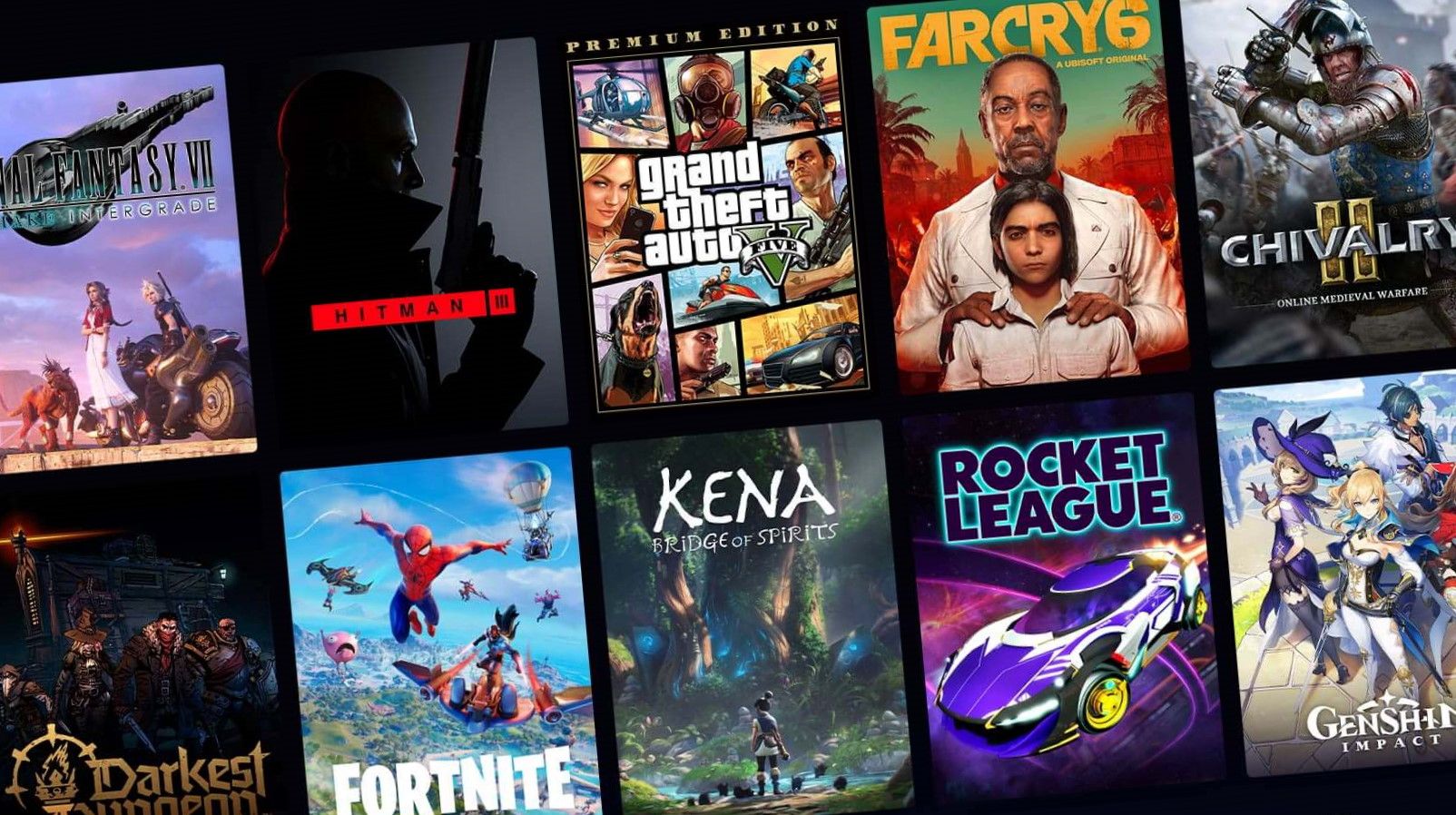
This phenomenon—often described as digital hoarding—highlights the paradox of Epic’s weekly free game program. While millions of accounts are created to claim high-profile titles like Control, Grand Theft Auto V, Death Stranding, and BioShock, conversion rates into active storefront spenders remain dismally low.
Ironically, data suggests that Epic’s multimillion-dollar free game promotions occasionally serve as direct marketing tools for its primary competitor. Independent developers participating in Epic’s freebie initiatives have reported unexpected surges in commercial success elsewhere. For instance, following its inclusion as a free game on the Epic Games Store, the tactical shooter Blood West saw a massive spike in commercial visibility, resulting in a dramatic increase in sales—primarily on Steam. Many PC players actively refuse to split their game libraries across multiple launchers, viewing Steam as their unified digital home. When forced to choose where to purchase downloadable content or supplementary games, convenience and library integration consistently trump price or revenue-split altruism.
Strategic Overreach: Fighting Too Many Fronts
Beyond the battle for PC storefront supremacy, Epic Games has spent the past several years engaged in unprecedented corporate warfare across multiple distinct sectors of the technology industry.
- The Mobile Ecosystem War: Epic has waged high-profile legal and regulatory battles against Apple and Google, challenging the monopolistic control and 30% commission fees enforced by the App Store and Google Play Store.
- The Engine Hegemony: Simultaneously, Epic continues to maintain and evolve Unreal Engine, the industry-standard software powering a vast percentage of modern AAA and indie video games.
- The Storefront Struggle: Running parallel to these efforts is the continuous subsidization of the Epic Games Store, which has consistently operated at a financial loss since its inception as Epic attempts to buy market share via guaranteed developer minimums and free game payouts.
According to Rosier, this strategy of fighting ubiquitous tech monopolies while simultaneously trying to dethrone Valve has stretched the company’s resources thin.
"The challenge I think Epic is facing is that they try to win everywhere in the past few years," Rosier explains. "They try to win against Steam, they try to win against Apple, against Google Play, and probably they run out of steam [metaphorically] on where they cannot fight all these battles at the same time."
While Epic’s crusades against mobile gatekeepers have yielded significant industry-wide conversations regarding digital marketplace fairness, the toll on internal focus and capital allocation cannot be ignored.
Future Outlook: The Evolution of Fortnite and the Metaverse
While Epic’s prospects as a direct Steam competitor appear grim, industry analysts paint a sharply contrasting picture when evaluating Epic Games as a first-party game developer and platform architect. The linchpin of this success is, and remains, Fortnite.
"They probably need to focus on what really matters," Rosier suggests, "which I think is Fortnite. You can see they put a lot of thought in Fortnite right now. They are doing everything they can, and I think it’s working better when you look at the state of Fortnite today compared to six months or one year ago."
Over the past year, Fortnite has aggressively transcended its origins as a standalone battle royale shooter. It has successfully mutated into a sprawling, multi-genre ecosystem housing user-generated content, virtual concerts, and interactive narrative events. Crucially, Epic has fundamentally altered its approach to intellectual property crossovers.
Historically restricted to Epic’s proprietary franchises and select external partners, contemporary Fortnite seasons represent an unprecedented crossover convergence. Players can look at the current active roster and witness iconic platformer and gaming mascots—including Sonic the Hedgehog, Pac-Man, Crash Bandicoot, Mega Man, Kingdom Hearts‘ Sora, and Persona 5‘s Joker—sharing virtual space.
This pivot toward embracing competitive gaming culture rather than shying away from it has redefined Fortnite’s commercial positioning. As Rosier points out, the game has evolved beyond traditional inter-game competition:
"I think that’s an important trend I see with Fortnite… they are not afraid of other games. If you are launching a game, it makes sense to do some marketing within Fortnite. I was thinking, I’m almost surprised that GTA 6 is not doing an event in Fortnite to show the trailer, you know? Why not at this point?"
Furthermore, internal mechanics designed around long-term engagement—such as collectible "sprites" that encourage completionist behaviors rather than purely competitive victory—have proven exceptionally effective at keeping retention metrics high. Players are no longer logging in simply to secure a Victory Royale; they are engaging to complete collections, explore user-made islands, and participate in cultural touchstone events.
Conclusion: A Bifurcated Destiny
Epic Games stands at a historic crossroads. The upcoming technical overhaul of the Epic Games Store—bringing a fivefold performance increase, streamlined patch notes, and refined discovery features—demonstrates that management is well aware of the software’s historical shortcomings. Yet, engineering a fast launcher cannot artificially manufacture consumer habituation, nor can it easily dismantle the deeply entrenched network effects of Steam.
For Epic Games, the path forward appears increasingly bifurcated. As a storefront competitor to Valve, the outlook remains bleak, hindered by years of aggressive overreach and consumer apathy toward secondary launchers. However, as an innovative entertainment titan steering the unstoppable juggernaut of Fortnite and Unreal Engine, Epic continues to shape the very fabric of modern interactive media. Whether the company chooses to recalibrate its ambitions or double down on a losing storefront battle, the broader gaming landscape will feel the tremors of Epic’s decisions for years to come.









Belum ada komentar. Jadilah yang pertama berkomentar!