After two transformative years in early access that reshaped the action role-playing game (ARPG) landscape, Grinding Gear Games (GGG) is preparing to deploy the full version 1.0 release of Path of Exile 2 on December 11. Far more than a traditional content patch, version 1.0 represents the culmination of a decade-long philosophical shift in how top-tier ARPGs approach campaign pacing, endgame architecture, mechanical complexity, and player-driven factional warfare.
The launch brings a staggering array of additions: two brand-new character classes (the Shadow and the Duelist), the final two acts of the campaign (Acts 5 and 6), an entirely new league titled Conquerors of Wraeclast, a complete structural overhaul of the Atlas and passive skill trees, and sweeping updates to itemization, gems, and combat mechanics. For both veterans who have poured thousands of hours into the franchise and newcomers waiting for the complete, unbridled vision of the game to materialize, December 11 marks a watershed moment in the genre.
Detailed Chronology & Major Feature Breakdown
The Arrival of New Classes: The Shadow and the Duelist
The introduction of the Shadow and the Duelist rounds out the core roster of Path of Exile 2, injecting unprecedented mechanical depth into melee and hybrid archetypes.
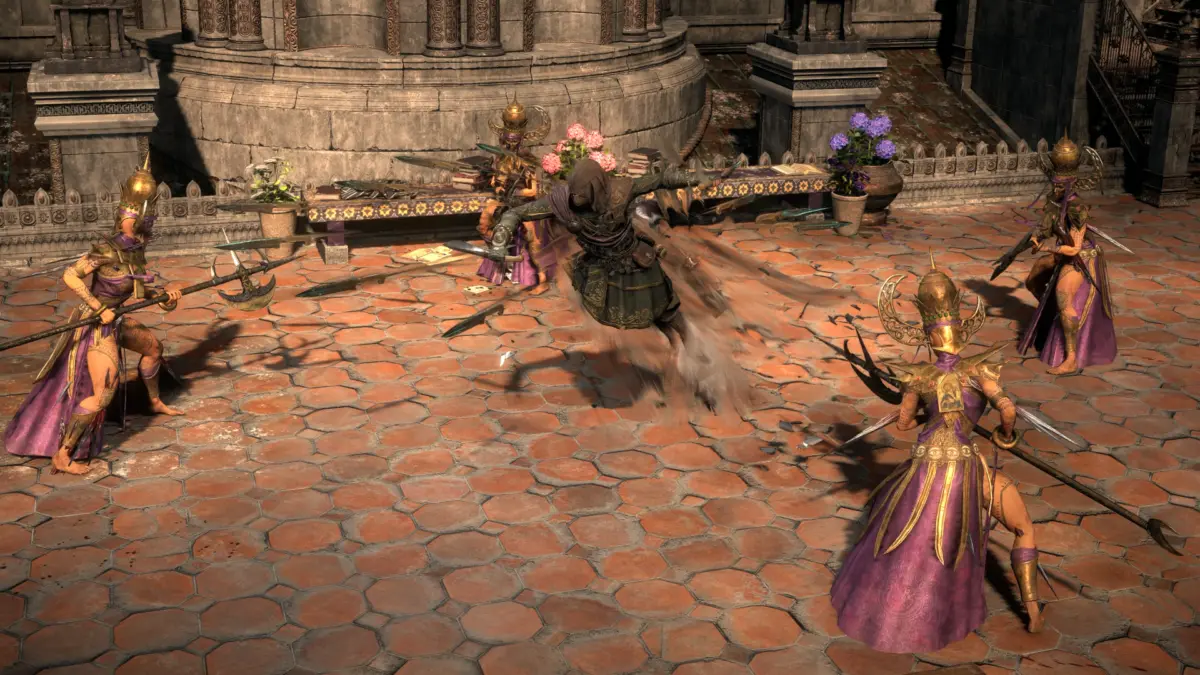
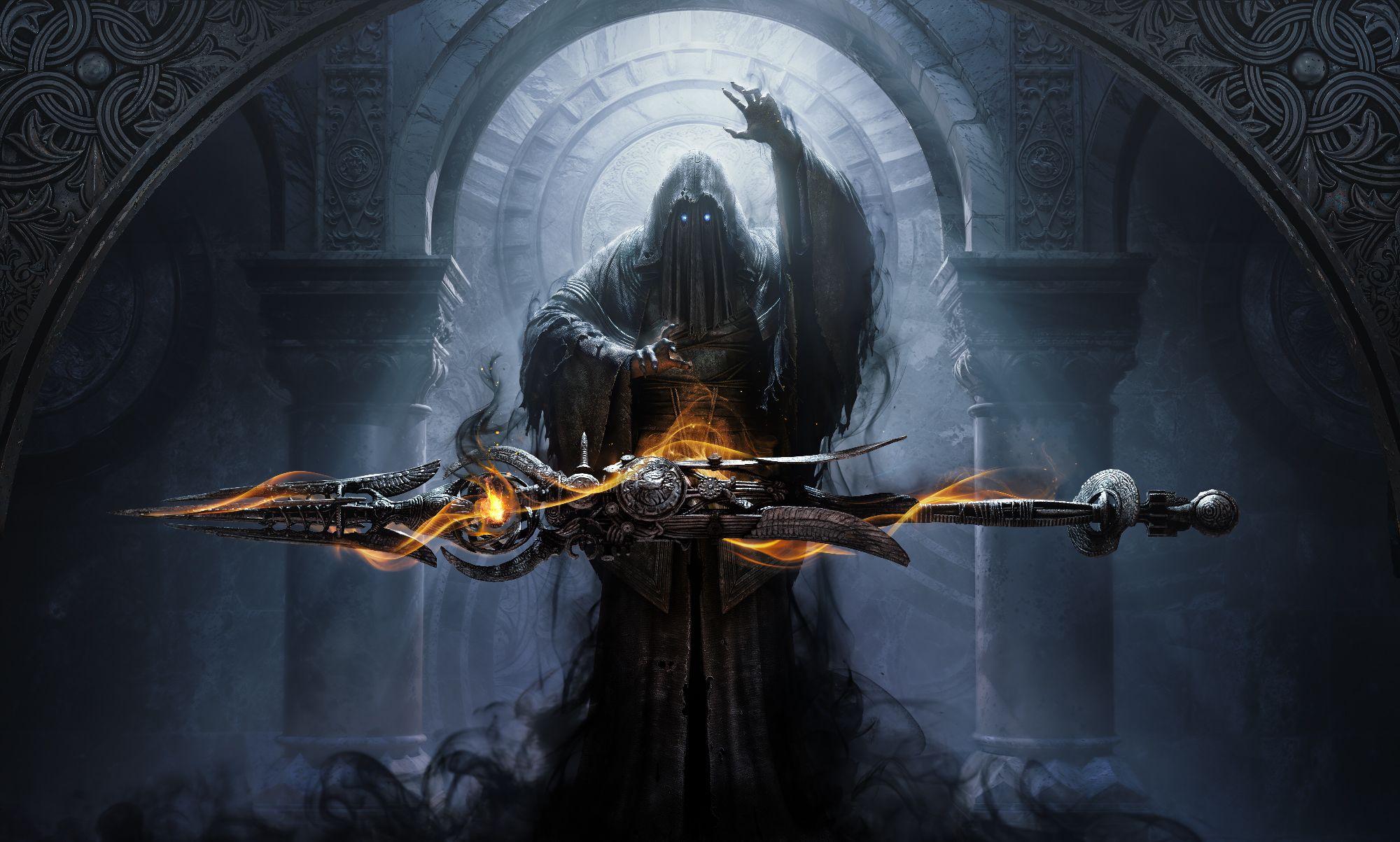
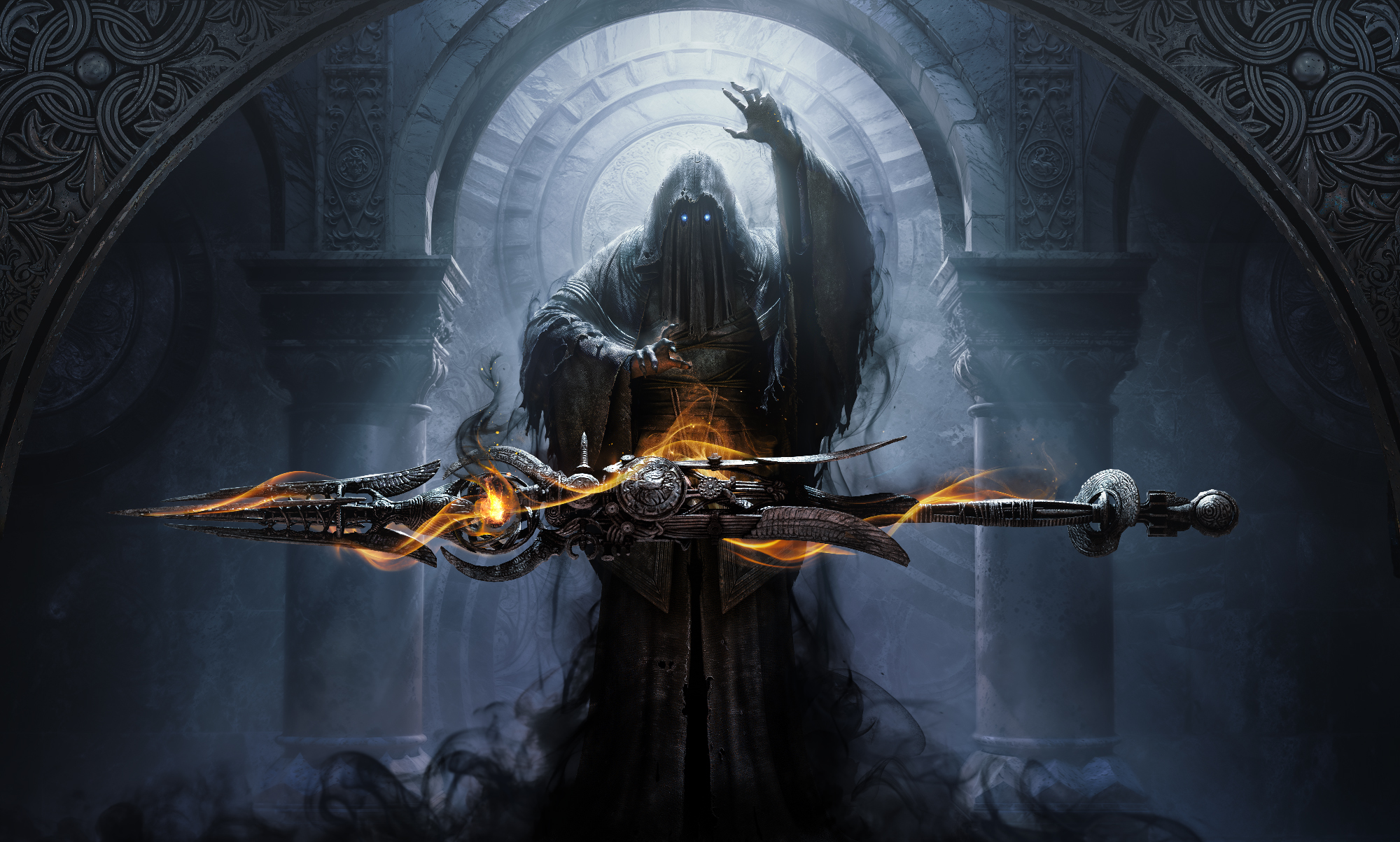
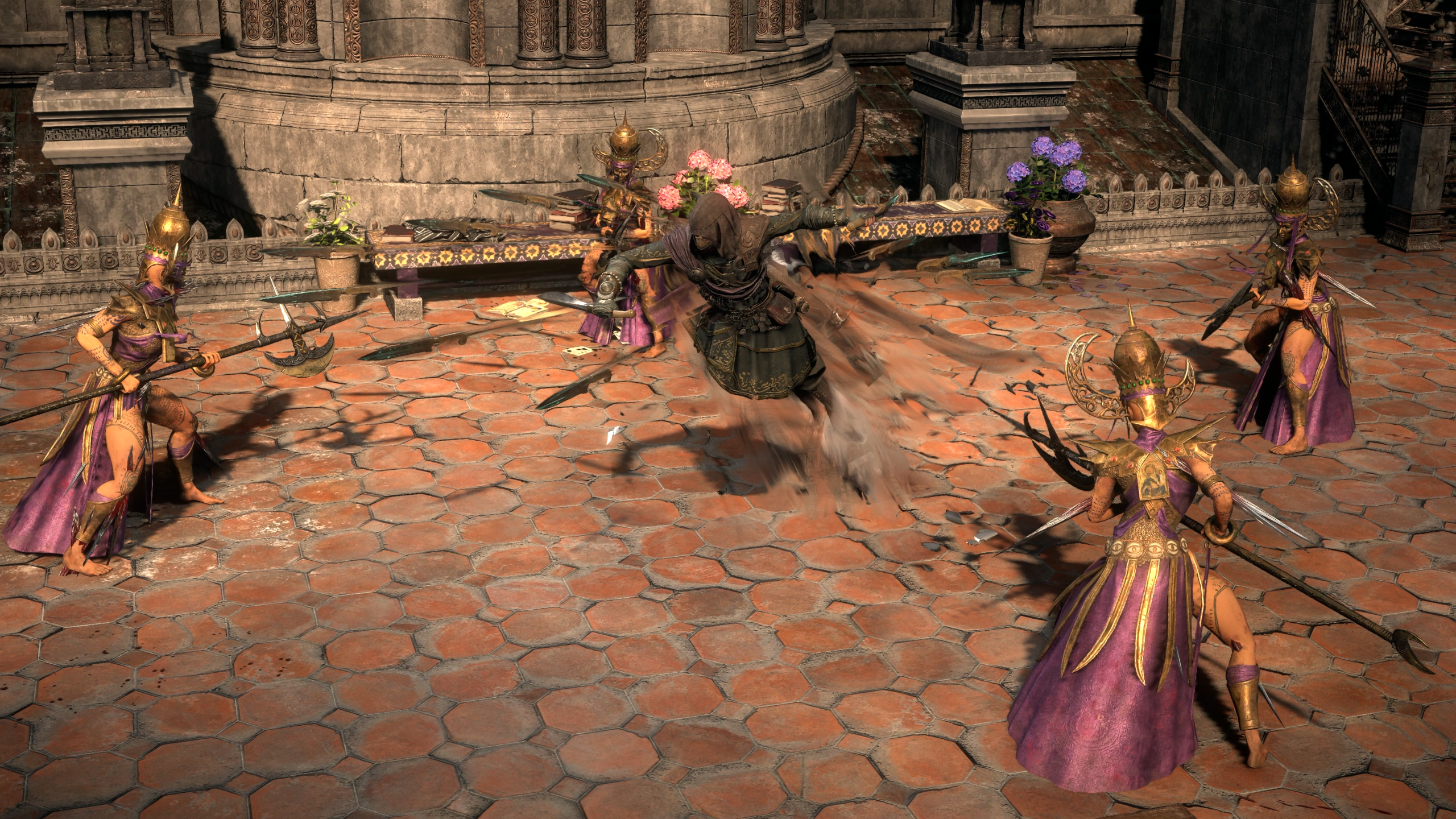
The Shadow: Reimagining the archetype for a modern, physics-driven ARPG combat engine, the Shadow introduces innovative gameplay mechanics centered around stealth, deadly traps, and deceptive shadow clones that execute synchronized attacks alongside the player. Alongside these mechanics come classic fan-favorite abilities—such as Blade Vortex and Fire Trap—rebuilt from the ground up to take advantage of the game’s responsive dodging and combo systems.
The Duelist: Focusing on the mastery of blades, the Duelist brings high-speed, high-stakes swordplay to the forefront. Players can leverage iconic skills like Cyclone and Hemorrhage while dynamically switching between tactical combat stances, including Blood and Sand or the newly introduced Ready Stance. Supporting two-handed weapons, dual-wielding, and traditional sword-and-board configurations, the Duelist offers remarkable flexibility for offensive and defensive builds alike.
Completing the Epic Campaign
After years of iterative development, the chase to track down the Beast across the world of Wraeclast reaches its narrative climax. Acts 5 and 6 complete the campaign storyline, taking players on a haunting return to Oriath and expanding outward into uncharted, perilous territories.
To ensure the journey feels consistently challenging and engaging, GGG has populated these final acts with bespoke rare monsters. Unlike standard procedurally generated elites, these encounters feature hand-crafted abilities, distinct visual identities, and unique modifiers designed to test player reflexes and build optimization. Furthermore, the campaign serves as the seamless onboarding zone for the 1.0 league mechanic, Conquerors of Wraeclast.
Conquerors of Wraeclast: Base Building and Factional Warfare
Perhaps the most ambitious addition in version 1.0 is the Conquerors of Wraeclast league, which merges immersive base-building mechanics with high-stakes territory control reminiscent of classic strategy titles like Heroes of Might and Magic.
Castle Building and Management: As players progress through the campaign, they will unlock a customizable home base. By spending gold acquired through exploration and combat, players can upgrade their castle, recruit diverse armies, and commission specialized commanders.
Automated Map Progression: Mirroring the beloved Kingsmarch system from the original Path of Exile, players can assign commanders and troops to run maps automatically. This clever system converts raw currency and gold into steady Atlas progression and lucrative loot drops, bridging the gap between active play and strategic management. Over 70 distinct points of interest are scattered throughout the campaign, each unlocking specialized soldier types to bolster the player’s war machine.
Factional Territory Control: Once the campaign and initial pinnacle bosses are conquered, players can pledge allegiance to one of three distinct factions: the Karui, the Ezomyte, or the Marraketh. Factions engage in persistent warfare to control strategic castles peppered across the Atlas. Holding a castle grants global gameplay advantages, including direct fast-travel access across the Atlas grid, bonus item rarity, and entry into high-yield hunting grounds packed with rare, loot-heavy monsters.
Supporting Context & Metrics: Streamlining the Endgame
While the introduction of massive new systems could easily lead to cognitive overload, GGG has simultaneously implemented aggressive pruning and optimization across the game’s core architecture to maintain a smooth, rewarding player experience.
The Atlas Overhaul and Skill Tree Condensation
The endgame of Path of Exile 2 1.0 has been meticulously re-engineered. Players will battle through more than 25 newly designed maps that draw inspiration from the diverse environments of the final campaign acts.
More crucially, the Atlas skill tree has undergone a dramatic reduction in scale. Rather than forcing players to navigate a sprawling web of over 300 nodes, the tree has been streamlined down to approximately 70 core nodes. This deliberate design choice ensures that players can target essential build-defining upgrades more intuitively, with most players expected to secure around 50 of the 70 nodes by the time they face off against the formidable Arbiter of Divinity.
Gem and Passive Tree Transformations
Support Gem Overhaul: Support gems have received a comprehensive balancing pass to maximize utility. Redundant or overly niche options—such as multiple elemental penetration gems—have been consolidated into unified mechanics like a single, all-encompassing Elemental Penetration support. Furthermore, penalties on foundational supports like Brutality (which now imposes a far lighter restriction on chaos damage) and Chain (which no longer applies a damage penalty to the initial hit) have been relaxed to encourage greater build diversity.
Jewel Sockets: Passive skill tree jewels have been decoupled from the outer travel nodes where they traditionally stagnated build variety. By integrating jewel sockets directly into specific skill clusters, GGG hopes to eliminate the homogenized "ring-around-the-edge" pathing seen in previous iterations of the franchise, encouraging inventive and diverse character layouts.
Itemization and Loot Economy
Version 1.0 injects a massive wave of fresh equipment into the economy, including cutting-edge base item types and uniquely powerful gear. Certain new base types offer game-changing defensive properties, such as armor pieces that grant complete immunity to curses. Additionally, over 70 legacy unique items have been thoroughly overhauled, accompanied by the introduction of roughly 40 brand-new uniques. This ensures that discovering high-tier loot remains a thrilling prospect from the early hours of the campaign deep into the endgame grinding loops.
Official Statements and Design Philosophy
Grinding Gear Games has consistently emphasized that Path of Exile 2 is designed to respect player time while deepening the tactical mastery that defines the franchise. Speaking on the integration of strategic elements into an ARPG framework, lead developers highlighted the desire to break the monotony of traditional mapping loops.
"We wanted to create a world where your actions outside of direct combat—how you build your stronghold, which factions you align with, and how you manage your commanders—directly feed back into the power fantasy of your character," noted a senior GGG spokesperson during the recent feature deep-dive. "Version 1.0 isn’t just an ending to our early access journey; it is a foundational platform for the next decade of action RPG storytelling and combat evolution."
The philosophy behind trimming the Atlas and passive skill trees stems from a similar desire for clarity without compromise. By removing unnecessary friction while preserving complex crafting systems—such as specialized battle currencies that allow players to isolate, remove, and reroll fractured item modifiers—GGG has struck a delicate balance between accessibility and depth.
Future Outlook
As the countdown to December 11 ticks away, the gaming community stands on the precipice of a new era for ARPGs. Path of Exile 2 has already proven during its early access phase that its next-generation combat mechanics, stunning visual fidelity, and uncompromising encounter design represent the pinnacle of the genre.
With the launch of version 1.0, the addition of the Shadow and Duelist classes, the conclusion of the epic narrative arc, and the introduction of deeply integrated factional warfare via Conquerors of Wraeclast, the game transcends its predecessor. It offers a living, breathing world where tactical base management meets lightning-fast, high-skill combat.
Whether players are diving in for the very first time to experience the fully realized campaign or returning veterans preparing to theorycraft hundreds of new builds using the revamped passive and support gem systems, Path of Exile 2 is poised to dominate the ARPG landscape for years to come.









Belum ada komentar. Jadilah yang pertama berkomentar!