

Executive Overview
The ongoing wave of corporate consolidation within the interactive entertainment sector has claimed yet another batch of casualties. Just over a month after Paramount finalized its blockbuster acquisition of Warner Bros. Discovery—subsequently rebranding the combined entertainment behemoth as Skydance—the newly formed corporate giant has initiated a round of layoffs within its consolidated games division.
While the exact number of impacted positions has not been officially disclosed by corporate leadership, the human toll of the restructuring quickly became apparent across professional networking platforms. Throughout the day, numerous developers, engineers, and artists took to LinkedIn to announce that they had been let go as part of an operational realignment.
This restructuring marks a turbulent new chapter for Skydance Games, a division that was already navigating a complex web of studio integration. Prior to the merger, both Paramount and Warner Bros. operated distinct interactive entertainment wings. Paramount’s internal ecosystem famously housed Skydance Interactive and Skydance New Media, which were consolidated earlier this year into a unified Skydance Games Studio. Meanwhile, Warner Bros. Games brought a massive portfolio of intellectual property to the table, despite struggling to recapture the runaway commercial magic of 2023 blockbusters like Hogwarts Legacy and Mortal Kombat 1.
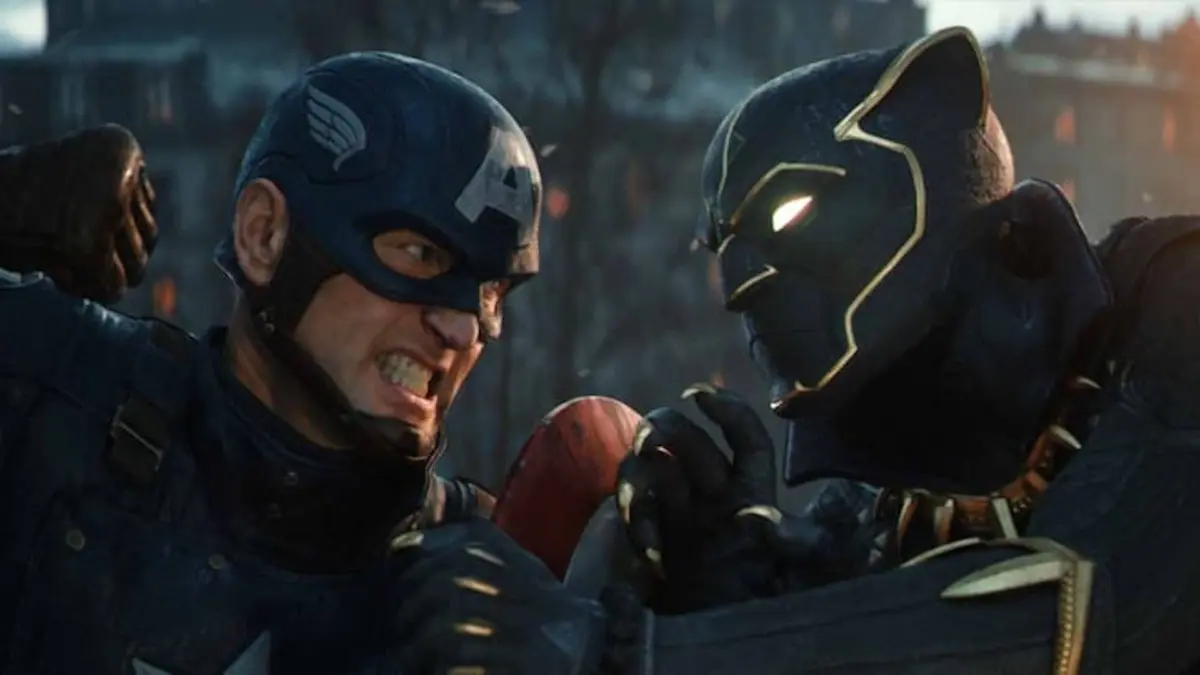
Now, as the newly minted Skydance seeks to optimize its financial footprint and streamline operations following the multibillion-dollar merger, development teams are paying the price. High-profile projects, including the highly anticipated Marvel 1943: Rise of Hydra and PlatinumGames’ upcoming Teenage Mutant Ninja Turtles: The Last Ronin, now exist against a backdrop of corporate uncertainty.
Detailed Chronology: How the Merger Led to the Cuts
The seeds for the current layoffs were planted months prior during the intricate corporate maneuvering that led to the Paramount-Warner Bros. Discovery merger. For an industry watching closely from the sidelines, the acquisition was one of the most significant media business stories in recent memory, fundamentally shifting the landscape of Hollywood and interactive media alike.
The Lead-Up to the Merger
As rumors and negotiations intensified, several outside entities evaluated the worth of Warner’s various holdings. Notably, streaming giant Netflix assessed Warner Bros. Games during preliminary talks, ultimately concluding that the gaming division held "relatively minor" strategic value compared to the broader enterprise, though Netflix co-CEO Gregory Peters expressed excitement over the underlying intellectual properties.
Despite the lukewarm valuation from outside suitors, Paramount pressed forward with its acquisition strategy. The goal was clear: consolidate legacy media assets to better compete in an increasingly hostile streaming and entertainment market. Part of this strategy involved unifying Paramount’s disparate gaming initiatives. Earlier this year, the company merged Skydance Interactive and Skydance New Media into a single entity: Skydance Games Studio. This move was intended to pool creative resources, streamline pipelines, and elevate the studio’s output to match AAA industry standards.
Closing the Deal and the Aftermath
The acquisition officially closed a little over a month ago, resulting in the corporate rebranding of Paramount into Skydance. While the executive leadership celebrated the formation of a media powerhouse, industry insiders braced for the inevitable administrative and operational fallout. Mergers of this scale invariably trigger redundancy reviews, structural overlaps, and cost-cutting measures.
The first public signs of trouble surfaced on LinkedIn, where multiple developers reported sudden terminations. Lead engineer David Vera posted about the departure of peers, noting that the studio had "lost a ton of great talent." Concurrently, principal environment artist Dana Klaren published a comprehensive list detailing more than 25 team members who had been laid off—including himself. The severity of the cuts within specific pockets of the company was underscored by senior gameplay and game AI programmer Rebecca Vessal, who revealed that "most" of her specific development team at Skydance Interactive had been dismantled.
Supporting Context & Metrics: The State of Skydance’s Portfolio
To understand the gravity of these layoffs, one must examine the high-profile projects currently sitting on Skydance Games’ ledger. The studio is responsible for some of the most anticipated titles in modern gaming, yet these projects have faced notable developmental headwinds.
Skydance New Media and Marvel 1943: Rise of Hydra
Skydance New Media, spearheaded by industry veteran Amy Hennig, has been hard at work on Marvel 1943: Rise of Hydra. Featuring an iconic narrative pairing of Captain America and Black Panther operating during World War II, the game generated immense buzz upon its initial reveals.
However, the path to release has been rocky. The title has suffered successive delivery setbacks, with the team pushing back launch expectations and ultimately leaving the project without a definitive, clear release window. Leadership has repeatedly emphasized that the team is working diligently to craft "something truly special," but the combination of prolonged development cycles and post-merger corporate restructuring places immense pressure on the division to justify its operational costs.

Teenage Mutant Ninja Turtles: The Last Ronin
Beyond internal narrative-driven adventures, Skydance Games also functions as a publishing partner for external studios tackling marquee properties. Earlier this year, the company announced it would publish PlatinumGames’ upcoming adaptation of Teenage Mutant Ninja Turtles: The Last Ronin. Based on the critically acclaimed, gritty comic book miniseries, this dark take on the Ninja Turtles mythos requires significant financial and logistical backing—resources that corporate bean-counters are currently auditing with microscopic precision.
The Warner Bros. Games Legacy
On the Warner Bros. side of the ledger, the studio ecosystem has experienced a roller-coaster few years. While 2023 was defined by massive financial successes—specifically Hogwarts Legacy, which shattered sales records globally, and NetherRealm Studios’ critically lauded Mortal Kombat 1—subsequent quarters have proven difficult to sustain. The pressure to replicate billion-dollar returns in an unpredictable market has historically led to sudden pivots, downsizing, and shifting studio mandates across the legacy Warner portfolio.
Official Statements and Corporate Spin
Facing mounting public scrutiny over the LinkedIn disclosures, Skydance management formally addressed the restructuring in a statement provided to industry publication Variety.
A company representative framed the layoffs as a necessary evil designed to secure the long-term health and viability of the division:
"As part of our ongoing efforts to position Skydance Games for long-term growth and success, we are implementing reorganization and operational shifts across a few areas of our business," the statement read.
"We have stepped back and taken some time to consider where we are investing our efforts and have made the difficult decision to scale down some of our projects. As a result, there are roles impacted. This is not a reflection of the talent, dedication, or creativity of those affected and we are grateful for their contributions. We are committed to approaching the process with transparency, care and respect for those who are leaving the company."
While standard corporate communications routinely emphasize "long-term growth" and express gratitude to outgoing personnel, affected developers and labor advocates have once again pointed out the devastating human cost of corporate mergers. The recurring pattern of acquiring multi-million-dollar media assets only to immediately trim the workforce has become a disheartening hallmark of modern corporate consolidation.
Future Outlook: What Lies Ahead for Skydance Games?
As the dust settles on this latest round of layoffs, the critical question facing Skydance Games is how these operational shifts will impact its active development pipeline.
The scaling down of specific projects—as explicitly admitted by corporate leadership—raises red flags regarding the scope, scale, and timeline of upcoming titles. Fans eagerly awaiting Marvel 1943: Rise of Hydra will undoubtedly scrutinize future updates for signs of narrative or technical compression. Similarly, PlatinumGames’ work on Teenage Mutant Ninja Turtles: The Last Ronin will proceed under a newly restructured publishing umbrella whose appetite for risk may have diminished following the merger.
For the broader video game industry, the Skydance layoffs serve as yet another stark reminder that corporate marriages at the highest economic tiers rarely benefit the rank-and-file workforce. As executive leadership continues to prioritize operational efficiency and shareholder value, skilled engineers, artists, and designers are left to navigate an increasingly volatile employment landscape.
Ultimately, Skydance Games must now prove that its streamlined structure can deliver the high-caliber cinematic and gameplay experiences it promised. However, doing so with a depleted workforce will remain one of the industry’s most daunting balancing acts.


Belum ada komentar. Jadilah yang pertama berkomentar!