For decades, international travelers seeking Japan’s vibrant contemporary art scene have gravitated toward the sun-drenched, island-hopping pathways of the Setouchi Triennale or the neon-lit concrete metropolises of Tokyo and Osaka. Yet, far removed from the dense crowds and metropolitan hum, a quieter, more profound cultural renaissance is unfolding across the mountainous terrain of northern Okayama Prefecture.
Here, ancient limestone caves, samurai-era castle towns, and alpine valleys serve as an expansive, open-air canvas for the Forest Festival of the Arts Okayama (Clear-skies Country). As the region prepares for its second major iteration—scheduled from September 18 to November 23, 2027, under the curatorial theme "A Becoming Forest"—northern Okayama is cementing its status as one of Japan’s most innovative destinations for site-specific, experiential art.
This comprehensive report explores the intersections of contemporary installation art, traditional satoyama ecosystems, regional heritage, and culinary prestige across four primary municipalities: Niimi, Tsuyama, Nagi, and their surrounding highland communities. By examining permanent legacy installations from the inaugural 2024 festival alongside upcoming 2027 previews—including the ongoing Okayama Hareiro Campaign 2026—this article provides an authoritative guide for cultural travelers, art historians, and global investors in experiential tourism.
Detailed Chronology: From Regional Heritage to Global Art Destination
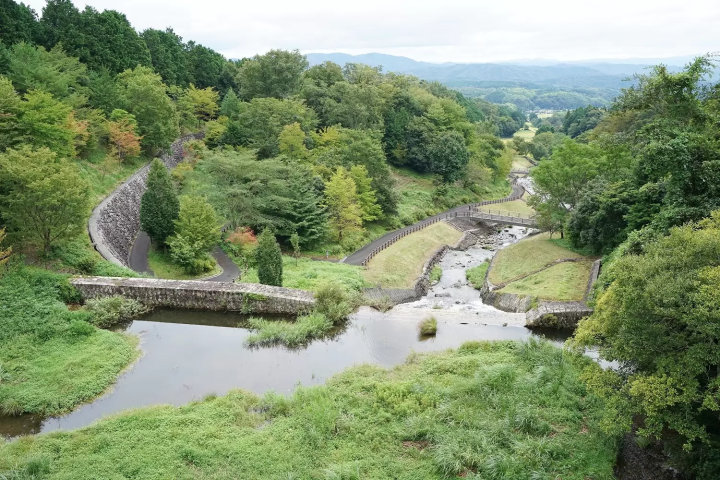
The cultural trajectory of northern Okayama cannot be understood without examining the deep historical and ecological roots that have shaped the prefecture over centuries. The region’s identity is anchored in the concept of satoyama—a Japanese term denoting the border zone where arable human settlements (sato) interface with managed mountain foothills (yama). This delicate mosaic of terraced rice paddies, irrigation ponds, and sustainable forestry forms the foundation of local life, seasonal festivals, and indigenous culinary arts.
The Inaugural 2024 Catalyst
In 2024, the inaugural Forest Festival of the Arts Okayama redefined how rural Japanese communities engage with contemporary culture. Rather than importing urban gallery spaces into the countryside, the festival commissioned world-renowned artists to create site-responsive works embedded directly within natural wonders and civic architecture. Selected installations from this landmark event have been permanently preserved, offering year-round access and serving as structural anchors for the upcoming 2027 exhibition.
The 2026 Prelude and the Path to 2027
Bridging the gap between the inaugural event and the upcoming Forest Festival of the Arts Okayama: Clear-skies Country 2027, regional stakeholders have rolled out interim cultural initiatives. Running from September 5 to November 30, 2026, the Okayama Hareiro Campaign 2026 highlights autumn foliage illuminations at Okayama Korakuen Garden while introducing public transit art collaborations, such as the Train to Protopia art-wrapped locomotive operated by Mika Ninagawa with EiM along the JR Tsuyama Line. These initiatives ensure continuous momentum, driving regional tourism and international visibility ahead of the 2027 festival’s September opening.
Supporting Context & Metrics: Exploring Must-Visit Sites and Installations
The landscape of northern Okayama is punctuated by venues where architecture, natural history, and avant-garde art converge. Below is an exhaustive breakdown of the region’s core cultural hubs, complete with logistical data and artistic frameworks.
1. Niimi City: Makido Cave and the Manabi no Mori Library
Makido Cave
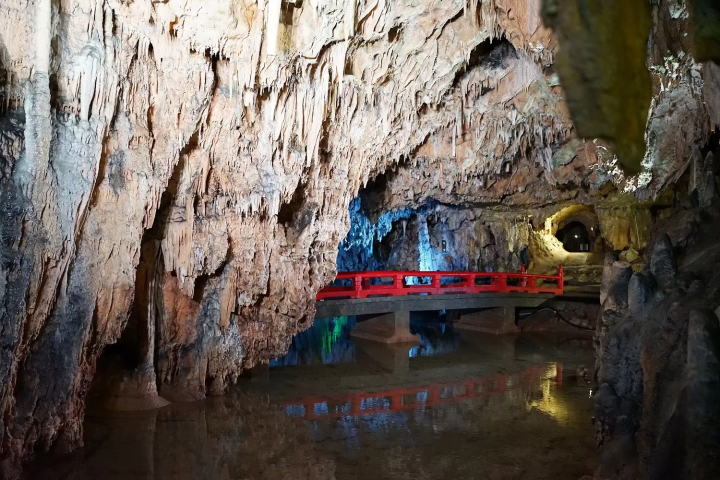
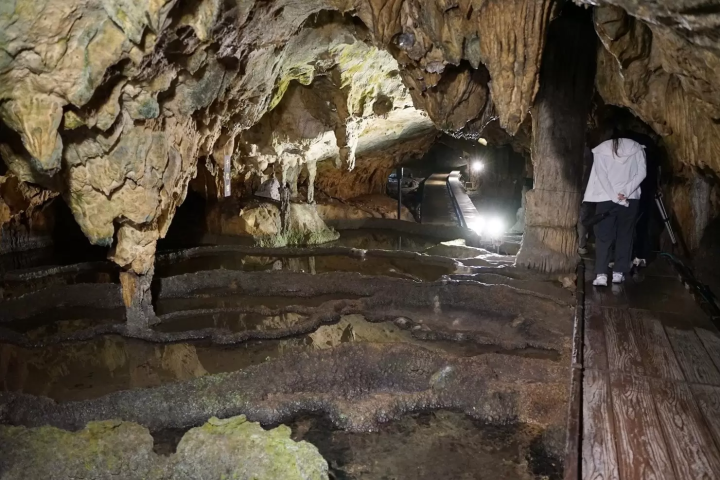
Carved over millennia through subterranean geological activity, Makido Cave is a 450-meter-long limestone cavern in Niimi City, designated as an Okayama Prefecture Natural Monument. Historically discovered during the Edo period by local hunters pursuing raccoon dogs (commemorated by stone tanuki statues at the entrance), the cave achieved international acclaim during the 2024 festival when it hosted a permanent, immersive installation by Mika Ninagawa with EiM.
Permanently illuminated by programmable, vibrant LED systems, the cave accentuates its natural geological formations—including the Senmaida (terraced-paddy-like limestone formations), the vermillion Ryugu Bridge spanning an underground lake, and the Lovers’ Fountain.
Visitor Information:
Admission: Adults (High School and above) 1,000 yen; Junior High Students 800 yen; Elementary Students 500 yen; Preschoolers Free.
Access: Approximately 40 minutes by local bus from JR Ikura Station to the final Makido stop.
Special Features: QR-code-accessible audio guides via local Wi-Fi; winter-season guided caving expeditions into uncharted sectors.
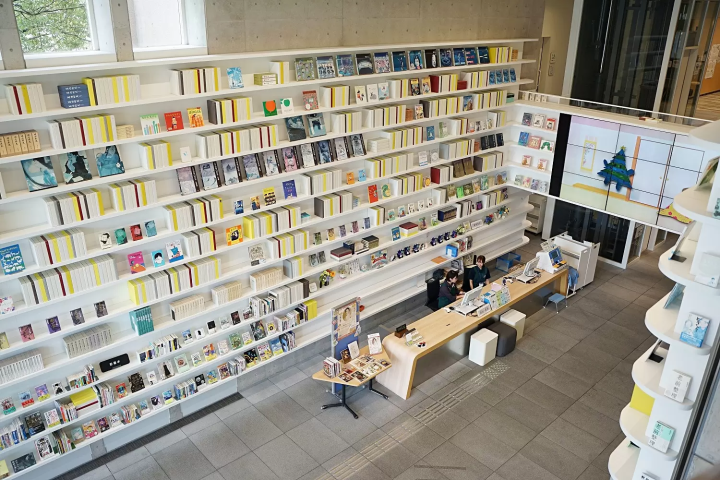
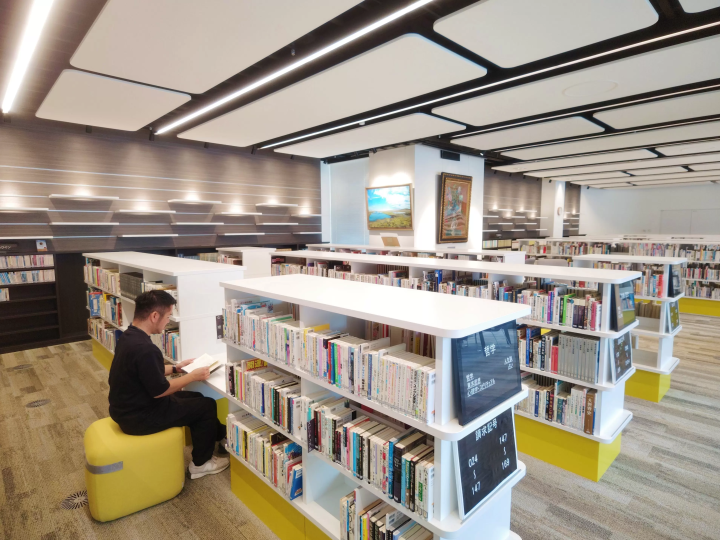
Niimi City Central Library (Manabi no Mori Niimi Library)
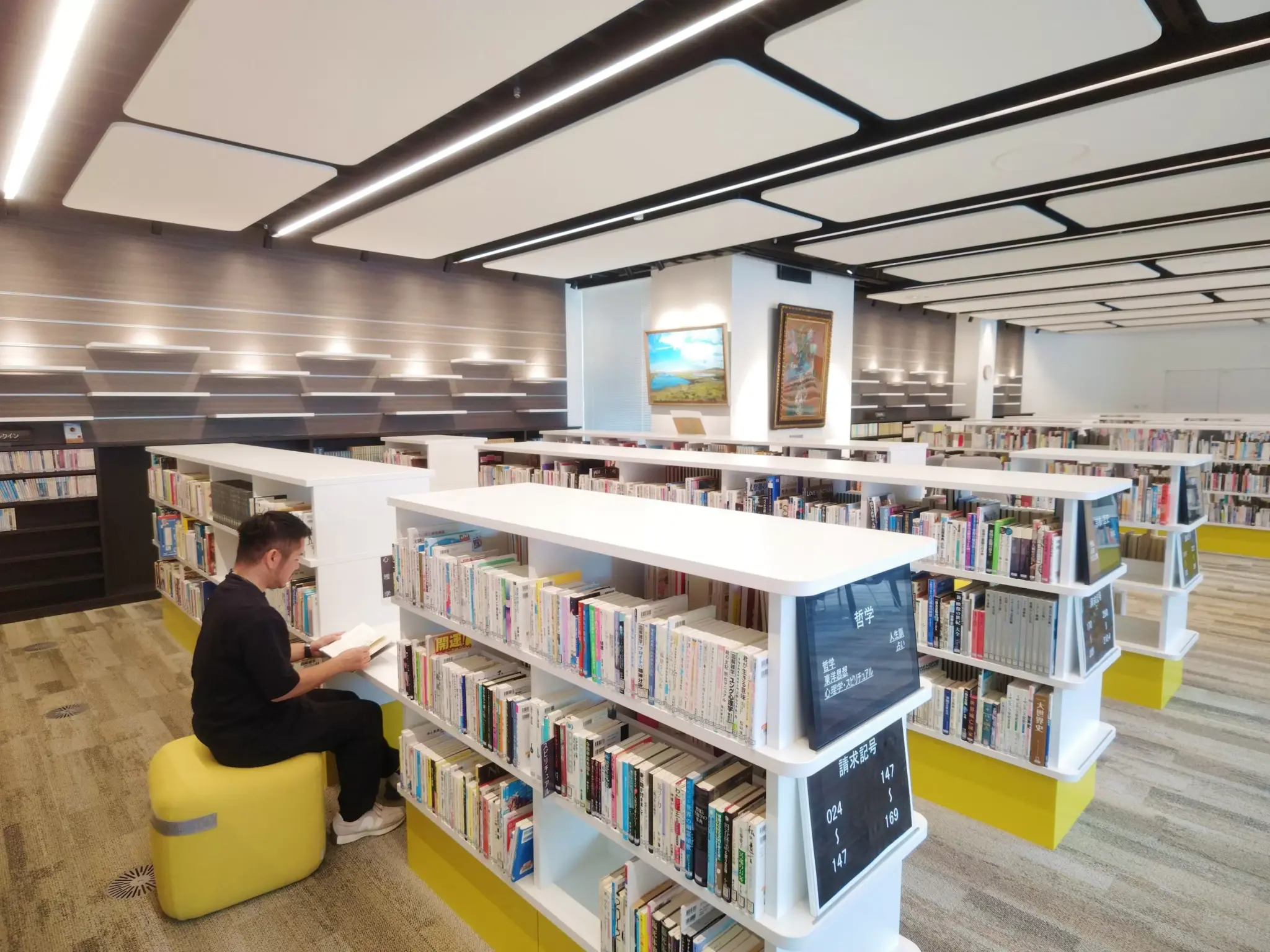
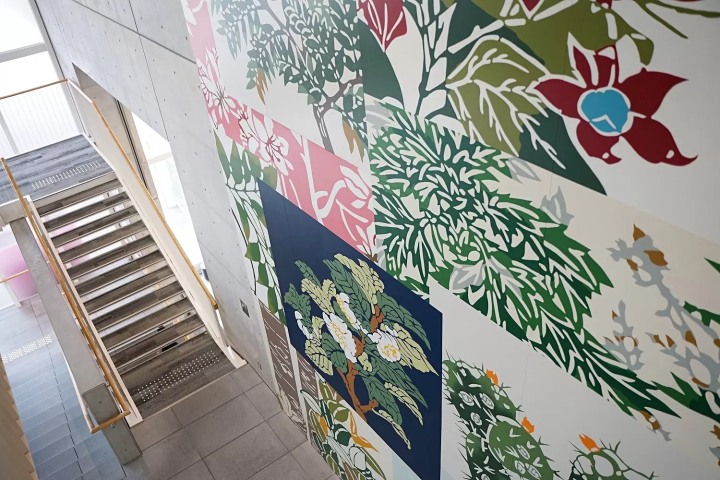
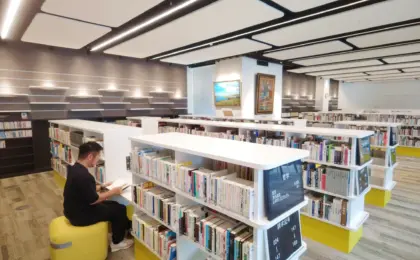
Bridging civic infrastructure with contemporary art, the Niimi City Central Library features Michael Lin’s monumental site-specific painting, Standard Color 2024, draped across the grand staircase wall. Lin’s floral and botanical motifs were derived from historic notebooks discovered in a local textile shop, documenting native plants historically used for natural dyes.
Visitor Information:
Hours: 9:00 AM – 7:00 PM (Closed Mondays).
Access: 10-minute local bus ride from JR Niimi Station to the Chuo Toshokan stop.
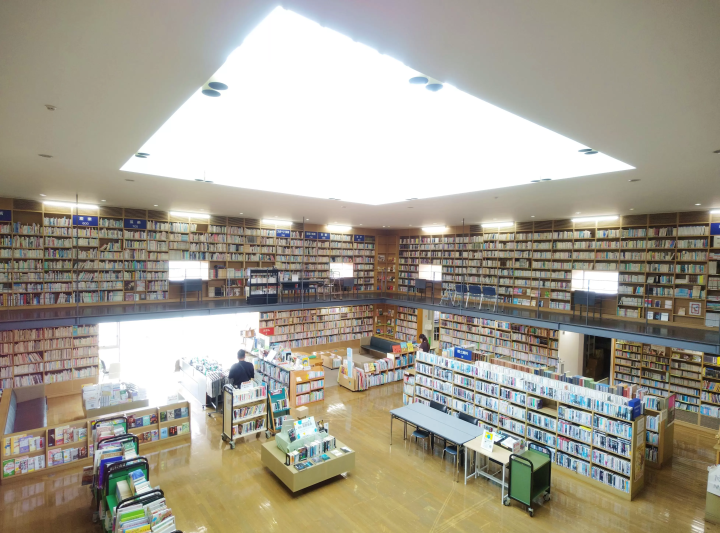
Facilities: Extensive multilingual and art-book collections, children’s reading floor, and quiet seating areas oriented toward panoramic mountain views.
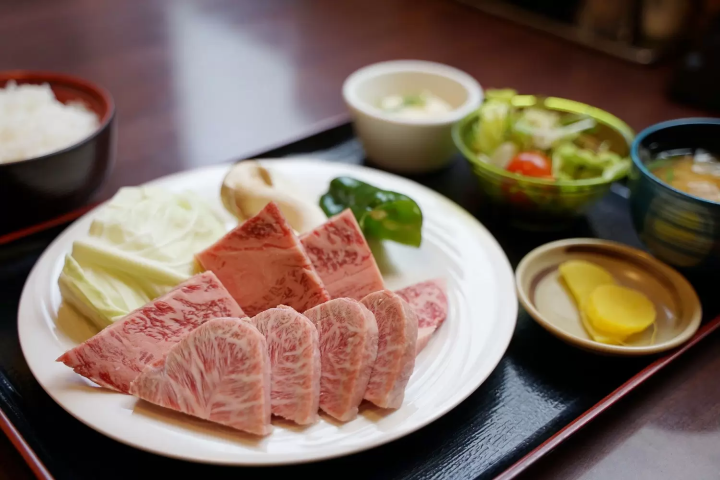
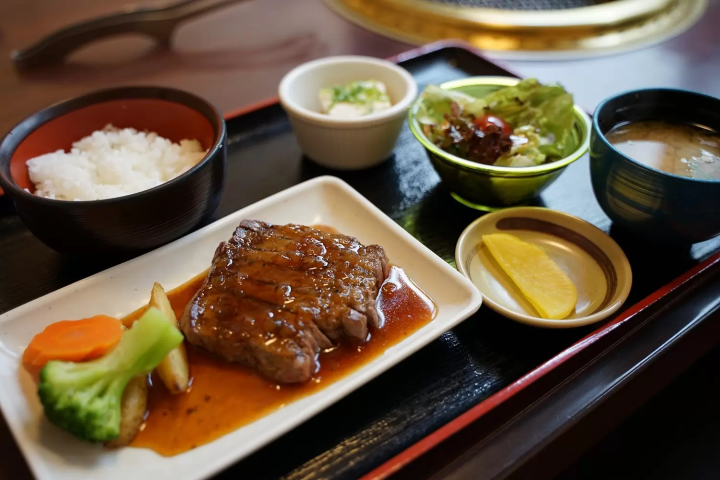
Culinary Highlight: Chiya Beef at Yakiniku Chiyagyu
Niimi is the birthplace of Takenotani-tsuru, widely recognized as Japan’s oldest pedigree cattle lineage and the genetic foundation of modern Wagyu. At Yakiniku Chiyagyu—operated by the local agricultural cooperative—diners can experience farm-fresh cuts of Chiya Beef, renowned for its delicate marbling, lean tenderness, and rich flavor profile. Located adjacent to a local farmers’ market offering seasonal specialties like Pione grapes, the restaurant provides an authentic taste of northern Okayama’s agricultural wealth.
2. Tsuyama City: Samurai Heritage and Participatory Public Art
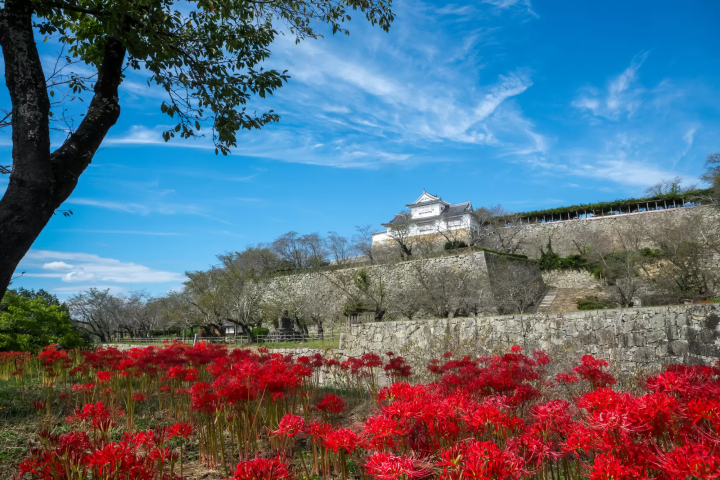
Growing around the fortifications of Tsuyama Castle and serving as a bustling post town along the historic Izumo Kaido highway, Tsuyama merges feudal architecture with contemporary design.
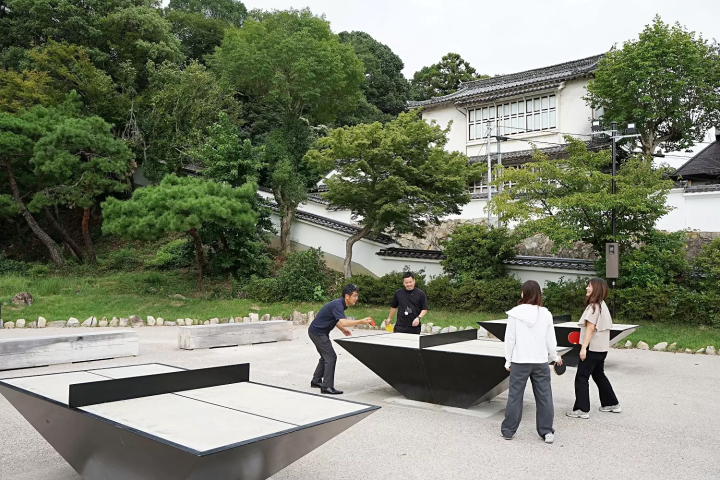
Tsuyama Ping-Pong Platz
Positioned directly outside the entrance to Tsuyama Castle within Kakuzan Park, the Tsuyama Ping-Pong Platz is a permanent public art installation created by Italian artist Giacomo Zaganelli during the 2024 festival. Comprising three custom-built ping-pong tables constructed from iron, concrete, and regional timber benches, the installation invites locals and international visitors to engage in active play.
Artistic Significance: Operating as "participatory art," the tables dismantle linguistic and cultural barriers, transforming a historic samurai precinct into an active, multigenerational community square. Equipment (paddles and balls) can be borrowed free of charge from the Tsuyama Natural Science Museum ticket office.
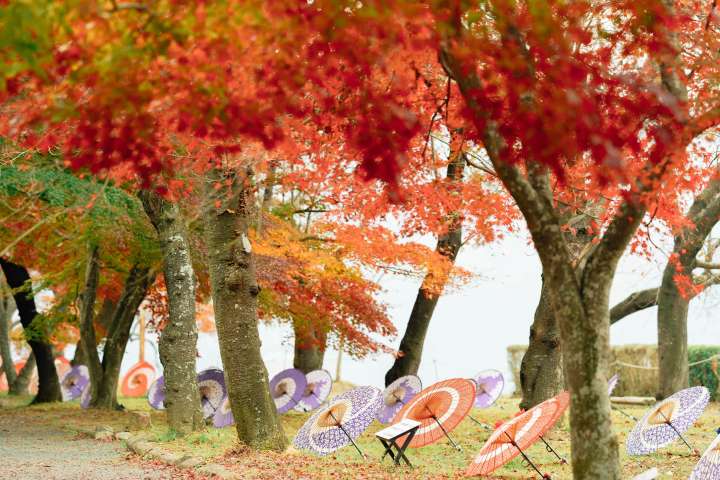
Access: A 10-minute walk from JR Tsuyama Station. The surrounding Kakuzan Park is nationally celebrated for its spring cherry blossoms and vibrant autumn momiji (maple) foliage.
3. Nagi Town: Nagi MOCA and Alpine Nature
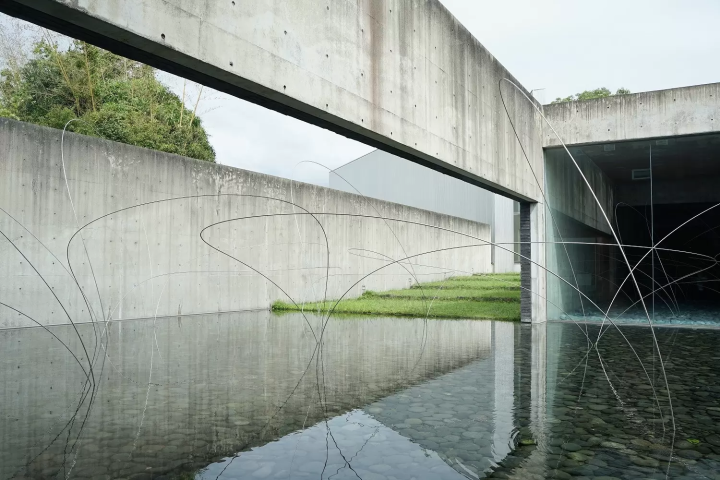
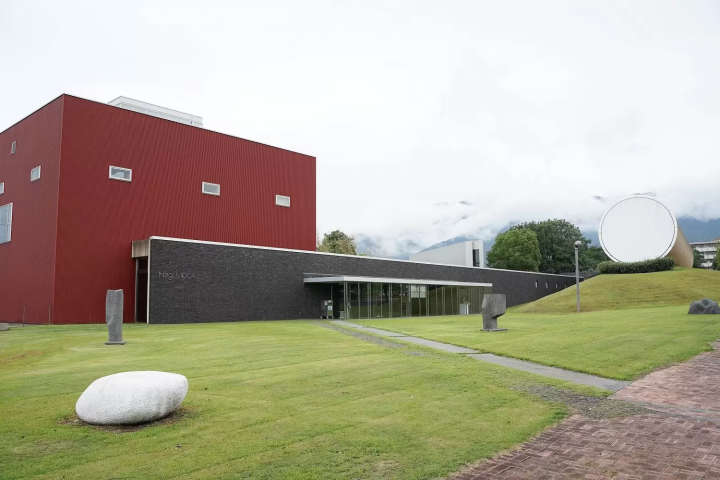
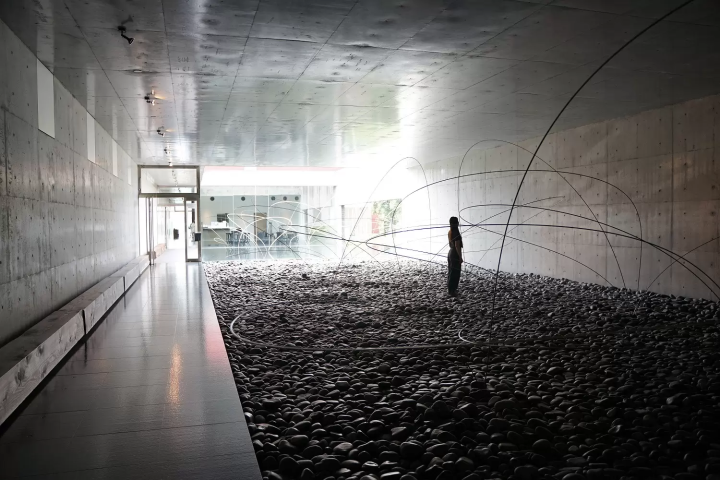
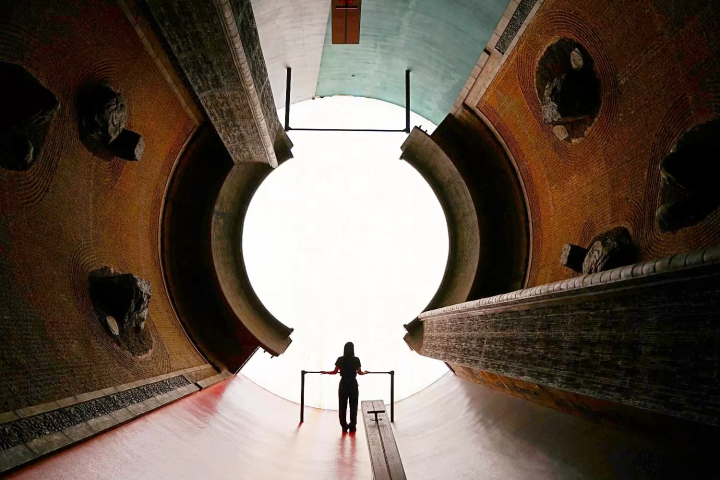
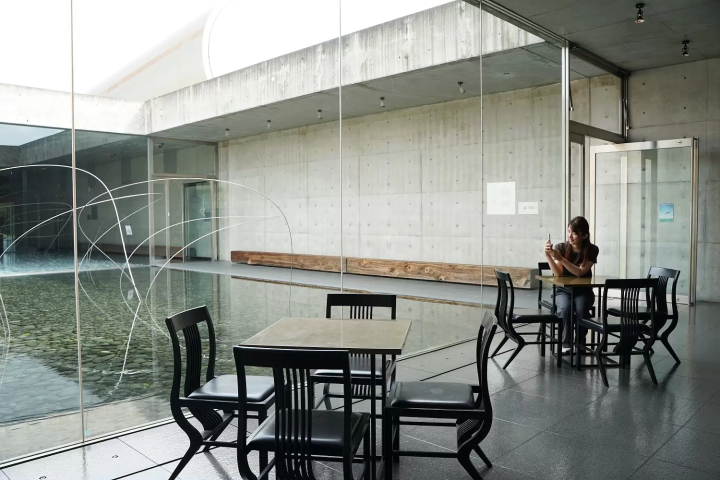
Nagi Town houses one of Japan’s architectural masterpieces: the Nagi Museum of Contemporary Art (Nagi MOCA), designed by Pritzker Prize-winning architect Arata Isozaki and opened in 1994. The museum was conceived around three permanent, site-specific installations that challenge spatial perception:
The Earth (Aiko Miyawaki): A meditative installation exploring the unseen ties connecting subterranean geology to the open sky.
The Moon (Kazuo Okazaki): A crescent-shaped architectural void engineered to capture autumnal moonlight and solstice sun angles, creating resonant acoustic properties.
The Sun (Shusaku Arakawa and Madeleine Gins): A disorienting environment replicating Ryoanji Temple’s rock garden within a tilted, symmetrical cylinder, forcing visitors to recalibrate their equilibrium.
Cosmology for the Future by Sandra Cinto
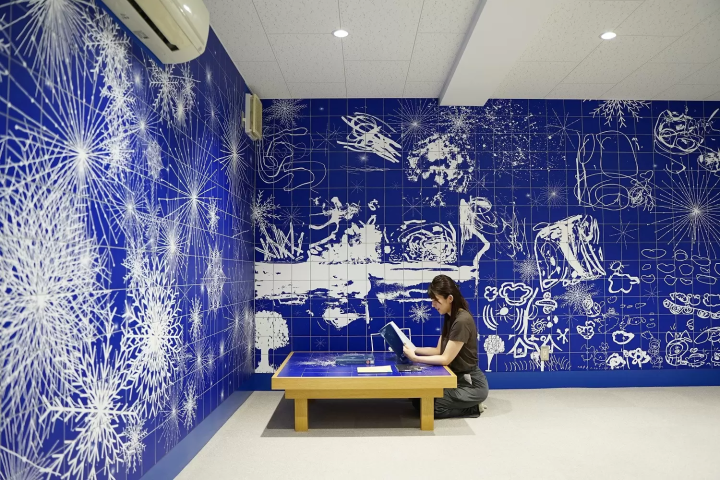
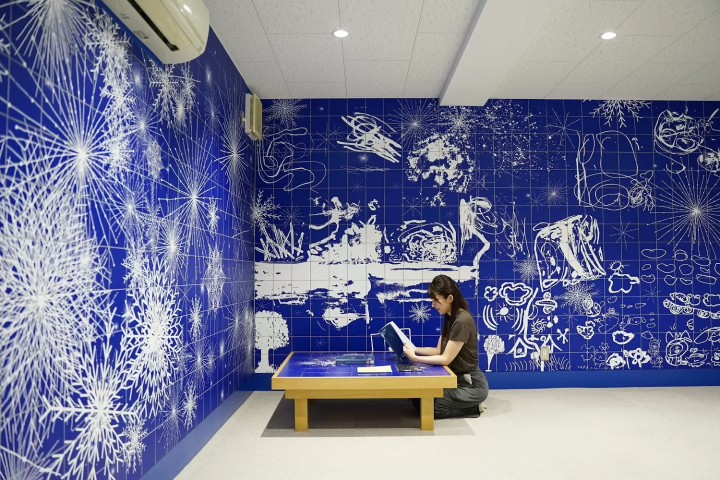
Located within the Nagi Town Library (situated adjacent to the museum), Sandra Cinto’s permanent wall mural Cosmos for the Future 2024-2025 was created in collaboration with local children during the 2024 art festival. The installation reflects Nagi’s status as a leader in regional child-rearing support, offering a cosmic, soothing meditation on community and universe.
Admission: Adults and University Students 700 yen; High School Students 500 yen; Elementary and Junior High Students 300 yen.
Access: 30–35 minute local bus from JR Tsuyama Station to Nagi Terrace, followed by a 5-minute walk.
Culinary & Trekking Base: Nagisanroku Yamanoeki
Situated at the base of Mount Nagi (a sacred peak linked in mythology to the creator deity Izanagi), this mountain rest station features farm-to-table dining, local markets, and cottage accommodations. Visitors can sample culinary specialties such as hardy mountain-grown satoimo (taro root) curry and artisanal donuts from Osaji, which feature inventive local flavors including tomato-fig, pumpkin, spinach, and bamboo charcoal.
Official Statements and Curatorial Vision
The overarching philosophy guiding northern Okayama’s cultural expansion is rooted in ecological preservation and community revitalization.
"Art does not merely decorate a space; it acts as a cultural catalyst. Through the Forest Festival of the Arts Okayama, our mission is to demonstrate how contemporary creativity can draw deep nourishment from local traditions, mountainous landscapes, and everyday human life. When visitors engage with site-specific works embedded in our satoyama villages, they are not just consuming culture—they are participating in a living dialogue between humanity and nature."
— Festival Executive Committee Statement
Curatorial frameworks for the upcoming Forest Festival of the Arts Okayama: Clear-skies Country 2027 emphasize the concept of "A Becoming Forest." Organizers intend to expand installations across 12 participating municipalities, reinforcing the mandate that regional revitalization must respect ecological boundaries while opening doors to global cultural tourism.
Future Outlook: Planning Your Journey for 2027
As international interest in sustainable, rural tourism accelerates, northern Okayama stands out as a model for regional regeneration through the arts. The combination of permanent museum collections (such as Nagi MOCA), preserved festival installations (Makido Cave, Niimi Library, Tsuyama Ping-Pong Platz), and world-class regional gastronomy (Chiya Beef and locally sourced alpine produce) creates a compelling, multi-day itinerary.
Travelers are advised to check official municipal transit schedules and secure accommodation well in advance of the September 18 opening of the 2027 festival. Whether exploring subterranean limestone illuminated by avant-garde lighting or sharing a game of ping-pong beneath the ramparts of a samurai castle, northern Okayama offers an immersive encounter with the soul of modern Japan.








Belum ada komentar. Jadilah yang pertama berkomentar!