

Executive Overview
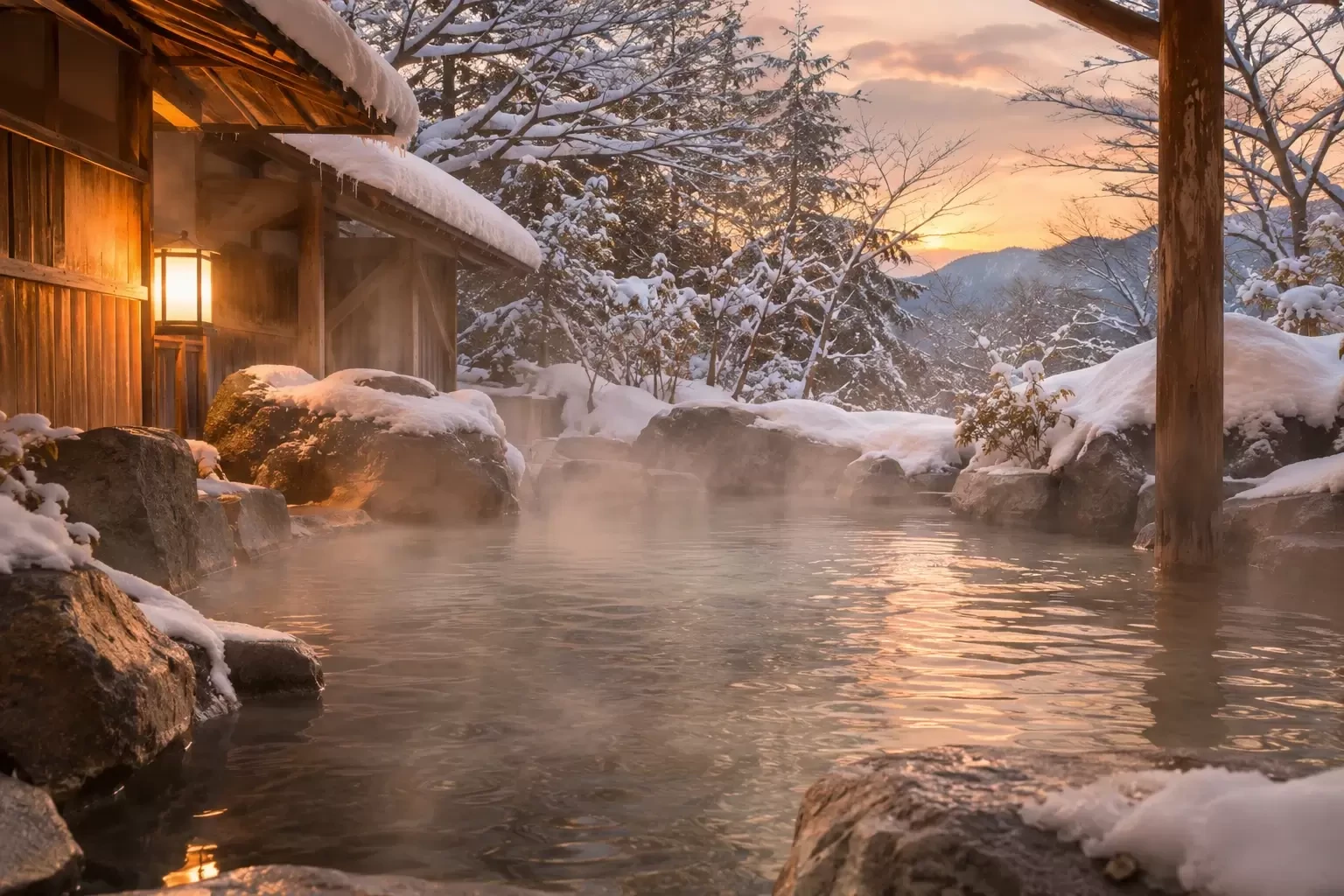
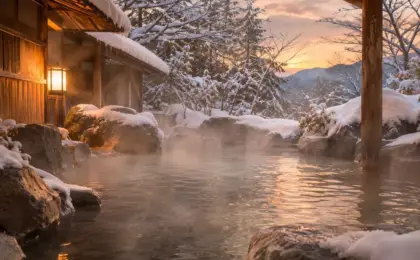
Nestled within the rugged, forested mountains of Gifu Prefecture, Gero Onsen is universally celebrated as one of Japan’s premier hot spring destinations. While its alkaline, silky waters draw travelers year-round, the winter season—spanning December through February—transforms the historic spa town into a snow-draped wonderland. Rising steam from open-air baths (rotenburo), glittering evening illuminations, and festive winter fireworks create a deeply atmospheric Japanese holiday experience.
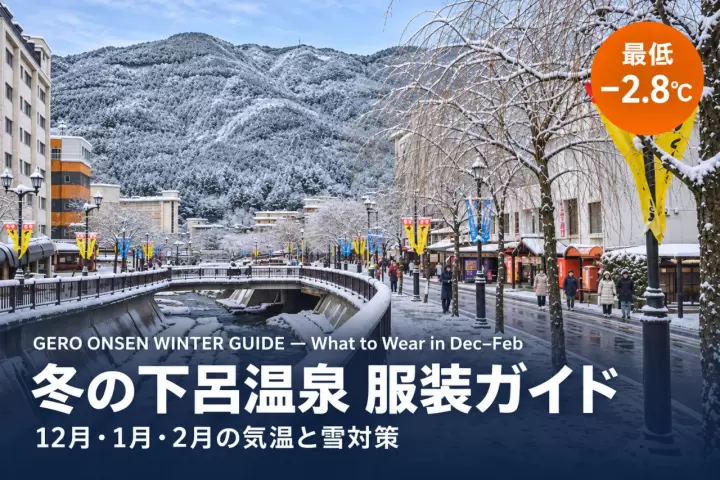
However, this picturesque alpine environment demands careful preparation. Unlike major urban centers like Nagoya—located roughly an hour and a half away—Gero Onsen experiences severe winter weather. Mornings and evenings routinely plunge below freezing, accompanied by sudden snowfall, icy walkways, and bone-chilling mountain winds.
This comprehensive guide serves as an authoritative resource for travelers planning a winter excursion to Gero Onsen. Drawing on regional meteorological data, municipal transit advisories, and local hospitality insights, this report outlines seasonal temperature trajectories, strategic layering and footwear protocols, logistical nuances for major events like the winter fireworks and Gassho-mura illuminations, and essential transportation updates for the 2026–2027 winter season.
Detailed Chronology: Seasonal Breakdown & Temperature Profiles
Understanding the microclimate of Gero Onsen requires looking beyond daytime averages. Because the hot spring resort rests in a river valley flanked by steep mountain slopes, diurnal temperature ranges are sharp. A comfortable afternoon walk can quickly turn into an endurance test against sub-zero winds once the sun dips below the peaks.
The following meteorological data, derived from the Hagiwara observation point in Gero City (averages recorded by the Japan Meteorological Agency from 1991 to 2020), outlines the baseline conditions travelers will encounter:
| Month | Maximum Temperature (Average) | Minimum Temperature (Average) | Primary Weather Characteristics |
|---|---|---|---|
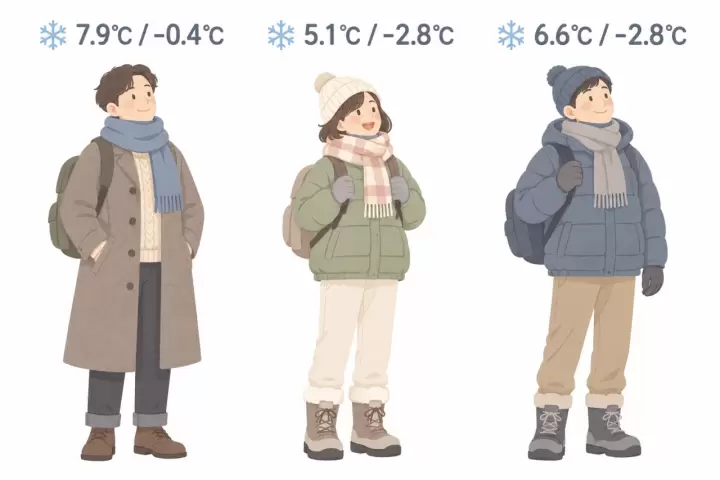
| December | 7.9°C | -0.4°C | Crisp days, early evening freezes, festive weekend fireworks. |
| January | 5.1°C | -2.8°C | Peak cold, frequent morning frost, intermittent snow accumulation. |
| February | 6.6°C | -2.8°C | Severe morning lows, late-month softening, active illumination events. |
| March | 11.2°C | 0.3°C | Transitional spring thaw, lingering morning and evening frost risks. |
(Note: Temperatures within the immediate hot spring resort core may vary slightly from outlying municipal observation points, but the general thermal profile remains consistent.)
December: The Threshold of Winter
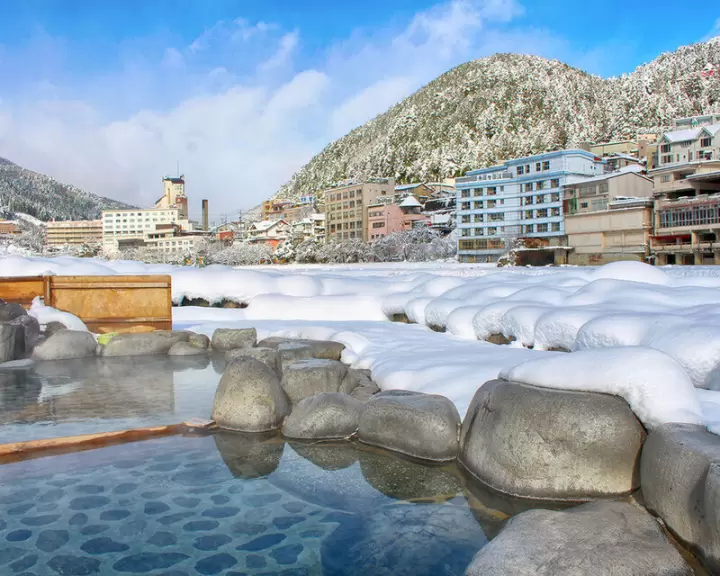
As December arrives, daytime temperatures hover near 7.9°C, allowing for pleasant strolls along the Hida River if travelers are properly attired. Yet, as night falls, the mercury drops rapidly to an average minimum of -0.4°C. Visitors participating in the Saturday evening fireworks displays must prepare for raw, biting winds rolling down the river valley.
January: The Heart of the Alpine Cold
January represents the deep freeze of the Gero winter. Average minimum temperatures plummet to -2.8°C, while daytime highs struggle to reach 5.1°C. Snow accumulation becomes a regular factor, blanketing the town’s traditional roofs and narrow stone pathways. Outdoor exploration requires full winter armor, including windproof down outerwear and specialized thermal layering.
February: Persistence of Frost and Festive Illumination
February maintains the severe thermal profile of January, holding an average minimum of -2.8°C. While late February hints at the approaching transition of spring with daytime highs recovering to 6.6°C, the nighttime environment remains harshly cold. This month hosts major night tourism initiatives, such as the Gero-Onsen Gassho-mura light-up events, necessitating strict adherence to cold-weather protocols for visitors standing outdoors for extended periods.
Supporting Context & Metrics: Wardrobe, Footwear, and Health Management
Surviving and thriving in Gero Onsen’s winter climate relies on strategic gear management. Because visitors frequently alternate between sub-zero outdoor environments and intensely heated indoor spaces (such as traditional ryokan inns, shops, and trains), standard heavy winter coats alone are insufficient.
1. Thermal Layering for Indoor-Outdoor Transitions
Japanese indoor hospitality spaces are notoriously well-heated. Wearing a single, overwhelmingly heavy sweater beneath a tight coat will cause excessive perspiration outdoors, leading to rapid chill-induced sickness once inside.
- The Base Layer: High-performance thermal underwear (top and bottom), such as moisture-wicking synthetic or merino wool fabrics, is vital.
- The Mid Layer: A knit sweater or fleece jacket that can be easily unzipped, put on, or taken off.
- The Outer Layer: A windproof, water-resistant down jacket or heavy wool coat.
2. Extremity Protection
Heat escapes rapidly through the extremities. When venturing out for evening events, travelers must pack:
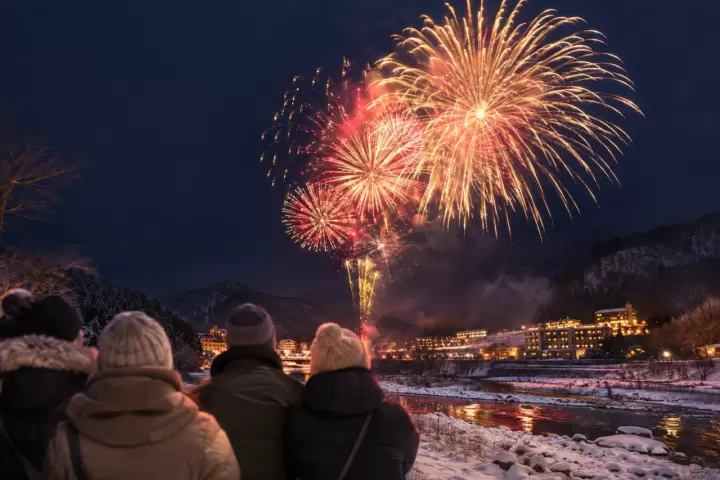
- Hats, Gloves, and Scarves: Essential for protecting ears, fingers, and the neck from sub-zero drafts. Touchscreen-compatible gloves are recommended to prevent frost-nipped fingers while navigating smartphones.
- Disposable Hand Warmers (Kairo): Invaluable pocket-sized heat sources. Placing an adhesive kairo on the lower back (over the base layer) or carrying pocket warmers drastically improves comfort during static outdoor events like fireworks.
3. Footwear and Slip Prevention on Snow and Ice
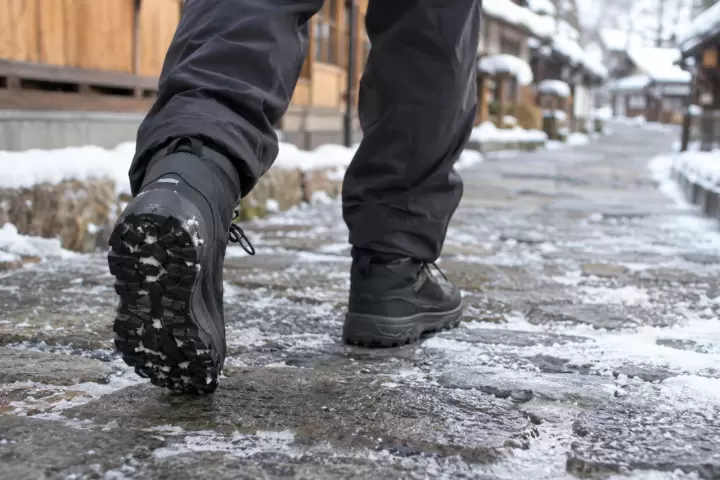
Gero Onsen is an ancient mountain spa town characterized by steep inclines, stone staircases, and narrow alleyways. When snow melts during the day and refreezes overnight, these paths turn into treacherous sheets of black ice.
- Recommended Footwear: Waterproof snow boots featuring deep, aggressive tread patterns.
- The Danger of Standard Shoes: High heels, flat-soled leather shoes, and standard urban sneakers offer virtually zero traction on icy Japanese stone steps. Traditional wooden inn clogs (geta) or loose slippers should never be worn outside.
- Anti-Slip Devices: Travelers using standard shoes should pack portable, slip-resistant rubber grips (simple metal spikes) that stretch over footwear soles.
Safe Walking Mechanics on Ice:
- Take short, deliberate steps, landing flat on the entire sole of the foot rather than striking with the heel.
- Shift body weight slightly forward when navigating downhill slopes.
- Keep hands free: Never walk with hands shoved deep into coat pockets. Wear gloves so arms remain free to break a fall if slipping occurs.
- Exercise extreme caution on bridges, manhole covers, shaded alleyways, and stone staircases.
Official Statements & Local Hospitality Protocols
Local tourism authorities and ryokan operators emphasize specific hospitality etiquette and safety measures to ensure visitor well-being during the winter season.
Navigating the Gero-Onsen Gassho-mura
The historic Gero-Onsen Gassho-mura—featuring authentic, thatched-roof architectural masterpieces relocated from Shirakawa-go—sits on a steep mountain slope rising above the main hot spring town.
- Transit Advisory: The walk from Gero Station involves a continuous, 20-minute uphill climb. On snowy or icy days, municipal officials strongly advise against walking up the slope with heavy luggage.
- Shuttle Services: During official winter illumination periods, a dedicated free shuttle bus operates from the hot spring town directly to the Gassho-mura grounds. Alternatively, standard local buses and taxis are readily available from Gero Station (approximately a 6-minute ride).
Footbath (Ashiyu) Etiquette in Freezing Weather
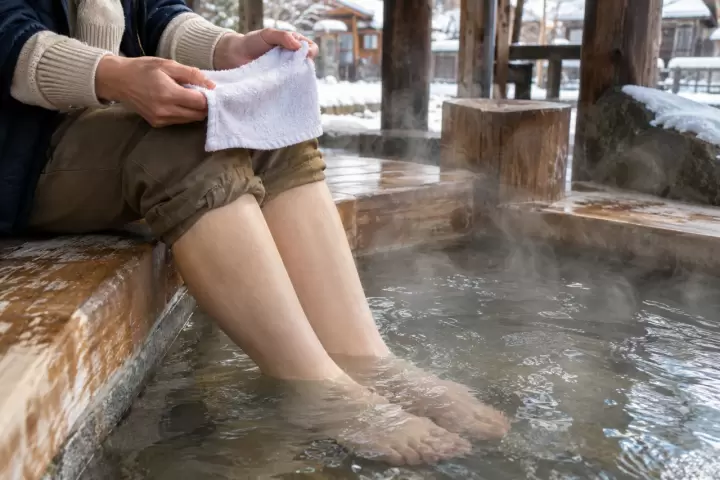
Gero Onsen features numerous public, complimentary footbaths scattered throughout the town. However, utilizing them in winter carries specific physical risks if proper steps are ignored:
- The Damp Foot Hazard: Soaking feet in hot spring water dilates blood vessels and warms the body, but stepping out into sub-zero air with wet feet will cause rapid, severe chilling. Travelers must carry a dedicated small towel to thoroughly dry their feet and toes before slipping socks back on.
- Footwear Selection: Wear shoes that are extremely easy to slip on and off to maximize enjoyment of the footbath network without struggling with frozen laces in the cold.
- Hair Care: After soaking in full hot spring baths (onsen), visitors must ensure their hair is completely dry before stepping outside. Wet hair freezes instantly in sub-zero evening temperatures, leading to headaches and potential illness.
- Yukata Restrictions: While strolling the town in a traditional cotton robe (yukata) provided by your inn is a classic Gero experience, winter visitors must wear a heavy padded overcoat (tanzen) and restrict their walks to short durations.
Future Outlook: Winter 2026–2027 Events and Transportation Logistics
Planning a winter journey to Gero Onsen requires careful coordination with seasonal event schedules and railway operating policies.
Featured Winter Events (2026–2027 Season)
- Gero Onsen Winter Fireworks:
- Schedule: Launched at 8:00 PM on Saturdays (December 5, 12, and 19, 2026), featuring a special Christmas performance on Thursday, December 24, 2026.
- Location: Viewed from the banks of the Hida River. Attendees must dress in full alpine gear due to severe river valley winds.
- Gero-Onsen Gassho-mura Winter Illuminations:
- Schedule: Operating across limited windows from January 18 to January 22, and February 1 to February 12, 2027.
- Highlights: Magical light-ups of historic thatched-roof farmhouses, often accompanied by traditional cultural performances such as local geisha dances and Ryujin Taiko drumming.
Comprehensive Winter Packing Checklist
| Item | Strategic Purpose |
|---|---|
| Down Jacket / Heavy Coat | Essential defense against sub-zero nighttime temperatures and mountain winds. |
| Thermal Underwear (Top & Bottom) | Critical base layer for static outdoor viewing (fireworks, illuminations). |
| Hats, Gloves, & Scarves | Prevents rapid heat loss from ears, fingers, and neck. |
| Waterproof Snow Boots / Ice Grips | Prevents dangerous slips on icy stone steps and slopes. |
| Thick Socks & Spare Pairs | Keeps feet warm and provides dry replacements after footbath visits. |
| Disposable Hand Warmers (Kairo) | Sustains core and hand warmth during evening outdoor events. |
| Small Towel | Vital for drying feet after utilizing public footbaths. |
| Portable Power Bank | Prevents premature smartphone battery drain caused by extreme cold. |
| Moisturizing Cream & Lip Balm | Combats severe winter dryness of the skin and lips. |
Transportation Logistics: Train vs. Automobile
- The Rail Advantage: The journey from Nagoya Station to Gero Onsen takes approximately 1 hour and 30 minutes aboard JR’s scenic Limited Express "Hida" train. Rail travel completely eliminates the stress of navigating hazardous mountain highways during snowstorms.
- Crucial Rail Reservation Notice: From December 25, 2026, to January 5, 2027, all seats on the Limited Express "Hida" will be strictly reserved. Travelers visiting during the New Year holiday period must book their rail tickets well in advance. Monitoring JR service information for snow-related delays is advised.
- Driving Warnings: Visitors opting to travel by automobile must equip their vehicles with snow tires (winter tires). Mountain access roads and interior resort slopes become impassable and lethal on standard tires. Carrying emergency tire chains is strongly encouraged. Travelers unfamiliar with driving on packed snow and ice should defer to the railway system to ensure safety.
Conclusion
Gero Onsen in winter offers a breathtaking blend of steaming mineral waters, cultural pageantry, and snow-covered landscapes. By respecting the severity of the alpine climate, adhering to proper layering and footwear safety protocols, and securing travel logistics early, visitors can ensure an unforgettable, restorative journey into the heart of Gifu Prefecture’s premier hot spring haven.




Belum ada komentar. Jadilah yang pertama berkomentar!