

By Craig Robinson | Senior Editor
Updated: September 1, 2026
Executive Overview
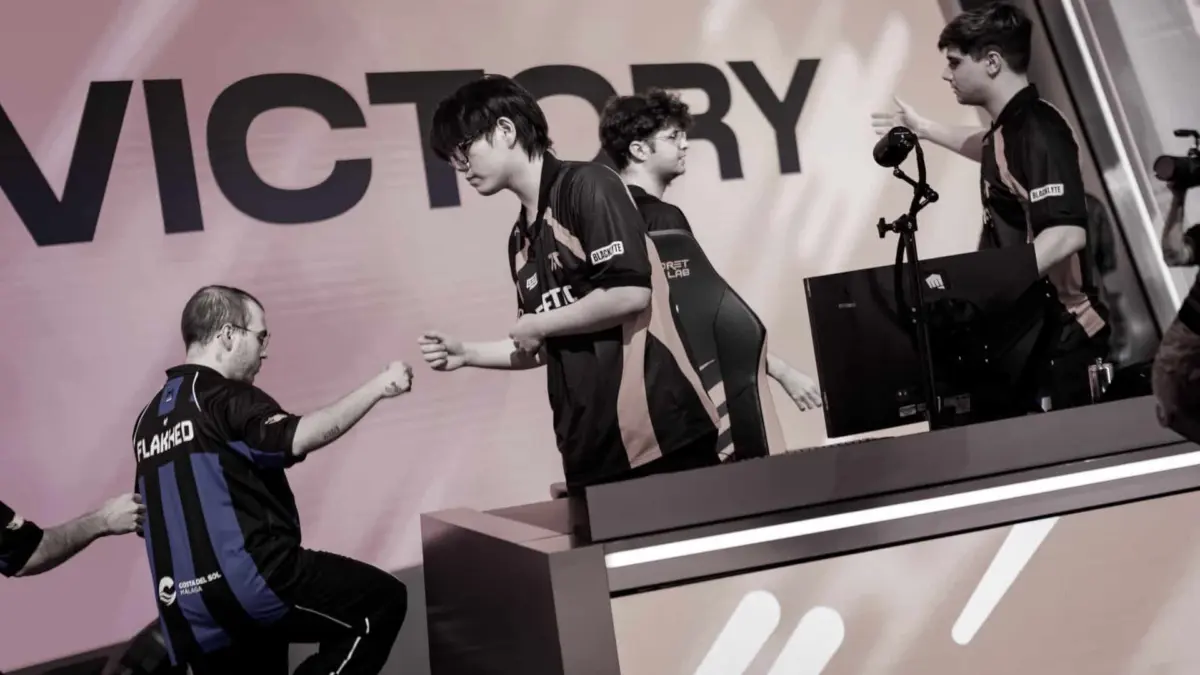
The landscape of European League of Legends esports has shifted in a way many thought impossible. Following the conclusion of a tumultuous LEC Summer Split, historic powerhouse Fnatic officially failed to qualify for the 2026 World Championship. This catastrophic finish marks the first time since 2016 that the black-and-orange organization will be absent from the global stage—bringing an iconic, decade-long streak of consistency to a crashing halt.
The decisive blow was dealt on a tense Sunday evening, when Fnatic fell to GiantX in a high-stakes regular-season finale. While GiantX secured their coveted top-four finish and booked a ticket to the Madrid roadshow, Fnatic plummeted to seventh place, missing out on the LEC playoffs entirely.
Compounding the disaster, the final nail in Fnatic’s coffin was driven by none other than their former top laner, Oscarinin. Now donning the GiantX colors, Oscarinin’s stellar performance against his former employers capped off one of the most compelling and poetic revenge storylines in recent esports history.
With their competitive calendar abruptly cleared, Fnatic faces an arduous offseason. Missing Worlds—alongside the global Demacia Cup—comes at the worst possible time for the organization, casting a long shadow over ongoing buyout rumors, internal restructuring, and the future of the brand’s flagship League of Legends division.
Detailed Chronology: How the Summer Split Collapsed
To understand how a team of Fnatic’s pedigree found itself locked out of the postseason, one must examine the razor-thin margins and mounting pressure of the 2026 LEC Summer Split.
Throughout the split, Fnatic’s trajectory was defined by inconsistency. Despite flashes of brilliance—such as mid-season roster adjustments, experimental drafts, and viral social media teases from bot-laner Upset—the team struggled to build cohesive momentum. Heading into the final weekend of the regular season, the mathematical permutations were agonizingly clear.
Fnatic needed a victory against GiantX to leapfrog MKOI and secure the vital sixth-place playoff spot. A win would have salvaged their postseason life and kept their Worlds qualification dream alive. However, GiantX had ambitions of their own. Eager to lock down a top-four standing that would guarantee them a trip to Madrid for the opening round of upper bracket roadshow matches, GiantX entered the series fully galvanized.
From the draft phase to the Nexus destruction, GiantX outmaneuvered Fnatic across the board. Despite desperate attempts by Fnatic’s core to stem the bleeding, GiantX closed out the series cleanly. The victory achieved both objectives for the Spanish-UK organization: a trip to Madrid and the premature elimination of Fnatic from the 2026 championship race.
With MKOI securing their footing and Fnatic tumbling down to seventh place, the realization set in across the LEC studio and fan communities alike: the giants had fallen.
The Oscarinin Factor: A Poetic Revenge Arc
In sports and esports alike, narrative symmetry often provides the sharpest sting. The catalyst for Fnatic’s elimination was top laner Martin "Oscarinin" Almendros—the very player Fnatic parted ways with earlier in the year.
Oscarinin’s departure from Fnatic was far from amicable. In previous candid interviews with Sheep Esports, the Spanish top laner expressed deep frustrations regarding his time under the Fnatic banner, bluntly stating that his stint with the organization had actively "f**ked his image up" and damaged his professional reputation within the European ecosystem.

When GiantX picked him up at the start of the summer split, Oscarinin found a revitalized environment. Speaking to German esports outlet RunItDown, he made no secret of his intentions leading up to the Sunday showdown, openly admitting his desire to knock his former team out of playoff contention.
To execute that vision on the Summoner’s Rift—delivering a masterclass performance that sealed Fnatic’s fate—turned what was already a devastating loss for Fnatic into a historic piece of organic storytelling. For Oscarinin, it was the ultimate vindication; for Fnatic, it was a bitter pill swallowed at the hands of a player they cast aside.
Supporting Context & Metrics: The End of a Ten-Year Legacy
The statistical and historical weight of this missed qualification cannot be overstated. For ten consecutive years (2017 through 2025), Fnatic has been a permanent fixture of the World Championship landscape. Alongside organizations like G2 Esports, Fnatic represented the foundational bedrock of European competitiveness on the international stage, boasting historic achievements including a Worlds Finals appearance in 2018 and numerous deep bracket runs.
Missing Worlds 2026 disrupts a proud organizational heritage. Furthermore, the timing compounds Fnatic’s competitive isolation. Because they failed to secure a playoff berth, they are also disqualified from participating in the newly expanded, globalized Demacia Cup, which features 12 elite teams from all major regions. This robs the roster of valuable international reps and leaves them sidelined while their regional rivals battle for glory.
The ramifications extend far beyond the League of Legends division. Fnatic’s Valorant roster also suffered a bitter blow this summer, failing to advance through the fiercely competitive EMEA region. With Fnatic’s two primary esports pillars stumbling simultaneously, the organization finds itself at a profound crossroads.
Financial and Corporate Pressures: The Shadow of Buyout Rumors
Beyond the server disconnects and missed trophies, macro-level business pressures loom large over Fnatic headquarters.
As Esports News UK previously reported back in May 2026, rumors surrounding a potential corporate buyout have swirled in the background, with multiple traditional football organizations reportedly circling the UK esports giant. In the fast-paced, highly capital-intensive world of global esports, valuation is deeply tied to brand performance, viewership share, and competitive relevance.
Because League of Legends remains Fnatic’s flagship brand and historical crown jewel, consecutive seasons of underperformance—culminating in this historic Worlds absence—inevitably alter the leverage board during corporate evaluations and investment talks. Stakeholders and prospective buyers scrutinize athletic return on investment closely; missing out on the industry’s most-watched international tournament deals a tangible blow to global visibility and merchandising potential.
Future Outlook: The Inevitable 2027 Rebuild
As the dust settles on the LEC Summer Split, Fnatic’s immediate future is defined by transition and reconstruction.
Management faces a monumental task ahead of the 2027 competitive season. A piecemeal approach will no longer suffice; almost certainly, Fnatic will require a comprehensive, ground-up roster rebuild to restore the organization to its former glory. Decisions regarding coaching staff, player retention, and systemic infrastructure will be heavily scrutinized by a passionate fanbase that expects championship contention as the baseline minimum.
The offseason promises to be long, quiet, and reflective for the black-and-orange faithful. For a decade, the autumn months meant international travel, global hype trailers, and Worlds aspirations. In 2026, however, autumn arrives early for Fnatic—bringing with it the harsh reality that rebuilding a dynasty is far harder than maintaining one.
Stay updated with the latest breaking esports news, player transfers, and deep-dive analysis by subscribing to Esports News UK on Google News.




Belum ada komentar. Jadilah yang pertama berkomentar!