San Francisco’s Golden Gate Park once again played host to one of the most enduring and unique cultural institutions in contemporary American music: the Hardly Strictly Bluegrass Festival. Marking its 26th landmark year, the festival delivered a breathtaking multi-day convergence of Americana, roots, jamgrass, and straight-ahead rock ’n’ roll. Funded in perpetuity by the late philanthropist and founder Warren Hellman, the festival remains a singular anomaly in the modern live-music economy—completely free to the public, operating without corporate sponsorships, and drawing massive, mellow crowds across its sprawling stages.
The 2026 iteration, however, tested the structural limits of this beloved event. Propelled by a stellar, nostalgia-infused lineup, pristine autumn weather, and an era defined by economic pressures that have left music lovers hungry for accessible cultural experiences, the festival hit a historic milestone: for the first time in its quarter-century history, organizers were forced to temporarily close the park’s gates due to overwhelming capacity crowds.
From pre-festival benefit concerts honoring the late, great Bob Weir at the Sweetwater Music Hall to high-voltage weekend sets by My Morning Jacket, Los Lobos, Robert Plant, and Jesse Welles, and culminating in an explosive week-long Fillmore residency finale, the 2026 festival proved to be a masterclass in communal musical catharsis.
Detailed Chronology: From Pre-Festival Tributes to Residency Finales
The Prelude: Monday, September 28
The official proceedings of the 2026 festival footprint began days before the park gates opened, anchored by a poignant benefit show at Mill Valley’s historic Sweetwater Music Hall. Co-presented by Hardly Strictly Bluegrass and Music Heals International (MHI), the evening was dedicated to celebrating the life and legacy of the late Bob Weir, who posthumously received MHI’s Rob Wasserman Memorial Ambassador Award.
Lukas Nelson spearheaded the evening alongside a powerhouse backing band featuring local luminaries Grahame Lesh, Dan Lebowitz, Holly Bowling, John Molo, and Paul Beaubrun. The opening instrumental stretch featured Lesh anchoring the low end on foundational Weir and Grateful Dead compositions like "Cassidy," "The Other One," "Estimated Prophet," and "Only a River."
When Nelson took the stage, he shared intimate anecdotes of late-night jam sessions with Weir fueled by Laphroaig scotch before wryly noting, "He and I since had to quit doing that… You know, it’s not sustainable, and we’re all about sustainability." Nelson then delivered a poignant solo acoustic reading of his 2017 tune "If I Started Over"—dedicating it entirely to Weir—before steering the room through Willie Nelson’s "Angel Flying Too Close to the Ground" and leading a tear-inducing, communal singalong of the Grateful Dead’s "Ripple."
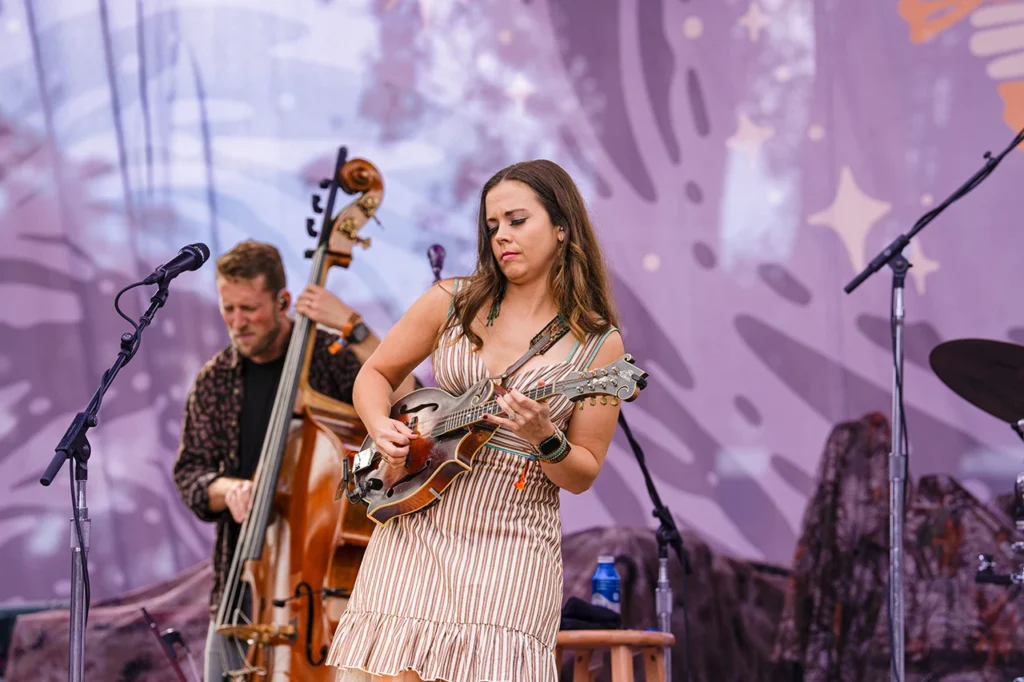
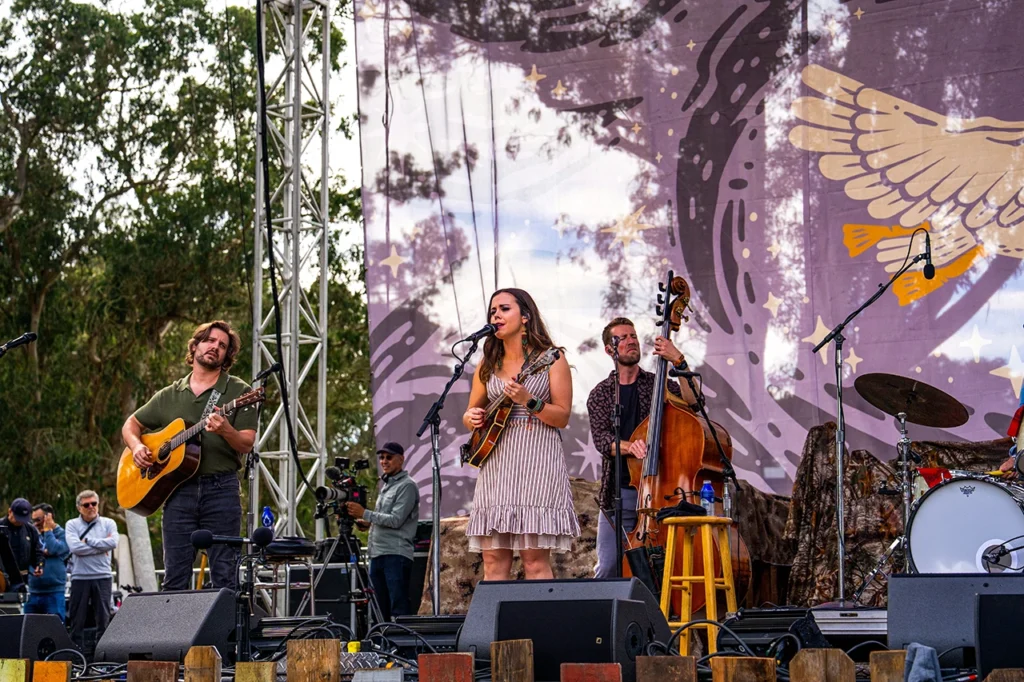
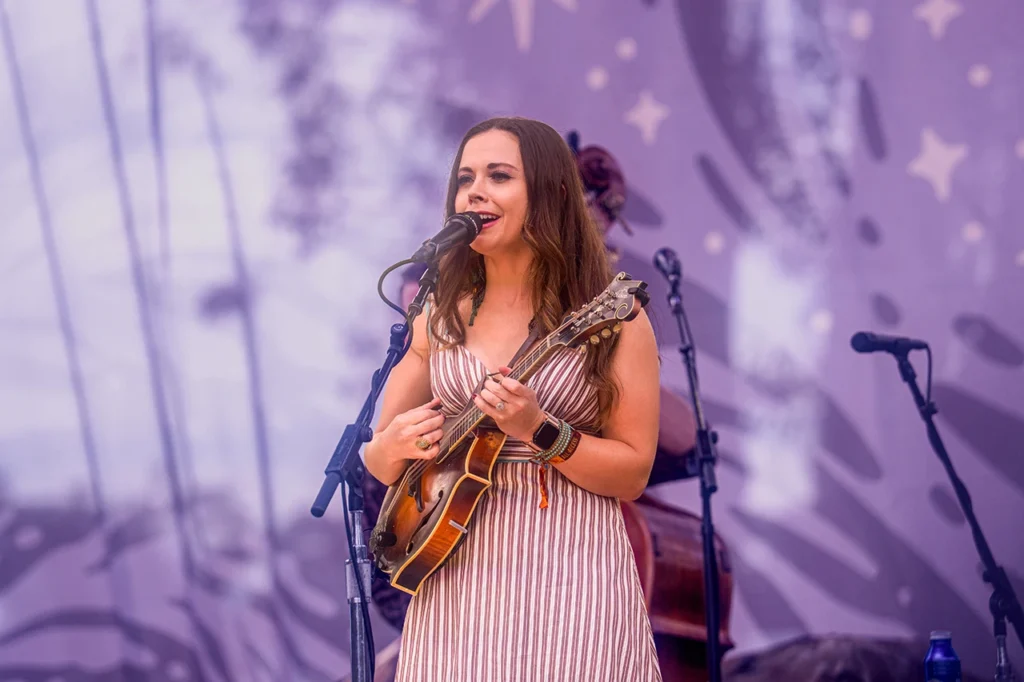
Golden Gate Park bathed in glorious, sun-drenched autumn weather as Friday afternoon commenced. Sierra Hull kicked off proceedings at the Swan Stage with an electrifying display of high-octane jamgrass. Her set wove mystical tones on "Wings of the Dawn" with a blistering, mandolin-driven rendition of the Delmore Brothers’ "Blues Stay Away From Me." Hull’s emotive, contemporary reworking of Tears for Fears’ "Mad World"—infusing the melancholy standard with the eerie resonance often associated with Richard Kelly’s 2001 cinematic cult classic Donnie Darko—cemented her status as a premier modern interpreter of pop and roots idioms.
As the afternoon progressed, Los Lobos took over the Swan Stage, proving why they remain one of the hardest-working and most vital roots-rock outfits on the planet. Fusing 1984’s "How Will the Wolf Survive" with Richie Valens’ timeless 1958 classic "C’mon Let’s Go," the East Los Angeles veterans commanded the park. Guitarist David Hidalgo effortlessly won over the San Francisco crowd while sporting an L.A. Dodgers cap, later picking up an accordion for "Kiko and the Lavender Moon." Seamless transitions into the Grateful Dead’s "Not Fade Away" and "Bertha" touched off an ecstatic dance party that rolled straight into "La Bamba."
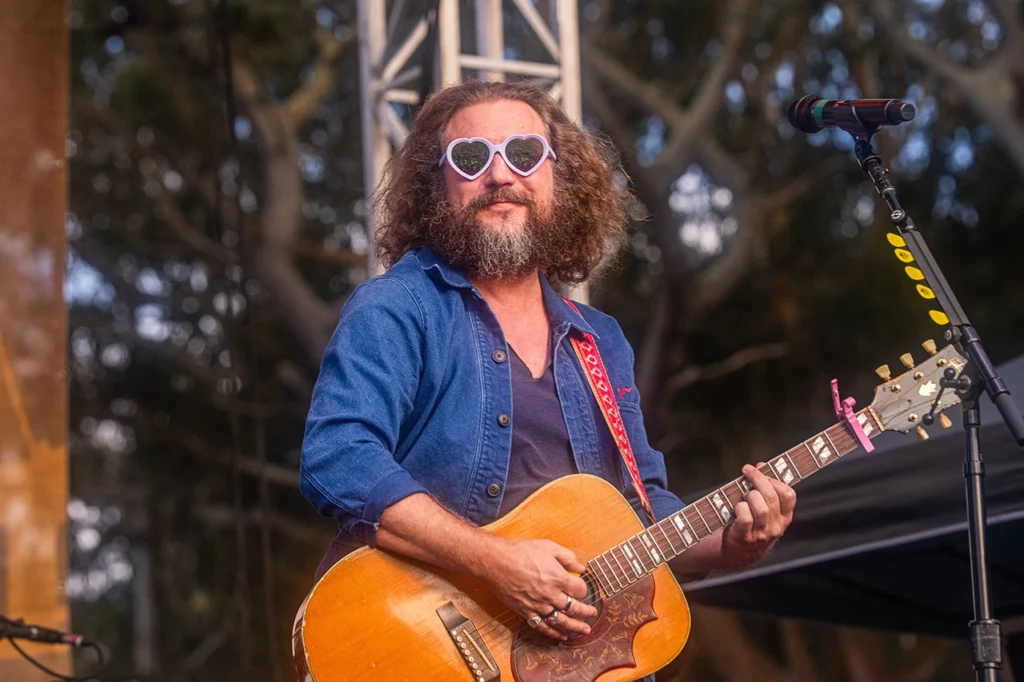
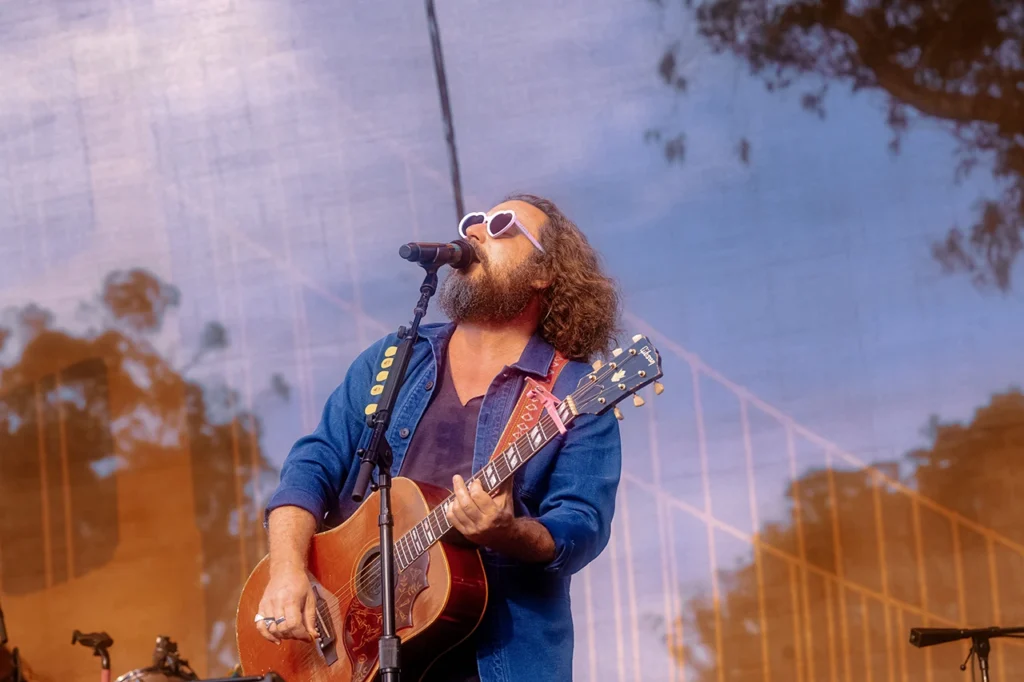
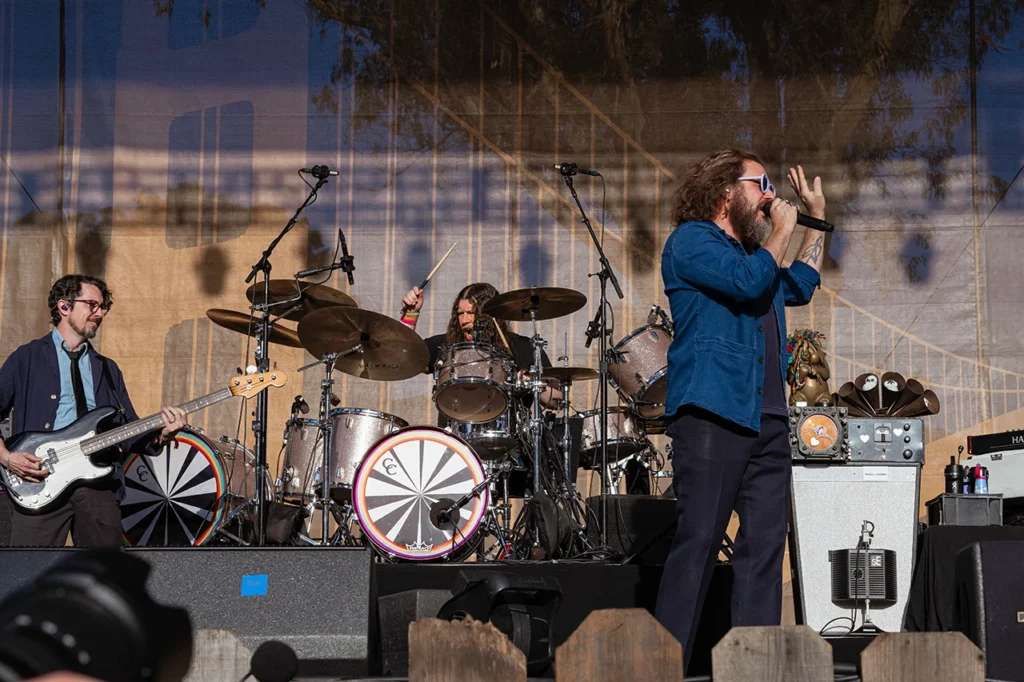
Maintaining the festival’s famously tight scheduling, My Morning Jacket stepped onto the adjacent Towers of Gold stage the moment Los Lobos struck their final chords. The Louisville rockers delivered a career-spanning performance characterized by soaring spiritual energy. Frontman Jim James led the charge through "I Can Hear Your Love," a soaring "Mahgeeta," and the politically incisive "I’m Amazed," which cut deep under the late-afternoon sun. New anthems like 2025’s "Everyday Magic" served as a thematic centerpiece for the weekend, encapsulating the festival’s unique ability to weave ripples of hope through space and time.
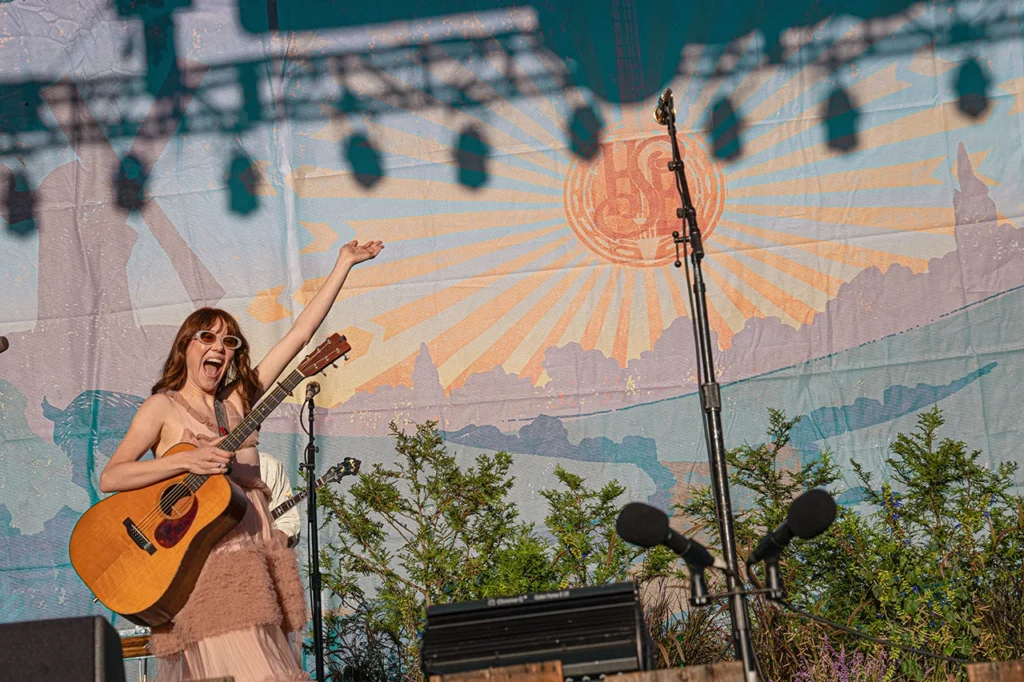
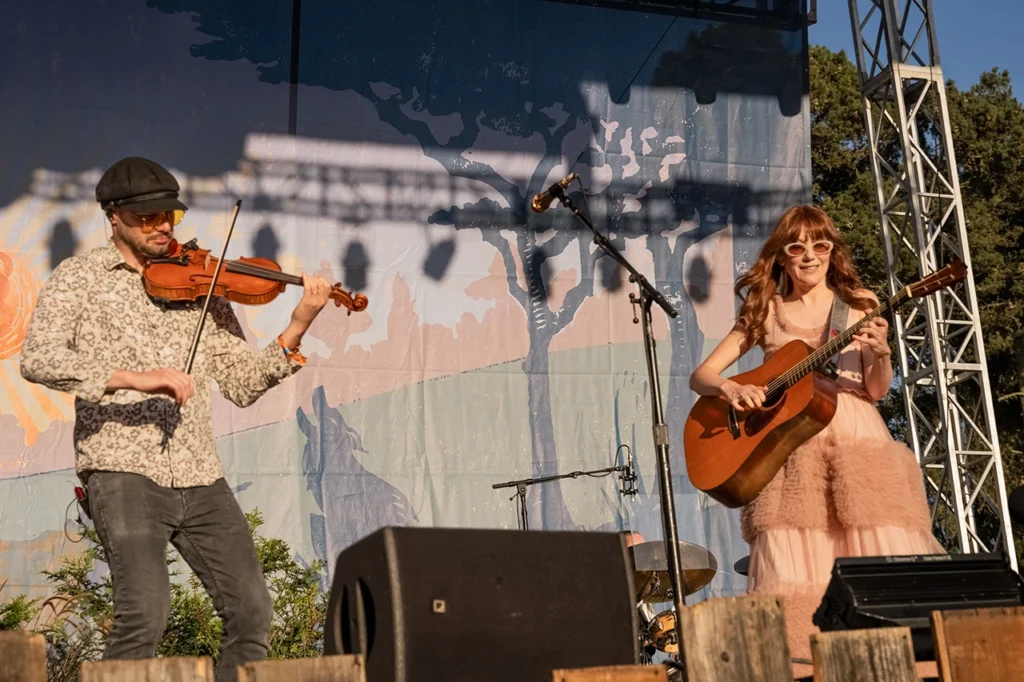
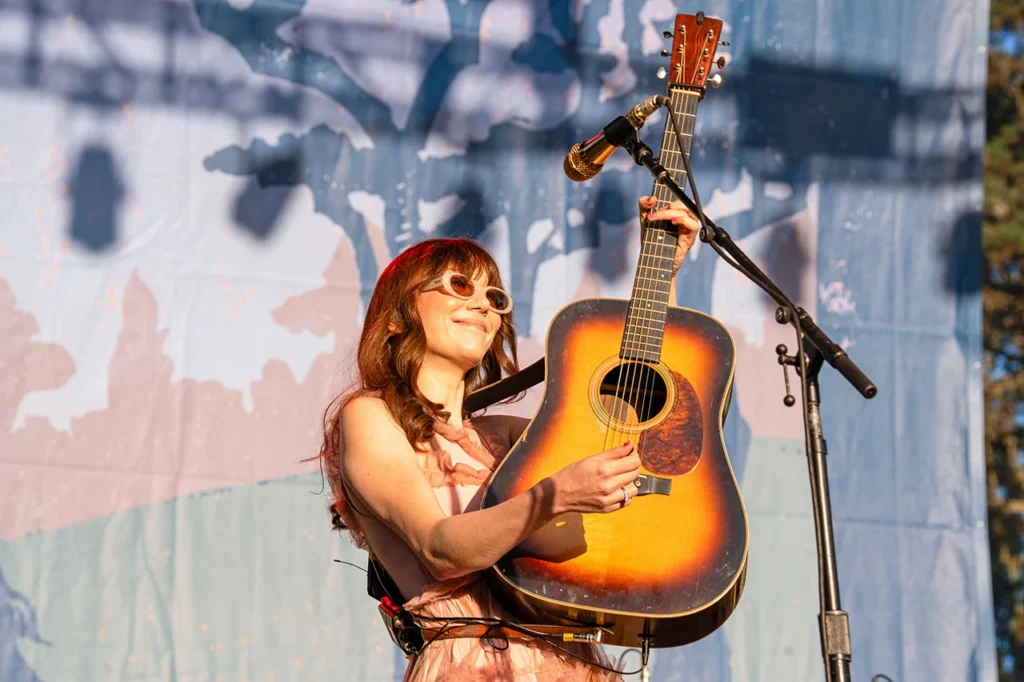
Friday evening culminated in a scheduling paradox: Lukas Nelson performed a concurrent set at the Swan Stage while Molly Tuttle commanded the Banjo Stage. Tuttle’s performance stood out for its sharp socioeconomic commentary, pairing a jubilant cover of Joni Mitchell’s "Big Yellow Taxi" with her own contemporary classic, "San Francisco Blues." Reworking 20th-century cost-of-living struggles into a sharp mirror for the 21st-century housing crisis, Tuttle sang, "Before the fires, before the quake / Before the crash of ’08 / There was magic… Now I can’t even pay to ride the cable cars"—a line that resonated powerfully across generational divides.
Day Two: Saturday, October 3
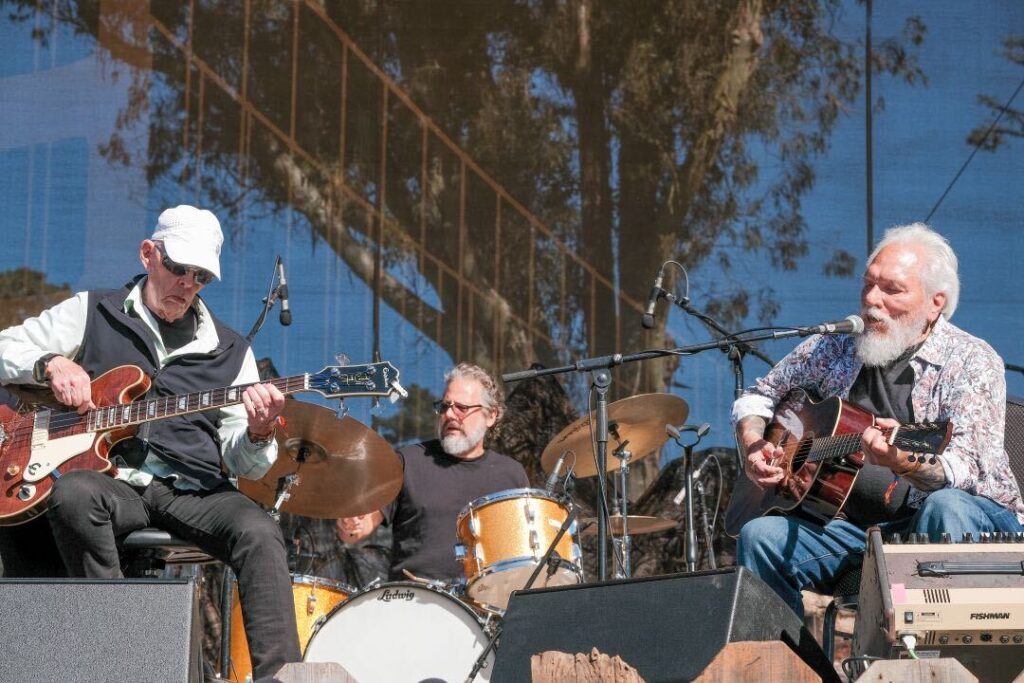
Temperatures climbed five degrees on Saturday, baking the festival grounds and testing the endurance of fans securing front-row spots at the Towers of Gold stage for Hot Tuna. Octogenarian guitar virtuoso Jorma Kaukonen and bassist Jack Casady delivered an absolute masterclass in acoustic blues and American roots music. Joined by drummer Justin Guip and harmonica player Ross Garren, the duo proved their foundational "San Francisco Sound" remains as potent as ever. Highlighted by an exquisite, fingerpicked journey through "Sea Child" and a transcendent, extended exploration of Kaukonen’s 1969 Jefferson Airplane classic "Good Shepherd," the set was a masterclass in tone and restraint.
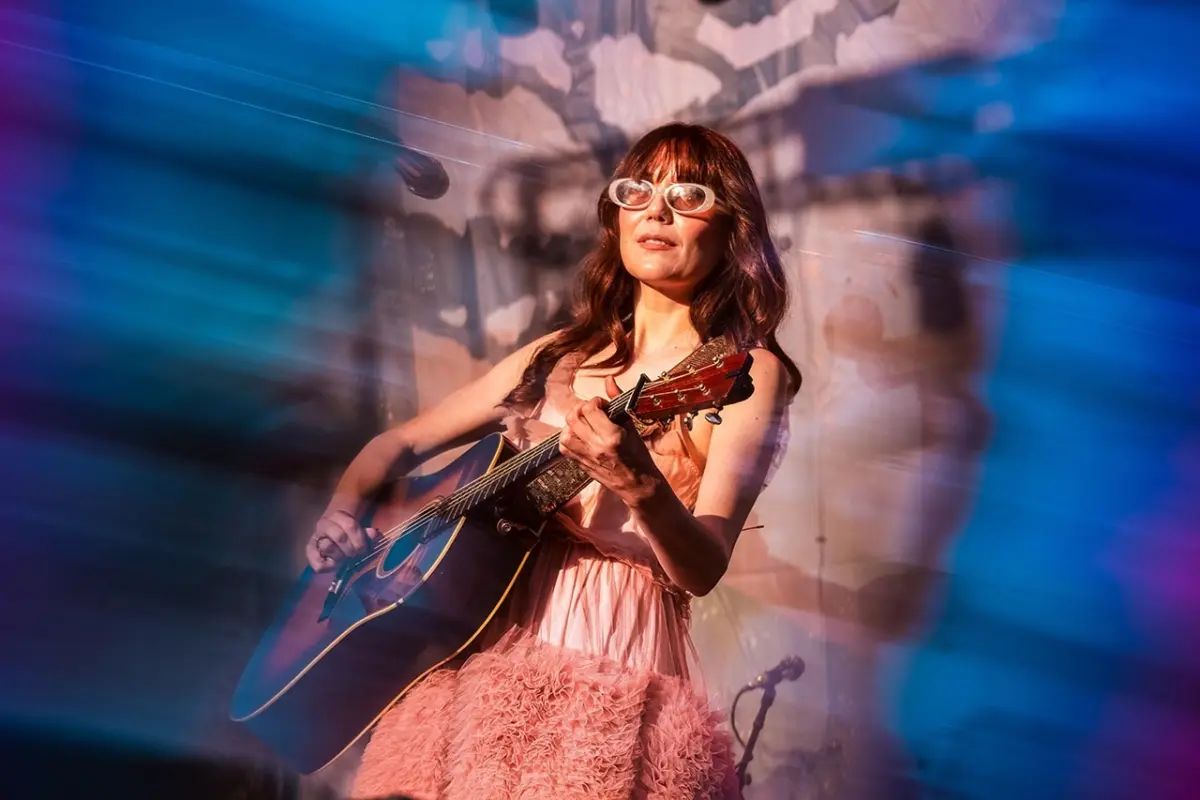
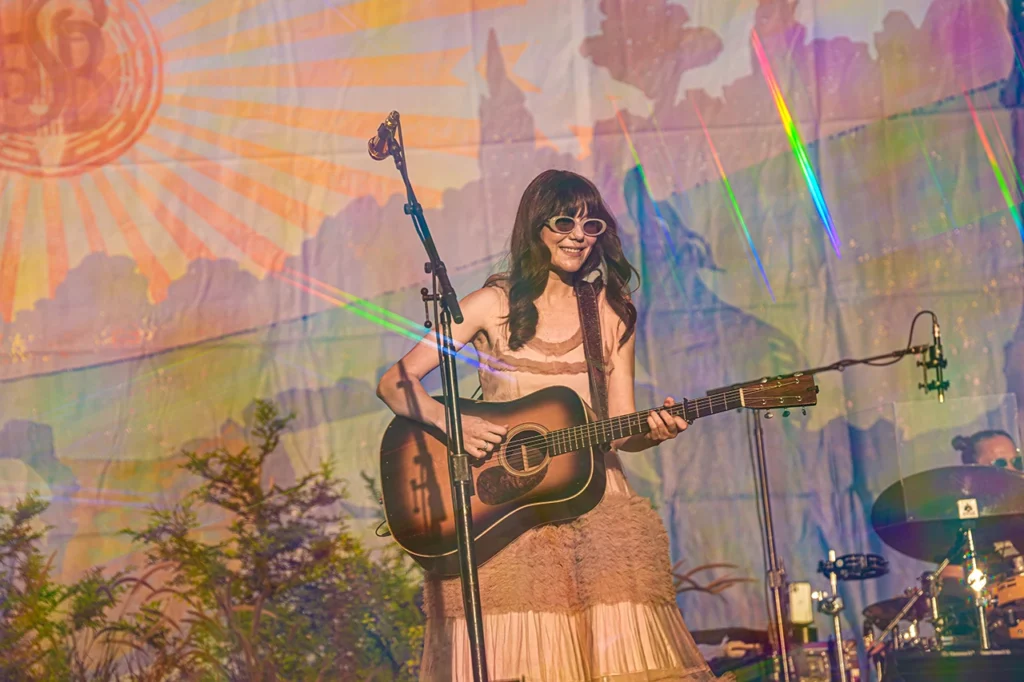
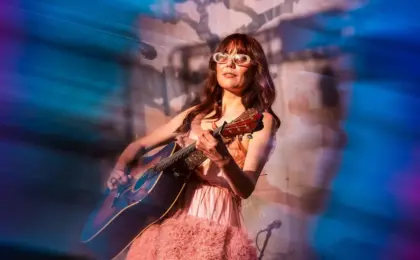
Following a brilliant afternoon display of traditional bluegrass from AJ Lee and Blue Summit—featuring a roaring collaboration with Sullivan Tuttle on the 1866 train-robbery standard "Glendale Train"—Rilo Kiley stepped into the Saturday evening headlining slot. Pinch-hitting after health issues forced Alison Krauss to withdraw, Jenny Lewis and her bandmates brought infectious indie-rock energy to the park. Delivering razor-sharp harmonies and crowd-pleasing renditions of "The Moneymaker," "Dreamworld," and "Silver Lining," Lewis reveled in the park’s late-afternoon glow, noting the sheer beauty of the gathering before ceding the grounds to the evening mist.
Day Three: Sunday, October 4
Sunday morning opened with deep-rooted soul as Miko Marks delivered a haunting, blues-infused reading of "Death Rolls Like Thunder" at the Banjo Stage. Shortly thereafter, the intimate Horseshoe Stage hosted an extraordinary collaborative set between innovative acoustic guitarists Yasmin Williams and William Tyler. Meeting during the pandemic lockdowns in a Tennessee cabin, the duo wove lap-steel harmonics and ambient cosmic-country textures into a transcendent gospel-blues landscape, highlighting pieces from Williams’ Urban Driftwood and Tyler’s expansive catalog.
The afternoon surged into high political and sonic gear with Jesse Welles at the Towers of Gold stage. Armed with biting, 1960s-style topical satire, Welles delivered a fearless performance that took aim at contemporary socioeconomic and political structures. Beginning with the tech-oligarch takedown "The Nerd Reich," Welles and his band careened through "Join ICE," the razor-sharp MAGA-critique "Red," and an incendiary, full-band cover of Black Sabbath’s "War Pigs." Seamlessly weaving references to corporate greed, modern political absurdity, and Tom Petty’s defiant spirit, Welles firmly established himself as a vital voice of a new generation.
As the sun began its descent, Robert Plant took the stage alongside Saving Grace and vocalist Suzi Dian, treating the audience to a hypnotic 75-minute clinic in genre-bending folk, blues, and gospel. Reimagining Led Zeppelin classics through an old-world, roots-centric lens, Plant opened with a mesmerizing Middle-Earth-styled arrangement of "Ramble On." In a heartwarming moment, Plant paused to praise the afternoon’s earlier performer: "This time we’ve arrived as a folk group; it’s appropo; it’s very topical in the moment, especially thanks to Jesse Welles giving us some proper American folk music. Is there anybody else telling it like it is out there in music land?" The set soared through "Four Sticks," "Friends" (dedicated to Dolly Parton), and a powerhouse performance of "Babe I’m Gonna Leave You" featuring Dian on bass.
Simultaneously, over at the Swan Stage, The Third Mind—featuring guitarists Dave Alvin and Mark Karan, alongside vocalist Jesse Sykes—paid exquisite homage to the origins of the San Francisco Sound. Sykes delivered a breathtaking vocal performance on the Youngbloods’ "Darkness, Darkness," a soaring spiritual reading of Pharoah Sanders’ "The Creator Has a Master Plan," and an emotionally devastating, anti-nuclear rendition of Bonnie Dobson’s "Morning Dew," providing a fittingly profound punctuation mark to the weekend’s outdoor programming.
Supporting Context & Metrics
The Gate Closure Phenomenon: For the first time in its 26-year operational history, festival organizers were forced to temporarily lock the park perimeter gates to manage crowd safety. This unprecedented bottleneck underscored the growing tension between urban capacity limits and the surging demand for free, high-caliber public art in an era marked by economic inflation and housing affordability crises.
Economic Model: Funded entirely through the perpetual endowment established by the late Warren Hellman, Hardly Strictly Bluegrass remains one of the last major American music festivals entirely free of corporate naming rights, tier-priced ticketing schemes, and intrusive commercial branding.
Production Scale: Across six distinct stages (including the Banjo, Swan, Towers of Gold, Rooster, and Horseshoe stages), the festival hosted upwards of 80 musical acts, drawing an aggregate weekend attendance estimated in the hundreds of thousands.
Official Statements & Artist Reflections
The philosophical core of the festival was repeatedly articulated by artists who recognized the rarity of the event’s communal architecture. Reflecting on the weekend’s overarching ethos, Jim James of My Morning Jacket offered a poignant meditation on the nature of live performance:
"It doesn’t matter if I’m in the crowd watching a show or if I’m the one on stage playing the show, you’re lost in the world, and it’s beautiful. The energy is swirling, and I feel like we’re back home where we go after this human thing is done. When we’re in the musical realm, we’re connecting with our true spirit’s source and our true, the way things really are."
Similarly, Robert Plant emphasized the vital role of modern troubadours in speaking truth to power within contemporary folk music, singling out the festival’s unique capacity to nurture socially conscious songwriting. Jesse Welles echoed this sentiment from the stage, noting the festival’s literal interpretation of its own moniker: "They said it’s Hardly Strictly Bluegrass, right? We’re leaning into the Hardly."
Future Outlook & Coda: The Fillmore Residency Finale
While the park gates closed on Sunday evening, October 4, the spirit of the 2026 festival refused to dissipate. My Morning Jacket extended their San Francisco footprint into a historic seven-night rainbow-themed residency at the legendary Fillmore running from October 3 through October 11.
Culminating on Sunday, October 11, the residency finale served as an emotional and spiritual extension of the festival itself. The evening featured rare bustouts, psychedelic lightscapes, and a surprise guest appearance by Grahame Lesh on bass for George Harrison’s "Isn’t It a Pity" and an expansive jam on the Grateful Dead’s "Sugar Magnolia." The emotional pinnacle arrived during the encore, when Jim James and Grahame Lesh performed an intimate acoustic duet of the Dead’s "Box of Rain"—with James playing the exact acoustic guitar utilized by Jerry Garcia on the original 1970 recording of American Beauty, graciously provided by the Grateful Guitars Foundation.
As the final notes faded at the Fillmore, they sealed an unforgettable two-week arc of music, memory, and communal healing. By honoring its historical roots while fearlessly embracing contemporary social commentary and genre-fluid experimentation, the 26th annual Hardly Strictly Bluegrass Festival secured its legacy not merely as a weekend concert series, but as an essential cultural sanctuary for the human spirit.










Belum ada komentar. Jadilah yang pertama berkomentar!