

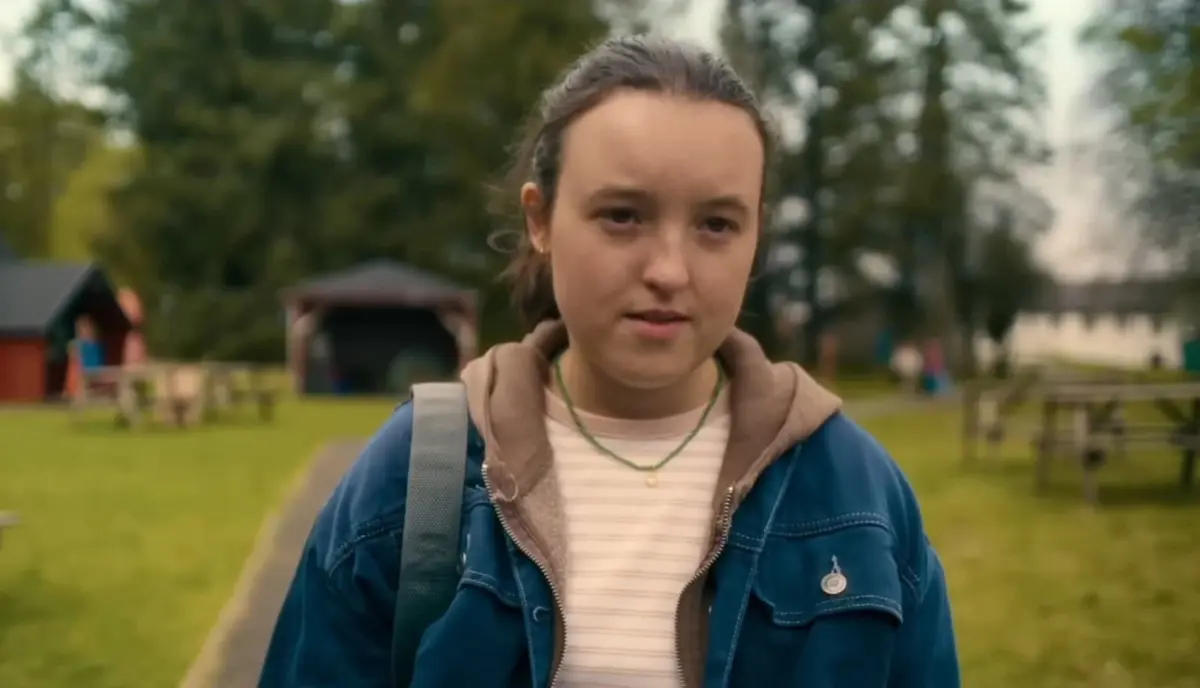
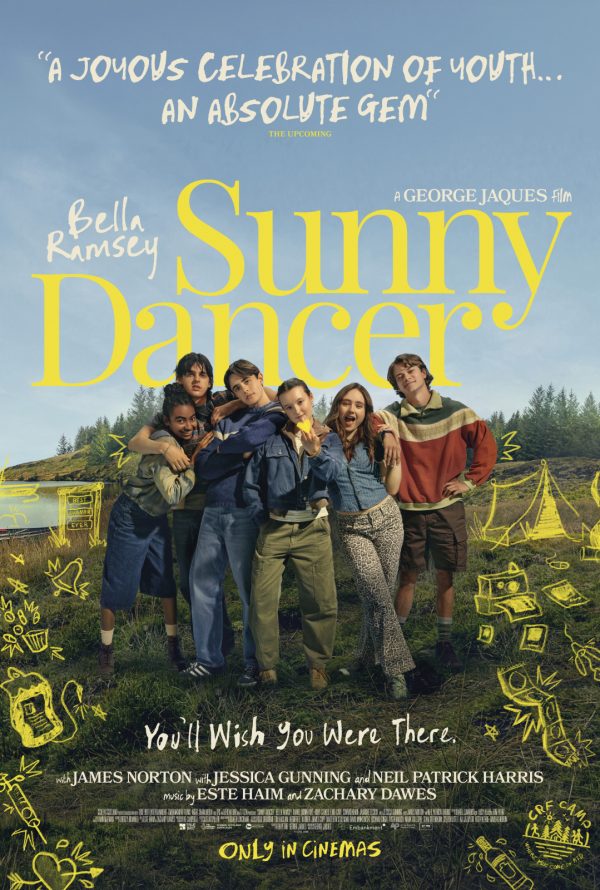
In the cinematic landscape of 2026, coming-of-age narratives frequently struggle to balance the gravity of chronic illness with the mundane, often chaotic reality of adolescent development. Too often, films dealing with teenage cancer survivors fall into the trap of saccharine inspiration porn, reducing complex young individuals to tragic symbols of resilience. Writer and director George Jaques decisively subverts these tired tropes in his feature film, Sunny Dancer. Anchored by a fierce, transformative lead performance from Bella Ramsey, the film explores the fragile intersection between trauma, recovery, and the fierce, unfiltered desire to simply experience life as a teenager.
The premise centers on 17-year-old Ivy (Ramsey), who, having recently conquered cancer, finds herself unceremoniously packed off by her exasperated parents (played with a delightful, no-filter realism by Jessica Gunning and James Norton) to a specialized summer retreat. Dubbed “chemo camp” by a thoroughly mortified Ivy, the Children Run Free Camp is designed to reintegrate adolescents in remission back into a semblance of normalcy. Headed by the well-intentioned Patrick—played by Neil Patrick Harris in a nuanced, surprisingly grounded performance—the camp aims to balance strict safety protocols with the emotional space these young survivors desperately need to heal.
Rather than wallowing in endless medical trauma, Sunny Dancer pivots toward the messy, rebellious, and deeply human aspects of youth. Through an episodic, week-by-week structure, Jaques observes a tight-knit circle of misfits who smuggle alcohol, sneak out for midnight lake swims, guilt-trip amusement park workers, and navigate the terrifying, exhilarating waters of romance and sexual awakening. While the film occasionally stumbles in its third-act pacing and emotional calculus, it stands as a refreshing, vibrant, and unflinching portrait of youth reclaimed from the brink of mortality.
Detailed Chronology
Arrival and Resistance: Breaking the Mold
The narrative of Sunny Dancer begins not with hope or optimism, but with profound teenage resentment. Ivy arrives at the Children Run Free Camp engulfed in a cloud of hostility. Having been "cancer-ghosted" by her old friends—who retreated from her illness out of discomfort or fear—she carries a defensive shell that makes her instantly abrasive. Her introduction to the camp is baptism by fire: a mandatory motivational activity featuring a polished, corporate social media influencer delivering superficial platitudes about seizing the day.

In one of the film’s sharpest, most cathartic sequences, Ivy bypasses all filters to loudly and profanely chew out the influencer, accusing her of exploiting teenage grief and trauma for digital clout. While this outburst mortifies the camp administration and leaves Patrick questioning whether Ivy can remain on the grounds, it establishes her character arc. Patrick recognizes the genuine pain beneath her hostility, choosing empathy over punishment. This pivotal moment sets the stage for Ivy to lower her guard, however slightly, and engage with the eccentric ecosystem of the camp.
The Ecosystem of the Misfits
Once settled, Ivy is paired with her roommate, Ella, brilliantly brought to life by Ruby Stokes. Ella is a spirited, unapologetically horny soon-to-be-18-year-old who is entirely cancer-free and fiercely determined to lose her virginity before the summer ends. Her eyes are fixed squarely on an older camp counselor whom she has crushed on during previous annual visits, completely oblivious to the fact that romantic complications are brewing elsewhere.
Ella’s vibrant, life-affirming energy acts as a catalyst for Ivy. Through Ella, Ivy is pulled into a wider circle of campers who defy the archetype of the "sick kid." These teenagers are defined far more by their typical adolescent impulses than their medical histories. The film tracks their exploits over a structured, month-long duration divided into weekly chapters:
- The Rebellious Stretches: The group coordinates elaborate operations to smuggle contraband alcohol into the cabins, orchestrating after-hours breakouts to swim illicitly in the dark, reflective waters of the camp’s nearby lake.
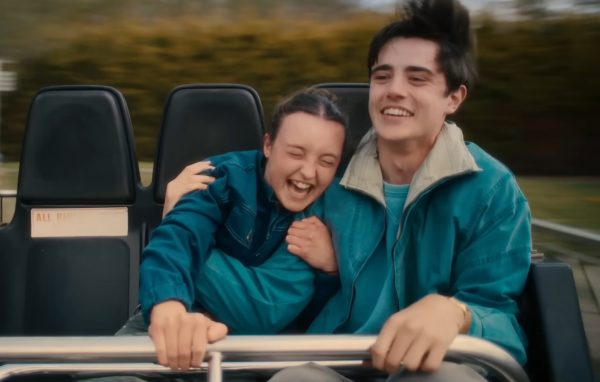
- The Amusement Park Excursion: In a standout sequence, the teens sneak off the property and employ emotional manipulation tactics on a weary amusement park ticket taker to gain entry, spending the afternoon having their faces painted and momentarily forgetting the sterile hospital rooms of their recent pasts.
- Awakening Desires: As the weeks progress, the characters explore romantic and sexual desires that were systematically stunted—either by the physical ravages of chemotherapy or by the social isolation of being viewed as "unwanted" or fragile during their treatments.
Complications and Climax
As the narrative unfolds, Ivy finds herself drawn to Jake (Daniel Quinn-Toye), a fellow camper who navigates not only the lingering shadow of cancer in remission but also underlying psychological disorders. Their developing dynamic avoids the trap of a frictionless, picture-book romance, instead highlighting the ways two deeply damaged young people can clumsily yet sincerely lean on one another.
However, the film’s third act introduces structural friction. While Jaques successfully avoids manufactured melodramatic tropes—such as Ella turning vindictive out of romantic jealousy—the narrative encounters turbulence as it approaches its conclusion. A predictable wave of third-act sadness arrives, handled with a somewhat heavy hand that rushes through the emotional fallout. The film ultimately chooses an overwhelmingly optimistic note, leaving open a lingering critical question: while the camp undeniably aids Ivy’s psychological healing, does it inadvertently expose her to a different, compounding layer of grief and trauma as bonds are inevitably severed at summer’s end?
Supporting Context & Metrics
Sunny Dancer arrives at a fascinating cultural juncture for coming-of-age cinema, serving as a direct counter-programming antidote to terminal illness melodramas of the 2010s (such as The Fault in Our Stars). Instead of focusing on the finality of dying, Jaques centers his lens entirely on the grueling, awkward, and beautiful process of living afterward.
Production and Ensemble Scale
The film boasts an expansive and surprisingly star-studded ensemble cast, blending seasoned British television mainstays with breakout cinematic talent:
- Creative Force: Written and directed by George Jaques.
- Lead Performances: Bella Ramsey (The Last of Us) as Ivy; Ruby Stokes (Lockwood & Co.) as Ella.
- Supporting & Parental Roles: Jessica Gunning and James Norton as Ivy’s frank, unfiltered parents; Neil Patrick Harris as Patrick, the empathetic camp director.
- The Camper Ensemble: Daniel Quinn-Toye (Jake), Earl Cave, Conrad Khan, Jasmine Elcock, Shalom Brune-Franklin, Louis Gaunt, Josie Walker, Joe Hughes, and musician James Blunt rounding out the expansive roster alongside Barbara D’Alterio, Liz Ewing, Daisy Clarke, and Kat Murphy.
Critical Reception and Ratings
Upon its 2026 theatrical release, Sunny Dancer has drawn generally favorable notices for its refusal to sugarcoat the realities of youth trauma. Review aggregators and critics have highlighted the naturalistic dialogue and the lived-in authenticity of the ensemble.
- Flickering Myth Rating: Film: ⭐⭐⭐ / Movie: ⭐⭐⭐ (Review by Robert Kojder)
- Core Thematic Metric: The film’s primary success lies in its chapter-based pacing, dedicating approximately 75% of its runtime to low-stakes adolescent bonding, rebellion, and joy, successfully sidelining medical exposition in favor of psychological realism.
Official Statements
While traditional promotional press junkets for Sunny Dancer have emphasized the film’s uplifting message about community and survival, behind-the-scenes production notes highlight a deliberate choice by the creative team to avoid cinematic clichés regarding pediatric illness.
Director George Jaques noted in early developmental interviews that the project was born out of a desire to look at what happens after the medical battles end—the quiet, terrifying vacuum where young people are expected to return to normal high school social structures that have permanently moved on without them.
Bella Ramsey’s approach to the character of Ivy was shaped by a conscious effort to keep the teenager unsympathetic at the outset. Rather than demanding immediate audience pity, Ramsey insisted that Ivy’s right to be angry, bitter, and intensely defensive must be honored. In promotional statements, Ramsey highlighted that Ivy’s anger is a healthy manifestation of a stolen adolescence, stating that healing cannot authentically begin until a survivor is permitted to express pure, unadulterated frustration at the unfairness of their circumstances without being forced to wear a smile for the comfort of onlookers.
Future Outlook
Sunny Dancer leaves an indelible mark on the teen drama genre, proving that stories about illness and recovery do not require manipulative emotional levers to resonate deeply with audiences. By treating its characters first and foremost as ordinary teenagers who happen to share a medical history, George Jaques’ film establishes a higher benchmark for authentic adolescent storytelling.
Looking forward, the critical and commercial reception of Sunny Dancer is expected to cement Bella Ramsey’s status as one of the defining cinematic talents of their generation, smoothly transitioning from prestige television blockbusters to nuanced, independent feature films. Furthermore, the breakout performances of Ruby Stokes and Daniel Quinn-Toye signal promising trajectories for the supporting ensemble.
While the film’s third-act tonal shifts suggest that writer-director George Jaques is still refining his handling of complex dramatic resolutions, Sunny Dancer ultimately points toward a more honest cinematic future—one where young survivors on screen are finally allowed to dance, scream, rage, and live without the burden of being anyone’s inspiration.






Belum ada komentar. Jadilah yang pertama berkomentar!