As the video game industry navigates a transformative era defined by the paradigm shifts of next-generation hardware—chiefly the highly anticipated successor to the Nintendo Switch—Nintendo Co., Ltd. continues to execute a masterclass in balancing legacy preservation with aggressive, experiential expansion. On October 13, 2026, the company officially updated its comprehensive corporate profile regarding “Super Nintendo World,” offering a sweeping retrospective on the global success of its theme park initiatives while charting the forward trajectory of its most storied intellectual properties.
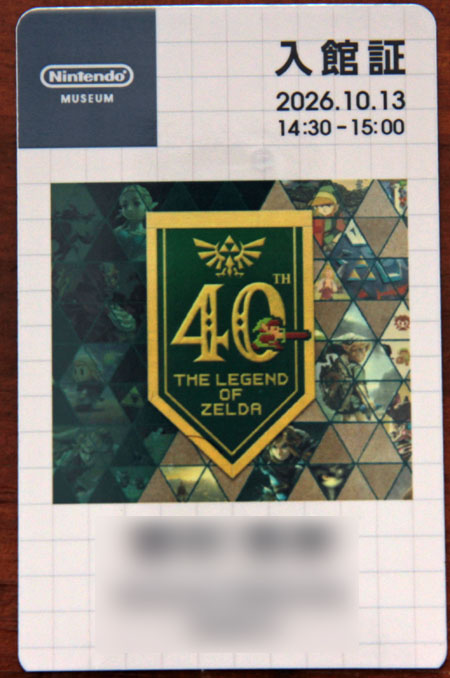
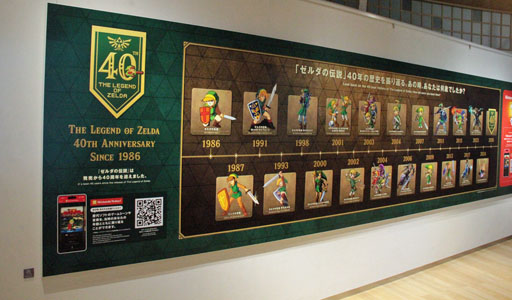
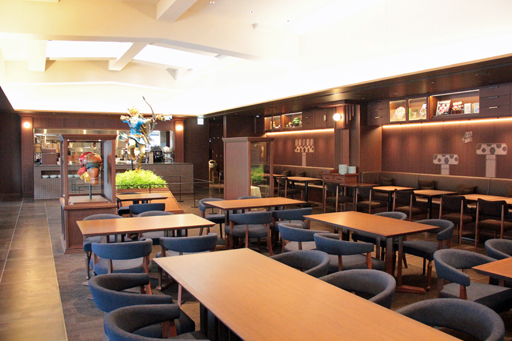
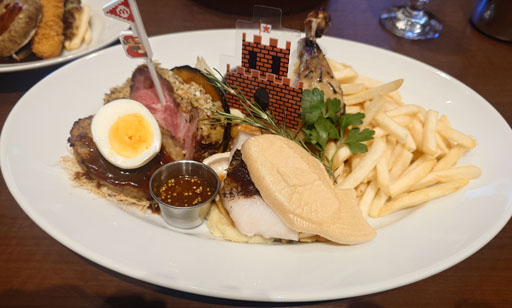
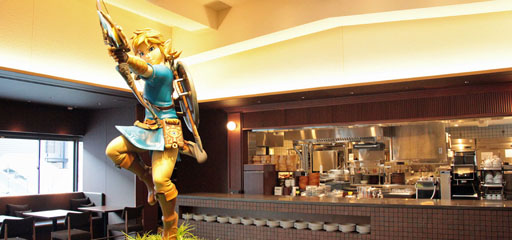
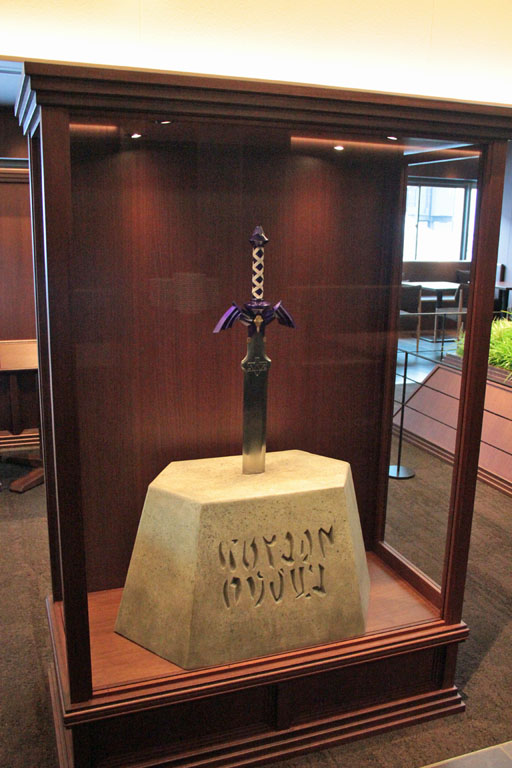
Simultaneously, the gaming world commemorates a monumental milestone: the 40th anniversary of The Legend of Zelda. Originating on the Family Computer Disk System on February 21, 1986, Shigeru Miyamoto and Takashi Tezuka’s visionary creation has spent four decades defining the action-adventure genre. To honor this historic milestone, Nintendo has deployed a multi-pronged anniversary strategy, highlighted by high-profile museum exhibits, cross-media collaborations utilizing Mii avatars, and a massive revitalization of classic titles across modern platforms.
This special report provides an exhaustive, authoritative examination of Nintendo’s current strategic convergence: the explosive growth of its theme park ventures, the integration of classic Zelda titles into contemporary ecosystems, and the robust operational pipeline driving Nintendo forward through the late 2020s.
Detailed Chronology: From 8-Bit Beginnings to Immersive Theme Park Realities
To understand the magnitude of Nintendo’s current corporate strategy, one must examine the chronological arc that bridges its foundational software breakthroughs with its modern physical expansions.
Phase 1: The Birth of Hyrule and the 1986 Paradigm Shift
In February 1986, the release of The Legend of Zelda redefined interactive entertainment. Unlike the linear arcade experiences that preceded it, Zelda introduced players to an interconnected overworld, encouraging exploration, non-linear progression, and item-based puzzle solving. The original Famicom Disk System version utilized save features that changed the industry standard, inspiring a generation of designers.
Over the subsequent decades, this foundational design philosophy evolved through masterpieces like A Link to the Past, Ocarina of Time, and ultimately, the open-air design revolutions of Breath of the Wild and Tears of the Kingdom.
Phase 2: The Theme Park Era and Universal Strategic Partnerships
Fast forward to October 2, 2024, when Nintendo and Universal Destinations & Experiences formalized their ongoing partnership with the groundbreaking announcement of Super Nintendo World expansions globally. The initiative, spearheaded by legendary game director Shigeru Miyamoto, aimed to translate the spatial design, kinetic energy, and exploratory joy of Nintendo’s franchises into physical architecture.
Key milestones in this timeline include:
The Universal Studios Japan Launch: Establishing the blueprint for interactive theme park lands, featuring wrist-mounted Power-Up Bands that allow guests to interact with physical blocks, collect coins, and battle boss characters using real-world timing.
The Universal Studios Hollywood Expansion: Bringing tailored iterations of the Mario Kart and Yoshi attractions to North American audiences.
The Upcoming Epic Universe Integration: The planned autumn opening of the dedicated Super Nintendo World expansion within Universal’s newest park, accompanied by dedicated resort infrastructure designed to handle unprecedented visitor volumes.
Supporting Context & Metrics: The Mechanics of Modern Immersion
Nintendo’s 2026 corporate updates provide unprecedented transparency into the economics and engineering behind Super Nintendo World and its software-park synergy.
The Power-Up Band Ecosystem
At the heart of the guest experience is the Power-Up Band—a wearable device synchronized with official mobile applications (such as Nintendo Today!). Guests use these bands to track individual scores, unlock digital achievements, and compete on global leaderboards.
According to Nintendo’s latest metrics, the system records billions of interactive touchpoints daily. The integration of physical-digital play has yielded exceptionally high visitor retention rates, with families spending significantly more time exploring the park environments than traditional theme park industry averages.
Economic Breakdown of Park Merchandise and Ticket Pricing
The commercial footprint of Super Nintendo World extends deep into retail operations. Nintendo’s official data outlines a robust merchandise catalog accompanying the park expansions:
Apparel & Wearables:
Power-Up Bands (Series 3 – 4 Character Options): ¥4,900 JPY (Tax included). Available in Mario, Luigi, Peach, and Toad variants, complete with NFC integration and dynamic LED feedback.
Signature Jackets & Outerwear: Ranging from ¥1,600 to ¥2,600 JPY depending on stitching complexity and weatherproofing features.
Interactive Accessories & Novelties:
Key-Seeking Stamp Books: Priced at ¥1,200 JPY, encouraging guests to solve park-wide riddles.
Themed Headwear & Character Hats: Ranging from ¥2,000 to ¥3,000 JPY, featuring high-durability fabrics and internal armature support for comfort during long park visits.
Collectibles & Specialty Items:
Collector’s Edition Medallions & Replicas: Ranging from ¥750 to ¥1,600 JPY, appealing directly to adult collectors and long-term franchise enthusiasts.
Official Statements: Executives on the Future of Interactive Entertainment
During the October 2026 corporate briefing, key executives addressed the symbiotic relationship between hardware development, software design, and physical destination management.
"Our objective has never been merely to replicate games in physical space," stated a senior Creative Producer during the briefing. "When we designed Super Nintendo World, the mandate from Mr. Miyamoto was to ensure that the physical exertion of jumping to hit a block carried the same emotional weight as pressing the ‘A’ button on a controller in 1986. The visitor is no longer an observer; they are the player."
Furthermore, Nintendo emphasized that the research and development methodologies pioneered during the construction of Super Nintendo World are directly influencing their next-generation software development pipelines. By analyzing how physical bodies navigate three-dimensional spaces in real life, Nintendo’s level designers are applying these spatial awareness metrics to future interactive software titles slated for the successor to the Nintendo Switch.
Future Outlook: The Next Decade of Nintendo’s Expansion
As the autumn season of 2026 unfolds, the strategic horizon for Nintendo appears exceptionally bright. The impending opening of new regional resort sectors—coupled with the roll-out of visitor-centric software applications—signals a permanent shift in how entertainment conglomerates engage with legacy intellectual properties.
Key Strategic Pillars Moving Forward:
Cross-Media Synergy: Leveraging the global momentum of film adaptations, theme park expansions, and milestone anniversaries to drive hardware and software sales simultaneously.
Legacy Preservation: Continuing to modernize classic catalogs through enhanced subscription services, physical museum exhibits, and interactive retrospectives that educate younger generations on the roots of modern game design.
Experiential Innovation: Expanding the geographical footprint of Super Nintendo World while integrating advanced augmented reality (AR) features into wearable park accessories, blurring the boundary between digital fantasy and physical reality.
In conclusion, Nintendo’s corporate maneuvers in late 2026 demonstrate a rare corporate resilience. By honoring the 40-year legacy of The Legend of Zelda while boldly constructing the physical theme parks of tomorrow, Nintendo ensures that its foundational philosophy—putting smiles on faces across the globe—remains as vital and influential as it was four decades ago.

















Belum ada komentar. Jadilah yang pertama berkomentar!