Two decades have passed since the initial launch of the critically acclaimed action RPG "Way of the Sword" (released across PC, Switch 2, PS5, and Xbox Series X|S). Originally developed by veteran creators whose foundational works have long captured the imaginations of action enthusiasts, the game left an indelible mark on the gaming landscape.
As a massive new update brings fresh content, refined features, and extensive performance updates to all major platforms, both veterans and newcomers are diving back into its intricate digital world. This retrospective aims to analyze the recent updates, evaluate the deeper mechanics of the swordplay systems, and examine why this title continues to hold such a revered place in modern gaming culture.
The recent update introduces a cascade of changes, balancing fresh accessibility options with deeper mechanical fidelity. The core experience has been revitalized through advanced frame-rate support, re-tuned combat encounters, and modernized quality-of-life adjustments. By taking a comprehensive look at the new mechanics, player reception, and the broader context of the franchise, this report explores how "Way of the Sword" remains a benchmark for precision action gaming.
Detailed Chronology: The Evolution of "Way of the Sword"
To understand the weight of the latest 2026 update, one must trace the trajectory of the title from its initial release to the present day. When the game first debuted, it established a reputation for uncompromising difficulty, intricate combat systems, and a moody, atmospheric setting. Players were thrust into a fictionalized, hauntingly beautiful version of historical Kyoto, where every encounter with rival swordsmen and legendary figures felt like a dance of life and death.
Over the years, the development team has carefully balanced accessibility with the title’s trademark challenge. Early patches focused on bug fixes and basic balancing, but major milestones introduced expansions that reshaped how players approached the world. The introduction of new combat styles, weapon types, and cooperative multiplayer features over successive console generations laid the groundwork for this latest update.
Key Milestones in the Franchise History:
The Original Release: Set the standard for precision-based sword combat, punishing mistakes while rewarding mastery and tactical positioning.
The Mid-Era Expansions: Expanded the available roster of weapons, introduced broader exploratory areas, and refined the camera systems during intense multi-opponent skirmishes.
The Modern Remasters: Brought high-resolution graphics and modern input responsiveness to newer hardware, bridging the gap between legacy fans and a younger generation of gamers.
The 20th Anniversary Update (2026): Represents the pinnacle of the franchise’s evolution, integrating modern technical standards while preserving the raw, unyielding spirit of the original design.
Supporting Context & Metrics: Systems, Mechanics, and Player Experience
At the heart of "Way of the Sword" lies its combat engine—a system that treats every swing, parry, and dodge with grave consequence. The recent update introduces significant refinements to the game’s core loops, affecting everything from stamina management to enemy artificial intelligence.
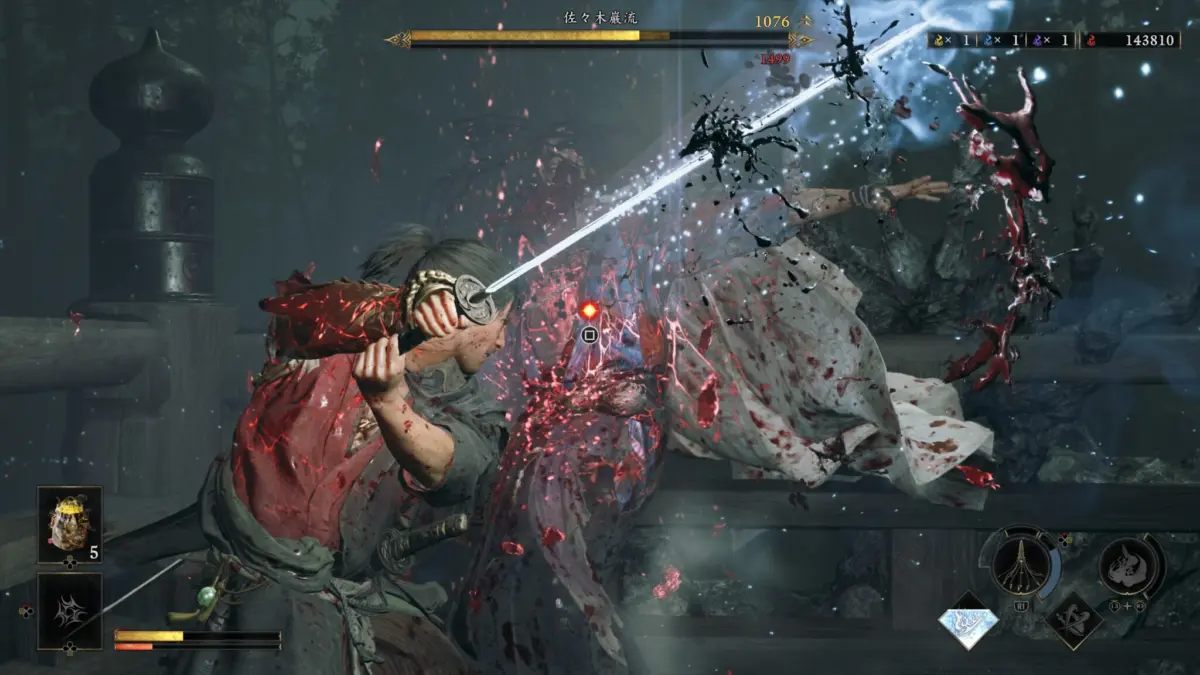
The cornerstone of the gameplay is its stance-based combat system. Players must choose between multiple combat stances, each offering distinct advantages and vulnerabilities against specific weapon types.
High Stance: Focuses on devastating offensive power, allowing players to break through enemy guards at the cost of higher stamina consumption and slower recovery times.
Middle Stance: Offers a balanced approach, ideal for general combat, versatile parrying, and adaptive spacing.
Low Stance: Prioritizes speed and defensive agility, letting players weave around heavy attacks and counter with rapid, multi-hit ripostes.
The 2026 update refines these stances by introducing smoother transition animations and more responsive input buffering. Players can now cancel recovery frames into evasive maneuvers more fluidly, making defensive play feel less restrictive without diminishing the game’s signature tension.
Enemy AI and Encounter Design
Enemies in "Way of the Sword" are not mere target dummies; they possess distinct behavioral patterns, weapon proficiencies, and tactical awareness. The latest update addresses long-standing critiques regarding enemy tracking and artificial intelligence predictability.
Boss encounters, in particular, have been overhauled. Legendary duelists and mythic beasts now react dynamically to player loadouts, punishing predictable strategies while rewarding creative adaptation. The introduction of advanced environmental hazards—such as shifting weather conditions, unstable footing, and interactive terrain elements—forces players to constantly reassess their surroundings during combat.
Official Statements: Developer Insights and Design Philosophy
In recent press statements accompanying the rollout of the 20th-anniversary update, the development team elaborated on the challenges of updating a classic title without alienating its dedicated fanbase.
"Our primary goal was not to rewrite history, but to polish the gemstone we forged twenty years ago," stated the lead director during a recent retrospective panel. "Players remember the difficulty, the heartbreak of defeat, and the euphoria of victory. We wanted to ensure those emotional pillars remained untouched while eliminating technical friction that modern hardware can effortlessly resolve."
The studio also addressed the delicate balance between modernizing controls and maintaining historical accuracy. While quality-of-life additions—such as improved inventory management, faster loading times, and customizable button mappings—have been integrated seamlessly, the core difficulty curve remains fiercely intact. The developers emphasized that the update is designed to make the journey fairer, not easier, allowing players of all skill levels to experience the profound depth of the swordplay.
Furthermore, community feedback played a pivotal role in shaping the update. Beta testers and longtime fans were invited to provide input on balance changes, resulting in a refined experience that honors the legacy of the original release while embracing contemporary gaming standards.
Future Outlook: The Enduring Legacy of the Blade
As "Way of the Sword" looks toward the future, its enduring popularity serves as a testament to the timeless appeal of disciplined, skill-based action design. The successful rollout of the 20th-anniversary update proves that classic game loops, when paired with thoughtful modernizations, can transcend generational divides.
Industry analysts are already observing a resurgence in demand for traditional, single-player action titles that prioritize player skill over automated assistance. By staying true to its roots while embracing technological advancements across PC, Switch 2, PS5, and Xbox Series X|S, the franchise has secured its place in the pantheon of gaming greats.
Looking ahead, fans can anticipate continued community events, speedrunning tournaments, and potential expansions that explore untold stories within the universe of "Way of the Sword." For now, both veterans and newcomers alike have a renewed opportunity to pick up the blade, step into the moonlit streets of historical Kyoto, and prove their mastery once more.


![[プレイレポ]「鬼武者 Way of the Sword」,多彩な技を駆使して強大なボスと真っ向勝負。スリリングな駆け引きが熱い剣戟アクション](https://www.4gamer.net/games/865/G086595/20260901003/SS/027.jpg)
![[プレイレポ]「鬼武者 Way of the Sword」,多彩な技を駆使して強大なボスと真っ向勝負。スリリングな駆け引きが熱い剣戟アクション](https://www.4gamer.net/games/865/G086595/20260901003/TN/002.jpg)
![[プレイレポ]「鬼武者 Way of the Sword」,多彩な技を駆使して強大なボスと真っ向勝負。スリリングな駆け引きが熱い剣戟アクション](https://www.4gamer.net/games/865/G086595/20260901003/TN/003.jpg)
![[プレイレポ]「鬼武者 Way of the Sword」,多彩な技を駆使して強大なボスと真っ向勝負。スリリングな駆け引きが熱い剣戟アクション](https://www.4gamer.net/games/865/G086595/20260901003/TN/005.jpg)
![[プレイレポ]「鬼武者 Way of the Sword」,多彩な技を駆使して強大なボスと真っ向勝負。スリリングな駆け引きが熱い剣戟アクション](https://www.4gamer.net/games/865/G086595/20260901003/TN/006.jpg)
![[プレイレポ]「鬼武者 Way of the Sword」,多彩な技を駆使して強大なボスと真っ向勝負。スリリングな駆け引きが熱い剣戟アクション](https://www.4gamer.net/games/865/G086595/20260901003/TN/007.jpg)
![[プレイレポ]「鬼武者 Way of the Sword」,多彩な技を駆使して強大なボスと真っ向勝負。スリリングな駆け引きが熱い剣戟アクション](https://www.4gamer.net/games/865/G086595/20260901003/TN/008.jpg)
![[プレイレポ]「鬼武者 Way of the Sword」,多彩な技を駆使して強大なボスと真っ向勝負。スリリングな駆け引きが熱い剣戟アクション](https://www.4gamer.net/games/865/G086595/20260901003/TN/009.jpg)
![[プレイレポ]「鬼武者 Way of the Sword」,多彩な技を駆使して強大なボスと真っ向勝負。スリリングな駆け引きが熱い剣戟アクション](https://www.4gamer.net/games/865/G086595/20260901003/TN/010.jpg)
![[プレイレポ]「鬼武者 Way of the Sword」,多彩な技を駆使して強大なボスと真っ向勝負。スリリングな駆け引きが熱い剣戟アクション](https://www.4gamer.net/games/865/G086595/20260901003/TN/011.jpg)
![[プレイレポ]「鬼武者 Way of the Sword」,多彩な技を駆使して強大なボスと真っ向勝負。スリリングな駆け引きが熱い剣戟アクション](https://www.4gamer.net/games/865/G086595/20260901003/TN/012.jpg)
![[プレイレポ]「鬼武者 Way of the Sword」,多彩な技を駆使して強大なボスと真っ向勝負。スリリングな駆け引きが熱い剣戟アクション](https://www.4gamer.net/games/865/G086595/20260901003/TN/013.jpg)
![[プレイレポ]「鬼武者 Way of the Sword」,多彩な技を駆使して強大なボスと真っ向勝負。スリリングな駆け引きが熱い剣戟アクション](https://www.4gamer.net/games/865/G086595/20260901003/TN/014.jpg)
![[プレイレポ]「鬼武者 Way of the Sword」,多彩な技を駆使して強大なボスと真っ向勝負。スリリングな駆け引きが熱い剣戟アクション](https://www.4gamer.net/games/865/G086595/20260901003/TN/015.jpg)
![[プレイレポ]「鬼武者 Way of the Sword」,多彩な技を駆使して強大なボスと真っ向勝負。スリリングな駆け引きが熱い剣戟アクション](https://www.4gamer.net/games/865/G086595/20260901003/TN/016.jpg)
![[プレイレポ]「鬼武者 Way of the Sword」,多彩な技を駆使して強大なボスと真っ向勝負。スリリングな駆け引きが熱い剣戟アクション](https://www.4gamer.net/games/865/G086595/20260901003/TN/017.jpg)








Belum ada komentar. Jadilah yang pertama berkomentar!