The global video game industry is driven by innovation, scale, and high-budget graphical fidelity. However, a profound counter-movement exists within the independent development sphere—one where creative vision triumphs over sheer corporate capital, and singular artistic passion outweighs massive production teams. At the forefront of this boutique indie movement stands LGS Games Productions, an independent development studio helmed by visionary CEO Gilson B. Pontes.
During the bustling days of the Brazil Game Show 2026 (BGS 2026), held from October 9 to October 12 at the sprawling Distrito Anhembi exhibition center in São Paulo, Brazil, LGS Games Productions captured the attention of international media, industry critics, and passionate gamers alike. Pontes and his studio used the prestigious backdrop of BGS 2026 to showcase their remarkable catalogue of titles, anchored primarily by their ongoing, multi-platform commitment to PlayStation 4 and PlayStation 5 systems via the PlayStation Store.
For years, LGS Games Productions has carved out a unique, deeply specialized niche within the gaming landscape. While mainstream developers often chase hyper-realistic graphics and sprawling open-world paradigms, LGS has focused its collective energies on historical strategy, tactical action, and samurai-themed epics set within the turbulent eras of feudal Japan. Under Pontes’ leadership, the studio has released a series of critically lauded titles that pay homage to Japanese history, strategy, and folklore. At BGS 2026, the studio not only exhibited its storied history but also dropped tantalizing hints about its technological future, transitioning from Unity to Unreal Engine, and setting the stage for its most ambitious project to date: Sengoku: Blades of War.
This comprehensive report examines the trajectory of LGS Games Productions, exploring their extensive portfolio of Japanese historical strategy titles, the unique development philosophy of Gilson B. Pontes, the reception of their games on PlayStation platforms, and what the future holds for this fiercely independent Brazilian studio.
Detailed Chronology: The Evolution of LGS Games Productions
To fully understand the weight of LGS Games Productions’ presence at Brazil Game Show 2026, one must examine the chronological evolution of the studio’s output. Since 2020, Gilson B. Pontes has methodically built an interconnected universe of historical strategy and action titles, each release refining the studio’s technical prowess and artistic direction.
1. Shadow the Ronin: The Revenge to the Samurai (2020)
The cornerstone of the LGS catalog debuted in 2020 with Shadow the Ronin: The Revenge to the Samurai. As the studio’s inaugural major release, the game established the tonal foundation for everything that would follow: a gritty, uncompromising look at vengeance, honor, and martial prowess in feudal Japan.
Built with limited initial resources, Shadow the Ronin leaned heavily into atmospheric storytelling, stark visual contrasts, and tense, deliberate combat encounters. Players stepped into the sandals of a disgraced warrior seeking retribution against a corrupt shogunate. While the game faced technical limitations common to first-time indie developers, its raw atmosphere and dedication to samurai lore struck a chord with hardcore enthusiasts. It proved that LGS could deliver a cohesive, atmospheric experience on console hardware, laying the groundwork for more complex tactical systems in subsequent years.
2. Taishogun: The Rise of Emperor (2021)
Following the action-oriented debut of Shadow the Ronin, LGS pivoted toward grand strategy and tactical warfare with Taishogun: The Rise of Emperor in 2021. This release represented a massive leap in scope for the studio, blending grand strategy mechanics with real-time tactical engagements.
Taishogun challenged players to manage resource economies, forge political alliances, and command armies across sprawling historical battlefields. The game drew praise from strategy veterans for its depth and historical flavor, offering a distinct alternative to western-centric grand strategy titles. The user interface, while minimalist, effectively conveyed the sweeping political machinations of historical warlords. Pontes noted that the reception of Taishogun validated the studio’s ambition to tackle complex historical narratives without compromising their independent identity.
3. Ashigaru: The Last Shogun (2022)
In 2022, LGS released Ashigaru: The Last Shogun, a title that many critics and fans consider the emotional and mechanical heart of the studio’s catalogue. Shifting the perspective from elite samurai to the humble, foot-soldier class (ashigaru), the game offered a poignant exploration of war from the bottom up.
Ashigaru combined tight tactical combat with survival management elements. Players had to navigate treacherous terrain, maintain army morale, manage dwindling rations, and make agonizing moral choices that directly impacted the lives of their troops. The game’s visual design embraced a moody, atmospheric aesthetic that emphasized the grit and exhaustion of campaign life. Critics lauded the game’s historical authenticity, noting that its depiction of clan politics and battlefield logistics offered a refreshing contrast to power-fantasy action games. Ashigaru resonated deeply with players, cementing its status as a fan-favorite and establishing a recurring benchmark for the studio’s future projects.
4. Jimbaori: The Ōnin War (2023)
Continuing their chronological exploration of Japanese history, LGS tackled one of the most destructive conflicts in the nation’s history with 2023’s Jimbaori: The Ōnin War. Focusing on the catalyst for the turbulent Sengoku period, Jimbaori challenged players to navigate a decade-long civil war where loyalties shifted like sand and alliances were forged only to be broken.
The gameplay loop of Jimbaori refined the tactical mechanics seen in Ashigaru, offering deeper 1v1 duels alongside grand army maneuvers. The artificial intelligence received a notable upgrade, making enemy warlords more cunning and unpredictable. Players had to master the art of psychological warfare, resource management, and battlefield positioning. The title received widespread acclaim for its meticulous attention to historical detail, particularly in its portrayal of samurai armor (jimbaori and heraldic standards), which were meticulously researched by Pontes and his team.
5. Shinobi: The Warlord (2024)
In 2024, LGS shifted the spotlight from open battlefield commanders to the shadowy world of espionage and assassination with Shinobi: The Warlord. Merging the tactical depth of their previous historical releases with stealth-action mechanics, the game introduced players to the covert operations that shaped the Sengoku period.
Shinobi allowed players to utilize stealth takedowns, environmental hazards, and subterfuge to dismantle rival clans from the inside out. The game emphasized patience, timing, and precision, rewarding players who observed enemy patrol routes and struck from the shadows. The dual nature of open warfare and covert operations gave Shinobi a distinct identity within the LGS portfolio, proving that the studio could successfully diversify its gameplay offerings while maintaining its core historical focus.
6. Spear of Destiny: The Kaiseki (Ongoing / Recent)
Beyond their console releases, LGS has also explored alternative avenues within the gaming ecosystem, including browser-based and experimental titles such as Spear of Destiny: The Kaiseki. This project allowed the studio to experiment with rapid prototyping and lightweight web technologies, further demonstrating Pontes’ versatility as a developer and executive.
Supporting Context & Metrics: The LGS Portfolio on PlayStation
A critical pillar of LGS Games Productions’ business strategy has been its unwavering support for Sony’s PlayStation ecosystem. While many indie developers target PC exclusively or spread themselves thin across multiple storefronts, LGS has maintained a laser-like focus on bringing its historical epics to PlayStation 4 and PlayStation 5 via the PlayStation Store.
During the presentations at Brazil Game Show 2026, Gilson B. Pontes shared illuminating metrics regarding the studio’s catalogue performance. When ranking the studio’s portfolio by overall impact and player engagement, the hierarchy stands as follows:
Ashigaru: The Last Shogun (Ranked #1 in fan retention and emotional resonance)
Shadow the Ronin: The Revenge to the Samurai (Ranked #2 in foundational impact)
Jimbaori: The Ōnin War (Ranked #3 in tactical depth)
Taishogun: The Rise of Emperor (Ranked #4 in grand strategy scope)
Shinobi: The Warlord (Ranked #5 in stealth-action execution)
Spear of Destiny: The Kaiseki (Ranked #6 in experimental/browser formats)
Pontes noted that while Ashigaru holds the top spot for long-term player dedication, every title in the catalogue has contributed to a growing, loyal community of historical gaming enthusiasts on PlayStation consoles. The studio’s ability to consistently deliver console-optimized versions of their games without the backing of a massive publisher is a testament to their disciplined development pipeline and intimate understanding of their target audience.
Official Statements & Studio Philosophy
Speaking directly to international press and attendees at the LGS booth during BGS 2026, Gilson B. Pontes articulated the core philosophy that drives his team forward. In an industry where developers are often pressured to chase fleeting multiplayer trends or hyper-monetized live-service models, LGS remains stubbornly committed to single-player narrative experiences rooted in historical tradition.
"When we started LGS in 2020, our goal was simple yet demanding: to bring the rich, complex history of feudal Japan to console players who crave depth over spectacle," Pontes stated during an interview at the event. "We don’t have infinite budgets, nor do we have thousands of employees. What we have is passion, historical reverence, and an unbreakable dedication to our craft."
Pontes emphasized that the studio’s creative process begins with extensive historical research. Every faction, armor set, battlefield tactic, and political maneuver depicted in games like Jimbaori and Taishogun is subjected to rigorous fact-checking. This dedication to authenticity has earned LGS a reputation among history buffs and tactical strategy fans who appreciate games that respect their intelligence.
Furthermore, Pontes addressed the logistical realities of being a boutique independent studio operating out of Brazil while creating games centered on Japanese history. He explained that digital distribution platforms like the PlayStation Store have been vital equalizers, allowing a dedicated team in South America to reach players across Japan, North America, and Europe directly.
Future Outlook: Transitioning to Unreal Engine and Sengoku: Blades of War
The most exciting revelation to emerge from LGS Games Productions’ presence at Brazil Game Show 2026 was not just a retrospective of their past achievements, but a bold look toward the future. The studio officially announced their next major release, scheduled for 2027: Sengoku: Blades of War.
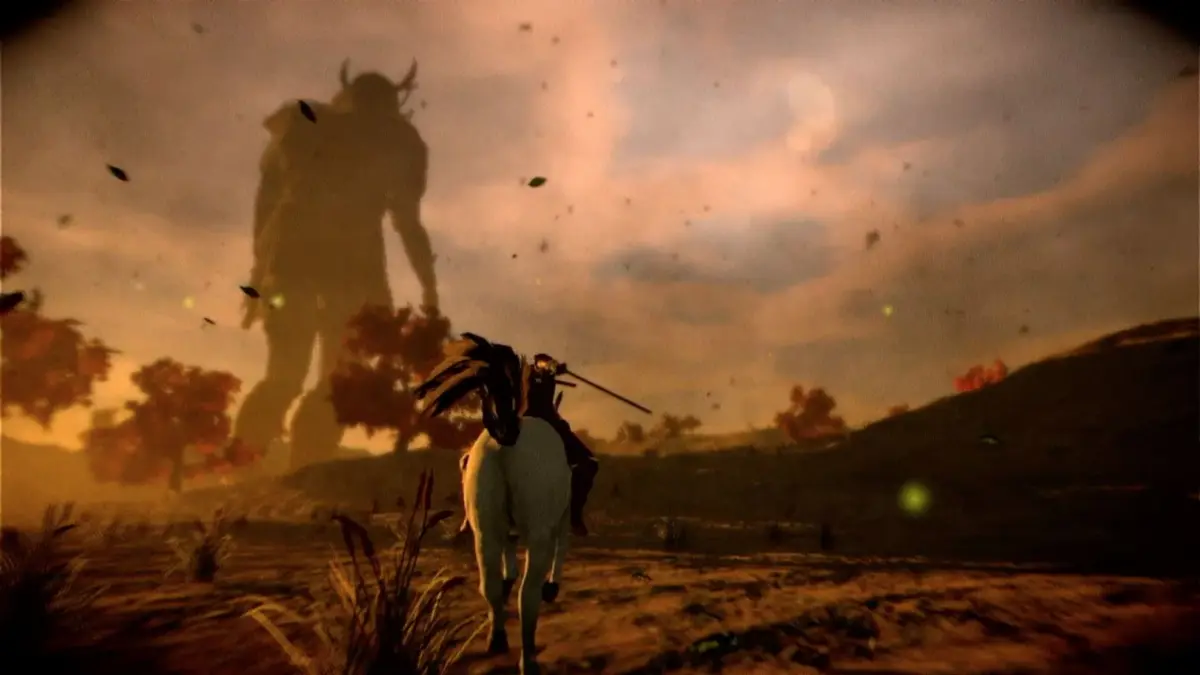
For Sengoku: Blades of War, LGS is making a monumental technological leap. While previous titles in their catalogue were developed primarily using the Unity engine, the studio is upgrading to Unreal Engine for this upcoming project. This technological transition is expected to address past criticisms regarding technical limitations and graphical fidelity, allowing LGS to deliver the cinematic scale, fluid animations, and immersive environments that their historical epics have always deserved.
During the BGS 2026 showcase, early alpha footage of Sengoku: Blades of War was displayed behind closed doors to select media and industry partners. The footage revealed stunning improvements in character models, dynamic lighting, weather systems, and large-scale battle rendering. The transition to Unreal Engine has given the development team the tools necessary to portray the chaotic beauty of Sengoku-era warfare with unprecedented clarity.
Industry analysts following the studio’s trajectory view Sengoku: Blades of War as a defining moment for LGS Games Productions. If the studio can successfully bridge their proven historical storytelling with modern, high-end engine capabilities, 2027 could mark their breakout into the wider mainstream consciousness.
Conclusion
As the curtains closed on Brazil Game Show 2026 at the Distrito Anhembi, LGS Games Productions left an indelible impression on the international gaming community. Through six years of relentless creativity, Gilson B. Pontes and his team have transformed a modest indie startup into a respected name in historical strategy and samurai gaming.
From the gritty revenge tale of Shadow the Ronin to the poignant survival tactics of Ashigaru, and looking ahead to the Unreal Engine-powered horizons of Sengoku: Blades of War, LGS has proven that independent studios can carve out a lasting legacy through sheer dedication, artistic integrity, and a profound respect for history. As they look toward 2027 and beyond, LGS Games Productions stands as a shining example of what independent developers can achieve when they stay true to their vision.


![日本を舞台にしたゲームを作り続けるLGS Games Productionsとは[BGS2026]](https://www.4gamer.net/games/991/G999110/20261013015/SS/009.jpg)
![日本を舞台にしたゲームを作り続けるLGS Games Productionsとは[BGS2026]](https://www.4gamer.net/games/991/G999110/20261013015/TN/001.jpg)
![日本を舞台にしたゲームを作り続けるLGS Games Productionsとは[BGS2026]](https://www.4gamer.net/games/991/G999110/20261013015/TN/002.jpg)
![日本を舞台にしたゲームを作り続けるLGS Games Productionsとは[BGS2026]](https://www.4gamer.net/games/991/G999110/20261013015/TN/003.jpg)
![日本を舞台にしたゲームを作り続けるLGS Games Productionsとは[BGS2026]](https://www.4gamer.net/games/991/G999110/20261013015/TN/004.jpg)
![日本を舞台にしたゲームを作り続けるLGS Games Productionsとは[BGS2026]](https://www.4gamer.net/games/991/G999110/20261013015/TN/005.jpg)
![日本を舞台にしたゲームを作り続けるLGS Games Productionsとは[BGS2026]](https://www.4gamer.net/games/991/G999110/20261013015/TN/006.jpg)
![日本を舞台にしたゲームを作り続けるLGS Games Productionsとは[BGS2026]](https://www.4gamer.net/games/991/G999110/20261013015/TN/007.jpg)
![日本を舞台にしたゲームを作り続けるLGS Games Productionsとは[BGS2026]](https://www.4gamer.net/games/991/G999110/20261013015/TN/008.jpg)






Belum ada komentar. Jadilah yang pertama berkomentar!