The Tokyo Photographic Art Museum has officially launched its highly anticipated exhibition series, "Top Collection: Volume 23." Running from January 17, 2027, this landmark exhibition continues the museum’s tradition of critically examining the evolving definitions and societal impacts of photography and moving image arts.
Since its establishment in 2002, the "Top Collection" series has served as an essential curatorial anchor for contemporary visual culture. Volume 23 pushes these boundaries further by confronting the profound epistemological disruptions introduced by generative artificial intelligence (AI), advanced three-dimensional computer graphics (3DCG), and synthetic media. Rather than treating these technological leaps as peripheral novelties, the exhibition places them at the core of its inquiry. Through the works of invited contemporary creators—such as Sayuri Ichida, Zai Nomura, Baku Hashimoto, and Asako Fujikura—the exhibition questions the very nature of authorship, the preservation of memory, and the mechanics of perception in a digital age.
This report provides an in-depth journalistic analysis of "Top Collection: Volume 23," detailing its thematic framework, structural chronology, technological metrics, artist contributions, and the broader cultural implications of its curation.
Detailed Chronology and Exhibition Framework
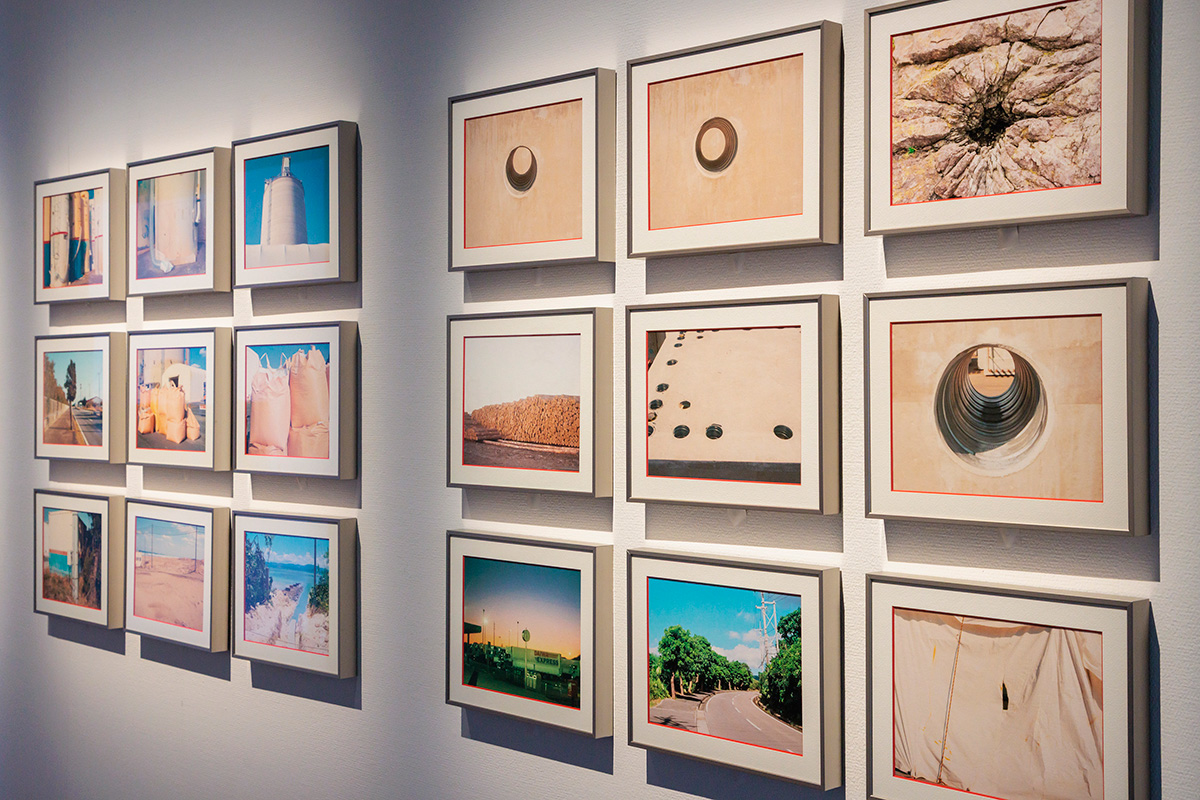
The structural architecture of "Top Collection: Volume 23" is divided into distinct thematic movements that map out the paradigm shifts in modern imaging. Spanning multiple galleries on the third floor of the Tokyo Photographic Art Museum, the exhibition engages visitors through a combination of physical installations, large-scale UV prints, video projections, and multi-channel generative displays.
The Historical Imperative of the "Top Collection"
The Tokyo Photographic Art Museum has long balanced two complementary responsibilities: preserving the historical canon of photography and interrogating the bleeding edge of new media. Volume 23 occupies a unique inflection point. The early 2000s marked the digital transition in photography—a shift from chemical emulsions to digital sensors. Two decades later, the medium is undergoing an even more radical transformation: the transition from capturing physical reality to generating synthetic realities via algorithms.
The 23rd iteration of the collection directly addresses this tension. The curators have assembled works that do not merely use new tools, but instead hold a mirror up to the tools themselves. By juxtaposing historical photographic prints with real-time AI generation, neural network-based video, and procedural 3DCG models, the exhibition creates a dynamic dialogue across technological eras.
The exhibition unfolds through a carefully curated sequence of rooms and thematic zones, each designed to challenge the viewer’s baseline assumptions about truth and representation:
The Archive and the Algorithm (Sayuri Ichida):
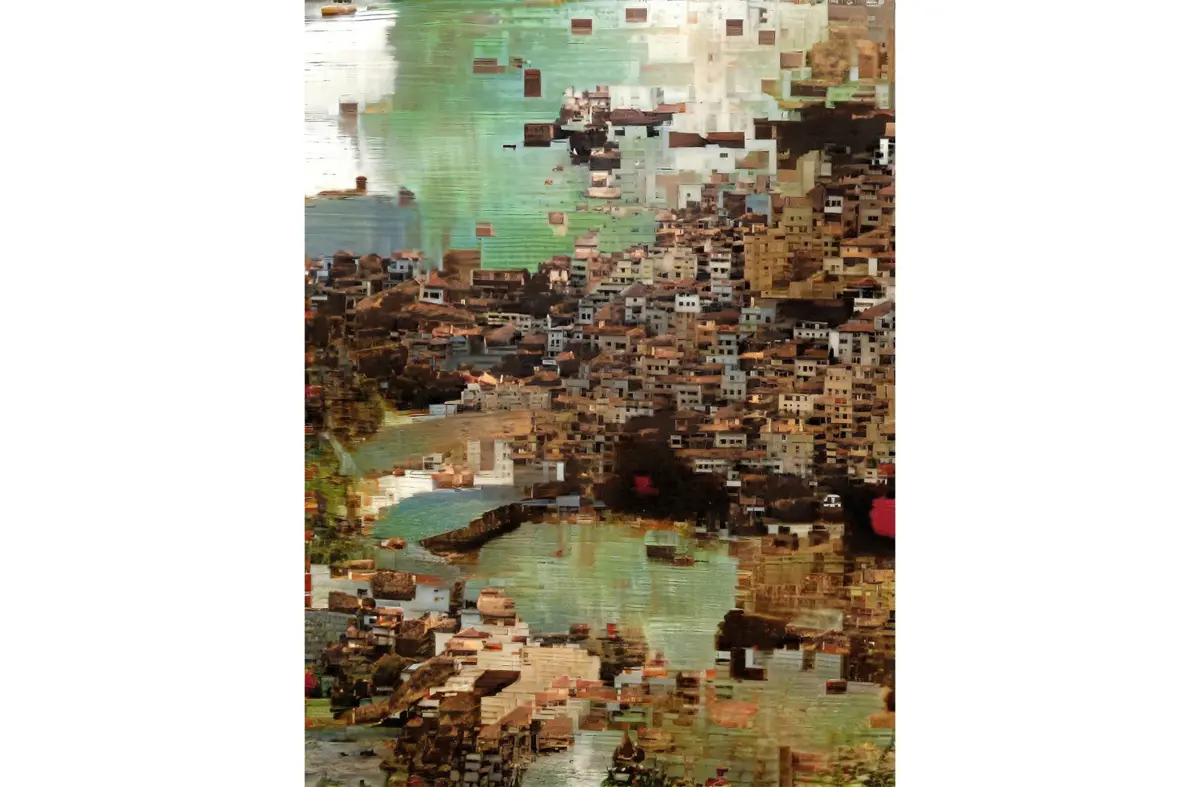
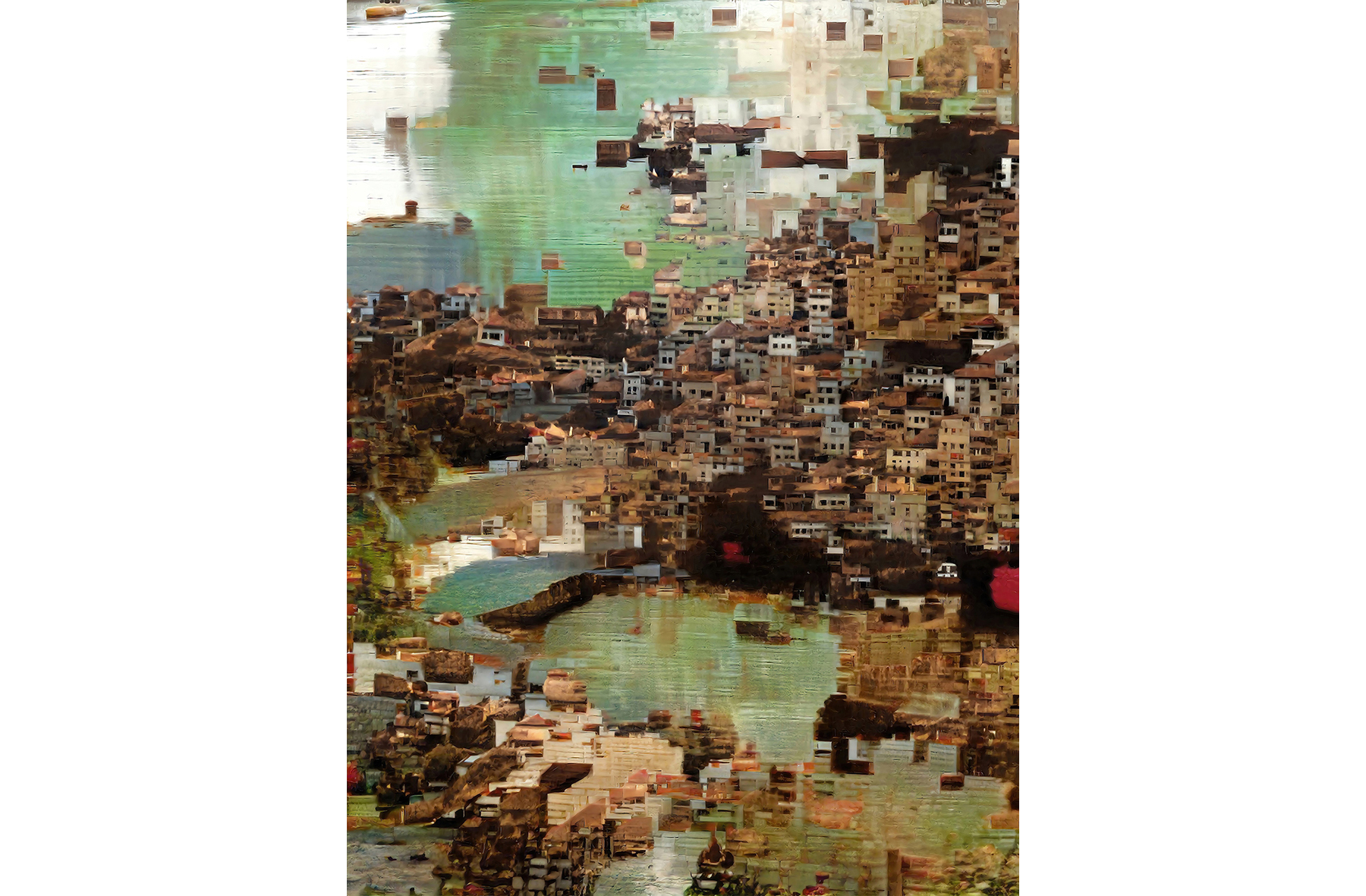
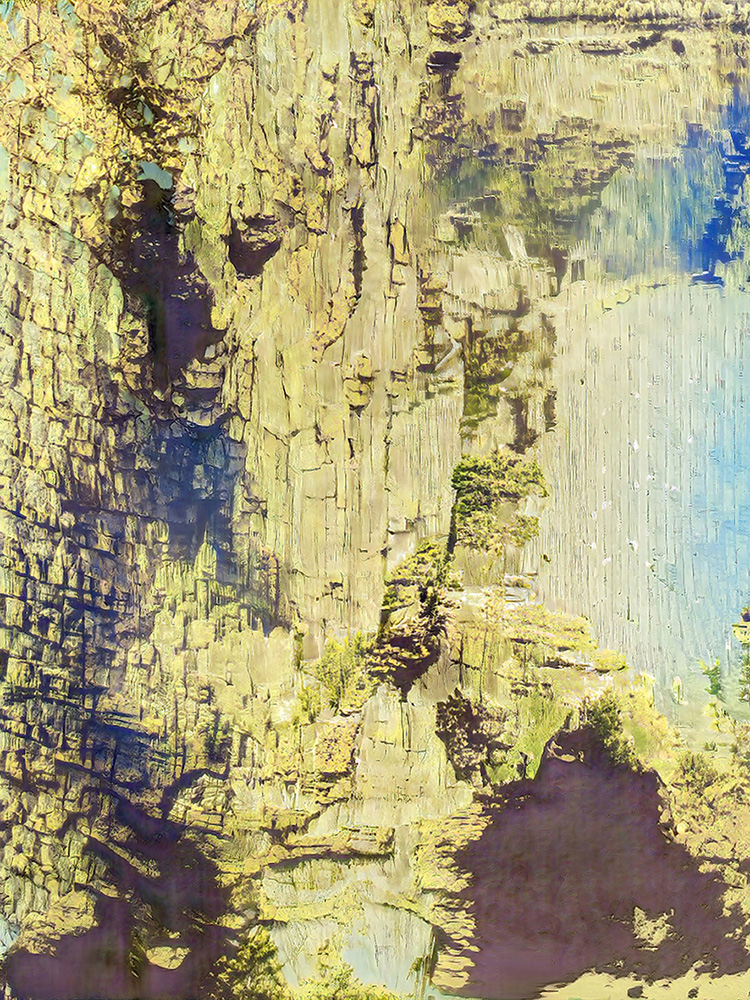
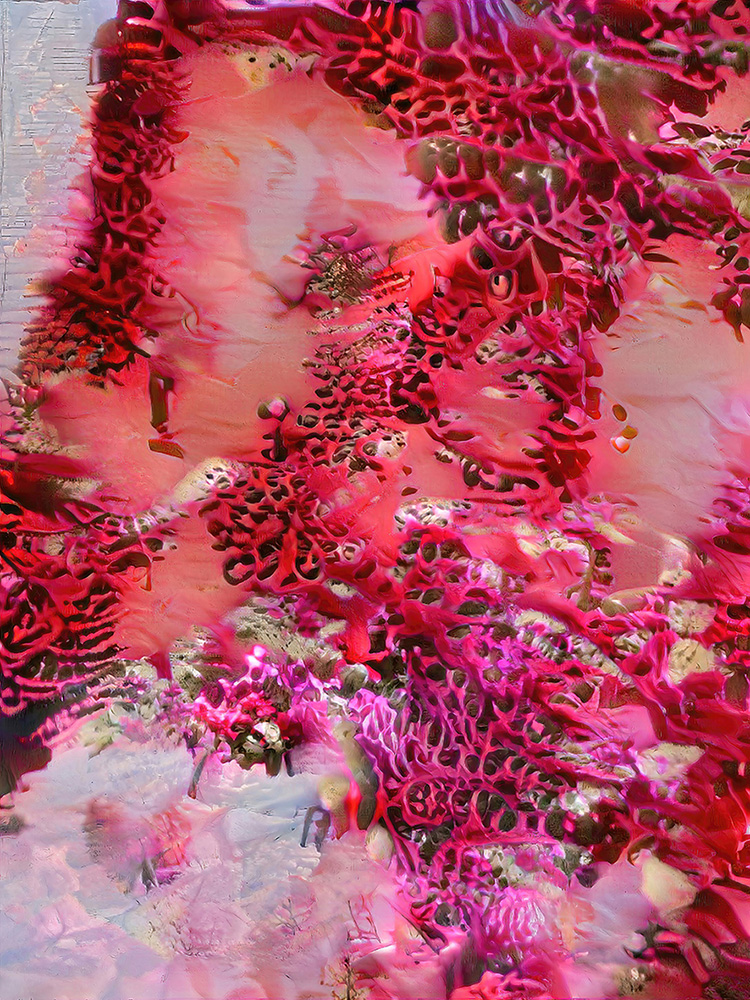
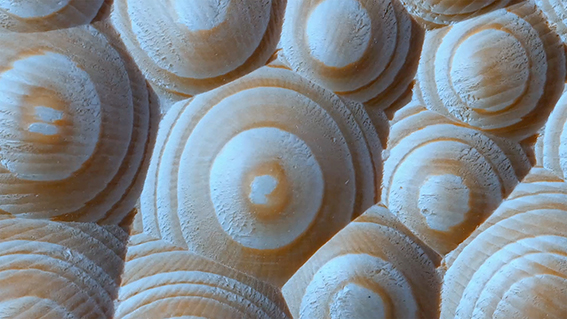
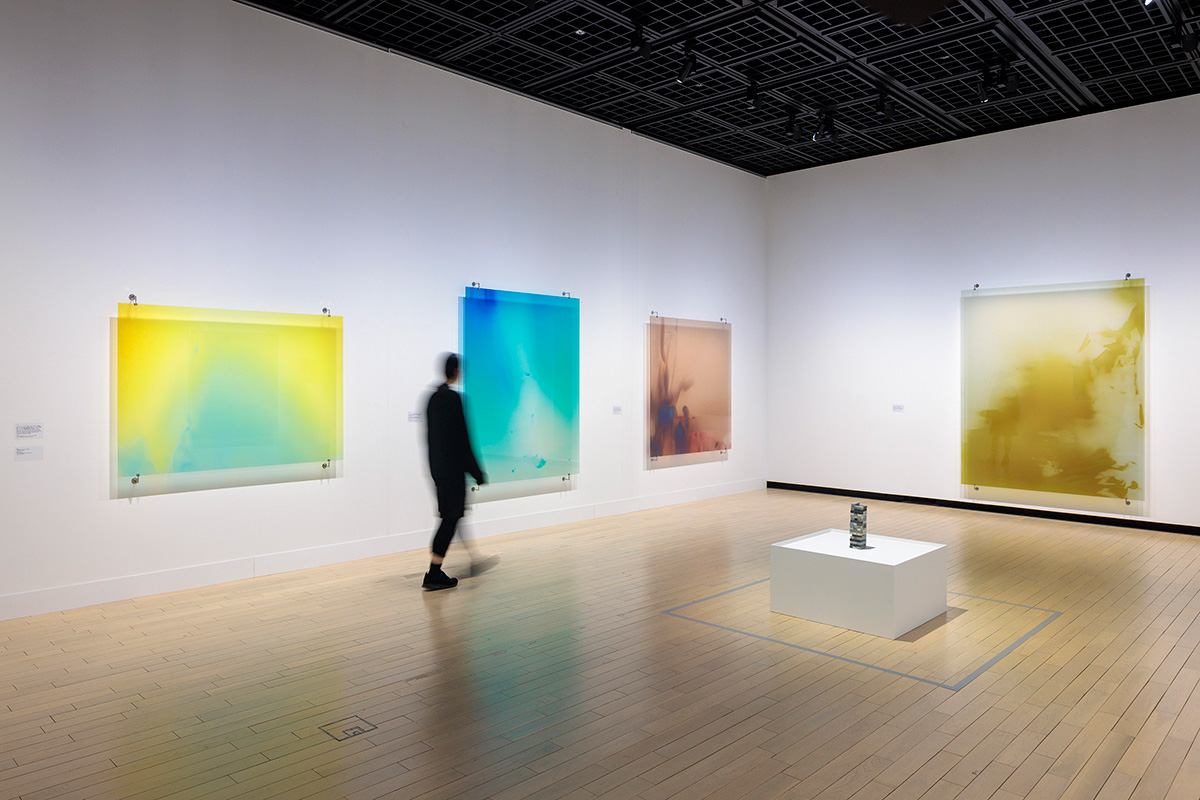
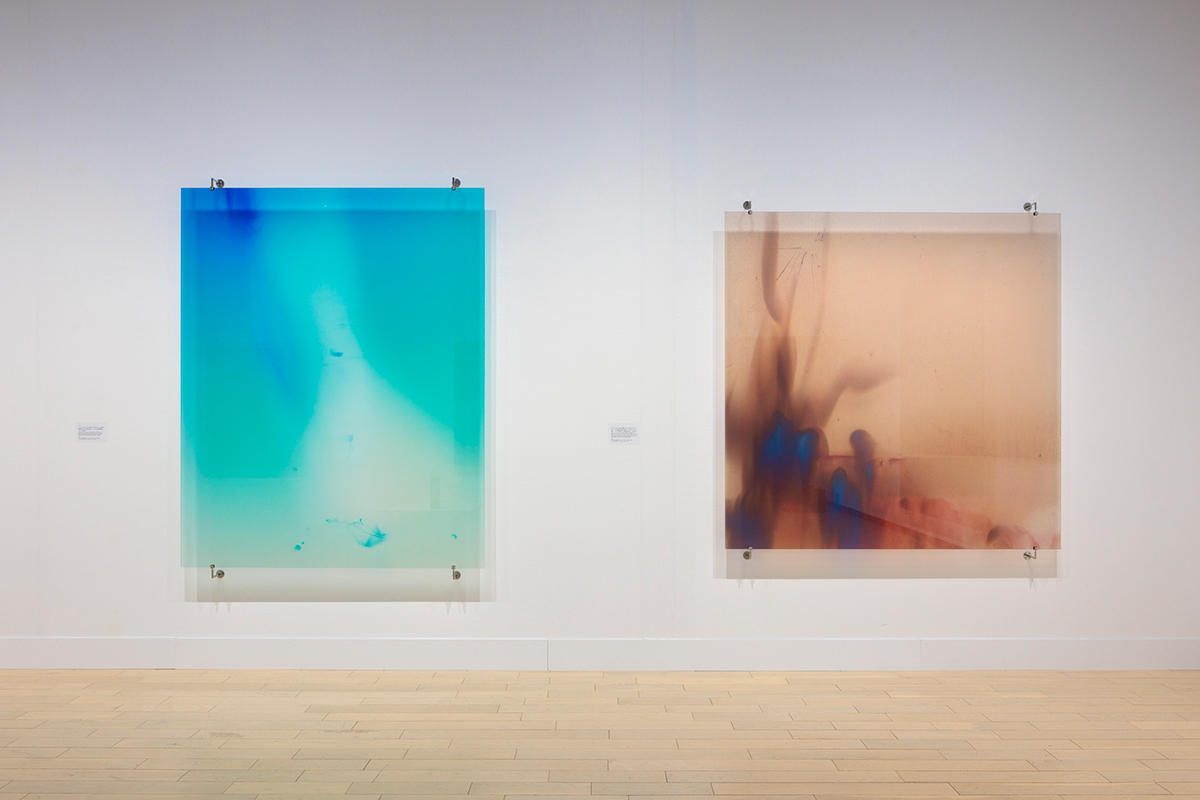
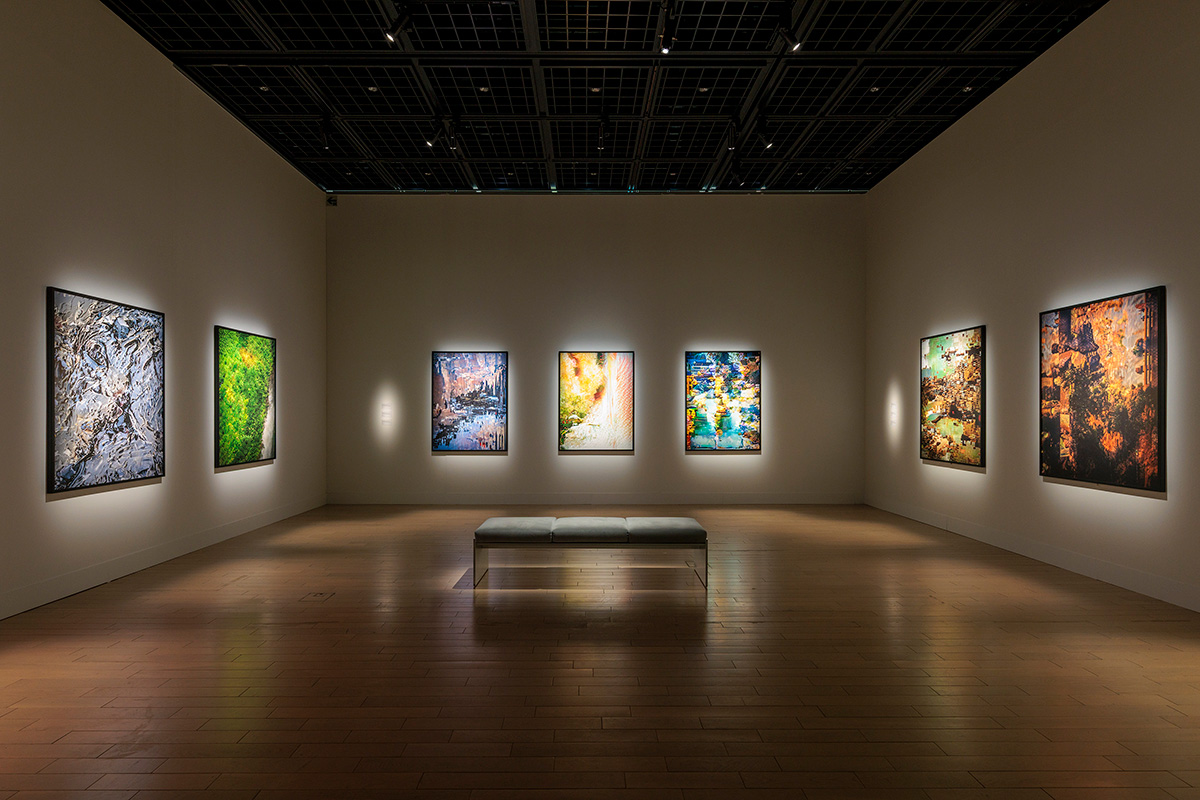
Featuring works such as KÅseki #009 and KÅseki #001 (2025), Sayuri Ichida’s contributions—originally commissioned through the Jerwood/Photoworks Awards and supported by the Jerwood Foundation, Photoworks, and Arts Council England—explore the intersections of landscape, digital rendering, and ecological photography. Ichida’s prints interrogate how nature is mediated through advanced capture systems.
The Materiality of the Digital (Zai Nomura):
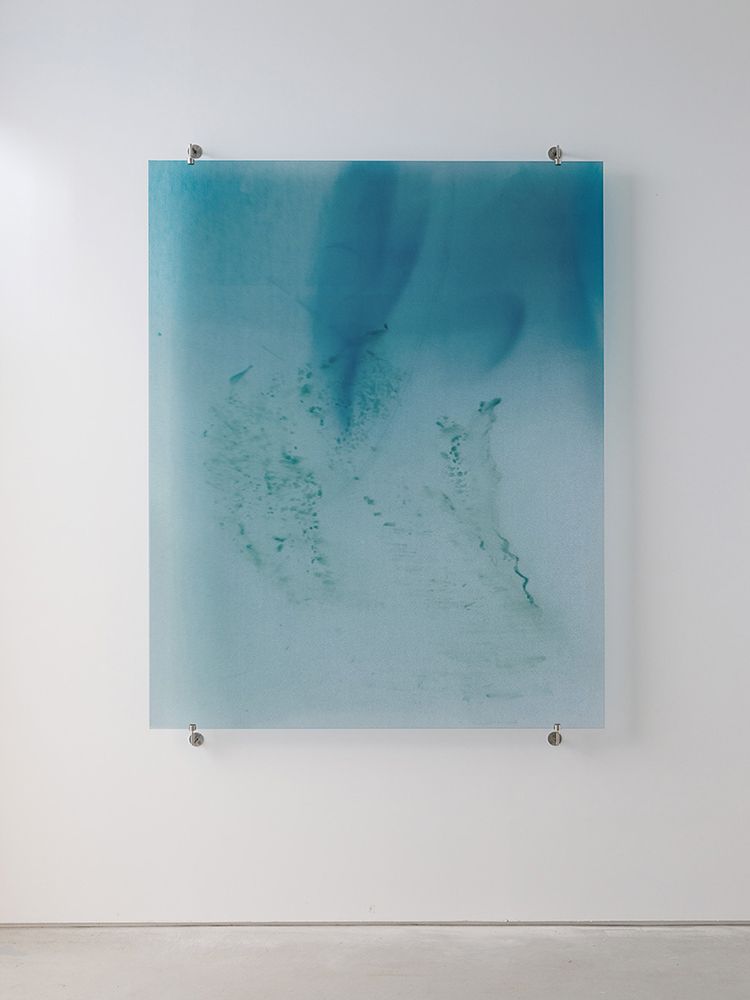
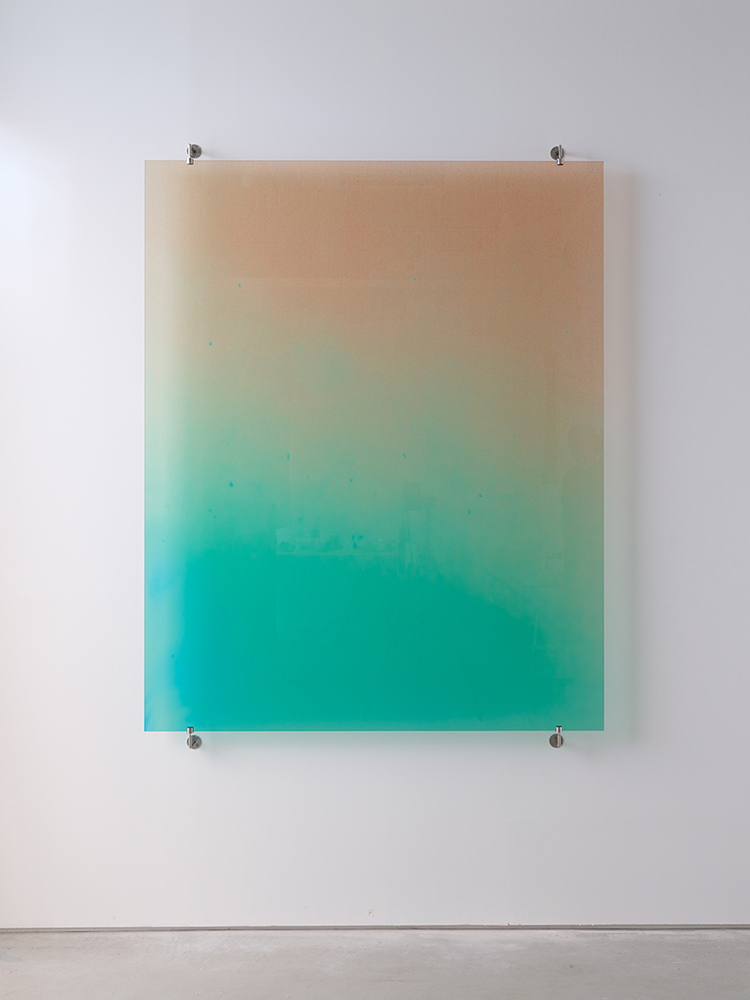
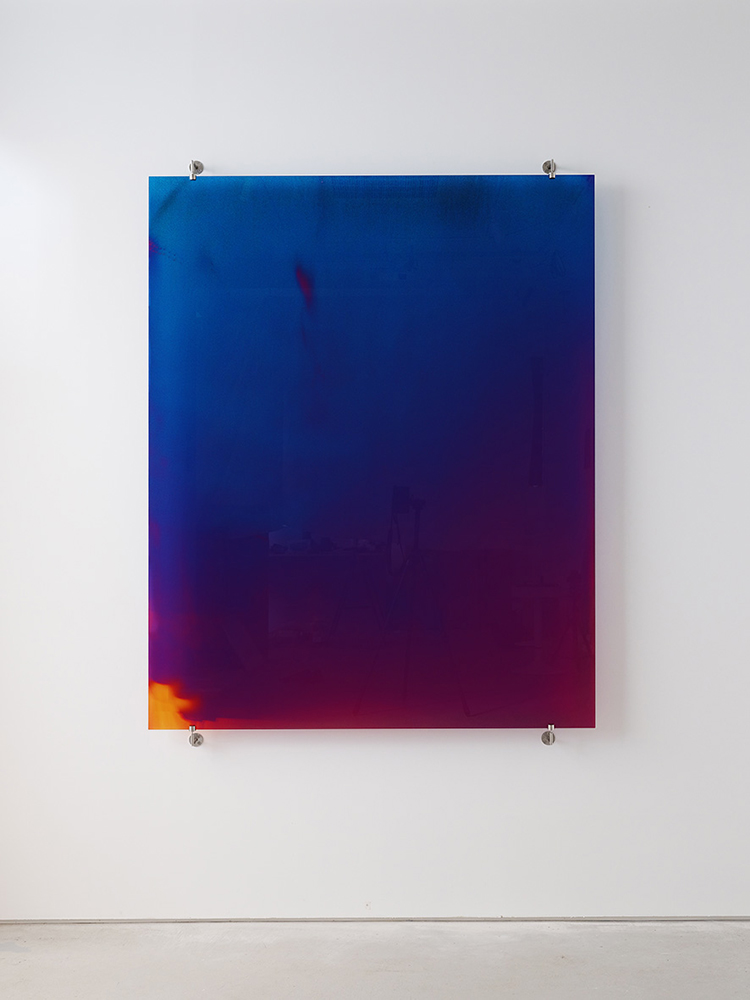
Zai Nomura’s UV-cured inkjet prints, created between 1981 and 2026, bridge the gap between traditional photographic printing and industrial fabrication. Works such as Untitled (Scratched surface, silver gelatin print on paper, one by one on a single plane) (2026) and earlier studies from 1980 and 1944 investigate the physical degradation and structural integrity of the photographic substrate over time.
Motion, Time, and Procedural Generation (Baku Hashimoto):
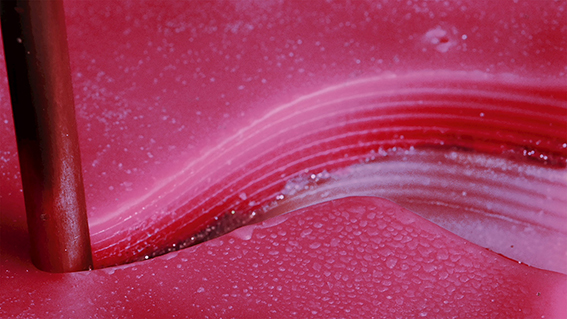
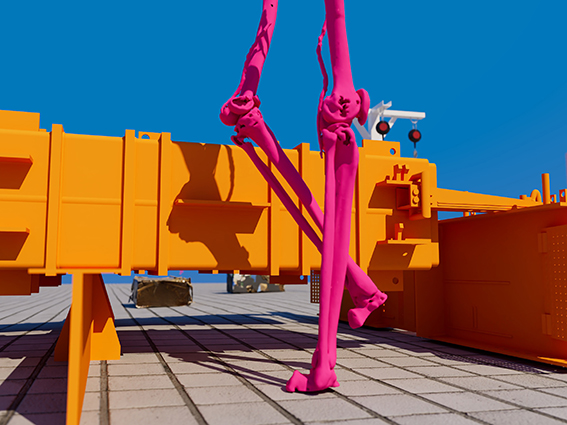
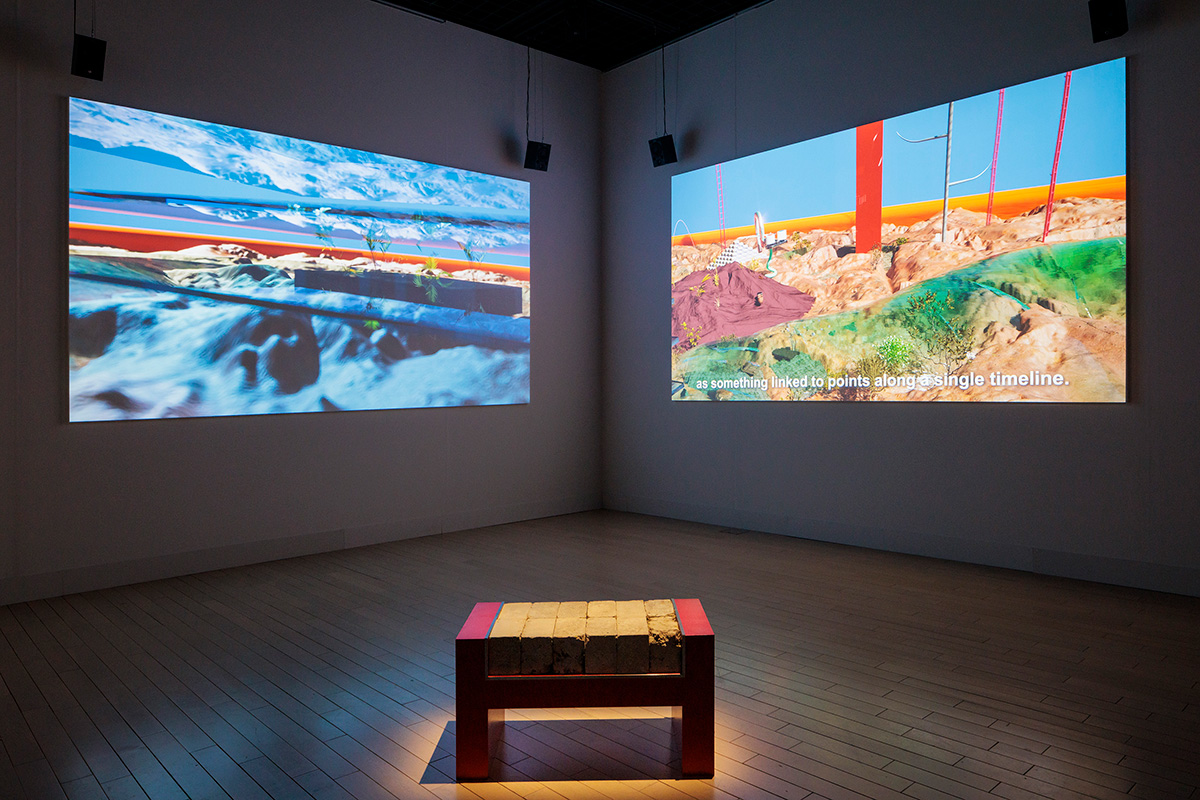
Baku Hashimoto’s ongoing project, Milling Stop-Motion (2024–), utilizes cutting-edge procedural 3DCG and algorithmic sequencing. By simulating stop-motion animation through computational milling processes, Hashimoto questions the mechanical necessity of physical movement in time-based media.
Synthetic Landscapes and Urban Futures (Asako Fujikura):
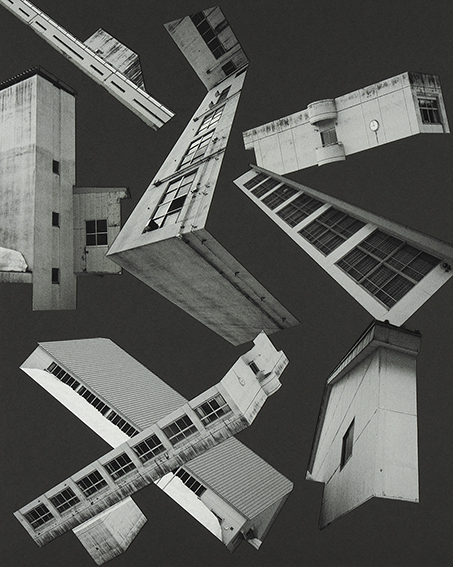
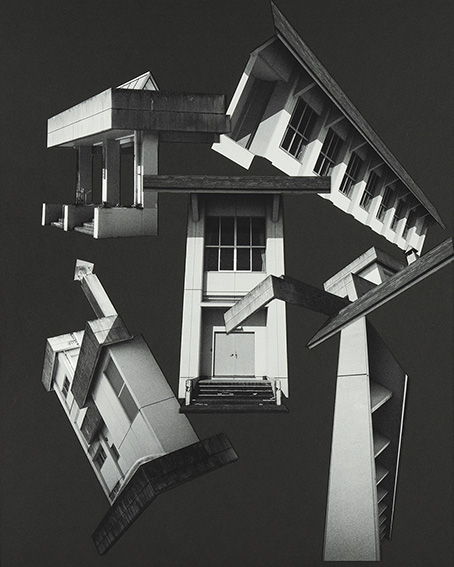
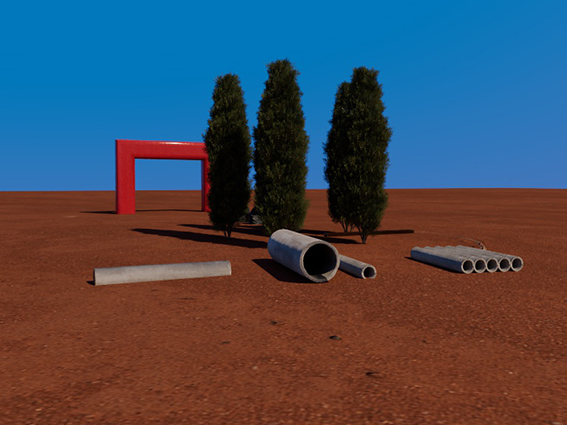
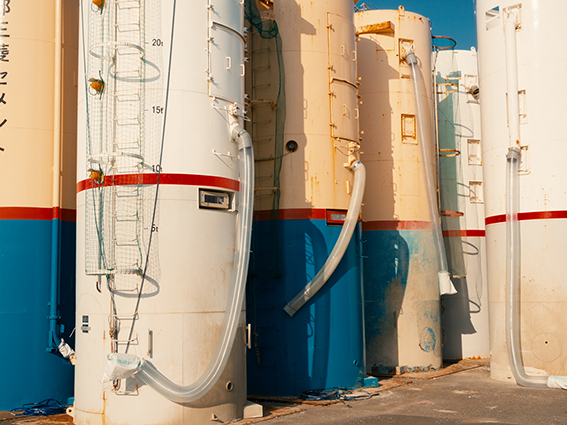
Asako Fujikura’s 4 Tales of Open Sunrise City (tentative title, 2026) investigates the psychological and architectural spaces of algorithmically generated urban environments. Using advanced rendering pipelines, Fujikura constructs speculative architectures that feel simultaneously familiar and deeply alien.
Supporting Context & Metrics
To fully appreciate the scope of "Top Collection: Volume 23," it is necessary to examine the operational metrics, spatial logistics, and technical specifications governing the exhibition.
Exhibition Metrics & Venue Specifications
Venue: Tokyo Photographic Art Museum, 3rd Floor Galleries
Exhibition Duration: January 17, 2027, through subsequent seasonal rotations.
Featured Creators: Sayuri Ichida, Zai Nomura, Baku Hashimoto, Asako Fujikura, alongside historical holdings from the museum’s permanent collection.
Capacity & Admission Structure: Designed for an optimal viewing experience with controlled visitor flow. Standard admission fees apply, with special discounts for students, seniors, and museum members.
Associated Public Programs & Symposia
The museum has organized an extensive series of public events, artist talks, and symposia designed to contextualize the works on display:
October 18, 2026 (14:00–15:30): Opening symposium featuring curators and media theorists discussing the transition from analog to synthetic media.
November 1, 2026 (14:00–15:30): Artist talk with Sayuri Ichida focusing on commissioned works and international collaborations.
December 13, 2026 (14:00–15:30): Session dedicated to Baku Hashimoto and the mechanics of procedural stop-motion animation.
January 10, 2027 (14:00–15:30): Panel featuring Asako Fujikura and architectural theorists exploring synthetic urban spaces.
Official Statements and Curatorial Vision
The curatorial team behind "Top Collection: Volume 23" has released comprehensive statements detailing the intellectual underpinnings of the exhibition. The core thesis revolves around the democratization—and simultaneous destabilization—of the image.
"We are no longer living in an era where the camera acts purely as an instrument of optical registration," notes the curatorial statement. "Today’s image-making apparatus encompasses neural networks, procedural algorithms, and autonomous rendering engines. Volume 23 does not lament this shift; rather, it interrogates the philosophical consequences. When an image can be generated without a lens, what happens to the concept of witness? What is the ethical weight of a photograph when pixels can be hallucinated by code?"
The exhibition deliberately places historical works by masters of traditional photography alongside speculative 3DCG and AI-generated outputs. This juxtaposition is designed to disorient the viewer, forcing a critical re-evaluation of how visual truth is constructed.
For instance, Zai Nomura’s physical interventions on photographic surfaces highlight the fragility of the indexical sign. By physically scratching, layering, and altering UV-cured prints, Nomura asserts the stubborn materiality of the physical object against an increasingly dematerialized digital culture. Conversely, artists like Baku Hashimoto and Asako Fujikura embrace dematerialization entirely, constructing spaces that exist solely as mathematical data until rendered on screen.
Future Outlook: The Post-Photographic Era
As "Top Collection: Volume 23" welcomes visitors through its doors in early 2027, it sets a new benchmark for how cultural institutions must adapt to the age of synthetic media. The traditional boundaries separating photography, cinema, graphic design, and computer science have dissolved.
The implications of this exhibition extend far beyond the gallery walls. As generative AI models become ubiquitous, the public’s trust in visual media is undergoing a profound crisis of authenticity. By curating a space where historical archives converse with algorithmic futures, the Tokyo Photographic Art Museum provides a vital public service: it trains the viewer’s eye to navigate complexity, skepticism, and wonder.
Future iterations of the "Top Collection" series will undoubtedly grapple with the downstream effects of the technologies showcased here. Will generative systems completely replace physical capture, or will they spark a neo-analog renaissance? "Top Collection: Volume 23" does not offer definitive answers, but it equips its audience with the critical tools necessary to ask the right questions.









Belum ada komentar. Jadilah yang pertama berkomentar!