

Executive Overview
For over a decade, FromSoftware has stood virtually uncontested as the undisputed architect of the modern gritty single-player action RPG. From the labyrinthine, interconnected architecture of the original Dark Souls to the punishing, lightning-fast kinetic duels of Sekiro: Shadows Die Twice and the sweeping, open-world grandeur of Elden Ring, the Japanese studio has built its legendary reputation on solitary struggles against insurmountable odds. Yet, the gaming landscape has watched in both fascination and mild bewilderment as FromSoftware has leaned into cooperative and multiplayer experiences.
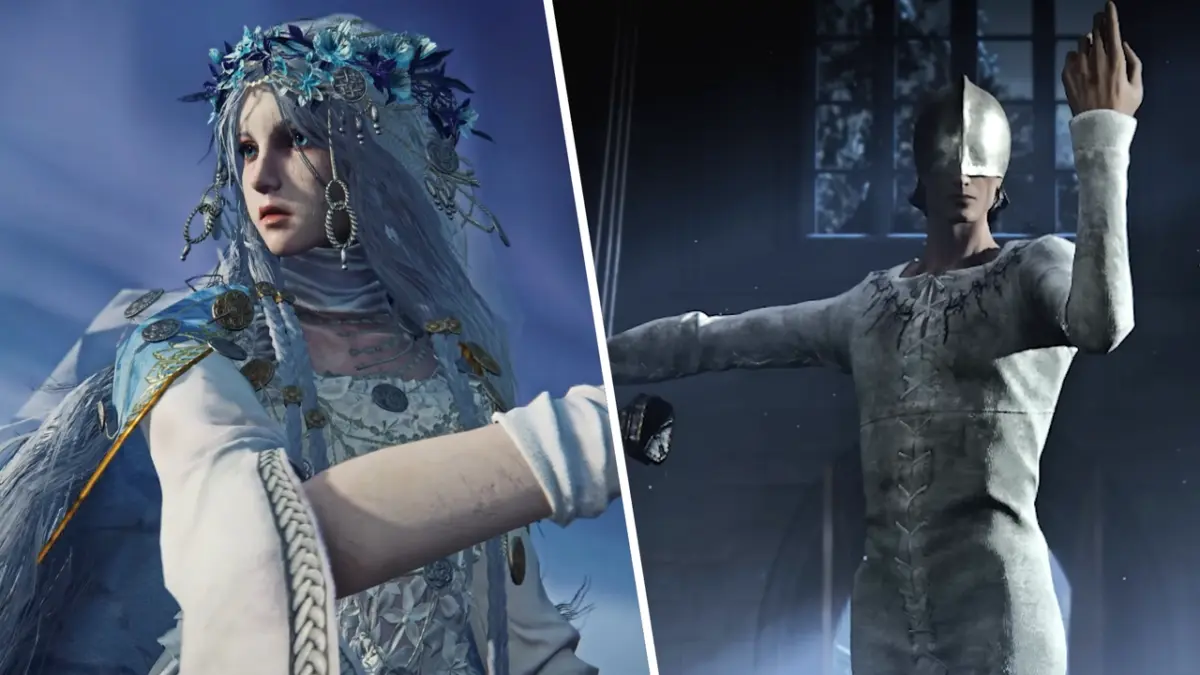
Between the massive commercial success of Elden Ring: Nightreign—which cleared the staggering milestone of two million copies sold in under a week—and the upcoming release of The Duskbloods, observers could easily be forgiven for suspecting a seismic corporate shift. Is FromSoftware transforming into a live-service outfit? Are the days of solitary, controller-shattering campaigns truly behind us?
According to studio president and visionary director Hidetaka Miyazaki, the answer is a definitive no. In a revealing new interview, Miyazaki has clarified that this sudden influx of multiplayer-focused projects is entirely a matter of timing and creative coincidence rather than a calculated corporate pivot. Far from abandoning the punishing single-player gauntlets that put them on the map, FromSoftware views these multiplayer excursions as refreshing palate cleansers—creative detours that ultimately fuel an even hungrier return to the solitary adventures fans know and love.
Detailed Chronology: From Solo Gauntlets to Multiplayer Milestones
To understand why the gaming community is currently scratching its collective head over FromSoftware’s recent trajectory, one must look back at the studio’s historical output. For generations, the formula was sacred, distinct, and staunchly single-player at its core. Even when cooperative mechanics were woven into the fabric of Dark Souls or Bloodborne, they were framed as fleeting, spectral interactions rather than core competitive or team-based modes.
The Single-Player Supremacy (2009–2022)
- Demon’s Souls (2009) & Dark Souls Trilogy (2011–2016): Established the foundational "Soulsborne" DNA, focusing heavily on environmental storytelling, intricate level design, and a lonely, atmospheric journey where summoning help felt like a rare, precious lifeline.
- Bloodborne (2015) & Sekiro: Shadows Die Twice (2019): Pushed the boundaries of solo action mechanics further. Sekiro completely discarded traditional RPG character builds and multiplayer summons in favor of a tightly focused, single-player rhythm-action combat system centered around precise parrying.
- Elden Ring (2022): The culmination of a decade’s worth of design philosophy, merging open-world exploration with uncompromising combat, cementing itself as a cultural milestone entirely driven by its immersive single-player exploration.
The Multiplayer Interruption (2024–Present)
- Elden Ring: Nightreign: Released to immense critical and commercial acclaim, this expansion/spin-off leaned heavily into synchronized, session-based mechanics that forced players to rethink how they survive the Lands Between. The title shattered expectations by moving over two million units in its opening week, proving that the developer’s touch translates remarkably well to more collaborative frameworks.
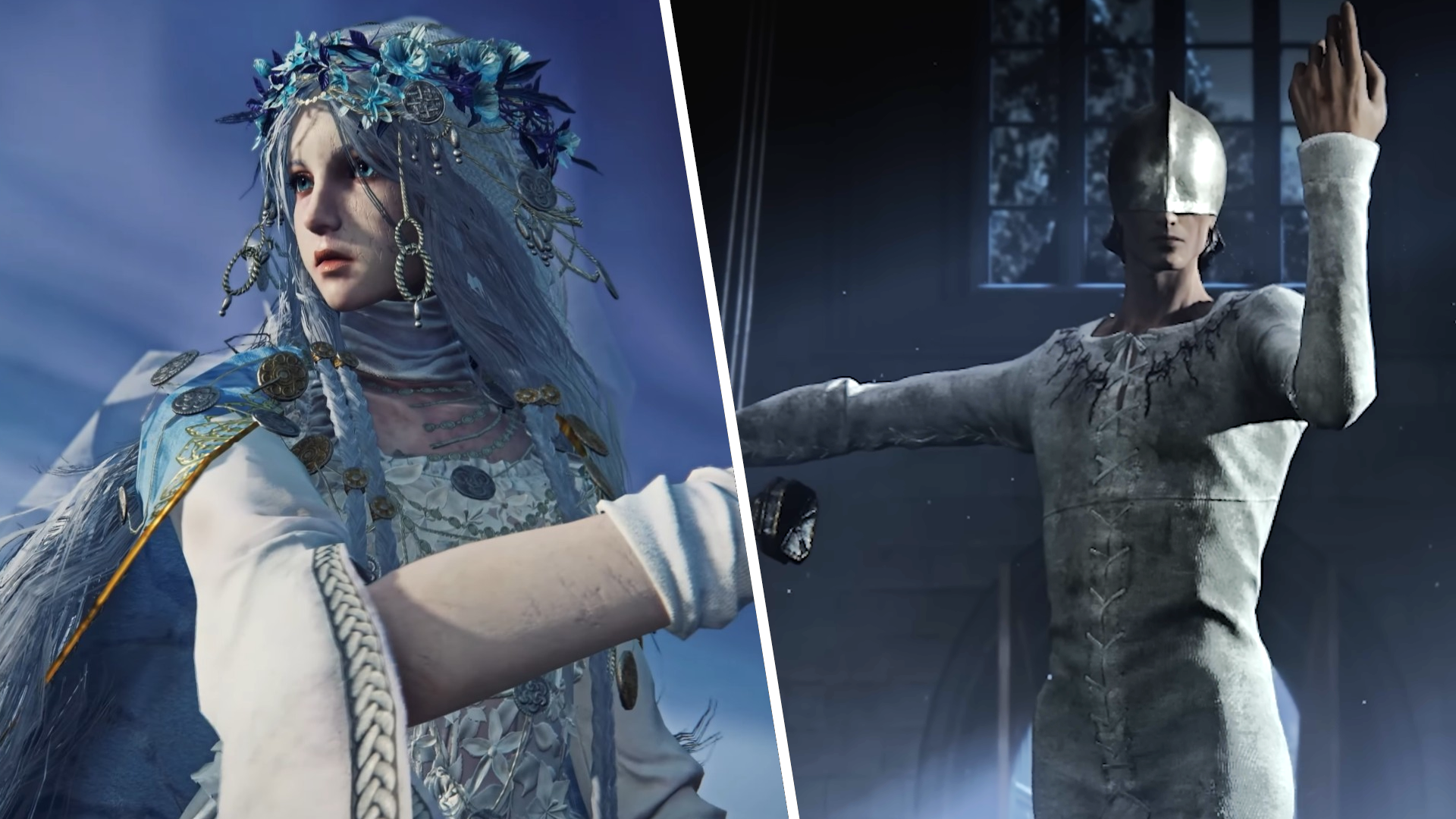
- The Duskbloods: Announced as an upcoming title—though triggering widespread groans and sighs from purists due to its contentious Nintendo Switch 2 exclusivity—this new venture continues FromSoftware’s exploration of non-traditional formats, further cementing a temporary era of multiplayer experimentation.
Supporting Context & Metrics: The Economics and Reception of FromSoftware’s New Era
The debate surrounding FromSoftware’s pivot is not merely philosophical; it is backed by staggering commercial momentum. When Elden Ring: Nightreign surpassed two million copies sold in under seven days, it proved that the studio’s passionate fanbase was more than willing to follow them into uncharted cooperative waters.
Industry analysts have noted that middleweight multiplayer games—titles that bridge the gap between massive live-service behemoths and tight, closed-loop experiences—are currently dominating market trends. For a studio with FromSoftware’s prestige, dipping its toes into these waters makes sound economic and creative sense. It diversifies their portfolio, mitigates the sheer development fatigue of building massive open worlds from scratch, and offers fresh data streams regarding player behavior and netcode optimization.
Yet, this commercial triumph has run parallel to online anxieties. Forums like Reddit and community hubs on platforms like Steam have buzzed with speculative threads asking if FromSoftware is losing its identity. The announcement of The Duskbloods as a Switch 2 exclusive further complicated public discourse, dividing a fanbase historically accustomed to unified multi-platform releases.
Despite these market shifts and platform debates, the core metrics show that players are hungry for anything FromSoftware produces, regardless of whether they are swinging swords alone or side-by-side with spectral allies.
Official Statements: Hidetaka Miyazaki Clears the Air
Any lingering fears of a permanent corporate restructuring toward live-service monetization have been firmly put to rest by the studio’s leadership. Speaking directly to the press, Hidetaka Miyazaki addressed the elephant in the room with characteristic candor, dismantling the narrative of a grand strategic shift.
"It’s not necessarily some big reveal saying this is the direction we plan to go in moving forward," Miyazaki explained in an interview with IGN. "We still have a heavy focus on single-player content as well. This is just something that happened to work out the way it did. It’s funny, because there was never really any big plan that these two games would both release next to each other."
Miyazaki’s comments emphasize that game development at FromSoftware is organic, driven by team passions and creative curiosities rather than rigid board-room mandates. Far from feeling like a chore or an unwelcome corporate obligation, building multiplayer mechanics has been a revitalizing exercise for the veteran development teams.
"Personally, it’s very fun to make a multiplayer game like this," Miyazaki continued. "It’s not something we’ve done a lot, and we’re looking forward to seeing players’ reactions and getting feedback."
However, the director’s remarks also carried a reassuring undertone for those who live for the solitary, white-knuckled trauma of dodging impossible boss combos. Working extensively within the multiplayer space appears to have a cyclical effect on the creators—one that inevitably sparks a deep craving to return to their roots.
"If anything, it’s like the more you work on something multiplayer for a long time, it scratches that itch only to want to make something single-player again," Miyazaki concluded.
Future Outlook: What Lies Beyond the Horizon?
With the air cleared, the horizon for FromSoftware looks brighter—and more diverse—than ever. The studio has successfully proven that its signature atmospheric design, meticulous combat tuning, and punishing difficulty curves are not exclusive to lonely adventures in desolate ruins. They can foster camaraderie, tactical coordination, and shared triumph just as effectively.
At the same time, Miyazaki’s reassurance signals that the single-player soulslike genre is far from dead. As teams cycle back from their multiplayer excursions, the creative fires are primed for the next generation of solitary epics.
Speculation among the community is already running rampant. Could the studio be quietly cooking up a spiritual successor to Sekiro? Will we see a return to pure, unadulterated gothic horror reminiscent of Bloodborne, or perhaps an entirely new intellectual property designed to test the limits of modern hardware?
Whatever form their next major project takes, players can rest easy knowing that FromSoftware’s recent multiplayer detour is just a chapter in their ongoing evolution, not the end of the book. Whether you are coordinating a desperate team survival run in Nightreign or screaming at your monitor because a screen-filling boss is casting un-dodgeable light beams for the hundredth time, FromSoftware remains master of its craft—and we wouldn’t want it any other way.





Belum ada komentar. Jadilah yang pertama berkomentar!