

Executive Overview
Japanese outlet malls have long transcended their primary function as mere centers of commerce, evolving into immersive experiential destinations that fuse leisure, entertainment, and pop culture fandom. While standard shopping mall excursions typically revolve around browsing apparel, securing seasonal discounts, or dining at food courts, Japanese retail complexes frequently elevate the consumer experience through high-profile, temporary franchise collaborations. From Final Fantasy holiday displays and Christmas trees to Super Mario cardboard character standees, these integrations capitalize on affection for globally renowned intellectual properties.
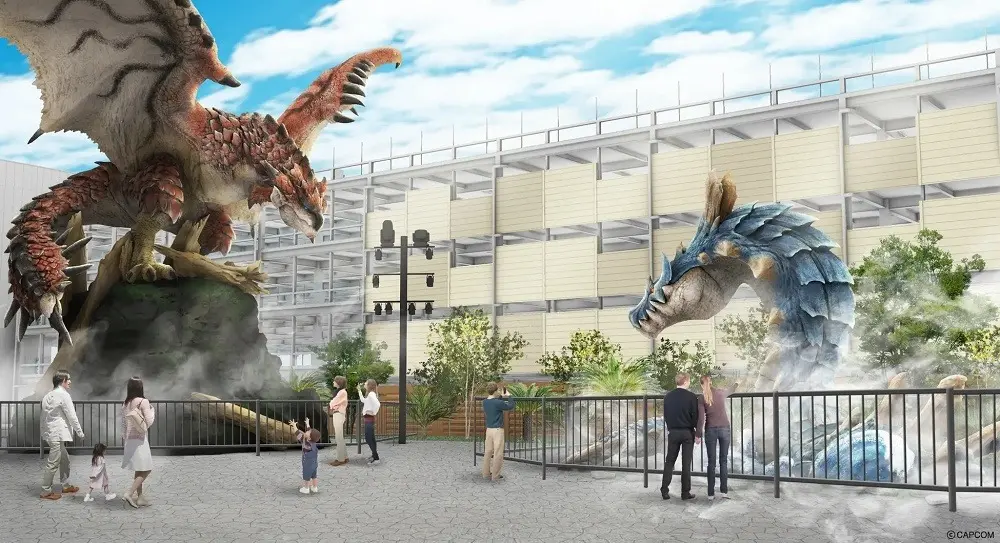
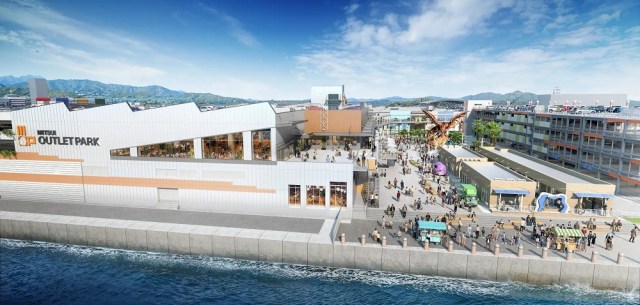
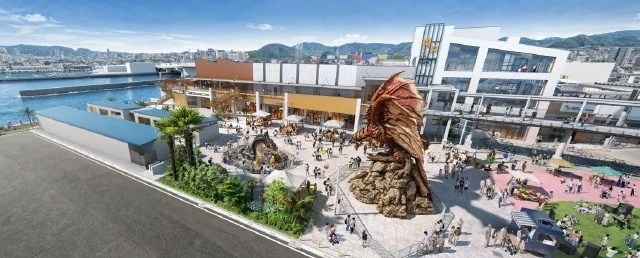
However, Capcom’s upcoming venture at Mitsui Outlet Park Fukuoka Marinoa is poised to shatter conventional expectations for retail-entertainment crossovers. Scheduled to open its doors this coming April, the outlet mall—located conveniently near Meinohama Station in Fukuoka City—is preparing to host a breathtaking, large-scale installation dedicated to the blockbuster Monster Hunter franchise.
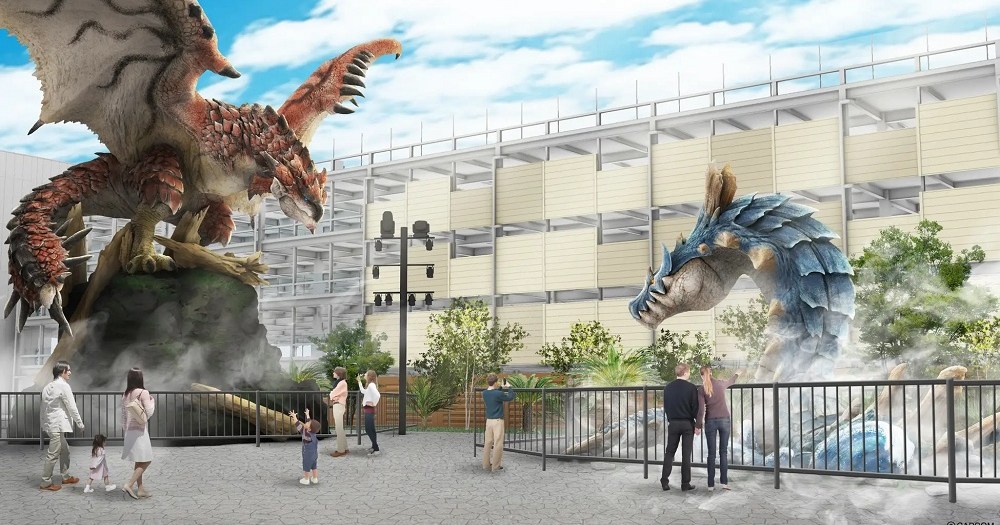
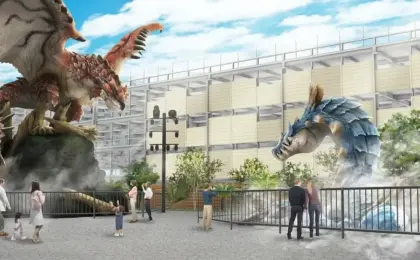
Rather than relying on static 2D cutouts or modest seasonal decorations, the development will feature "life-size" statues of two of Capcom’s most iconic apex predators: the Fire Wyvern Rathalos, historically revered as the "King of the Skies," and the Leviathan Lagiacrus, known widely as the "King of the Seas." To amplify the spectacle, the venue will incorporate state-of-the-art theatrical enhancements—including dramatic lighting, immersive acoustic soundscapes, and rolling artificial mist—to simulate a ferocious, in-universe turf war between the two colossal beasts.
This ambitious initiative represents a new frontier in experiential retail, signaling a concerted effort by Japanese developers and property managers to drive foot traffic by transforming shopping corridors into hunting grounds. This comprehensive report explores the architectural and theatrical scope of the installation, the legacy of Capcom’s Monster Hunter franchise, the broader economic and cultural impact of retail-tainment in Japan, and what visitors can expect when the gates officially open this April.
Detailed Chronology & Installation Mechanics
From Virtual Hunting Grounds to Concrete Corridors
The genesis of the Mitsui Outlet Park Fukuoka Marinoa Monster Hunter exhibition bridges the gap between digital interactivity and physical architectural integration. Planning for the installation began months in advance, requiring close coordination between Capcom’s internal design teams and retail property developers. Translating digital assets from gaming engines into physical, weather-resistant, and public-safe statues of monumental proportions is no small feat.
While Monster Hunter lore acknowledges that individual monster sizes can fluctuate significantly based on in-game quest parameters (ranging from miniature crowns to gold-crown gigantic variants), the promotional preview materials released via PR Times and Oricon News indicate that these physical manifestations will command formidable presence. Standing beneath these sculptures is designed to evoke the exact trepidation experienced by novice hunters venturing into high-rank expeditions for the very first time. Low-level adventurers attempting to "solo" these statues without proper preparation or a balanced hunting party are jokingly, yet earnestly, advised against it.
Simulating the Ultimate Turf War
A hallmark of modern Monster Hunter gameplay—popularized massively since the release of Monster Hunter: World—is the dynamic ecological system known as "turf wars." When two apex predators cross paths and lay claim to the same territory, they engage in brutal, unscripted combat for dominance, completely indifferent to the presence of human hunters nearby.
Mitsui Outlet Park Fukuoka Marinoa is leaning heavily into this ecological mechanic to ensure the installation is more than a static photo-op. According to project outlines, the exhibition space will utilize advanced multi-sensory effects:
- Dynamic Lighting: Shifting illumination will mimic the passage of time, volcanic glow, or oceanic depths, casting dramatic shadows across the intricate scales and armored plates of the beasts.
- Acoustic Soundscapes: Directional audio systems will project the bone-chilling roars of Rathalos and the thundering, watery growls of Lagiacrus, echoing through the concourses of the mall.
- Atmospheric Mist: Controlled releases of artificial fog will swirl around the base of the statues, obscuring their massive frames before dramatically revealing them to unsuspecting shoppers.
By layering these theatrical elements, the mall aims to recreate the visceral tension of an active hunting ground right in the middle of a commercial concourse, offering visitors an adrenaline-pumping sensory overload entirely unique to retail environments.
Supporting Context & Metrics: The Rise of "Retail-Tainment"
The Evolution of Japanese Outlet Malls
To fully grasp the magnitude of the Mitsui Outlet Park Fukuoka Marinoa collaboration, one must examine the shifting landscape of Japanese retail real estate. In an era dominated by e-commerce and digital convenience, physical brick-and-mortar locations face mounting pressure to offer experiences that cannot be replicated behind a computer screen.
Japanese outlet malls—frequently situated on expansive suburban or waterfront plots—have proven uniquely adaptable. By functioning as lifestyle destinations rather than mere shopping hubs, they attract families, couples, and fandom tourists who are willing to travel significant distances for a day out. Adding high-end pop-culture installations transforms a routine weekend shopping trip into an event-driven excursion.
Capcom’s Monster Hunter: A Cultural Titan
The choice of Monster Hunter as the centerpiece for this retail venture is grounded in the franchise’s staggering commercial success and cultural penetration in Japan. Since the series debuted on the PlayStation 2 in 2004, Monster Hunter has grown from a niche co-op action game into a global powerhouse for Capcom, shifting tens of millions of units worldwide.
Key milestones underpinning the franchise’s enduring legacy include:
- The Portable Phenomenon: The series achieved mainstream ubiquity in Japan during the PlayStation Portable (PSP) era (Monster Hunter Freedom and Monster Hunter Freedom Unite), where local ad-hoc multiplayer transformed train rides, school classrooms, and cafes into impromptu hunting parties.
- Global Expansion: Monster Hunter: World (2018) shattered Capcom sales records, introducing the franchise to a massive Western audience while streamlining mechanical depth without sacrificing tactical complexity.
- Transmedia Dominance: Beyond core software sales, the IP has spawned spin-offs, manga, Hollywood feature films, collectible figures (Monster Hunter Creators Models), themed cafes, and universal studios Japan attractions.
By anchoring the Fukuoka installation to Rathalos—the undisputed mascot and flagship wyvern of the series—and Lagiacrus—the beloved leviathan that defined the underwater combat era of Monster Hunter Tri—the exhibition speaks directly to the deep-seated nostalgia and passion of longtime fans while dazzling casual onlookers.
Official Statements & Industry Perspectives
While direct transcripts from individual executives remain curated primarily through official press releases issued via PR Times, industry analysts and retail strategists have noted a clear paradigm shift in how commercial spaces leverage intellectual property (IP).
A retail development consultant specializing in Japanese commercial real estate remarked on the trend:
"Modern consumers, particularly Millennials and Generation Z, prioritize experiences over passive consumption. When a mall integrates a high-fidelity, interactive installation like a life-size Monster Hunter battle scene, it bridges the gap between entertainment venues and retail centers. It provides organic, highly shareable moments for social media platforms, transforming every shopper into an active marketing agent for the property."
Capcom representatives have similarly emphasized the importance of bringing digital creations into the physical realm. The ability to render monsters at scale allows developers to showcase the meticulous artistic detail poured into skin textures, wing membranes, shell plating, and anatomical design—details that are often blurred during frantic, high-speed gameplay encounters on home consoles and PC monitors.
Future Outlook: What to Expect This April
As the opening date approaches this coming April, anticipation among the gaming and shopping communities continues to build. Located adjacent to Meinohama Station, Mitsui Outlet Park Fukuoka Marinoa enjoys robust transit connectivity, making it easily accessible for both local residents of Fukuoka City and regional travelers touring Kyushu.
Strategic Planning for Visitors
For those planning an excursion to coincide with the April debut, consider the following recommendations:
- Assemble Your Party: True to the spirit of the franchise, visiting with fellow fans enhances the experience. Organizing group outings allows visitors to pose for commemorative photographs mimicking classic weapon-wielding hunter stances beneath the shadows of Rathalos and Lagiacrus.
- Monitor Ancillary Merchandise: While the core announcement centers on the monumental statues and theatrical effects, past collaborations of this magnitude frequently feature pop-up merchandise booths, exclusive themed apparel, and limited-edition collector goods available only on-site.
- Check Operational Schedules: Because the multi-sensory effects (mist, dynamic lighting, and battle audio sequences) may operate on scheduled intervals to manage crowds and sensory impact, checking the mall’s official daily schedule upon arrival will ensure visitors don’t miss the climax of the simulated turf war.
The Broader Horizon for Experiential Retail
The Mitsui Outlet Park Fukuoka Marinoa Monster Hunter collaboration sets a high benchmark for future retail-gaming crossovers in Japan. As developers continue to seek innovative ways to celebrate milestone anniversaries and maintain community engagement between major software releases, physical activations of this scale demonstrate that the boundaries between virtual fantasy worlds and tangible reality are increasingly porous.
Whether you are a seasoned veteran who has hunted ancestral elders across multiple console generations or simply a casual shopper looking to witness a titanic clash between the King of the Skies and the King of the Seas, this April promises an unforgettable expedition. Dust off your hunting gear, map out your route to Meinohama Station, and prepare to discover that when it comes to combining epic fantasy monsters with retail therapy, Japan continues to lead the world in turning shopping trips into legendary adventures.





Belum ada komentar. Jadilah yang pertama berkomentar!