

Executive Overview
For over three decades, the musical architecture of the Final Fantasy franchise has served as the emotional bedrock of Square Enix’s enduring role-playing empire. Composed by legendary industry veterans such as Nobuo Uematsu, Masashi Hamauzu, and Junya Nakano, these scores have broken traditional barriers between video game audio and classical concert hall masterpieces. As the franchise approaches milestone anniversaries for its most beloved entries, Square Enix continues to discover innovative, commercially lucrative avenues to monetize its massive auditory library.
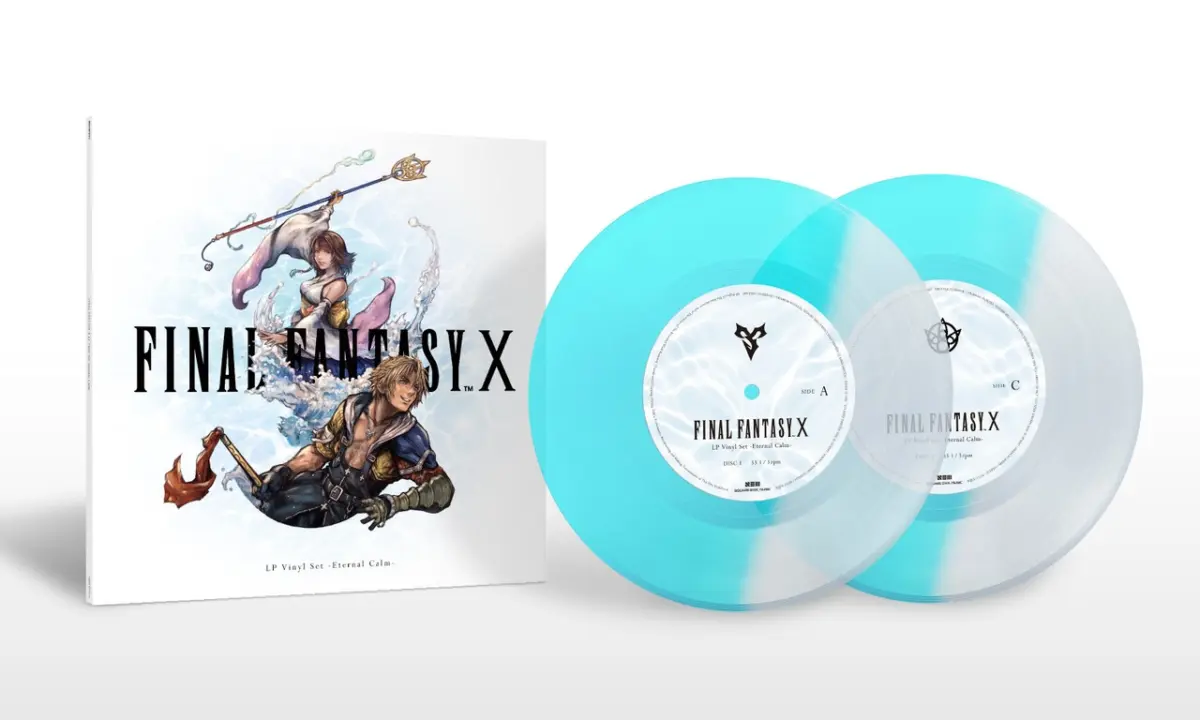
Enter the upcoming 25th-anniversary vinyl release for Final Fantasy X, a physical collector’s item designed to capture the hearts and open the wallets of longtime devotees. Yet, physical media is only part of the publisher’s modern strategy. In an unexpected genre-blending experiment, Square Enix has also launched Final Fantasy X: House Grooves. Following a similar, quirky electronic excursion for Final Fantasy IX, this new remix album attempts to drag Spira’s notoriously mournful, contemplative melodies out of the realm of orchestral tragedy and onto the electronic dance music (EDM) floor.
While the collision of heavy-hearted narrative motifs with four-on-the-floor house beats yields wildly inconsistent results—ranging from surprisingly atmospheric chillwave textures to discordant tonal clashes—the project underscores a broader corporate truth: Final Fantasy music remains an astonishingly resilient commercial asset. This article explores the convergence of nostalgia, physical collector culture, and bold audio experimentation as Square Enix celebrates a quarter-century of Final Fantasy X.
Detailed Chronology: From PlayStation 2 Masterpiece to Modern Audio Experiments
To understand the cultural weight of the Final Fantasy X 25th-anniversary initiatives, one must look back at the trajectory of the game’s audio identity and its subsequent commercial evolution.
March 2001: The Debut of a Generational Masterpiece
When Final Fantasy X launched on the Sony PlayStation 2 in Japan in March 2001 (followed by North American and European releases later that year), it represented a monumental technological leap for the franchise. It was the first mainline Final Fantasy title to feature fully voiced characters, 3D character models replacing pre-rendered backgrounds, and a seamless musical score that dynamically matched the emotional gravity of the journey.
Composed collaboratively by Nobuo Uematsu, Masashi Hamauzu, and Junya Nakano, the soundtrack departed slightly from Uematsu’s purely symphonic style by incorporating ambient textures, Okinawan folk influences, and modern electronic elements. Tracks like "To Zanarkand" became instant cultural touchstones, defining an era of emotional, cinematic storytelling in interactive entertainment.
The Import Era and Physical Soundtrack Dominance
Throughout the 2000s, acquiring physical media related to Final Fantasy music was a rite of passage for dedicated audiophiles. Importing multi-disc official soundtracks from specialized retailers like Play-Asia involved considerable expense, long shipping delays, and significant denting of part-time wages for younger fans. These physical artifacts—complete with lyric booklets, liner notes, and pristine artwork—established a deep-seated consumer expectation: Final Fantasy music is worth owning in a tangible format.

The Modern Vinyl and Reissue Boom
As the global vinyl revival accelerated over the past decade, Square Enix recognized a prime opportunity to cater to aging millennials and Gen-Z collectors alike. The publisher systematically rolled out high-end, gatefold vinyl editions of classic soundtracks. The upcoming Final Fantasy X 25th-anniversary vinyl release, scheduled to drop next month, represents the pinnacle of this strategy. Featuring striking visual packaging and carefully mastered audio optimized for analog playback, it serves as a luxurious tribute to a game that refuses to fade from public consciousness.
The Birth of House Grooves
Parallel to the physical collector’s market, Square Enix began exploring digital-first, genre-bending iterations of its classic catalogs. Following the modest success of Final Fantasy IX: House Grooves, the publisher greenlit Final Fantasy X: House Grooves. Released on streaming platforms, this project set out to answer a daring hypothetical question: Can the profoundly melancholic, existential dread of Spira’s soundtrack successfully function as club-ready dance music?
Supporting Context & Metrics: The Business and Art of Video Game Remixes
The financial viability of video game music (VGM) has evolved from a niche subculture into a multi-million-dollar industry encompassing global concert tours (such as Distant Worlds), specialized vinyl labels, and streaming monetization.
The Economics of Nostalgia Pandering
Square Enix’s strategy with Final Fantasy X relies heavily on psychological "pandering" to what industry analysts term the "nostalgia demographic." Consumers who experienced the original PlayStation 2 release in their formative years now possess disposable income. By offering tiered products—ranging from accessible streaming remixes to expensive, premium-grade vinyl sets—the publisher maximizes yield across different consumer segments.
| Product Type | Target Audience | Primary Appeal | Commercial Objective |
|---|---|---|---|
| Anniversary Vinyl | Die-hard collectors & audiophiles | Premium physical packaging, analog warmth, high aesthetic value | High-margin luxury sales and shelf-presence |
| House Grooves (Streaming) | Casual listeners & open-minded fans | Novelty, background work/chill music, genre experimentation | Algorithmic discovery, playlist placement, low-cost digital engagement |
| Original Soundtrack Reissues | Traditionalists | Authentic historical preservation | Sustained evergreen catalog revenue |
Analyzing the House Grooves Tracklist
The critical reception of Final Fantasy X: House Grooves highlights the inherent friction of imposing a dance format onto a narrative-driven RPG score:
- "To Zanarkand": The iconic opening piano melody undergoes a fascinating transformation. Rather than falling flat, it evokes the surreal sensation of late-night small talk with a luxury hotel concierge—smooth, unobtrusive, and slightly surreal, yet strangely functional.
- "Phantoms" (Macalania Woods): Arguably the most successful adaptation on the record. Because atmospheric, icy ambient tracks naturally share DNA with mid-2010s chillwave and vaporwave aesthetics, the transition into electronic grooves feels organic rather than forced.
- "Wandering": A narrative collision. This track plays during one of the game’s darkest early sequences—the brutal slaughter of crusaders by the colossal entity Sin. Imposing a house beat over a profound mourning dirge creates an intentional or accidental cognitive dissonance, resulting in two distinct musical ideas playing simultaneously.
- "Fight with Seymour" / Blitzball Theme: The undeniable anchor of the project. By fusing the high-energy boss theme with the bouncy hook of the game’s fictional sport, Square Enix successfully delivers a legitimate club-adjacent banger tailored specifically for pop-culture-literate dancefloors.
Official Statements and Industry Insights
While formal corporate press releases surrounding the Final Fantasy X anniversary emphasize respect for the original compositions, developers and music supervisors have frequently spoken about the shifting paradigms of game audio consumption.
In past interviews regarding the legacy of the Final Fantasy sound, Nobuo Uematsu noted how video game music has transcended its original hardware limitations to become a universal cultural language. Although Uematsu did not personally craft the electronic arrangements for House Grooves, Square Enix’s internal music division has championed these projects as a means of keeping heritage intellectual property relevant to younger, digitally native audiences.

A representative from Square Enix Music noted during a promotional rollout for their modern remix initiatives:
"Our goal is to honor the emotional resonance of the worlds our fans grew up with, while finding fresh, unexpected ways for them to experience those familiar melodies in their daily lives—whether that is relaxing at home with an analog record or discovering a new rhythm on a digital playlist."
Critics and gaming culture commentators have similarly observed that while albums like House Grooves are unlikely to make waves in elite underground electronic spaces like Boiler Room, they serve as masterclasses in self-aware fan service. They acknowledge the absurdity of their own existence while offering undeniable comfort food for longtime enthusiasts.
Future Outlook: What Lies Ahead for the Final Fantasy Sound
As the franchise looks beyond the Final Fantasy VII remake trilogy and anticipates new mainline installments, the monetization and celebration of legacy soundtracks will undoubtedly continue to evolve.
The Rise of Immersive and Spatial Audio
Future anniversaries for titles like Final Fantasy XII, XIII, and modern entries will likely move beyond standard stereo vinyl and electronic remix albums. The industry is rapidly pivoting toward Dolby Atmos, spatial audio mixes, and interactive algorithmic soundscapes that allow fans to dynamically interact with orchestration in virtual reality or spatial environments.
The Preservation of Video Game Composition
Simultaneously, institutions worldwide are increasingly recognizing video game music as legitimate high art. Symphony orchestras regularly sell out global tours dedicated entirely to Square Enix properties. The coexistence of high-brow orchestral preservation (like Distant Worlds) and low-brow, joyous experimentation (like House Grooves) demonstrates the healthy, multifaceted ecosystem of the modern VGM market.
For now, the Final Fantasy X 25th-anniversary vinyl and its accompanying electronic oddities prove that Spira’s sonic world remains as vital, flexible, and commercially potent as it was twenty-five years ago. Whether spinning a pristine wax record on a Sunday afternoon or ironically nodding along to house remixes of heartbreaking death scenes, fans remain more than willing to take the pilgrimage all over again.







Belum ada komentar. Jadilah yang pertama berkomentar!