

Executive Overview
In a surprising eleventh-hour reversal, Meta has decided to pull back from its controversial plan to shut down the virtual reality (VR) iteration of Horizon Worlds, the flagship social multi-player metaverse experience that has long served as the cornerstone of CEO Mark Zuckerberg’s ambitious, if often scrutinized, virtual world strategy.
The decision was quietly yet definitively disclosed by Andrew “Boz” Bosworth, Meta’s Chief Technology Officer and head of Reality Labs, during an unscripted Instagram "Ask Me Anything" (AMA) session. Addressing a wave of backlash and direct appeals from dedicated virtual reality users, Bosworth confirmed that the company would abandon its looming execution of the VR app—at least for existing experiences—offering a much-needed lifeline to a passionate community that feared losing their digital havens.
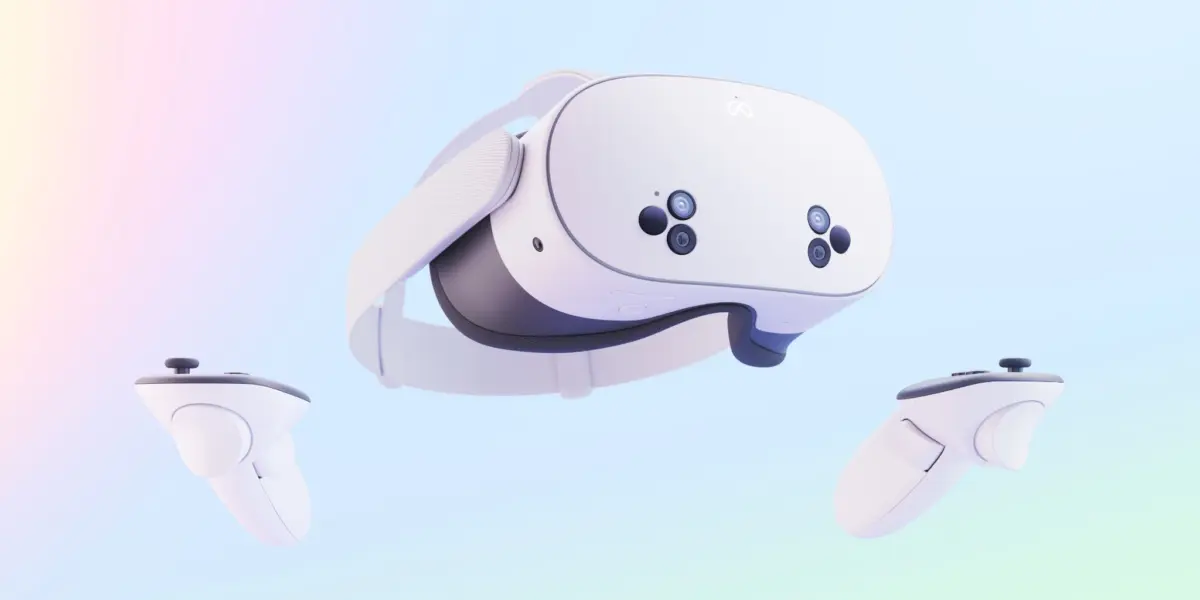
However, this reprieve comes with significant caveats. While Horizon Worlds will remain accessible on Meta Quest headsets for the foreseeable future, Meta is fundamentally shifting its strategic trajectory. Going forward, the company’s primary development and consumer energy will pivot sharply toward the mobile ecosystem and the Meta Horizon engine. Furthermore, VR users will no longer receive a steady stream of fresh, innovative content; the virtual reality iteration has essentially entered a phase of graceful maintenance rather than active expansion.
This pivot reflects a broader recalibration within the consumer technology sector as tech giants weigh the high costs of immersive hardware against the ubiquity and accessibility of smartphones. As Meta recalibrates its metaverse roadmap, competitors like Apple and Nvidia continue to carve out alternative paths for spatial computing, underscoring the shifting tectonic plates of the extended reality (XR) landscape.
Detailed Chronology: From Metaverse Ambitions to the Brink of Cancellation
To understand the weight of Meta’s recent reversal, one must trace the timeline of Horizon Worlds and the shifting corporate priorities that brought it to the precipice of oblivion.
The Genesis of a Virtual Vision (2021–2022)
Horizon Worlds officially launched in late 2021 for Meta Quest VR headsets, following a protracted beta phase known previously as Facebook Horizon. Pithed as a foundational pillar of the burgeoning metaverse—a term that dominated tech headlines following Facebook’s corporate rebranding to Meta in October 2021—the platform was designed as a user-generated virtual space where people could socialize, play games, and build digital environments.
Almost immediately, the platform faced intense scrutiny and public skepticism. Early critiques famously targeted the legless avatars of its users, technical limitations, and occasional safety concerns regarding harassment in virtual spaces. Despite massive financial outlays by Reality Labs—running into tens of billions of dollars—Horizon Worlds struggled to achieve the widespread, mainstream daily active user counts that executives had initially projected.
Recognizing the immense friction of requiring a dedicated VR headset for casual social interaction, Meta made a strategic pivot in April 2022 by announcing plans to bring Horizon Worlds to mobile devices and web browsers. This mobile expansion was engineered to lower the barrier to entry, allowing users without expensive headsets to access the metaverse ecosystem.
The Escalating Cost of Reality Labs and Internal Realignment (2023–2025)
Over the subsequent years, Meta faced intensifying pressure from shareholders and the broader financial market to rein in the astronomical operating losses of Reality Labs. As artificial intelligence emerged as the dominant tech trend of the mid-2020s, capital and engineering talent within Silicon Valley began to shift decisively away from speculative virtual worlds and toward large language models and generative AI infrastructure.
Throughout late 2024 and 2025, rumors circulated regarding the long-term viability of dedicated VR apps within Meta’s portfolio. With consumer and creator momentum visibly clustering around mobile platforms—where accessibility yields vastly superior user acquisition metrics—internal deliberations reportedly zeroed in on phasing out the costly, resource-heavy VR-native infrastructure of Horizon Worlds.
The Eleventh-Hour Reprieve (March 2026)
The tension culminated in March 2026 when industry reports indicated that Meta was actively preparing to sunset the VR version of Horizon Worlds. The news provoked immediate outcry from a core demographic of VR loyalists who had spent years cultivating communities, building worlds, and integrating the platform into their daily virtual routines.
Responding directly to this grassroots pushback, Andrew Bosworth took to Instagram to announce the policy shift. In an unvarnished admission, Bosworth revealed that the decision to keep the VR servers running was finalized "just today in fact," underscoring how fluid and reactionary corporate roadmaps can be when faced with dedicated consumer advocacy.
Supporting Context & Metrics: The Quest for Engagement and the Mobile Pivot
Meta’s decision to maintain Horizon Worlds on VR while starving it of new content highlights a complex balancing act between appeasing hardcore early adopters and chasing broader market realities.
The Physics of Platform Shift
The fundamental driver behind Meta’s strategic realignment is a metric as old as the internet itself: where the audience goes, the investment follows. According to Bosworth’s remarks, consumer and creator energy for Horizon Worlds has increasingly favored the mobile ecosystem.
- The Barrier to Entry: Headset adoption, while growing steadily thanks to hardware iterations like the Meta Quest 3 and the budget-friendly Quest 3S, still represents a niche market compared to the billions of active smartphones globally.
- The Creator Economy: Creators on the mobile iteration of Horizon Worlds have demonstrated higher retention and engagement rates, largely because distributing content to smartphone users eliminates the friction of hardware ownership.
- Technical Fragmentation: As Bosworth noted, specific legacy experiences—specifically those powered by the Horizon Unity runtime games—cannot easily or efficiently cross over to mobile architecture. Abandoning VR entirely would have meant instantly wiping out these native VR assets, alienating the exact enthusiast demographic that legitimized Meta’s hardware investments in the first place.
Hardware Ecosystem Dynamics
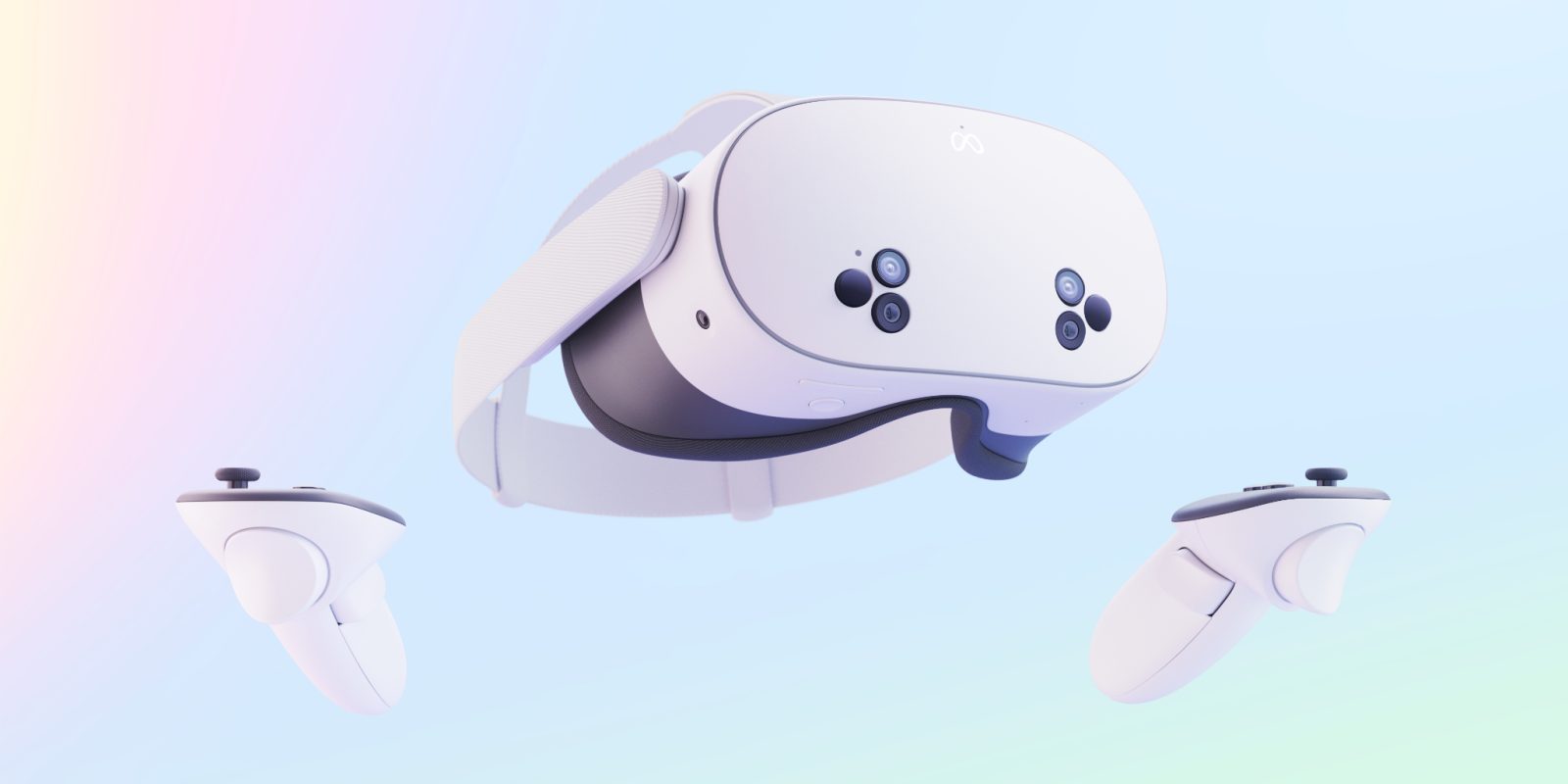
While Meta navigates the restructuring of its software ecosystem, its hardware business remains anchored by the Meta Quest line. Headsets such as the Quest 3 and Quest 3S continue to dominate the standalone VR hardware market, serving as the default entry point for immersive gaming and fitness applications.
However, the competitive landscape is rapidly evolving. The spatial computing market is no longer a one-horse race dominated solely by Meta’s affordable standalone units. Apple continues to push the envelope with the Apple Vision Pro, an ultra-high-end device targeting productivity, professional workflows, and cinematic media consumption.
Simultaneously, the software ecosystem surrounding rival headsets is experiencing dramatic enhancements. For instance, recent developments in visionOS 26.4 highlight how high-end computing is encroaching on spaces once thought exclusive to traditional desktop workstations. Partnerships—such as Nvidia bringing its CloudXR technology to the Vision Pro and unlocking support for advanced industrial and simulation software like Autodesk VRED, alongside the integration of world-class flight simulation software—demonstrate that spatial computing is maturing across multiple fronts. This forces Meta to carefully weigh whether it can afford to cede ground in immersive VR software, even as it pivots its social platforms toward mobile screens.
Official Statements: Inside Bosworth’s Instagram Announcement
The reversal regarding Horizon Worlds was communicated with a rare degree of conversational transparency by CTO Andrew Bosworth. Rather than issuing a formal press release or a polished corporate blog post, Bosworth utilized his personal Instagram stories during an AMA session to address the community directly.

"We have decided, just today in fact, that we will keep Horizon Worlds working in VR for existing games to support the fans who’ve reached out, like yourself, who really care about that. Those, the Horizon Unity runtime games, they’re not gonna work on mobile. They’ll just be working on VR.
We’re not bringing new games. Again, most of our energy is going towards mobile and the Meta Horizon engine there. The reason for that is because that’s where most of the consumer and creator energy already was, and so we’re kind of leaning into that. But yeah, you know, for people who already have games that they like that they’re using in Horizon Worlds, will be able to download the Horizon Worlds app and use it in VR for the foreseeable future."
Deconstructing the Corporate Messaging
Bosworth’s statement reveals several critical takeaways for industry observers and users alike:
- A Reactive Decision: The phrasing ("just today in fact") suggests that the internal debate went down to the wire. It underscores the tension between data-driven cost-cutting initiatives and human-driven brand loyalty within large tech conglomerates.
- Preservation Over Progress: By explicitly stating that Meta is "not bringing new games" to the VR version, Bosworth has categorized the platform’s VR presence as a legacy service. Existing worlds and Unity runtime games will be kept on life support, but the pipeline for innovation and fresh development has been permanently redirected.
- The Supremacy of the Mobile Engine: The explicit nod to the "Meta Horizon engine" on mobile signals where Meta’s engineering talent and marketing dollars are now concentrated. The company views the mobile smartphone user base as the true scalable frontier for its metaverse ambitions, treating VR hardware primarily as a specialized tool for dedicated enthusiasts rather than a mass-market social vehicle.
Future Outlook: What Next for Meta, VR, and the Metaverse?
As the dust settles on this last-minute reprieve, the long-term implications for Meta’s hardware and software strategy are coming into sharper focus.
The Trajectory of Meta Quest Headsets
For owners of Meta Quest hardware, the news is a mixed bag. On one hand, dedicated users of Horizon Worlds can breathe a sigh of relief knowing their virtual hangouts will not vanish overnight. On the other hand, the realization that Horizon Worlds on VR will no longer receive active content updates or new game deployments marks a distinct slowing of first-party social VR innovation.
However, gaming remains the undeniable lifeblood of the Meta Quest ecosystem. Third-party developers and indie studios continue to push the boundaries of standalone VR gaming, ensuring that the hardware retains its value proposition independent of Meta’s social metaverse software. The Quest 3 and its successors will undoubtedly remain staples of virtual reality entertainment, even as Meta’s corporate focus diversifies across artificial intelligence, smart glasses, and mobile-first virtual spaces.
The Broader Spatial Computing War
Meta’s pivot also reflects a broader industry maturity. The initial hype cycle of the "metaverse" as an all-encompassing, monolithic virtual reality destination has given way to a more pragmatic, fragmented reality.
- Mobile Augmented and Virtual Realities: Companies are recognizing that users often prefer the frictionless access of mobile devices for casual social interactions.
- High-End Spatial Computing: Meanwhile, premium headsets from Apple and enterprise-focused hardware providers are carving out lucrative niches in professional engineering, aviation simulation, remote collaboration, and high-fidelity gaming enabled by cloud rendering solutions like Nvidia’s CloudXR.
Conclusion
Meta’s decision to spare Horizon Worlds on VR from the chopping block is a testament to the vocal power of dedicated tech communities. Yet, it also marks the quiet end of an era. The grand, uncompromised VR-first metaverse envisioned years ago has yielded to economic realities and shifting user habits. While the servers will stay on for now, the future of Meta’s virtual world is undeniably mobile—leaving the VR headset space to evolve as a dedicated hub for gaming, productivity, and specialized immersive experiences rather than the universal digital town square Mark Zuckerberg once promised.






Belum ada komentar. Jadilah yang pertama berkomentar!