

Executive Overview
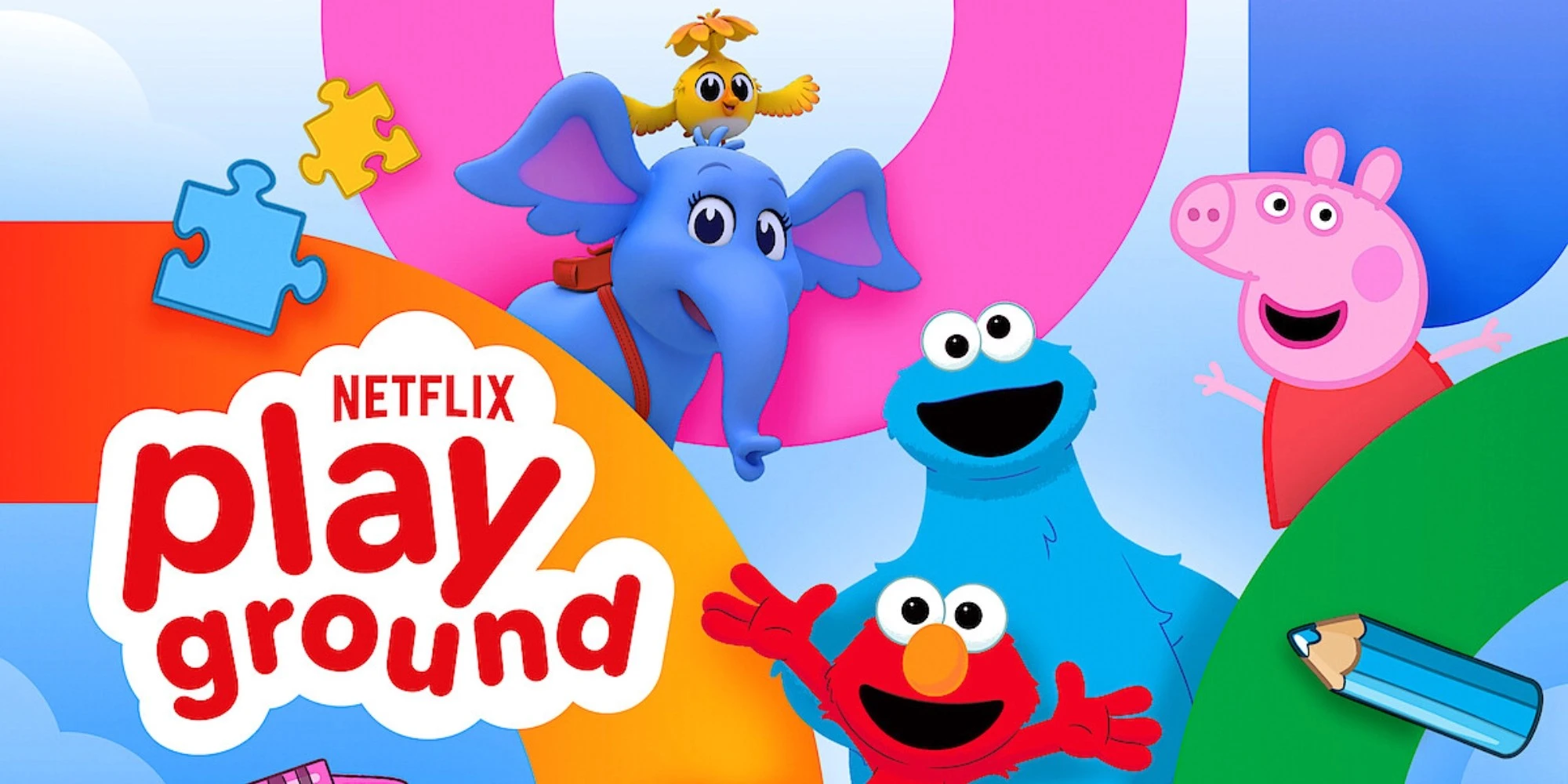
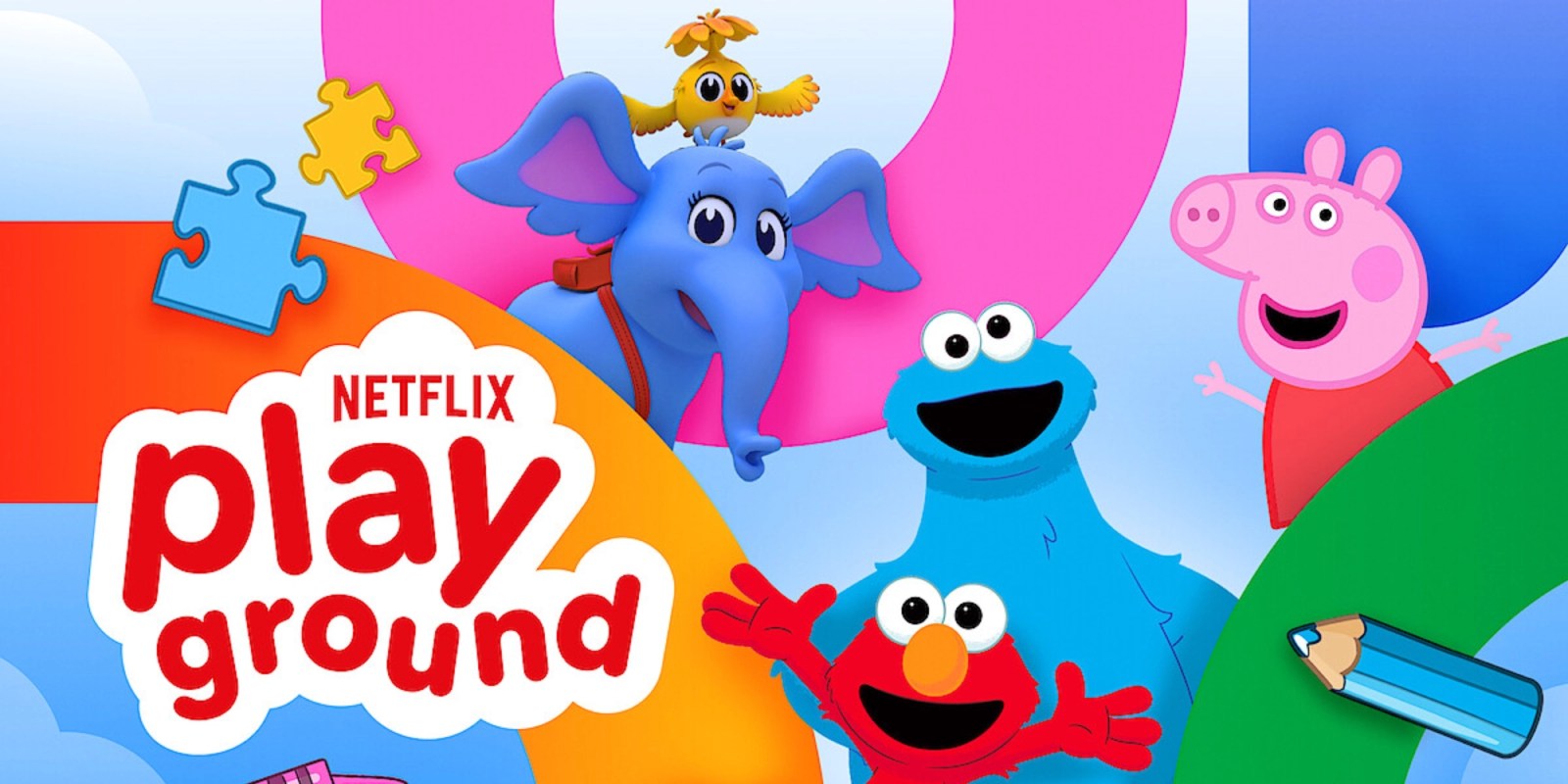
In a strategic maneuver that bridges the gap between streaming entertainment and interactive media, Netflix has officially launched a dedicated gaming hub for mobile devices: Netflix Playground. Available now on the Apple App Store for iPhone and iPad users, the new application represents a targeted push into the lucrative children’s digital entertainment market. Modelled after subscription services like Apple Arcade, Netflix Playground offers an entirely ad-free gaming environment completely devoid of in-app purchases, loot boxes, or unexpected microtransactions—a design choice heavily favored by parents and educators navigating the modern digital landscape.
At launch, the application introduces a curated selection of seven interactive mini-games featuring globally recognized characters and intellectual properties, including beloved franchises such as Peppa Pig, Sesame Street, and Dr. Seuss. Crucially, Netflix has confirmed that access to Netflix Playground requires no separate tier upgrade; the application and its current and future libraries are fully accessible across all standard subscription levels, including ad-supported tiers. By packaging these interactive experiences into a singular, standalone portal rather than burying them within the main streaming application, Netflix is actively streamlining the user experience for younger demographics while positioning its gaming wing as a primary household utility.
Detailed Chronology: The Evolution of Netflix Gaming
To understand the significance of the Netflix Playground release, one must trace the deliberate, highly calculated trajectory of Netflix’s expansion into the gaming sector over the past several years.
From Concept to Reality (2021–2023)
Netflix first signaled its departure from pure video streaming in late 2021, initially rolling out mobile games for Android and iOS devices exclusively through its core streaming app. Early offerings focused heavily on casual puzzle games and tie-ins to massive original franchises like Stranger Things. However, user engagement data quickly revealed a friction point: forcing users to navigate a massive video-centric interface to discover, download, and launch games was inefficient, particularly for younger audiences whose media consumption habits are distinct from adult viewers.
The Pivot Toward Dedicated Hubs (2024–2025)
Recognizing the limitations of its in-app gaming catalog, Netflix began experimenting with platform diversification. The company acquired several boutique game development studios, established internal AAA game development houses, and began exploring television-based play using smartphones as controllers. Yet, the mobile ecosystem remained the most viable channel for immediate mass adoption. Throughout 2025, industry analysts anticipated a move toward standalone applications that could better compete with dedicated storefronts like Google Play Pass and Apple Arcade.
The Arrival of Netflix Playground (April 2026)
The release of Netflix Playground marks the culmination of this multi-year iterative process. By isolating children’s content into a secure, purpose-built app, Netflix has solved multiple UX challenges at once. Parents no longer need to hand their devices over with the anxiety that a toddler might accidentally wander into mature video content or trigger unauthorized digital purchases. Instead, Netflix Playground establishes a walled garden of interactive edutainment, setting the stage for what industry watchers expect to be a broader family-of-apps strategy for the streaming giant.
Supporting Context & Metrics: The Economics of Kids’ Digital Media
The launch of Netflix Playground arrives at a critical juncture in the digital media economy, where user acquisition costs are rising and consumer patience for intrusive advertising—particularly in children’s media—is at an all-time low.
The Safety and Monetization Paradox
For years, the mobile kids’ gaming market has been plagued by aggressive monetization tactics. Free-to-play titles frequently leverage psychological pressure points to induce children into making microtransactions, while programmatic advertising introduces privacy risks and disruptive commercial breaks. By mirroring the Apple Arcade model—flat-fee subscription access with zero additional costs—Netflix is capitalizing on parental demand for clean, secure screen time.

Market research indicates that households with children represent one of the most stable subscription retention cohorts for streaming services. By bundling high-value interactive content into existing subscription fees, Netflix strengthens its value proposition against fierce competitors like Disney+, Amazon Prime Video, and Apple TV+.
Technological Architecture and Offline Utility
From a technical standpoint, Netflix Playground has been optimized for modern iOS and iPadOS hardware. The application leverages individual asset management, allowing users to download specific mini-games on a à la carte basis within the overarching hub. This architecture prevents unnecessary device storage bloat—a common pain point on mobile devices used by families.
Furthermore, once a mini-game is downloaded locally to an iPhone or iPad, it becomes fully playable offline. This feature addresses a vital consumer demand: uninterrupted entertainment during travel, flights, or areas with limited cellular connectivity, effectively insulating the viewing (and playing) experience from network fluctuations.
Official Statements and Launch Lineup
While Netflix has maintained a disciplined corporate communications strategy regarding its long-term gaming revenue goals, company executives and creative partners have emphasized the pedagogical and recreational value of the new platform.

The Launch Catalog
At its debut, Netflix Playground features seven distinct mini-games designed specifically to appeal to preschool and early-elementary demographics:
- Peppa Pig Adventures – Interactive story-driven tasks encouraging cooperative play and basic logic.
- Sesame Street Neighborhood Explorer – Foundational learning games focusing on letters, numbers, and social-emotional development.
- Dr. Seuss Rhyme Time – Literacy-focused mini-games utilizing rhythmic language and visual matching.
- Additional Launch Titles – Four supplementary experiential titles centered on classic educational and creative play frameworks.
The Immediate Roadmap
Netflix has already confirmed an aggressive expansion schedule for the remainder of the calendar year. Upcoming titles slated for integration into Netflix Playground include interactive experiences tied to major global properties:
- Gabby’s Dollhouse
- KPop Demon Hunters
- PJ Masks
- My Little Pony
- PAW Patrol
In official statements released alongside the launch, Netflix representatives reiterated that the platform’s overarching philosophy remains rooted in accessibility. Whether a subscriber is utilizing the foundational ad-supported tier or the highest-tier premium plan, the keys to the Playground are included natively in the membership price.
Future Outlook: What Netflix Playground Means for the Industry
The introduction of a dedicated, child-centric gaming hub by a dominant streaming player like Netflix signals broader shifts in how media conglomerates view ecosystem retention. As the streaming wars mature and subscriber growth slows in saturated Western markets, differentiation through ancillary services has become paramount.

Pressure on Competitors
The move puts immediate pressure on rival streaming services that have historically lagged behind in interactive media integration. While Disney possesses an unmatched vault of intellectual property suitable for interactive adaptations, its gaming strategy has largely relied on external licensing rather than direct, subscription-bundled publishing. Netflix’s ability to seamlessly bundle television shows, movies, and now dedicated apps like Netflix Playground under a single monthly bill creates a formidable ecosystem lock-in.
The Next Frontier: Cross-Platform Play and Beyond
Looking forward, industry analysts are already speculating on the evolution of Netflix Playground. Could the app eventually migrate to connected TV operating systems, transforming smart TVs and streaming sticks into casual gaming consoles for families? Will educational metrics and parental control dashboards be expanded to provide detailed progress reports on a child’s learning milestones within the app?
While Netflix has yet to formally detail such features, the foundational architecture of Netflix Playground suggests a scalable framework. By removing monetization friction and prioritizing beloved characters in safe digital environments, Netflix has transformed its gaming initiative from an experimental side-project into a core pillar of its long-term entertainment ecosystem. For parents navigating the chaotic waters of modern app stores, Netflix Playground offers a welcome, frictionless harbor—and for Netflix, it may well prove to be the ultimate retention tool.







Belum ada komentar. Jadilah yang pertama berkomentar!