

The long-dormant Fable franchise, once a crown jewel of the Xbox ecosystem under the visionary direction of Peter Molyneux and Lionhead Studios, is preparing for a modern-day resurrection. With a locked-in launch date of February 23, 2027, anticipation and scrutiny have reached fever pitch. Developed by Playground Games—the acclaimed studio behind the Forza Horizon series—this upcoming reboot represents one of Microsoft’s most high-stakes gambles this console generation.
As part of Xbox’s 25th-anniversary celebrations, the publisher recently unleashed a comprehensive four-minute gameplay trailer. Designed to demonstrate the mechanical depth, narrative scope, and visual fidelity of the reimagined world of Albion, the footage offered an unfiltered look at what players can expect when they finally step back into the British-humor-infused fantasy realm. The video highlighted a balanced mix of cinematic storytelling, character interaction, user interface (UI) design, and traditional action-RPG combat, spanning melee, ranged, and arcane disciplines.
Yet, the debut of this extended gameplay footage has sparked a polarized debate within the gaming community. While casual viewers on platforms like YouTube have expressed excitement, long-term fans and dedicated PC gaming communities have raised critical questions. The central point of contention revolves around tone: whereas past entries—particularly Fable II and Fable III—were celebrated for their vibrant palettes, whimsical British eccentricities, and flamboyant visual identities, the new footage paints a remarkably grim, washed-out, and conventional picture.
As we sit just three months away from the anticipated release date, this piece will comprehensively examine the mechanics shown in the latest showcase, evaluate the stylistic departure from franchise roots, contextualize the immense pressure facing Playground Games, and analyze what this means for the future of the beloved role-playing series.
Detailed Chronology: The Long, Tortuous Road to the Fable Reboot
To truly understand the weight of the February 2027 release window, one must look back at the arduous development cycle that brought this franchise back from the dead. The timeline of the Fable reboot is a textbook example of modern triple-A game development plagued by studio closures, changing industry trends, and massive creative pivots.
The Lionhead Era and the Dark Years (2010–2016)
Following the release of Fable III in 2010, the franchise entered a period of creative drift. Lionhead Studios attempted to pivot the series into various spin-offs, including the Kinect-focused rail shooter Fable: The Journey and the cooperative multiplayer project Fable Legends. Unfortunately, Fable Legends suffered through a troubled, protracted development cycle. In 2016, amidst a corporate restructuring and shifting strategic priorities under Xbox leadership, Microsoft abruptly cancelled Fable Legends and shuttered Lionhead Studios entirely. For years, fans mourned what they believed was the permanent death of Albion.
Rumors, Whispers, and the Playground Takeover (2017–2020)
Rumors regarding a potential revival began circulating around 2017 and 2018, fueled by industry insiders hinting that Microsoft was eager to leverage its dormant intellectual properties. The official confirmation finally arrived during the Xbox Games Showcase in July 2020, where a brief, cinematic teaser trailer confirmed that Playground Games—renowned for their mastery of open-world engineering through the Forza Horizon franchise—was spearheading a full-fledged, high-budget Fable reboot.
The Radio Silence and Slow Reveal (2021–2025)
For several years following the announcement, details trickled out at a glacial pace. Playground Games, while technically proficient, was venturing outside its traditional driving-genre comfort zone for the first time, leading to a prolonged incubation period. Cinematic trailers dropped intermittently at subsequent Xbox showcases, teasing the game’s signature comedic tone—epitomized by a giant devouring a fairy—and confirming that the studio was retaining the series’ characteristic irreverence. However, actual gameplay remained elusive, leaving fans to speculate on whether the mechanics would honor the classic moral-alignment systems and real-time social interactions of the originals.
The 25th Anniversary Showcase and the Final Stretch (2026–Present)
As Xbox celebrated its quarter-century milestone in late 2026, Microsoft finally lifted the curtain on real, unedited quest gameplay. Dropping a four-minute deep dive into the corrupted landscapes of Deepwood, the publisher hoped to reassure fans that development was on track for its newly minted February 23, 2027 release date. With pre-orders now live on Steam and digital storefronts, the marketing machine is operating at maximum velocity, even as the community processes the stark aesthetic choices revealed in the latest footage.
Supporting Context & Metrics: Unpacking the Deepwood Quest Showcase
The core of the recent controversy stems from the specific slice of gameplay showcased by Xbox. Titled around a localized mission, the video provides crucial technical and design metrics regarding how Playground Games is structuring modern role-playing mechanics within the Fable universe.
Narrative Setup: The Hero of Briar Hill and Arden
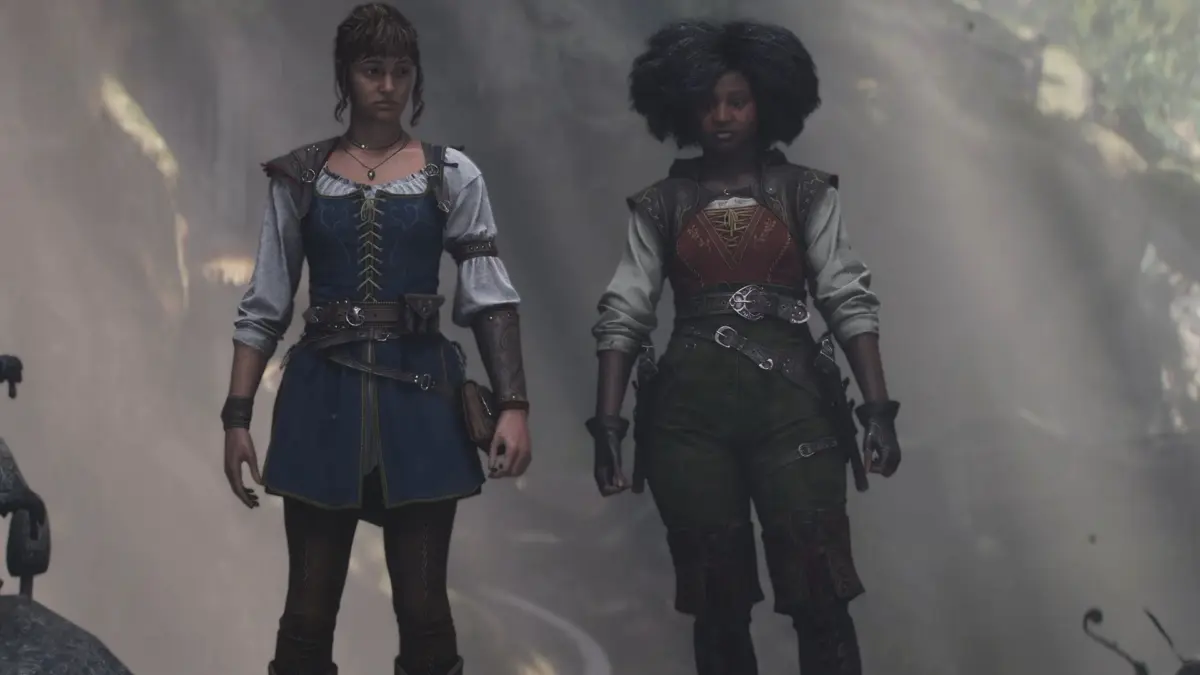
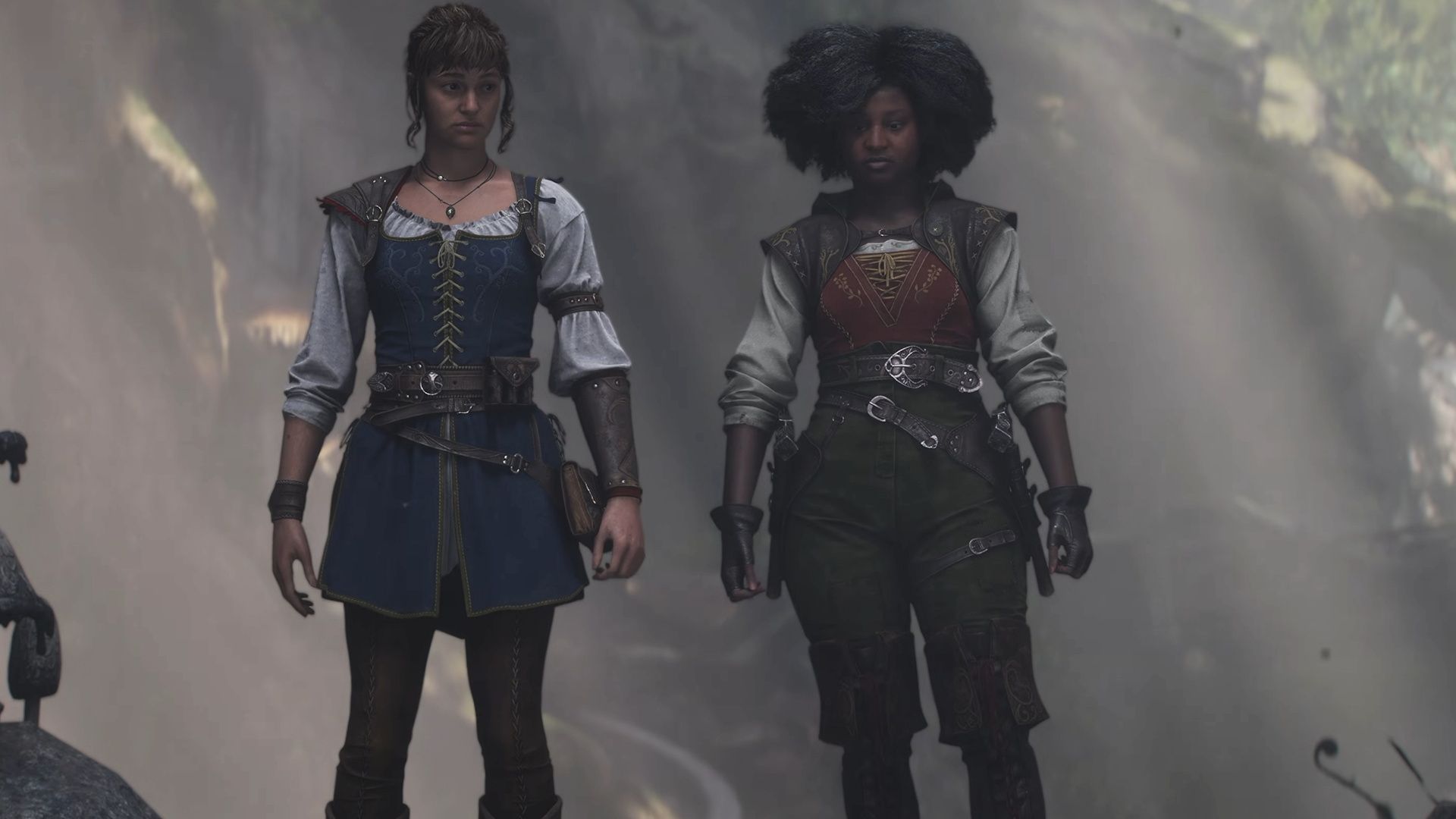
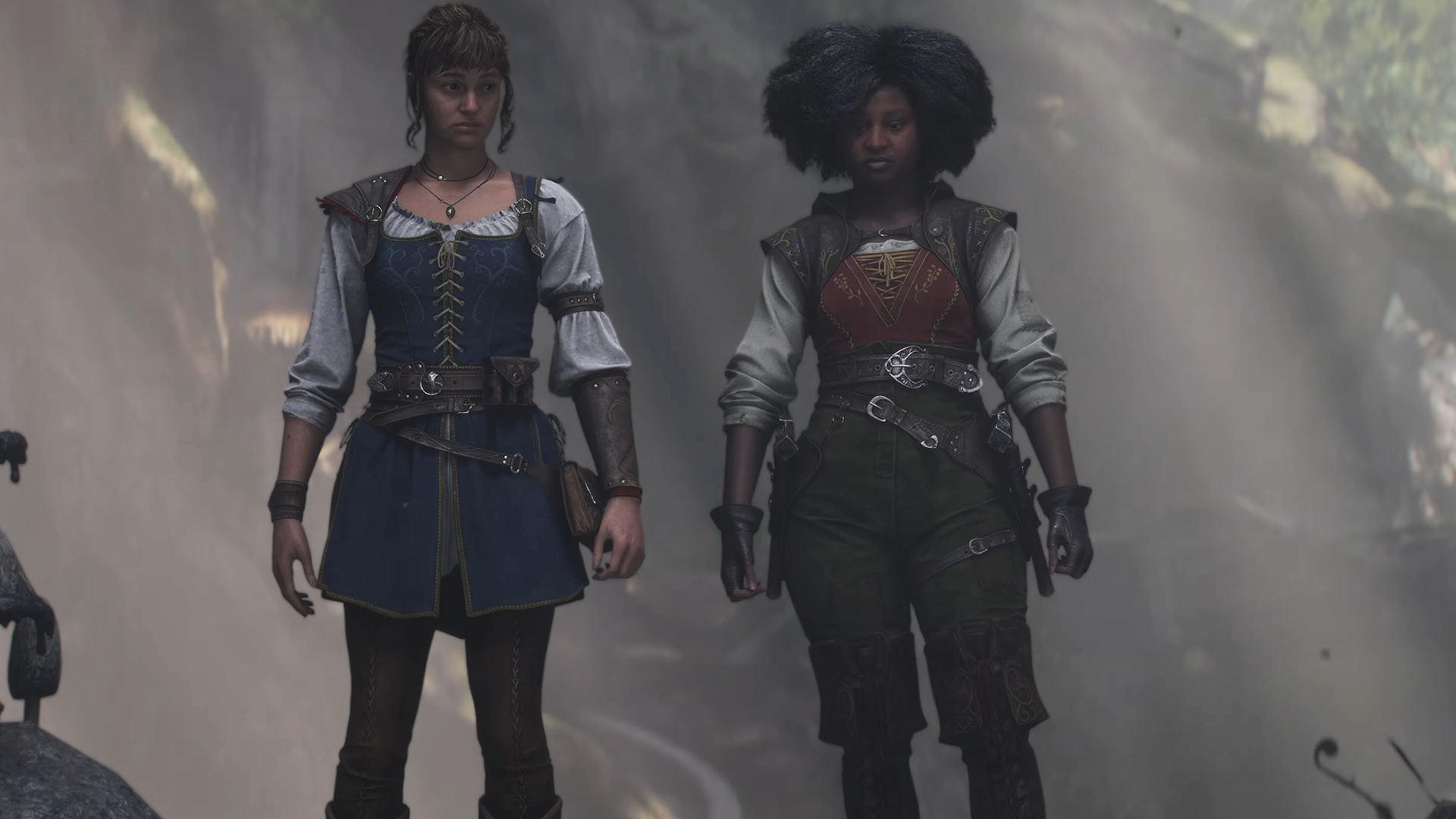
According to the official YouTube listing provided by Xbox, the quest focuses on the "Hero of Briar Hill," who has ventured into the shadowy depths of Deepwood alongside a local Hero named Arden. Their objective: investigate a series of strange magical disturbances plaguing the citizens of Oakshire. Upon arrival, the heroes cross a threshold where the natural, organic magic of Deepwood has been grotesquely warped by an outside, malevolent force.
This quest structure appears to retain the classic Fable DNA of localized heroism, where players act as legendary mercenaries or protectors dealing with the eccentric, often dangerous supernatural anomalies of rural Albion.
Mechanical Breakdown: Combat, UI, and Exploration
The four-minute vertical slice offered a comprehensive look at the game’s systems in action:
- Real-Time Combat Trinity: Players witnessed fluid transitions between melee weapon strikes (swords and heavy hammers), ranged projectile combat (crossbows and flintlock-style firearms), and flashy magical casting. The combat pacing appears noticeably faster and more responsive than the rigid, timing-based inputs of the original Xbox trilogy.
- User Interface (UI): The newly unveiled UI leans toward a sleek, minimalist aesthetic, stripping away excessive clutter while retaining essential health, magic, and quest-tracking elements.
- Cinematic Integration: The video seamlessly transitioned between dialogue trees, scripted cinematic moments, and free-roaming exploration, indicating that Playground is investing heavily in narrative immersion.
Technical Performance and Engine Capabilities
Built using an evolution of Playground Games’ proprietary engine technology (traditionally optimized for the massive, dynamic open worlds of Forza Horizon), the visual fidelity on display is undeniably impressive. High-resolution textures, intricate lighting systems, and dense volumetric fog create an atmospheric sense of place. However, this technical prowess is precisely what has divided the fanbase.
Official Statements & Community Reactions: A Divided Fanbase
The reception to the four-minute gameplay deep dive has exposed a fascinating schism within the gaming community, highlighting the perils of reviving a beloved retro franchise for a modern audience.
The YouTube Optimism vs. Reddit Skepticism
On YouTube and official Xbox channels, the overall sentiment leans positive. Casual viewers and modern gamers praised the smooth combat animations, high production values, and the atmospheric weight of the world design.
Conversely, communities on Reddit—most notably the PC Gaming subreddit—exhibited a much more subdued, critical response. Multiple highly-upvoted threads and comments argued that the footage simply "doesn’t look like Fable."
The Tone Debate: Vibrant Whimsy vs. Grim Realism
The heart of the community friction lies in the tonal shift. Critics pointed out that while Fable III and its predecessors may have faced mechanical criticisms, they were universally defined by their bright, saturated color palettes, exuberant British charm, fairytale aesthetics, and satirical exaggeration.
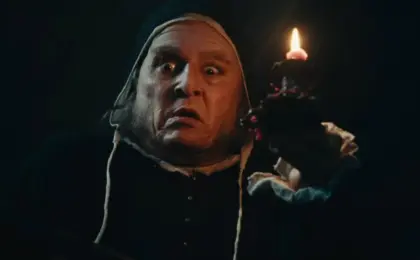
By contrast, the Deepwood quest gameplay revealed a world that feels "downright grim and conventional." The muted greens and browns, moody lighting, and serious character archetypes evoke comparisons to standard dark fantasy properties like The Witcher or Dragon Age rather than the whimsical, satirical storybook world of Albion.
[Classic Fable Era]                 [Modern Reboot Era]
- Vibrant, saturated colors        - Muted, realistic color palette
- Exuberant British whimsy         - Grim, atmospheric tone
- Satirical, fairytale aesthetic   - Conventional dark fantasy look
As industry commentators have noted, while a four-minute vertical slice cannot possibly tell the entire story of a massive open-world RPG, choosing this specific slice to represent the game during Xbox’s landmark 25th-anniversary celebration sends a deliberate message about the studio’s artistic direction. For purists longing for the colorful absurdity of Bowerstone, the current presentation feels somewhat flat.
Future Outlook: What to Expect Before February 23, 2027
As the countdown to the February 23, 2027 launch continues, Playground Games and Xbox face a delicate balancing act. With only three months left on the development clock—barring any unforeseen eleventh-hour delays—the core identity of the game is effectively locked in.
Pre-Purchase and Platform Availability
For PC gamers eager to dive into Albion regardless of the tonal shifts, pre-purchasing is officially live on Steam. Given Playground Games’ historical pedigree with PC optimization through the Forza franchise, expectations are high for a stable, highly configurable PC port featuring ultrawide support, unlocked frame rates, and advanced ray-tracing options.
The Final Marketing Push
Over the next twelve weeks, industry watchers can expect a steady ramp-up in marketing materials. To alleviate the concerns of skeptical fans, Xbox will likely need to release additional deep dives focusing on elements that made the original series famous:
- The Morality System: How do player choices impact character physical appearance (horns, halos, flies) and world reactivity?
- Real Estate and Social Systems: Can players still buy property, marry NPCs, and influence local economies?
- Humor and Satire: Will the finished game retain the sharp, self-deprecating British wit written by writers like those at Lionhead, or has it been sanded down into generic fantasy tropes?
The Verdict Awaits
Ultimately, whether Playground Games has successfully modernized Fable or lost its soul in pursuit of grim realism will be answered when players get their hands on the full game this February. Until then, the debate over Deepwood, Oakshire, and the soul of Albion remains one of the most compelling narratives in modern gaming journalism.






Belum ada komentar. Jadilah yang pertama berkomentar!