

Executive Overview
The video game industry continues to reel from an unprecedented, prolonged wave of structural upheaval. What began as a shockwave of widespread layoffs and studio closures in 2023 has settled into a grinding, permanent crisis characterized by continuous corporate restructuring, mass redundancies, and cancelled projects. Far from subsiding, this instability has become an endemic feature of the modern games business, battering developers across North America and Western Europe.
Driven by volatile global economic forces, aggressive corporate maneuvering, shifting private capital markets, and the relentless pressure of bottom-line-obsessed shareholders, the human cost of this crisis has been staggering. Tens of thousands of skilled professionals have lost their jobs since 2023. Recent developments at prominent studios—including Supermassive Games, Ninja Theory, and The Coalition—demonstrate that even critically acclaimed developers, working on massive intellectual properties under the banners of trillion-dollar tech conglomerates, are no longer safe.
Compounding these immediate workforce reductions are longer-term systemic threats. Industry veterans are now openly predicting geographic shifts in development pipelines, as major publishers seek out lower operating costs in Eastern Europe, Asia, and other emerging markets. For the thousands of game developers weathering this storm, the modern industry has transformed from a passion-driven career into a landscape of chronic precarity.
Detailed Chronology: How the Crisis Unfolded Across Major Studios
To understand the current state of affairs, one must examine the timeline of distress across some of the industry’s most recognizable names over recent months.
Supermassive Games: The Promise and Peril of Post-Launch Cuts
In August, merely three months following the commercial release of Directive 8020, UK-based narrative horror specialist Supermassive Games issued a stark statement warning that up to 75 of its employees were at risk of redundancy. By the end of the statutory consultation period, those warnings materialized into reality.

Reports from former employees and industry trackers confirmed that virtually all staff flagged during the risk assessment phase were let go. Frank Tindle, the studio’s IT and facilities director who spent 16 years at Supermassive, captured the emotional and professional toll on LinkedIn: "More than 70 brilliant people are leaving Supermassive: developers, artists, producers, QA, operations and more. Any studio would be lucky to have them." The swift pivot from launching a major title to executing deep cuts highlights the precarious short-termism plaguing mid-to-high-tier game development.
Ninja Theory: From Summer Game Fest Spotlight to Imminent Closure
The tragedy of Ninja Theory encapsulates the erratic whims of corporate ownership. In June, reports surfaced that Microsoft was actively exploring options to either sell off or shutter the Cambridge-based studio—famed for Hellblade: Senua’s Sacrifice and Senua’s Saga: Hellblade II—even as the company heavily promoted the studio’s upcoming projects at summer showcases.
By July, amidst Microsoft’s sprawling corporate restructuring (colloquially dubbed the "Xbox Reset"), rumors suggested a buyer had been found. However, those hopes were dashed in September when two separate attempts to divest the studio fell through entirely. Faced with failed sales, Microsoft shifted its strategy toward outright closure.
Over the subsequent weeks, developers at the studio began sharing news of their job losses on professional networks. Because Ninja Theory is based in the United Kingdom, employees were subjected to a legally mandated consultation period—a bureaucratic formality that, in practice, serves as an agonizing prelude to termination. Gameplay programmer Katrin Mair encapsulated the heartbreak of the studio’s demise: "It’s incredibly sad knowing that we won’t get to finish what we were working on. So much care, talent and effort went into it, and I really wish we’d had the chance to see what it could have become."
The Coalition: Anxiety in the Shadow of Gears of War: E-Day
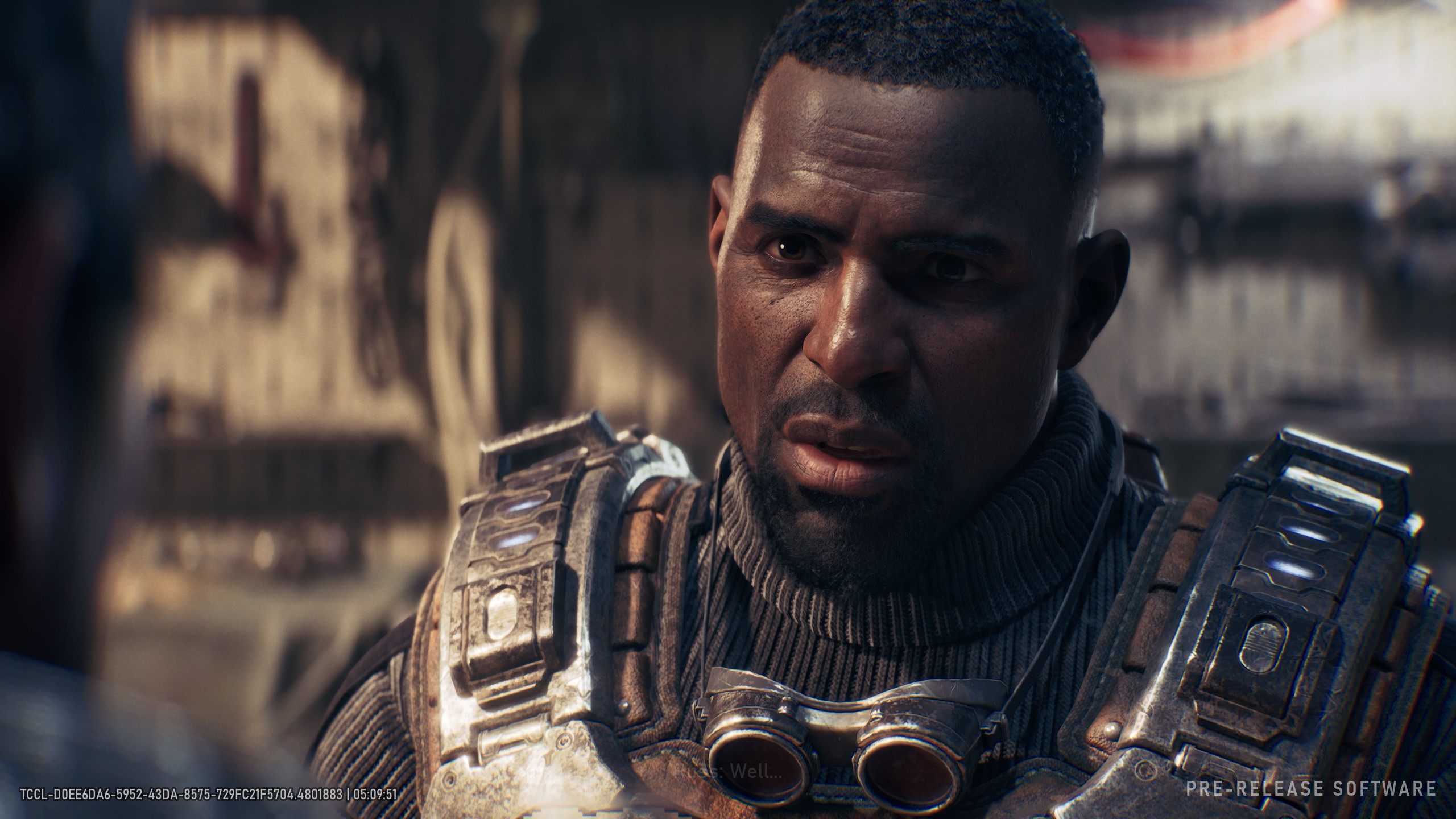
Perhaps no situation better illustrates the psychological wear-and-tear on modern developers than the internal climate at The Coalition. Tasked with steering Microsoft’s prestigious Gears of War franchise, developers working on Gears of War: E-Day should theoretically be basking in the creative satisfaction of a major franchise return. Instead, the studio has been gripped by profound anxiety.

According to reports from sources within the studio, confidence in long-term stability has evaporated. That fear crystallized in September when Juan Vaca, the story director for Gears of War: E-Day, was laid off alongside other team members just weeks prior to the game’s anticipated rollout.
"We honestly expected the layoffs to hit us post-release, but that seems to not matter now," one anonymous source revealed to gaming journalists. "Now we’re just expecting the next wave, or being reorganized under Activision or something later this year."
Compounding this distress is the looming controversy over performance bonuses. Payouts tied to critical reception metrics like Metacritic scores are reportedly contingent on employees remaining on the payroll when bonuses are distributed—a milestone scheduled for late October. Current staff have voiced deep suspicions that Microsoft might orchestrate pre-emptive cuts precisely to sidestep these contractual financial obligations, further eroding trust between floor-level developers and corporate leadership.
Supporting Context & Metrics: The Scale of the Industry Downturn
The isolated tragedies at Supermassive, Ninja Theory, and The Coalition are not anomalies; they are symptoms of a systemic contraction across the global technology and entertainment sectors.
- The Numbers: Since the beginning of 2023, independent trackers estimate that upwards of 16,000 to 20,000 games industry professionals have lost their jobs. The cuts span every discipline, from junior QA testers and entry-level level designers to veteran studio directors and administrative staff.
- Economic Pressures: The post-pandemic correction caught many publishers off-guard. During the COVID-19 lockdowns, gaming consumption skyrocketed, leading to over-hiring, inflated valuations, and greenlit projects that assumed perpetual growth. When interest rates rose and consumer spending normalized, venture capital tightened, and publicly traded parent companies began aggressively trimming fat to appease Wall Street.
- The Xbox Restructuring: Microsoft’s multi-billion-dollar acquisitions—most notably the massive purchase of Activision Blizzard—prompted sweeping internal reorganizations. In successive waves of layoffs, the tech giant has shuttered storied internal teams (such as Tango Gameworks and Arkane Austin), downsized divisions, and consolidated publishing pipelines, leaving hundreds of developers stranded.
- The Geographic Divide: While Western markets experience intense contraction, development models are evolving. Major publishers are increasingly scrutinizing ballooning budgets in high-cost regions like North America, Western Europe, and the UK, setting the stage for structural relocation.
Official Statements & Industry Reaction
Corporate messaging surrounding these layoffs typically follows a familiar, sterile playbook: pointing to shifting market dynamics, strategic alignment, and the need to ensure long-term business health. However, the disconnect between executive justifications and the human cost on the ground has drawn fierce criticism from labor advocates, unions, and veteran developers alike.

When Microsoft executed its broad summer and autumn reductions, corporate leadership emphasized a focus on high-priority portfolios and portfolio optimization. Yet, these explanations offer little comfort to workers who find themselves unemployed weeks before shipping a major title or receiving earned performance bonuses.
Meanwhile, industry leaders outside the corporate umbrella have begun issuing stark warnings about the future trajectory of the business. Speaking on the broader economic pressures facing game development, Warhorse Studios co-founder Martin Klima offered a sobering prediction regarding the relentless escalation of production costs:
"Efforts to reduce the cost of game development—or at least rein them in a bit—could lead studios to move their operations to countries that are cheaper… maybe Central and Eastern Europe, maybe China, maybe India, maybe East Asia in general."
While a potential boon for developers in emerging technological hubs, Klima’s observation spells further uncertainty for workers in Western markets. Navigating an environment plagued by rising living costs, the looming shadow of generative artificial intelligence, and corporate boards fixated on short-term quarterly returns, Western developers face an increasingly hostile employment landscape.
Future Outlook: Navigating an Uncertain Horizon
As the video game industry pushes through the latter half of the decade, the path forward remains fraught with instability. Several critical trends are poised to shape the immediate future of game development:
- Rise of Independent and Collective Studios: As major corporate publishers consolidate and shed headcount, many displaced developers are banding together to form smaller, independent studios. While these agile teams offer greater creative freedom, they must navigate a hostile funding environment where venture capital remains exceedingly cautious.
- Unionization and Labor Movements: The sheer volume of layoffs has catalyzed a historic push toward unionization within the games industry. Organizations like the Communications Workers of America (CWA) and Game Workers United continue to make strides in organizing workers, aiming to secure severance protections, transparent layoff procedures, and a voice in corporate restructuring.
- Geographic Redistribution of Talent: As predicted by industry veterans like Martin Klima, major multinational publishers may accelerate the outsourcing of labor to lower-cost regions. This geographic decentralization could fundamentally alter where blockbuster games are built, transforming development hubs across Asia and Eastern Europe into dominant industry powerhouses.
- The Toll on Creativity: Beyond the human cost to developers and their families, continuous restructuring poses a grave threat to creative innovation. When studios live in constant fear of closure or sudden layoffs, risk-taking behavior evaporates. Safe sequels, live-service pivots, and conservative project approvals risk replacing the bold, visionary game design that historically defined the medium.
Ultimately, until the video game industry establishes sustainable financial models that prioritize workforce stability over unbridled, speculative growth, the specter of layoffs and studio closures will continue to hang over the heads of the people who build the games we love.








Belum ada komentar. Jadilah yang pertama berkomentar!