

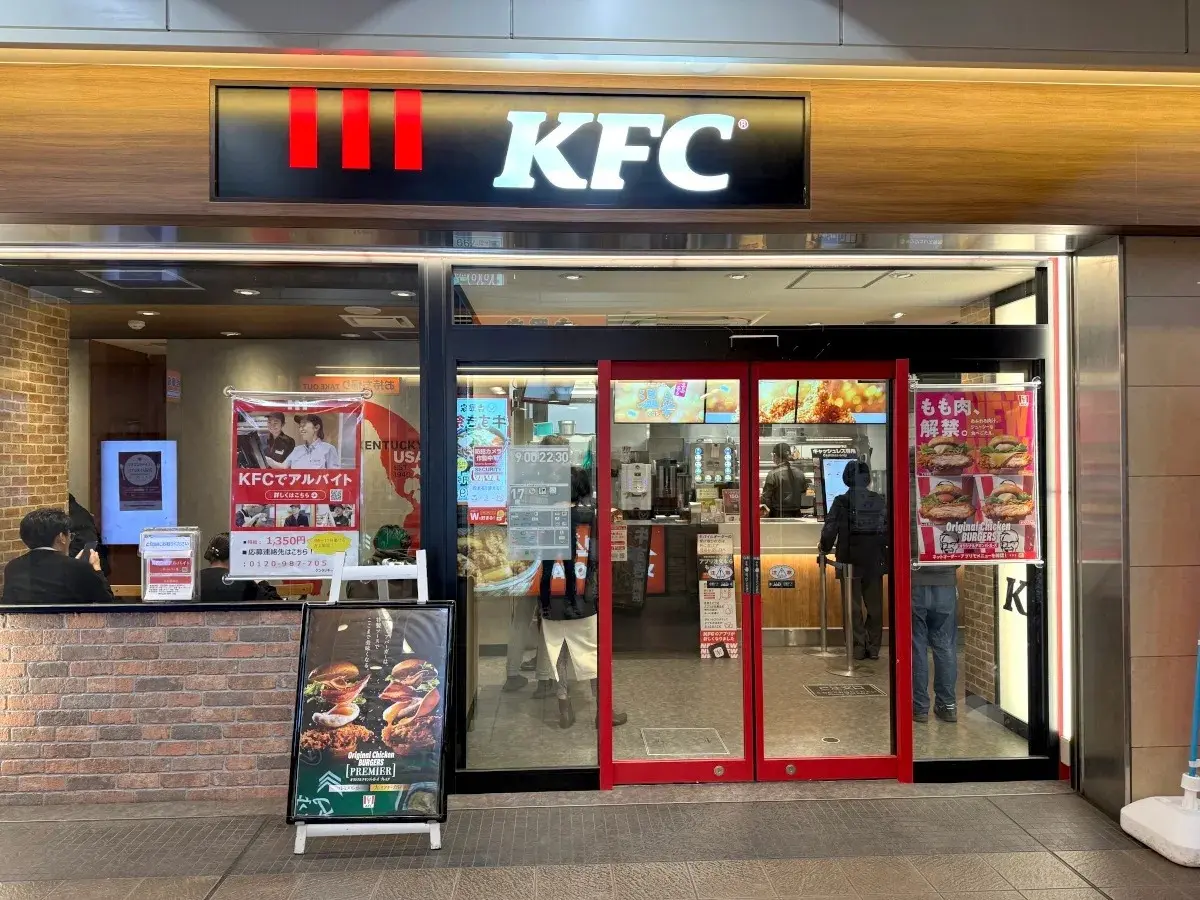
In the ever-evolving landscape of global fast-food localization, few markets match the cultural integration and inventive prowess of Japan. Global brands entering the Japanese archipelagic consumer sphere routinely adapt their core identities to align with local palates, aesthetics, and lifestyle requirements. Familiar giants such as McDonald’s (affectionately dubbed Makku in the east and Makudo in the west) and Starbucks (Sutaba) have long since transcended their American origins to become deeply embedded facets of Japanese domestic culinary culture.
Now, Kentucky Fried Chicken (KFC)—locally abbreviated and warmly referred to as Kenta (derived from Kentakki)—is pushing the envelope of localized fusion once more. The historic poultry titan has unveiled its newest Japan-exclusive innovation: the Kenta Rice Box.
Marketed as a revolutionary meal designed to be enjoyed with chopsticks, the Kenta Rice Box upends decades of Western fast-food conditioning. For generations, the quintessential KFC experience has been defined by the tactile, hands-on consumption of its legendary "finger-lickin’ good" Original Recipe fried chicken. The introduction of a chopstick-ready rice bowl represents a profound philosophical pivot. It marries the company’s proprietary blend of eleven herbs and spices with traditional Japanese comfort food elements, specifically takikomi gohan (seasoned seasoned rice cooked in broth) and savory-sweet teriyaki glaze.

Currently undergoing a targeted rollout across select metropolitan hubs, this culinary experiment offers a fascinating glimpse into how global franchises continue to court local demographics. This investigative report examines the genesis, composition, sensory profile, logistical hurdles, and broader market implications of the Kenta Rice Box.
Detailed Chronology & Field Investigation
The journey from concept to consumer began quietly as KFC Japan laid the groundwork for an autumn menu shift aimed at office workers, urban commuters, and rice-preferring lunch crowds. On October 28, corporate releases outlined the initial test market parameters, setting the stage for a limited launch across key urban prefectures. By mid-November, the product hit shelves in select outlets across Tokyo, Kanagawa, Saitama, Chiba, Osaka, and Hyogo.
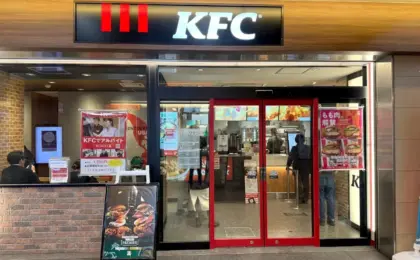
To understand how this unorthodox offering performs in the real world, a field team ventured into a bustling downtown Tokyo branch to conduct a firsthand taste test and operational audit.

Pricing and Availability Architecture
Navigating the rollout requires an understanding of regional pricing tiers. While baseline pricing for the Kenta Rice Box starts at an affordable 690 yen (approximately $4.35 USD) in outlying regions, downtown metropolitan overhead pushed the standalone price at our test location to 740 yen. For consumers seeking a complete meal, a combo option paired with a refreshing beverage was available at 930 yen.
Despite its limited-release status—restricted to specific stores across six major prefectures—the urban Tokyo branch ensured accessibility for curious food enthusiasts eager to evaluate whether the marriage of traditional fried chicken and seasoned rice could genuinely succeed outside the realm of novelty.
Unboxing the Anatomy of the Kenta Rice Box
Lifting the packaging flaps reveals a meticulously layered composition designed to balance textures, temperatures, and flavor profiles.

- The Protein Layer: At the apex sit bite-sized pieces of boneless fried chicken. Crucially, KFC has not abandoned its roots; this is authentic Original Recipe chicken, preserving the familiar, complex international blend of herbs and spices. However, the chicken is generously slathered in a rich teriyaki sauce, introducing an instant wave of sweet and savory umami that bridges American fast-food heritage with traditional Japanese seasoning.
- The Crunch Buffer: Directly beneath the glazed chicken lies a bed of finely shredded cabbage. This strategic intermediate layer serves a dual purpose: it introduces a crisp, refreshing textural contrast to the soft chicken and dense rice, while functioning as a moisture barrier to keep the lower strata from becoming overly soggy.
- The Foundation (Takikomi Gohan): Resting at the bottom of the vessel is the culinary anchor of the dish. This is no ordinary plain white rice. It is takikomi gohan, a beloved Japanese style of seasoned rice where grains are cooked alongside various broths, vegetables, or meats so that the flavor permeates every single grain during the steaming process. True to the chicken motif, KFC Japan prepares its takikomi gohan using a savory chicken broth base.
Supporting Context & Metrics
To fully appreciate the significance of the Kenta Rice Box, one must examine the broader economic and cultural backdrop of fast-food localization in Japan.
The Economics of Localization
Global fast-food chains operating in Japan face a fiercely competitive market characterized by high consumer expectations regarding quality, convenience, and novelty. According to recent food service industry data, international brands generate upwards of 30% of their annual revenue in Japan through limited-time offerings (LTOs) and regional adaptations.
| Metric / Parameter | Details |
|---|---|
| Base Price Range | 690 yen – 740 yen (US$4.35 – $4.68) |
| Combo Price (with drink) | 930 yen (US$5.88) |
| Geographic Rollout | Select branches in Tokyo, Kanagawa, Saitama, Chiba, Osaka, and Hyogo |
| Core Carbohydrate | Chicken-broth infused takikomi gohan |
| Primary Condiments | Teriyaki glaze, shredded cabbage |
While traditional bucket meals remain a staple—especially during the iconic Christmas holiday season when KFC is a national phenomenon in Japan—weekday lunch traffic demands quicker, cleaner, desk-friendly dining formats. The Rice Box category represents an aggressive push to capture the lucrative midday corporate and student demographic.

Sensory Evaluation and Flavor Mechanics
The culinary success of the Kenta Rice Box hinges on how well its disparate components harmonize. The combination of the Original Recipe spice blend with teriyaki sauce could easily result in a clashing flavor profile, but the execution proves surprisingly sophisticated.
The herbs and spices provide a peppery, aromatic backbone, while the teriyaki glaze delivers the familiar, comforting sweetness expected from Japanese home-style cooking. Meanwhile, the takikomi gohan avoids being overly heavy. Instead of competing with the chicken, the chicken-broth-infused rice lends a subtle, savory meatiness that ties the entire bowl together. The shredded cabbage cuts through the richness, preventing palate fatigue.
Operational Challenges and Consumer Friction
No culinary review is complete without a candid assessment of shortcomings. During our field test, two primary points of friction emerged: portion sizing and ergonomic design.

Portion Realities
Consumers conditioned by KFC’s traditional marketing—which historically emphasizes hearty, large-portion buckets and substantial multi-piece meals—may find the Kenta Rice Box slightly modest in scale. It comfortably surpasses the definition of a light snack, but it does not qualify as a heavyweight meal. An office worker consuming a Kenta Rice Box for lunch will likely find themselves seeking a standard dinner later in the evening without coasting on residual fullness.
The Chopstick Paradox
The most glaring irony of the Kenta Rice Box lies in its intended utensil. The product concept explicitly champions itself as "a KFC meal you can eat with chopsticks." This is a direct subversion of the brand’s global identity.
However, practical execution reveals a design flaw in the packaging. The vessel features a squared-off top profile that tapers down into a rounded base. This geometric configuration creates awkward interior corners where grains of rice and small chicken fragments become trapped. During our testing, field operators noted that maneuvering chopsticks inside the tapered container proved surprisingly cumbersome. Ironically, a standard plastic spoon would offer vastly superior ergonomics, making the meal significantly easier to consume efficiently.

Nonetheless, when balancing the trinity of evaluation criteria—taste profile, portion scale, and utensil ergonomics—the overwhelming success of the flavor profile outweighs minor packaging and design inconveniences.
Future Outlook
The launch of the Kenta Rice Box serves as a strategic testing ground for Yum! Brands and KFC Japan as they evaluate consumer appetite for permanent menu diversification. If sales velocity and digital engagement metrics across the targeted Tokyo, Kanagawa, Saitama, Chiba, Osaka, and Hyogo branches meet internal benchmarks, industry analysts anticipate a nationwide rollout across Japan’s hundreds of KFC locations.
Furthermore, the success of the Kenta Rice Box may influence international franchise strategies elsewhere in Asia, where rice-based fast-food offerings have historically performed well. By successfully bridging the gap between Western deep-fried indulgence and traditional Japanese takikomi gohan, KFC has demonstrated that even legacy brands built on finger-lickin’ traditions can successfully reinvent themselves for the chopstick-wielding consumer base of the modern era.





Belum ada komentar. Jadilah yang pertama berkomentar!