

Executive Overview
For decades, Kentucky Fried Chicken (KFC) has stood as a towering global icon of savory indulgence, synonymous worldwide with its legendary secret blend of eleven herbs and spices, golden-brown fried chicken, and buttery, flaky biscuits. However, the culinary landscape at fast-food restaurants in Japan has long been known for cultivating exclusive, hyper-localized menu innovations that rarely make it to Western markets. In late October, KFC Japan quietly initiated one of its most intriguing dessert experiments in recent memory, introducing a brand-new soft-serve ice cream program available at a strictly limited number of metropolitan locations.
Rather than merely rolling out standard cones, the chain’s culinary team devised a hybrid dessert concept: sandwiching chilled, creamy soft-serve directly inside their iconic, oven-warm biscuits. To investigate the scope, taste, and broader culinary potential of this clandestine release, culinary correspondents descended upon Tokyo’s bustling Akihabara district. What followed was a rigorous, multi-course tasting session that explored not only the baseline merits of the dessert, but also its uncanny synergy with other menu staples, ranging from French fries to the Colonel’s signature original recipe fried chicken.

This comprehensive investigative report examines the launch details, pricing architecture, sensory profile, and experimental flavor combinations of KFC Japan’s latest menu addition. Furthermore, it details the specific locations currently offering the item, analyzes the challenges of managing temperature contrasts in fast-food desserts, and considers what this low-profile market test could mean for the future of KFC’s global dessert strategy.
Detailed Chronology of the Discovery
The rollout of KFC Japan’s soft-serve program was characterized by a distinct lack of fanfare. In an era where major quick-service restaurant chains orchestrate massive, synchronized digital marketing campaigns weeks in advance—complete with countdowns, influencer partnerships, and press releases—KFC Japan opted for a silent, grass-roots market test. The initiative began appearing at select branches in late October, catching even dedicated fast-food chroniclers completely off guard.

The discovery unfolded when field reporters in Tokyo noticed unannounced promotional signage materializing outside select storefronts. Confronted with vibrant advertisements displaying soft-serve swirls and biscuit-ice-cream hybrids, local staff confirmed that the product line had quietly launched just days prior.
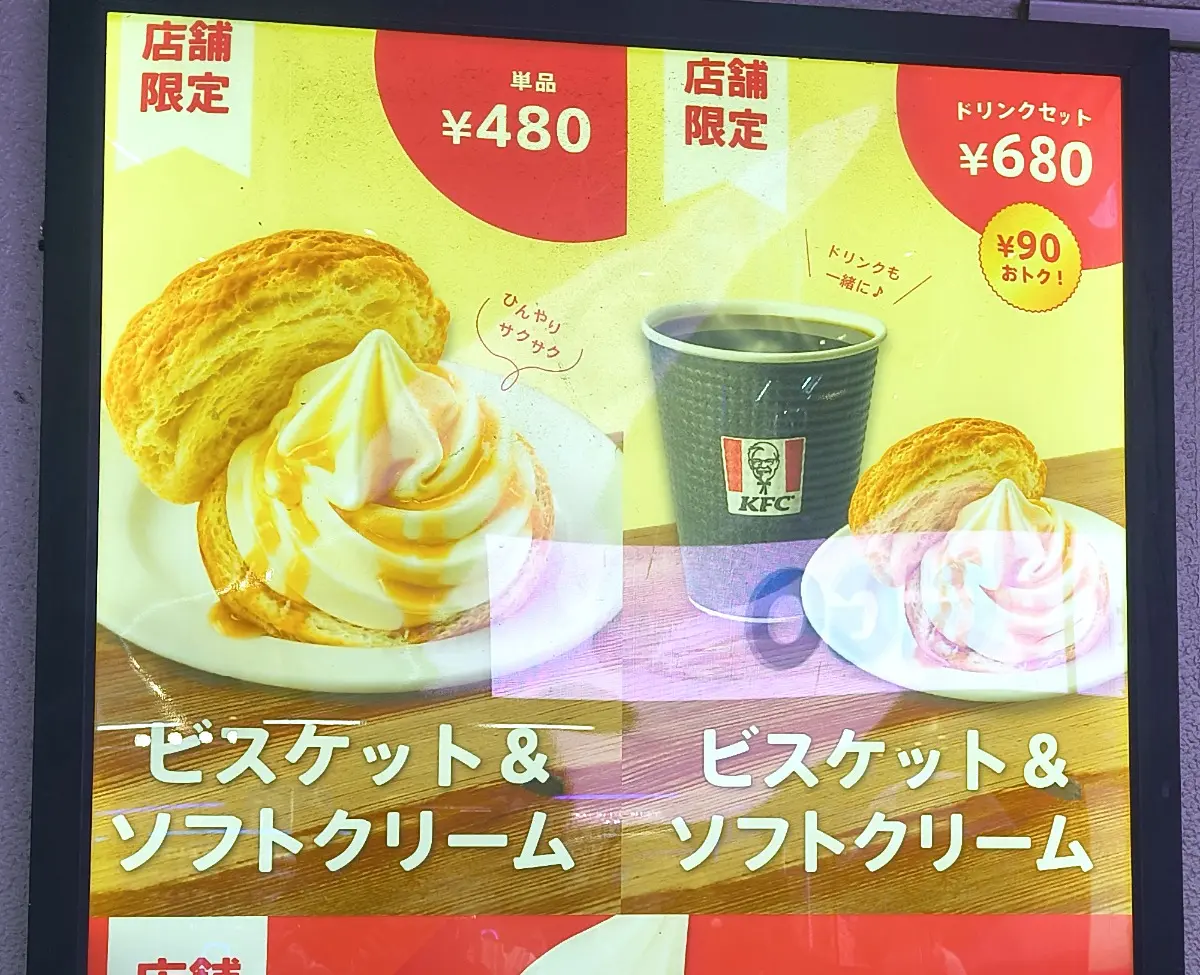
At the participating Akihabara branch, the menu board revealed a straightforward yet enticing selection of standalone soft-serve options. Customers could choose from classic vanilla, rich chocolate, or a blended twist combining both flavors, priced at a modest 290 yen (approximately $1.81 USD) per cone. However, the centerpiece of the new lineup was unmistakably the proprietary dessert sets, most notably the "Biscuit & Soft-Serve Drink Set," priced at 680 yen.

Upon ordering the signature item, observers immediately confronted a fundamental logistical challenge inherent to fast-food physics: the marriage of piping-hot, freshly baked biscuits with sub-zero dairy soft-serve. The thermal differential introduced an immediate race against time. Within moments of assembly, the residual heat of the biscuit began to soften the structure of the ice cream, initiating a rapid melt that required swift photographic documentation and immediate consumption to prevent structural failure.
Sensory Evaluation: Taste, Texture, and the Art of the Dip
Evaluating a hybrid dessert requires breaking down its individual components before assessing how they function as a unified dish. The soft-serve base, observed closely for its milk-fat distribution and aeration levels, presented a remarkably light and airy profile.

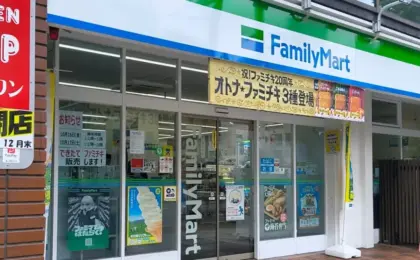
When tasted independently, the soft-serve offered a clean, straightforward sweetness without an overly aggressive dairy punch. While critics might argue that convenience store chains like FamilyMart offer more pronounced vanilla profiles or larger portions at competitive price points (such as the 298 yen Giga Size soft-serve), KFC’s iteration is clearly engineered not to be consumed in isolation, but to complement its surrounding pastry counterpart.
The Biscuit Matrix
The true magic of the dish emerged when the elements were combined. The contrast between the crunchy exterior and tender, flaky layers of KFC’s warm biscuit and the cool, melting creaminess of the soft-serve proved to be an exceptional culinary pairing. Rather than confining the experience strictly to an ice cream sandwich format, reporters discovered that tearing the biscuit apart and manually dipping sections into the soft-serve cup yielded superior textural control.

This discovery opened the floodgates to a broader exploration of cross-menu dipping protocols.
- The French Fry Test: Dipping hot, salted French fries directly into the vanilla soft-serve delivered the classic, universally adored sweet-and-salty flavor profile long celebrated in fast-food culture.
- The Fried Chicken Experiment: Pushing the boundaries of conventional dining, investigators paired the soft-serve with a piece of KFC’s signature fried chicken. Counterintuitive though it may seem, the sweetness of the dairy cream cut through the heavy, savory spices and sodium of the chicken crust, creating an unexpected flavor synergy.
- The Chicken and Waffles Parallel: This savory-sweet combination naturally evoked memories of the classic American South comfort dish, chicken and waffles, which traditionally pairs fried poultry with maple syrup.
Realizing the structural similarity to maple pairing, investigators incorporated the packets of honey maple syrup supplied with the standard biscuit order. Drizzling the amber syrup over the remaining soft-serve and biscuit remnants elevated the dish into a decadent, triple-sweet masterpiece. Paired with a steaming cup of hot black coffee to cut through the surging sugar levels, the overall experience transcended standard fast-food fare to rival specialized dessert café offerings.

Supporting Context & Operational Metrics
To fully understand the significance of this menu addition, it is necessary to examine the operational framework governing KFC restaurants in Japan. Operated locally, KFC Japan frequently operates independently from its American parent organization regarding localized product development, responding directly to the highly discerning, trend-conscious Japanese consumer base.
Pricing Structure and Value Proposition
- Standalone Soft-Serve Cones (Vanilla, Chocolate, Twist): 290 JPY (~$1.81 USD)
- Biscuit & Soft-Serve Set (Includes soft-serve, biscuit, honey maple, and a beverage): 680 JPY (~$4.25 USD)
- Comparative Market Benchmarks: Competitor convenience store soft-serve programs typically range between 250 to 300 JPY for standalone items, placing KFC’s pricing squarely in line with current market expectations for specialty fast-food desserts.
Logistical and Structural Hurdles
The introduction of soft-serve machinery represents a significant capital and operational investment for quick-service restaurants. Unlike pre-packaged desserts, soft-serve units require rigorous daily cleaning protocols, specialized dairy supply chains, and precise temperature calibration. Furthermore, pairing soft-serve with heated baked goods introduces workflow complexities for kitchen staff during peak lunch and dinner rushes. The decision to limit the test to specific stores suggests that corporate management is currently evaluating operational feasibility alongside consumer demand before committing to a nationwide rollout.

Geographic Availability and Store Information
Because KFC Japan has not issued a formal, nationwide press release or digital campaign regarding the soft-serve and biscuit dessert, verifying active locations requires localized reconnaissance or direct store inquiries. As of early November, confirmed availability is restricted to a handful of flagship and suburban test sites in the Greater Tokyo Area:
- KFC Akihabara Branch
- Address: 1-4-11 Sotokanda, Chiyoda-ku, Tokyo-to
- Operating Hours: 9:00 AM – 10:00 PM
- Significance: High-foot-traffic electronics and pop-culture district, making it an ideal testing ground for viral food trends.
- KFC Asakusa Branch
- Address: Historic tourist district hub, serving both local commuters and international travelers.
- KFC Minami-machida Grandberry Park Branch
- Address: Located within a sprawling suburban lifestyle and shopping complex, catering to families and weekend shoppers.
Consumers interested in sampling the dessert are strongly advised to check local social media channels or contact their nearest branch directly to confirm machine operational status, as unannounced menu trials in Japan are frequently subject to sudden inventory adjustments or localized extensions.

Future Outlook
The quiet debut of KFC Japan’s soft-serve and biscuit dessert highlights a broader trend within the global fast-food industry: leveraging beloved heritage items—such as KFC’s famous biscuit—as platforms for disruptive culinary experimentation. By treating the menu as a modular playground where savory chicken, salted fries, sweet pastries, and chilled dairy can intersect, KFC demonstrates a keen understanding of modern consumer desires for interactive, highly photographable dining experiences.
Whether this under-the-radar market test will eventually graduate to a permanent, nationwide menu staple across all hundreds of KFC locations in Japan remains to be seen. However, given the enthusiastic reception from culinary reporters and the natural viral potential of sweet-and-savory food pairings on social media, the writing is on the wall. Fast-food enthusiasts across Tokyo and beyond will undoubtedly be keeping a close eye on their local menu boards, hoping that the Colonel’s latest sweet innovation is here to stay.







Belum ada komentar. Jadilah yang pertama berkomentar!