

Executive Overview
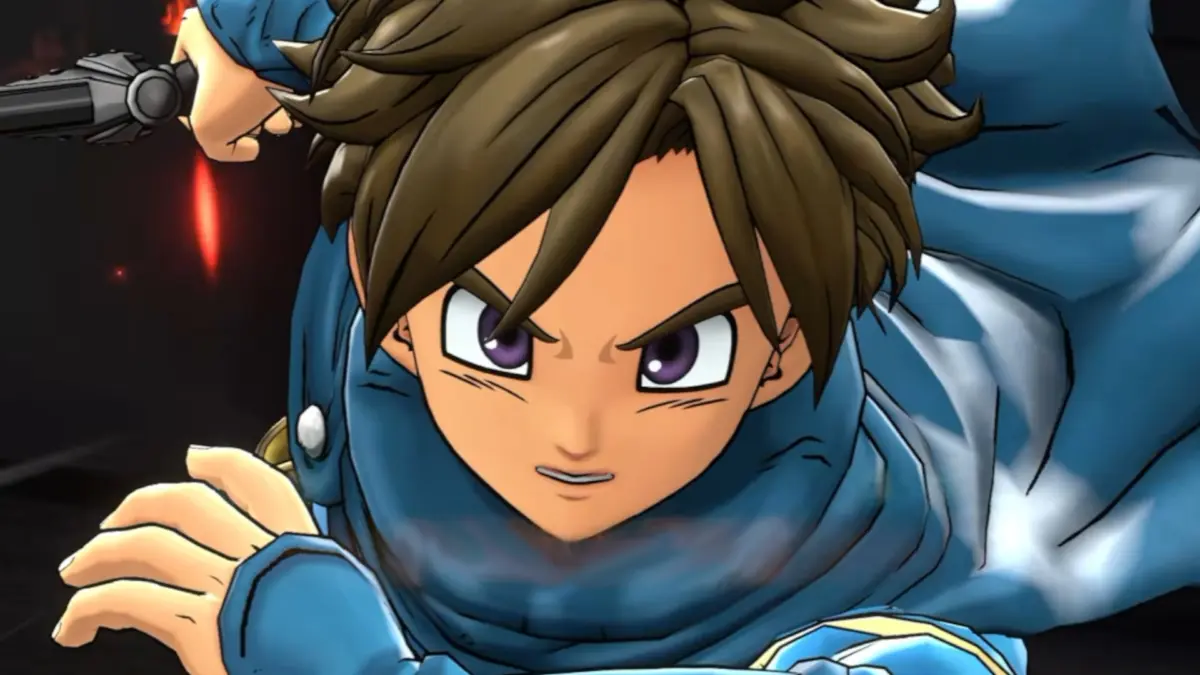
As part of the ongoing multi-year celebration marking the 40th anniversary of its flagship fantasy franchise, Square Enix has officially announced Dragon Quest RPG: The Cursed Tree and the Chosen Isle. Designed exclusively for iOS and Android platforms, the upcoming title represents a strategic effort by the publisher to translate the hallmarks of its traditional console role-playing games into a modern, mobile-native live-service format. Positioned by Square Enix as "the classic adventure, now in your hands," the title introduces a completely original narrative, a refreshed turn-based combat system, and a base-rebuilding progression loop integrated with character-based gacha mechanics.
The announcement comes at a pivotal juncture for Square Enix’s mobile division. By pairing iconic series tropes—such as the sacred tree Yggdrasil, turn-based party combat, and narrative-driven world exploration—with contemporary mobile design paradigms like visible action-order queues and hero recruitment systems, Dragon Quest RPG aims to bridge the gap between long-time franchise purists and the lucrative global mobile market.
Following an initial title tease that sparked industry conversation, Square Enix confirmed a structured testing schedule. A Closed Beta Test (CBT) is slated for late 2026, laying the groundwork for a targeted global commercial release window in 2027.
Detailed Chronology: From Title Tease to Full Reveal
[Early Moniker Speculation] ──> [Official Reveal & Trailer] ──> [CBT Applications: Nov 10–23, 2026] ──> [CBT Window: Dec 8–15, 2026] ──> [Targeted Launch: 2027]Initial Title Confusion and Market Reaction
Prior to the publication of the official reveal trailer, the project’s tentative title—simply Dragon Quest RPG—generated widespread discussion among industry observers and community members. Given that the main line of Dragon Quest titles established the standard for Japanese role-playing games (JRPGs) since the original NES release in 1986, using the genre acronym directly in the title led to speculation regarding whether the game was a simplified spin-off, a brand collection, or a full-scale entry tailored for mobile devices.
The Official Announcement
Square Enix clarified the project’s scope through a synchronized reveal featuring a debut trailer and the launch of the official teaser portal. The full title, Dragon Quest RPG: The Cursed Tree and the Chosen Isle, contextualizes the project as a mainline-adjacent narrative adventure. The reveal confirmed that the game is being built from the ground up for smartphone hardware rather than serving as a port of an existing console title.
Key Milestones and Timeline
- November 10 – November 23, 2026: Application window for the initial Closed Beta Test across iOS and Android platforms.
- December 8 – December 15, 2026: Official Closed Beta Testing period for selected participants to evaluate network stability, combat balance, and progression mechanics.
- 2027 Window: Targeted public launch across global markets on iOS and Android storefronts, with early predictions pointing toward a First Quarter release depending on CBT feedback.
Narrative Architecture and Core Gameplay Mechanics
                  ┌─────────────────────────────────────────┐
                  │       Core Loop: Dragon Quest RPG       │
                  └────────────────────┬────────────────────┘
                                       │
         ┌─────────────────────────────┼─────────────────────────────┐
         ▼                             ▼                             ▼
┌─────────────────┐           ┌─────────────────┐           ┌─────────────────┐
│ Dynamic Combat  │           │  Hub Building   │           │ Gacha & Roster  │
│ - Turn-Order UI │           │ - Rebuild Town  │           │ - Character     │
│ - Fast Strikes  │           │ - Weapon Craft  │           │   Recruitment   │
│ - Pep Powers    │           │ - NPC Vendors   │           │ - Team Synergy  │
└─────────────────┘           └─────────────────┘           └─────────────────┘
Setting and Narrative Premise
Dragon Quest RPG: The Cursed Tree and the Chosen Isle transports players to the high-fantasy world of Monbelusha, a realm centered around the life-giving vitality of the World Tree, Yggdrasil. Players assume the role of the appointed Warden of the World Tree, a protagonist tasked with investigating a creeping blight that threatens to corrupt Yggdrasil and destabilize the surrounding islands. The narrative structure adopts traditional Dragon Quest storytelling beats, emphasizing localized island-vignettes tied into an overarching world-saving trajectory.
Combat System Innovations
While retaining the series’ iconic menu-driven combat style and fourth-wall-facing enemy encounters, Dragon Quest RPG introduces several mechanical updates aimed at modernizing turn-based strategy:
- Visible Turn-Order Action Queue: Displayed along the upper section of the combat interface, this mechanic mirrors systems found in modern turn-based titles like Honkai: Star Rail and Final Fantasy entries. Players can preview turn sequences for both allies and enemies, allowing for tactical preparation against high-damage boss actions.
- Fast Strikes and Follow-up Attacks: Characters can perform speed-based "Fast Strikes" to manipulate turn order or trigger off-turn follow-up attacks when specific party conditions are met, rewarding dynamic team composition.
- Pep Power Integration: Inherited from Dragon Quest XI: Echoes of an Elusive Age, the "Pep" mechanic returns. Upon taking or dealing sufficient damage, party members enter a "Pepped Up" state, enabling high-impact synergistic dual or quad-ability attacks between specific companion combinations.
Hub-Building and Town Restoration Loop
Unlike conventional linear entries where players move from town to town, Dragon Quest RPG anchors its progression around a central, customizable home base. Players are tasked with restoring this settlement throughout their journey. Mechanics associated with the home base include:

- Resource Gathering and Crafting: Collecting raw materials across Monbelusha to forge specialized weaponry, armor, and combat consumables.
- Economic Progression: Restoring market stalls and food vendors to provide persistent party buffs prior to challenging dungeons.
- NPC Interaction: Recruiting non-playable characters encountered across the world to staff base facilities and unlock side quests.
Supporting Context & Industry Metrics: Analyzing Square Enix’s Mobile Strategy
Historical Context of Dragon Quest on Mobile
Square Enix’s deployment of the Dragon Quest intellectual property on mobile devices has historically yielded strong financial returns, particularly within the Japanese domestic market. Titles such as Dragon Quest Walk (a location-based AR game) and Dragon Quest Tact (a tactical grid-based RPG) demonstrated the revenue potential of adapting core franchise elements into live-service frameworks.
| Game Title | Primary Genre | Key Monetization Model | Platform Focus |
|---|---|---|---|
| Dragon Quest Walk | Location-Based AR | Weapon / Equipment Gacha | Mobile (JP Dominant) |
| Dragon Quest Tact | Tactical / Grid RPG | Monster / Character Gacha | Global Mobile |
| Dragon Quest Champions | Melee Battle Royale / RPG | Equipment Gacha | Mobile (Regional) |
| Dragon Quest RPG (2027) | Turn-Based Story RPG | Hero / Character Gacha | Global Mobile (iOS/Android) |
Monetization Design: Character vs. Equipment Gacha
A critical point of distinction for Dragon Quest RPG: The Cursed Tree and the Chosen Isle is its reliance on a Character Recruitment Gacha rather than an Equipment/Weapon Gacha.
In equipment-gacha models—such as those seen in Dragon Quest Walk or Dragon Quest Champions—players pull for high-tier weapons that dictate character ability suites. Industry performance data suggests that character-driven gachas tend to generate higher long-term player retention and sentiment scores in global markets. Acquiring distinct, fully realized narrative companions with unique voice acting, design aesthetic, and gameplay roles often creates a stronger sense of ownership and collection progression than obtaining passive stats via gear banners.
       [Player Sentiment & Retention Dynamics]

  Character Gacha Model              Equipment Gacha Model
  ┌─────────────────────────┐        ┌─────────────────────────┐
  │ • Narrative connection  │        │ • Stat-focused pull     │
  │ • Distinct visual designs│        │ • High power creep risk │
  │ • Long-term retention   │        │ • Higher fatigue rate   │
  └─────────────────────────┘        └─────────────────────────┘
Official Statements and Community Reception
In official promotional materials published on the newly opened teaser portal, Square Enix emphasized its commitment to delivering an experience that honors the franchise’s legacy while taking advantage of modern mobile hardware capabilities:
"Dragon Quest RPG: The Cursed Tree and the Chosen Isle brings the classic adventure, now in your hands. Built specifically for smartphone platforms, it combines iconic series tropes with a completely original story, offering a traditional yet evolving RPG experience for both veteran adventurers and newcomers alike."
Market and Community Response
Initial community reactions across digital platforms and dedicated fan hubs, including early impressions on community forums and social media, reflect a blend of anticipation and measured scrutiny:
- Combat Modernization: The inclusion of a visible turn-order track and modern combat mechanics has been broadly praised by strategy enthusiasts, drawing favorable comparisons to top-performing turn-based mobile RPGs.
- Monetization Mechanics: While the confirmation of gacha mechanics sparked expected debate among classical console purists, mobile RPG enthusiasts have expressed a preference for the character-pull model over stat-heavy equipment banners.
- Title Nomenclature: The simplified early working title generated brief confusion regarding the project’s identity, but the reveal of The Cursed Tree and the Chosen Isle subtitle helped clarify its position as a substantial story-driven title.
Future Outlook: Testing Phase, Regional Launch, and Market Strategy
[Dec 2026: Closed Beta] ──> [Q1 2027: Data Analysis & Polish] ──> [Mid-2027: Global Commercial Launch]Strategic Implications for Square Enix
The rollout of Dragon Quest RPG: The Cursed Tree and the Chosen Isle underscores Square Enix’s broader strategy of maintaining multi-platform presence for its key franchises. As development costs for AAA console entries continue to escalate, reliable live-service mobile revenue provides financial stability to support longer development cycles for mainline entries like Dragon Quest XII: The Flames of Fate.
Key Milestones to Watch
- Closed Beta Feedback (December 2026): Data collected from the December 8–15 CBT will serve as a crucial indicator of performance optimization, turn-order balance, and pacing within the town-rebuilding progression system.
- Localization and Global Parity: Industry analysts will monitor whether Square Enix intends to launch the title simultaneously worldwide or follow a phased regional deployment starting in Japan.
- Ecosystem Synergy: With the 40th-anniversary milestone serving as an umbrella for multiple releases across console, PC, and mobile platforms, cross-promotional campaigns within the Dragon Quest ecosystem are anticipated throughout 2027.
As the mobile gaming landscape grows increasingly competitive, Dragon Quest RPG: The Cursed Tree and the Chosen Isle represents Square Enix’s high-stakes bid to modernize one of gaming’s foundational series for a new generation of mobile devices.






Belum ada komentar. Jadilah yang pertama berkomentar!