

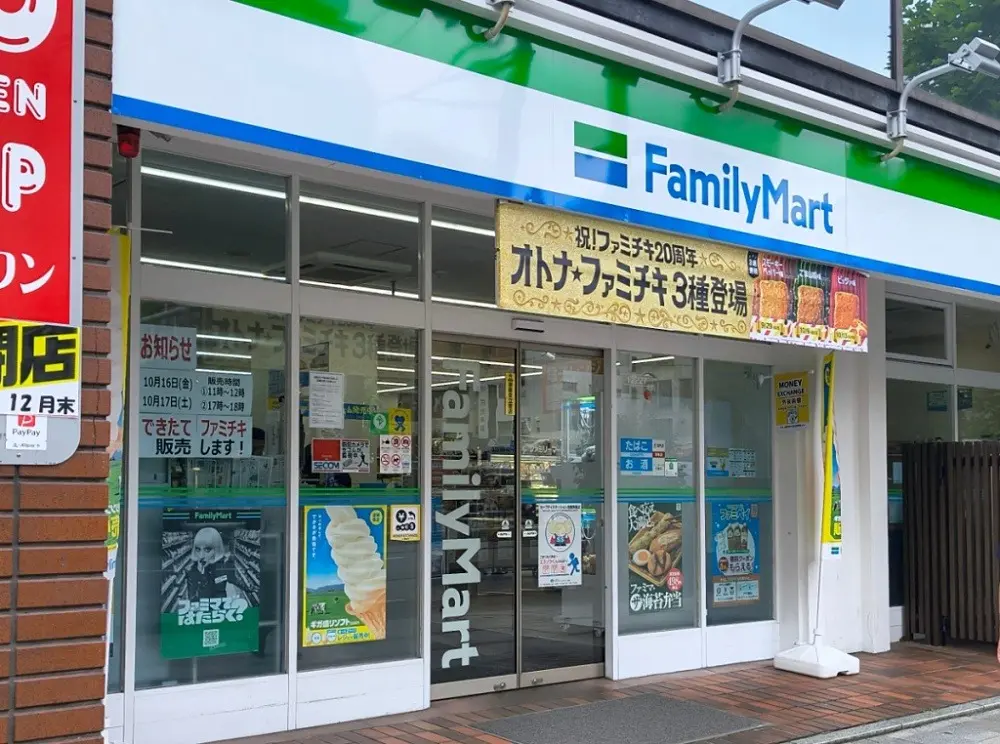
Executive Overview
Japan’s ubiquitous convenience stores—affectionately known as konbini—have long occupied a revered status both domestically and internationally. Celebrated for their omnipresent locations, around-the-clock accessibility, and an astonishingly diverse gastronomic portfolio ranging from freshly brewed gourmet coffee and artisanal bakery items to full, nutritionally balanced bento boxes, these retail hubs are a cornerstone of modern Japanese daily life. Yet, despite their near-flawless reputation for convenience and quality, they have historically possessed one notable drawback: pricing. Because of the sheer overhead and premium service model, konbini items generally carry a modest markup compared to neighboring supermarkets, discount drugstores, or local produce markets.
However, a groundbreaking promotional campaign by major retail titan FamilyMart is poised to challenge this economic reality, if only for a fleeting
, high-stakes window. On November 11, FamilyMart is rolling out a promotional event that has the potential to make entire shopping sprees completely free for lucky consumers. Through a gamified reimbursement initiative tied directly to the proprietary Fami Pay digital wallet application, shoppers across the nation are being offered the chance to win digital credits matching the exact monetary value of their transaction, up to a staggering 100,000 yen (approximately $630 USD).
This strategic maneuver represents a fascinating intersection of retail loyalty programs, mobile application gamification, and consumer psychology. By transforming a routine trip to pick up breakfast or late-night snacks into a literal lottery ticket, FamilyMart is not only incentivizing immediate digital wallet adoption but also capturing the collective imagination of a nation deeply fond of clever promotional culture. This comprehensive report explores the mechanics of the campaign, the broader financial context of Japan’s convenience store wars, the user experience of the in-app contest, and the strategic implications for the retail sector at large.
Detailed Chronology & Campaign Mechanics
The architecture of FamilyMart’s November 11 promotion is meticulously designed to maximize digital engagement while maintaining absolute operational clarity. Understanding how to participate requires parsing a specific timeline and adhering to precise transactional parameters established by the corporate headquarters.
The Timeline of Events
The campaign is structured around a tightly compressed schedule divided into a transactional window and a subsequent gameplay window:
- The Purchase Window (November 11, 00:00 – 23:59): To be eligible for the reimbursement lottery, customers must execute their qualifying purchase strictly within the 24-hour calendar day of November 11. Transactions completed before midnight or rolling over into November 12 will be systematically excluded from the promotion.
- The Gameplay Window (November 11 – November 13): While purchases must be finalized on November 11, participants are granted a slightly extended window—closing at 11:59 p.m. on November 13—to access the Fami Pay application and play the promotional mini-game. This buffer ensures that users do not feel unduly rushed immediately at the register, preventing app congestion and server overloads.
- The Crediting Phase (Mid-December): Winners will not see the full balance immediately. Following the instant verification of a win, users receive a symbolic 1-yen confirmation credit. The bulk of the reimbursement is scheduled to hit accounts in mid-December, featuring a strict expiration date of May 31 of the following year.
Step-by-Step Participation Guide
Participating in the FamilyMart Fami Pay lottery requires no advanced technical proficiency or high-level strategic gaming skill. The process has been deliberately streamlined for mass consumer accessibility:
- Account Preparation: Customers must download and register for the Fami Pay application prior to their transaction, ensuring the app is linked to a funded payment source or loaded with sufficient balance to cover the initial out-of-pocket purchase.
- The Transaction: The shopper visits any participating FamilyMart location across Japan on November 11 and purchases eligible goods. A remarkably low minimum purchase threshold of just 111 yen (roughly $0.70 USD) has been established, ensuring that even a quick purchase of a single onigiri (rice ball) or canned green tea qualifies the buyer for the lottery.
- Checkout via Fami Pay: The consumer scans their Fami Pay barcode at the register, paying for the total sum of their merchandise out of pocket.
- Executing the In-App "Game": Within the designated window, the user opens the Fami Pay application. The gameplay itself is disarmingly simple: it consists of pressing an on-screen green "Start" button twice. There are no reflexes, puzzles, or trivia questions required. The digital interface immediately processes the input and informs the user whether fortune has smiled upon them.
Supporting Context & Metrics: The Stakes and Safeguards
While the prospect of winning back an entire shopping cart of goods is undeniably thrilling, a closer examination of the financial mechanics reveals a carefully calculated campaign that balances consumer excitement with corporate risk mitigation.
Financial Limits and Scale
The promotion features a maximum prize ceiling of 100,000 yen (approximately $630 USD). While technically capping the reimbursement for extreme shoppers who might attempt to purchase high-ticket gift cards or bulk electronics available in-store, 100,000 yen is an astronomical sum for a standard convenience store run. Given that the average basket size at a Japanese konbini typically hovers between 700 and 1,500 yen, the vast majority of consumers will easily fall well beneath the maximum cap, meaning 100% of their actual purchases will be fully covered should they win.

The Psychological and Economic Safeguards
One of the most noteworthy structural elements of the campaign is the delayed payout system. Winners are awarded a nominal 1 yen instantly to confirm their victory, but the substantial balance is withheld until mid-December. Furthermore, these credits carry an expiration date of May 31.
Industry analysts point out two primary reasons for this structured delay:
- Cash Flow and Solvency Verification: Regardless of the lottery outcome, the consumer is required to pay for their goods in full at the time of purchase. This prevents opportunistic shoppers from overextending their finances in the blind hope of winning a refund, thereby protecting vulnerable consumers from debt accumulation.
- Encouraging Repeat Foot Traffic: By distributing the winnings in mid-December—right at the peak of the winter holiday shopping season—and setting an expiration date in late spring, FamilyMart ensures that the refunded money cycles directly back into their own store ecosystem, driving subsequent sales of seasonal hot foods, oden, Valentine’s chocolates, and spring beverage releases.
Official Statements and Industry Perspective
FamilyMart’s leadership has framed this initiative as a direct token of appreciation for its loyal customer base, while simultaneously utilizing the campaign as a high-visibility tool to accelerate its digital transformation strategy.
In promotional materials released via official corporate channels and distributed through retail news networks such as My Navi News and Livedoor News, FamilyMart executives emphasized the democratization of the campaign. By setting the entry barrier at a mere 111 yen—a playful nod to the November 11 (11/11) date—the company ensured that students, office workers, and senior citizens alike could participate on an equal footing without feeling economically excluded.
"We wanted to create a moment of genuine excitement and delight at the cash register," noted a representative from FamilyMart’s digital marketing division in an editorial summary. "In an economic climate where consumers are increasingly mindful of every yen they spend, blending everyday convenience with the thrill of a lottery offers a unique value proposition that transcends traditional discounting."
Retail analysts have echoed this sentiment, noting that Japanese convenience store chains are locked in an unyielding battle for digital wallet supremacy. With competitors such as Seven-Eleven Japan (7-Pay legacy efforts notwithstanding) and Lawson aggressively pushing their respective proprietary apps, creating viral, engaging promotional events has become the gold standard for securing long-term user retention.
Future Outlook: The Gamification of Japanese Retail
The November 11 FamilyMart campaign is unlikely to be an isolated anomaly; rather, it serves as a bellwether for the future trajectory of Japan’s retail and convenience store sectors. As physical cash usage continues its slow, steady decline in favor of cashless and smartphone-based payment ecosystems, brands must find innovative ways to make digital wallets feel indispensable to the everyday consumer.
By fusing shopping with gamification—turning a mundane Tuesday afternoon grocery run into a suspenseful digital scratch-off experience—FamilyMart has tapped into a powerful psychological framework. If the campaign achieves its projected metrics in terms of app downloads, transaction volume, and social media engagement, consumers can reasonably expect a new wave of interactive, high-stakes promotional strategies across Japan’s retail landscape.
For the savvy shopper willing to download an app and press a green button twice, November 11 offers a rare, tantalizing gamble: the chance to walk out of a FamilyMart with bags full of premium snacks, fresh bento, and steaming hot coffee, entirely courtesy of corporate fortune. Whether luck favors the bold or simply the early riser, the campaign has successfully cemented FamilyMart at the forefront of retail innovation, proving that even the humble convenience store still knows how to throw a remarkably lucrative surprise party.









Belum ada komentar. Jadilah yang pertama berkomentar!