


Executive Overview
The modern video game industry exists in a state of perpetual acceleration, characterized by rising software development costs, the transition toward hybrid digital-physical ecosystems, and evolving consumer spending habits. Against this dynamic backdrop, platform holders must continually devise engagement strategies that sustain platform stickiness, reward loyalty, and monetize back-catalog assets.
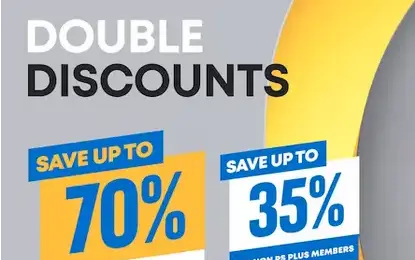
Sony Interactive Entertainment’s recent deployment of the PlayStation Plus Double Discount promotion serves as a fascinating case study in digital storefront economics. Aimed squarely at both fresh PlayStation 5 adopters—who have finally weathered years of severe hardware supply shortages and secondary-market scalping—and the enduringly loyal PlayStation 4 install base, this limited-time sale event is designed to maximize digital transaction volume. By offering up to 35% savings for standard PlayStation Network accounts and escalating those discounts up to a staggering 70% for active PlayStation Plus subscribers, Sony is orchestrating a masterclass in incentivized subscription adoption.
This report provides an exhaustive, authoritative examination of the Double Discount promotion. Beyond simply cataloging the price cuts, we will dissect the underlying financial mechanics of Sony’s subscription tiers, evaluate the curated selection of blockbuster hits and cult-classic masterpieces currently on offer, and contextualize the broader implications of aggressive digital discounting within the contemporary console marketplace. With the promotion drawing to a hard operational close on March 1st, leaving consumers with a narrowing window of opportunity, this analysis explores why strategic curation and subscription bundling are reshaping how players acquire, consume, and value interactive entertainment.
Detailed Chronology
Understanding the lifecycle and strategic timing of digital storefront promotions requires a meticulous look at the sequence of events leading up to deployment. The modern PlayStation Store promotional calendar is tightly choreographed, balancing seasonal events, publisher-specific showcases, and mid-tier loyalty campaigns.
The Buildup: Hardware Normalization and Digital Migration
For the better part of two years following its November 2020 launch, the PlayStation 5 experienced unprecedented global supply chain bottlenecks, semiconductor shortages, and logistics crises. This friction artificially depressed the growth velocity of the PS5 hardware base, forcing publishers to maintain dual-generation software development strategies.
By late 2022 and early 2023, however, global manufacturing stabilization allowed Sony to publicly announce that PlayStation 5 stock shortages had largely come to an end. This hardware normalization event triggered a massive influx of late-adopting consumers entering the ecosystem at standard retail pricing. Concurrently, a vast, entrenched PlayStation 4 community—many of whom remain hesitant to abandon their legacy hardware due to the sheer volume of high-quality software still performing adequately on the older architecture—faced a widening digital library.
The Rollout of the Double Discount Campaign
Recognizing this bifurcated consumer demographic, Sony’s digital commerce division initiated the Double Discount promotion. Designed to bridge the gap between legacy hardware owners and next-generation adopters, the campaign was deployed with clear, tiered mechanics:
- Phase 1: Storefront Ingestion and Curation (Mid-February 2023): Participating publishers submitted their titles weeks in advance, ensuring that metadata, regional pricing structures (such as Malaysian Ringgit adjustments), and bundle contents (including digital deluxe editions and Game of the Year packages) were accurately synchronized across global territories.
- Phase 2: Public Activation and Subscriber Tier Differentiation: Upon going live, the promotion immediately broadcasted distinct pricing matrices to users based on their PlayStation Plus subscription status. Standard users observed moderate price reductions (averaging between 25% and 35%), while authenticated PlayStation Plus members (across Essential, Extra, and Premium tiers) were met with aggressive markdowns hitting up to 70% off retail value.
- Phase 3: The Final Countdown (Late February to March 1st): As the promotion entered its final 7-day operational window, digital marketing channels ramped up urgency messaging. Platforms and community hubs highlighted standout deals—ranging from massive AAA multiplayer mainstays to niche action RPG masterpieces—creating a localized consumer rush to capitalize on the expiring price cuts before the hard deadline of March 1st.
Supporting Context & Metrics
To fully appreciate the commercial impact of the PlayStation Plus Double Discount sale, one must examine the macroeconomic factors governing digital game distribution, subscription tier psychology, and historical software pricing decay curves.
The Economics of Digital Storefronts and Margin Compression
Unlike physical retail—which relies heavily on square footage, shelf-space turnover, and inventory clearance sales—digital storefronts operate on near-zero marginal costs for additional unit distribution. However, software depreciation follows a predictable path. Once a game has saturated its initial, high-margin launch window (typically capturing the first 30 to 90 days of full-price sales), publishers must actively manage long-tail revenue.
Promotions like the Double Discount serve as psychological accelerators. By artificially compressing time through limited-duration sales, Sony and its publishing partners stimulate impulse purchasing among consumers who might otherwise indefinitely defer a purchase.
Furthermore, the tiered discount structure acts as a powerful conversion funnel for PlayStation Plus. Sony restructured its subscription service into three distinct tiers—Essential, Extra, and Premium—to better compete with rival offerings like Microsoft’s Xbox Game Pass. While Extra and Premium focus heavily on library access (catalog streaming and game trials), the core value proposition of the entire ecosystem remains tied to exclusive discounts, cloud storage, and online multiplayer access. Offering a 70% discount exclusively to subscribers provides a quantifiable return on investment for the consumer, often offsetting the annual cost of the subscription through the purchase of just two or three heavily discounted titles.
Catalog Breakdown: From Blockbusters to Cult Classics
The curation of the Double Discount sale reflects a calculated attempt to appeal to diverse psychographic profiles within the gaming community:
- The Evergreen Giants (70% Off):
Titles such as Rockstar Games’ Grand Theft Auto V and Red Dead Redemption 2, alongside Capcom’s enduring fighting game pillar Street Fighter V, represent the ultimate evergreen assets. Despite being years—and in some cases generations—removed from their initial launches, these titles maintain massive active player bases. At a 70% discount, the friction of entry is virtually eliminated, capturing late adopters and players transitioning from competing platforms. - The Modern Sports and Action Blockbusters (Up to 60% Off):
Annualized franchises and recent critical darlings—such as EA Sports’ FIFA 23 and Firaxis Games’ turn-based tactical masterpiece Marvel’s Midnight Suns—receive aggressive mid-lifecycle price adjustments. For sports titles, deep discounts arriving midway through a competitive season capitalize on shifting consumer sentiment as real-world sports leagues approach their climactic conclusions. For narrative-driven strategy games like Midnight Suns, price reductions help overcome hesitation regarding niche mechanics, broadening the audience for critically acclaimed but commercially underperforming releases. - The Cult Classic Exception:
A fascinating outlier in the promotion is PlatinumGames’ NieR:Automata: Game of the YoRHa Edition. Available at a 55% discount to non-subscribers (reducing the price to an accessible 76 MYR and bundling all associated downloadable content), this title exemplifies the long-tail vitality of auteur-driven Japanese action RPGs. By lowering the barrier to entry for a game widely regarded as a modern narrative masterpiece, Sony ensures that platform loyalty is rewarded regardless of active subscription status, while keeping niche genres commercially viable.
Official Statements and Industry Insights
While platform holders rarely publish minute-by-minute sales telemetry for mid-quarter digital promotions, executive commentary from Sony Interactive Entertainment and major publishing partners over recent fiscal quarters sheds light on the philosophy guiding these sales events.
Industry analysts note that digital sales events have evolved from simple inventory clearance mechanisms into sophisticated customer relationship management (CRM) tools. In recent earnings briefings, Sony executives emphasized the increasing importance of digital ecosystem engagement over pure hardware unit sales. As monthly active user (MAU) metrics and network service revenue become primary indicators of financial health, keeping users inside the PlayStation Network ecosystem through targeted discounts is paramount.
A representative from a major third-party publisher participating in the Double Discount promotion noted:
"The modern consumer has more entertainment options vying for their attention than at any point in history. Between subscription services, free-to-play juggernauts, and user-generated content platforms, single-player and premium multiplayer games must remain visible and competitively priced to capture disposable income. Promotional campaigns orchestrated by platform holders—such as Sony’s tiered discount initiatives—provide the necessary velocity to reactivate dormant accounts and introduce our intellectual properties to fresh demographic cohorts who skipped earlier pricing windows."
Furthermore, consumer advocacy groups and gaming economists have highlighted how structured discounts help mitigate the risks associated with digital-only console iterations (such as the PlayStation 5 Digital Edition). Because consumers purchasing digital-only hardware surrender the ability to buy, sell, or trade physical game discs on the secondary market, they are entirely dependent on storefront-hosted promotions to acquire software at fair market value. Consequently, aggressive and predictable sales cycles are viewed as an ethical and commercial necessity by the digital gaming community.
Future Outlook
As the video game industry marches further into the current console generation, the mechanisms governing digital storefront promotions will undoubtedly continue to evolve. The success of the PlayStation Plus Double Discount sale offers a clear preview of where platform monetization and consumer retention strategies are heading.
The Convergence of Subscriptions and Permanent Ownership
One of the most significant debates in modern gaming centers on ownership versus access. While subscription services like PlayStation Plus Extra and Premium provide vast, rotating libraries akin to Netflix or Spotify, many consumers retain a strong psychological preference for permanent digital ownership—the ability to curate a personal library that remains accessible regardless of shifting licensing agreements or catalog rotations.
Promotions that bridge these two worlds—offering deep, subscriber-only permanent discounts on software—represent a powerful hybrid model. In the future, we can expect platform holders to refine these algorithms further, potentially offering hyper-personalized discounts based on player habits, wishlist history, and playtime metrics. If a user spends dozens of hours playing tactical RPG demos through a subscription trial, automated storefronts may soon deploy tailored double-discount incentives to convert that engagement into a permanent digital purchase.
Regional Pricing and Accessibility
As global economic fluctuations impact purchasing power across diverse geographic territories—such as Southeast Asia, Latin America, and Eastern Europe—the sustainability of regional pricing models will face new pressures. Campaigns like the Double Discount demonstrate how localized currency pricing (e.g., pricing adjustments in Malaysian Ringgit) can stimulate high-volume digital consumption in emerging markets. Future promotional strategies will likely rely on even more granular data analytics to balance publisher revenue targets with regional affordability.
Conclusion: A Fleeting Window of Opportunity
Ultimately, the PlayStation Plus Double Discount promotion underscores the symbiotic relationship between hardware adoption, subscription loyalty, and software lifecycle management. For the newly minted PlayStation 5 owner looking to populate an empty SSD, or the steadfast PlayStation 4 veteran seeking to squeeze a few more years of high-performance entertainment out of their legacy console, these campaigns offer undeniable financial utility.
However, as with all cyclical digital events, the clock remains an unyielding adversary. With the operational window slamming shut on March 1st, consumers are reminded that in the fast-paced ecosystem of digital commerce, hesitation carries a tangible cost. Those who fail to capitalize on these steep markdowns before the deadline will find themselves waiting months for the next alignment of publisher willingness and platform-holder curation. Until then, the Double Discount sale stands as a timely reminder of the value proposition inherent in strategic digital consumption.







Belum ada komentar. Jadilah yang pertama berkomentar!