

Executive Overview
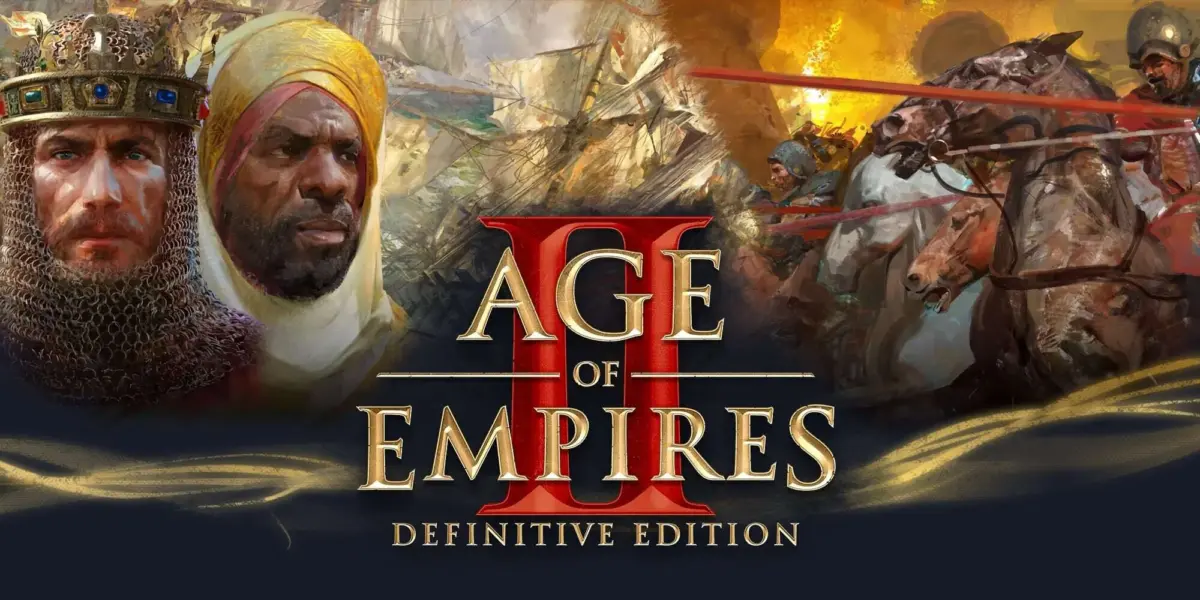
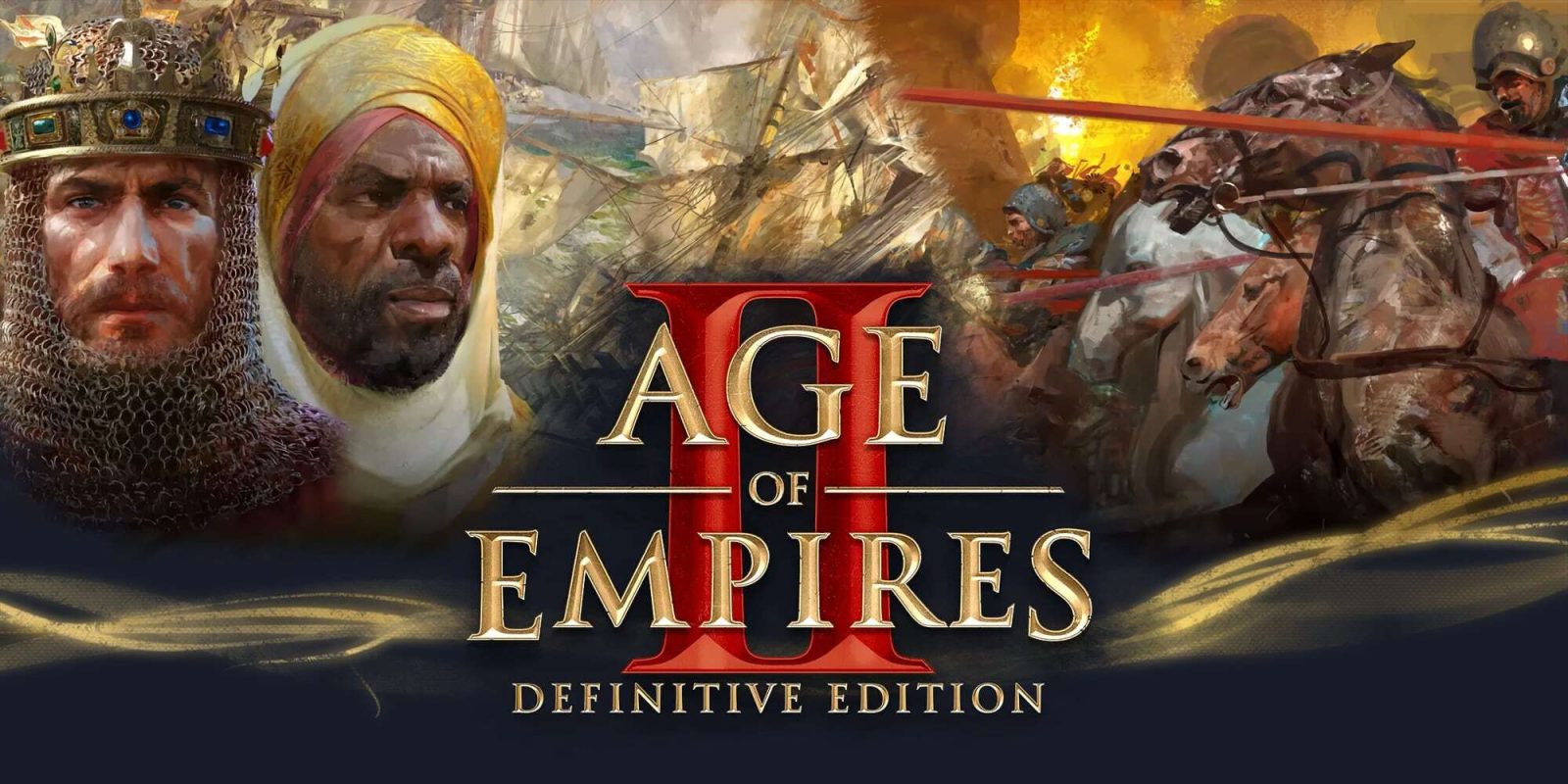
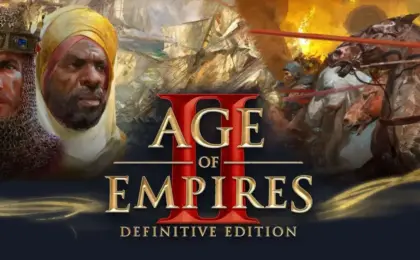
In what marks a significant milestone for Apple’s ongoing, highly publicized campaign to cement the Mac as a viable, high-performance gaming platform, Xbox Game Studios and its development partners have officially announced that the iconic real-time strategy (RTS) masterpiece, Age of Empires II: Definitive Edition, is making its long-awaited debut on macOS.
Scheduled for release on Thursday, May 28, the arrival of this genre-defining strategy game underscores a broader, fundamental shift in how major publishers view Apple’s unified memory architecture and powerful custom Silicon chips. While Mac gaming has historically suffered from a dearth of day-one major releases and a fragmented ecosystem, the steady influx of classic heavy-hitters and occasional AAA day-and-date launches—such as the recent arrival of Crimson Desert—paints a picture of a platform on the mend.
Initially launching via Steam before making its way to the dedicated Mac App Store later in the year, this port brings over two decades of refinement, expansive expansions, and modernized mechanics to a completely new audience of Apple users. For strategy veterans and franchise newcomers alike, the release represents more than just a nostalgic port; it is a stress test of Apple’s graphics APIs, hardware scaling, and ecosystem commitment in a genre historically dominated by Windows PCs.
Detailed Chronology: The Long Road from Windows Exclusivity to macOS
To fully appreciate the significance of Age of Empires II: Definitive Edition arriving on macOS, one must examine the turbulent history of the franchise and its relationship with Apple hardware.
The 1999 Genesis and Early Mac Experiments
When Ensemble Studios and Microsoft Game Studios originally released Age of Empires II: The Age of Kings in October 1999, the PC gaming landscape looked vastly different. Powered by a 2D sprite engine and deep historical campaigns, the game became an instant critical and commercial darling.
While the original game eventually saw a Mac port courtesy of MacSoft in 2001, the franchise’s subsequent iterations, expansions, and eventual renaissance largely bypassed Apple’s ecosystem. For decades, Mac users interested in playing Age of Empires had to rely on cumbersome workarounds, including third-party compatibility layers like Wine, dual-booting via Boot Camp on Intel-based Macs, or virtualization software on Apple Silicon.
The Definitive Edition Era
In 2019, Microsoft breathed new life into the franchise with Age of Empires II: Definitive Edition, celebrating the 20th anniversary of the original release. This version was far more than a simple remaster; it was a comprehensive overhaul that introduced:
- Stunning 4K Ultra HD graphics support.
- A completely re-recorded, fully orchestrated musical soundtrack.
- Brand-new narrative campaigns and civilizations.
- Quality-of-life updates, including modernized pathfinding, spectator modes, and integrated matchmaking.
Over the subsequent years, the development team—comprising Forgotten Empires, Tantalus Media, and Wicked Witch—continued to support the game with a relentless cadence of downloadable content (DLC) packs. Yet, despite the game being ported to Xbox consoles in 2023, macOS support remained conspicuously absent—until now.
The May 28 Rollout Strategy
The upcoming macOS release will follow a phased distribution model. On May 28, players will be able to purchase and download the game natively through Steam. Later in the year, Microsoft plans to expand availability by bringing the title to the Mac App Store, ensuring broader accessibility for casual users and enterprise environments alike.
Supporting Context & Metrics: The State of Mac Gaming in the Apple Silicon Era
The decision by Microsoft to bring one of its flagship PC franchises to macOS does not happen in a vacuum. It is the direct result of a multi-year hardware and software offensive by Apple designed to reverse decades of developer apathy toward the Mac.
The Apple Silicon Revolution: M-Series Hardware
For years, the primary bottleneck for Mac gaming was not necessarily operating system market share, but rather the underlying hardware. Intel-based Macs—particularly laptops—were notoriously plagued by thermal throttling, mediocre integrated graphics, and a lack of scalable discrete GPU options outside of expensive, high-end desktop configurations.
The introduction of Apple Silicon (M1, M2, M3, and M4 generations) completely upended this paradigm. By leveraging a unified memory architecture (UMA) where the CPU, GPU, and Neural Engine share a single high-bandwidth memory pool, even entry-level MacBooks are capable of handling workloads that once required dedicated gaming rigs. Features such as hardware-accelerated ray tracing, dynamic caching, and high-performance media engines have transformed thin-and-light laptops into surprisingly capable gaming machines.
The Game Porting Toolkit (GPTK)
On the software side, Apple introduced a game-changer at WWDC 2023: the Game Porting Toolkit (GPTK). Building on top of Apple’s Metal API, the GPTK provides a translation layer that allows developers to run unmodified Windows games on macOS with minimal performance overhead.
While major publishers are still hesitant to commit to simultaneous day-and-date releases for AAA blockbusters—as highlighted by the rarity of Crimson Desert launching on macOS on the same day as other platforms—the toolkit has drastically reduced the barrier to entry. Porting projects that once took years and dedicated external studios can now be evaluated, prototyped, and optimized in a fraction of the time.
Ecosystem Momentum
Age of Empires II: Definitive Edition joins an increasingly robust roster of high-profile titles that have found a home on macOS in recent years. Critically acclaimed titles such as Baldur’s Gate 3, Cyberpunk 2077 (via advanced translation pipelines), Resident Evil remakes, No Man’s Sky, and Death Stranding have demonstrated that Mac users are not only willing to pay for premium gaming experiences, but that the hardware can deliver exceptional fidelity.
Official Statements and Feature Breakdown
According to the official press release from the Age of Empires team, the macOS version of Definitive Edition will not be a stripped-down port. It arrives as a feature-complete, content-rich package designed to leverage modern computing power.
What is Included in the Base Game
When players download Age of Empires II: Definitive Edition on macOS, they receive the core game alongside three major historical expansions that were previously sold separately in the older eras of the game:
- Lords of the West: Featuring new campaigns and civilizations from Western Europe.
- Dynasties of India: Introducing sprawling campaigns, unique architecture, and strategic depth from the Indian subcontinent.
- Dawn of the Dukes: Focusing on the gritty, tactical warfare of Eastern Europe.
Day-One DLC Availability
For dedicated empire builders hungry for immediate extra content, the macOS version will support a vast and continuously expanding stable of day-one DLC purchases. Notable expansions available right out of the gate include:

- Return of Rome: A unique add-on that transplants the mechanics, civilizations, and nostalgia of the original 1997 Age of Empires directly into the modern Age II engine.
- The Last Chieftains: The franchise’s newest expansion, which dives deep into the complex, interconnected medieval societies of South America, offering fresh tactical challenges and asymmetrical civilization designs.
"Age of Empires II: Definitive Edition comes complete with razor-sharp 4K visuals, a fully remastered soundtrack, and includes three expansions with the base game… Newcomers to the series and returning veterans alike can look forward to all the fast-paced base-building and warfare that made this game a classic, given new life over two decades of refinement and additional content." — Official Press Release
Future Outlook: What This Means for the Future of macOS Strategy Gaming
The impending release of Age of Empires II: Definitive Edition on macOS carries significant implications for the future of strategy gaming on Apple hardware.
A Natural Fit for the Mac Audience
Historically, real-time strategy games, simulation titles, and 4X strategy games (such as the Civilization series and Total War franchise) have always performed exceptionally well on personal computers, particularly among productivity-focused demographics like Mac users. Unlike fast-twitch first-person shooters or competitive fighting games—which demand specialized low-latency peripherals and often suffer from cross-platform input disparities—RTS games are naturally suited to the macOS ecosystem, where trackpads, mice, and high-resolution displays are ubiquitous.
Encouraging More Microsoft/Xbox Titles on macOS
Microsoft’s relationship with Apple has historically been complex, characterized by fierce competition in operating systems and productivity suites, alongside fruitful partnerships in cloud services and cross-platform gaming (such as bringing Xbox Cloud Gaming to Safari and launching flagship titles like Minecraft on Apple devices).
Should Age of Empires II: Definitive Edition achieve strong commercial success on Steam and the Mac App Store, it could pave the way for other legacy Microsoft strategy franchises to cross the platform divide. Enthusiasts are already speculating about the potential for Age of Empires III: Definitive Edition, Age of Empires IV, or even strategy staples like Halo Wars making the jump to Apple Silicon.
Remaining Hurdles for Mac Gaming
Despite the celebratory tone surrounding the May 28 release, industry analysts note that significant challenges remain before macOS can be considered a first-tier gaming destination:
- Release Parity: As noted with the comparison to Crimson Desert, getting games years after their Windows or console debuts remains the industry norm rather than the exception.
- Anti-Cheat and Multiplayer Infrastructure: Many modern multiplayer titles rely on kernel-level anti-cheat software that is fundamentally incompatible with macOS security architecture, effectively barring popular live-service games from the platform.
- Developer Mindshare: While Apple provides powerful tools, convincing AAA studio executives to allocate dedicated QA and engineering resources for a platform with a smaller overall market share for gaming requires continued, aggressive financial and technical backing from Apple itself.
Conclusion
The launch of Age of Empires II: Definitive Edition on macOS on May 28 is a watershed moment for anyone invested in the ecosystem’s gaming future. It proves that major publishers are willing to revisit classic back-catalogs and optimize them for Apple Silicon hardware, giving millions of Mac owners access to one of the most enduring, beloved strategy games ever created.
Whether you are a seasoned veteran who spent the early 2000s mastering the intricacies of castle drops and economy management, or a curious newcomer eager to experience the definitive version of a historical epic, May 28 marks a day worth marking on your calendar.
Do you game on your Mac? How are you feeling about the current landscape of Mac gaming, and will you be picking up Age of Empires II on Steam this month? Let us know your thoughts in the comments below.






Belum ada komentar. Jadilah yang pertama berkomentar!