

Executive Overview
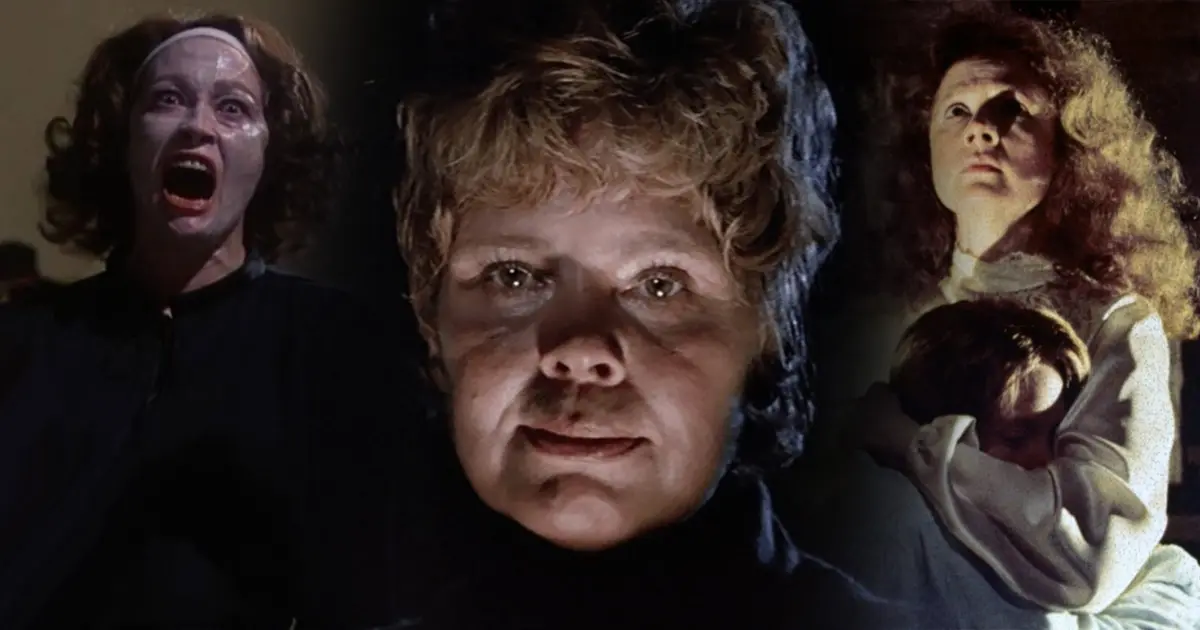
While traditional storytelling in film often leans into comforting archetypes of the gentle, endlessly nurturing matriarch, the landscape of global cinema holds a vast, shadowy mirror up to the more complex—and frequently terrifying—realities of motherhood. Across genres spanning psychological thrillers, pitch-black comedies, domestic dramas, and visceral horror, filmmakers have consistently interrogated the dark side of maternal bonds. These figures are rarely shaped by standard villainy; instead, their descent into manipulation, tyranny, and psychosis is driven by toxic control, unmitigated trauma, profound grief, warped religious fanaticism, or consuming jealousy.
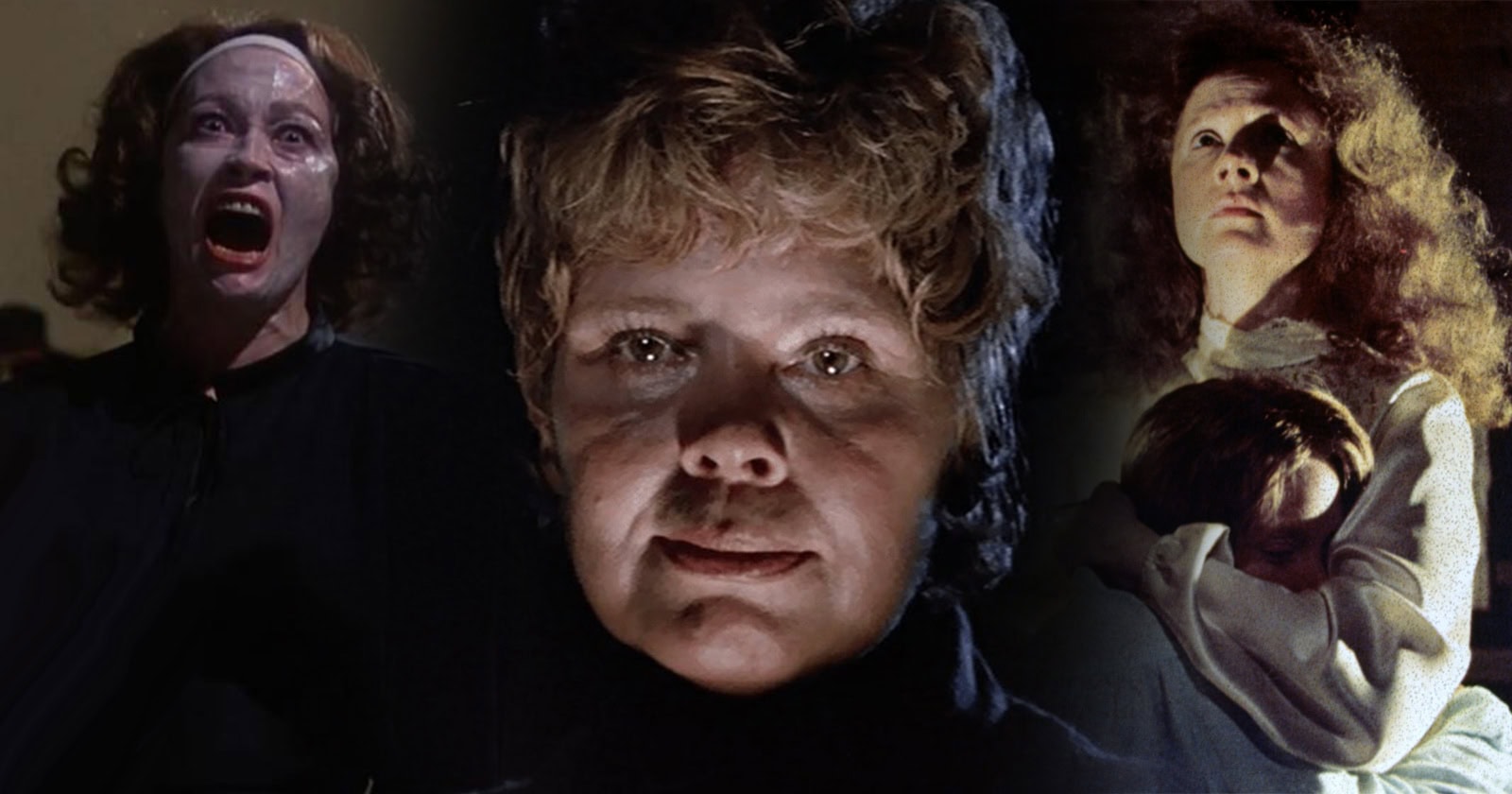
This curated retrospective examines ten of the most unforgettable, unhinged, and terrifying mothers ever committed to celluloid. From classic Hollywood adaptations to boundary-pushing exploitation and award-winning dramatic performances, these characters remind audiences that the home is not always a sanctuary—and that sometimes, the greatest monster of all is the person tasked with protecting you.
Detailed Chronology of Cinematic Matriarchal Madness
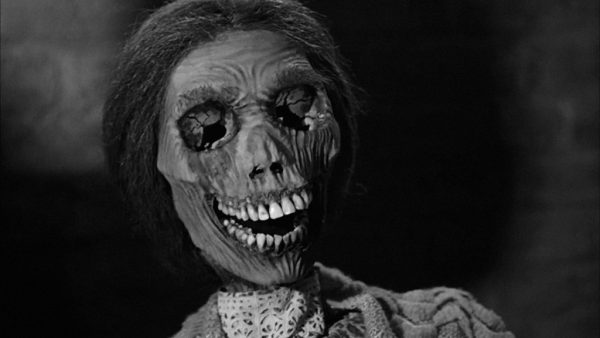
1. Psycho (1960) — Norma Bates
- Portrayed by: Virginia Gregg, Paul Jasmin, and Jeanette Nolan (Voice)
- The Premise: Alfred Hitchcock’s masterclass in suspense revolutionised the horror genre by weaponising the power of absence. Long before Norman Bates (Anthony Perkins) welcomes weary travellers to the secluded Bates Motel, his unseen, tyrannical mother dictates his every waking thought from a looming Victorian house on the hill.
- The Madness: Norma Bates is a masterclass in psychological domination. Hitchcock relies on minimalist cinematic sleight-of-hand—silhouettes, shadows, and a piercing, shrill voice—to convince the audience of her physical presence. The chilling truth, revealed in the film’s iconic third-act twist, shatters reality: Norma is long dead, preserved in a macabre state of taxidermy and psychosis within her son’s fractured psyche. Director Hitchcock expertly enlisted three separate voice actors (Virginia Gregg, Paul Jasmin, and Jeanette Nolan) to blend their vocal tones, creating an eerie, multi-layered auditory nightmare that permanently changed cinematic horror.
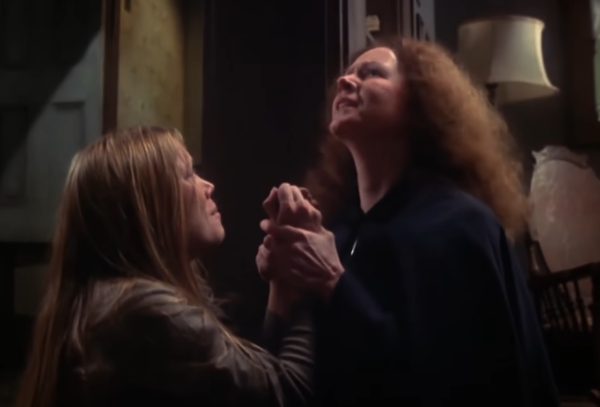
2. Carrie (1976) — Margaret White
- Portrayed by: Piper Laurie
- The Premise: Based on Stephen King’s breakout novel and directed by Brian De Palma, Carrie examines the devastating convergence of high school bullying and religious fanaticism. Poor Carrie White (Sissy Spacek) is tormented relentlessly by her peers, but the true psychological cage is her home, ruled by her mother, Margaret.
- The Madness: Margaret White views her daughter’s blossoming womanhood not as a natural milestone, but as a vile act of sin. When Carrie experiences her first period, Margaret forces her into a dark "prayer closet" to beg for divine forgiveness. As Carrie’s latent telekinetic abilities surface, Margaret’s fanatical devotion curdles into violent delusion, culminating in a harrowing, fatal ambush during the film’s climax. Piper Laurie’s performance earned a well-deserved Academy Award nomination for Best Supporting Actress, cementing Margaret White as the ultimate portrait of weaponised religious zealotry.
3. Mommie Dearest (1981) — Joan Crawford
- Portrayed by: Faye Dunaway
- The Premise: Emerging as a defining icon of New Hollywood through classics like Bonnie and Clyde, Chinatown, and Network, Faye Dunaway took a sharp, daring detour into biographical trauma with Mommie Dearest. Adapted from the 1978 memoir by Christina Crawford, the film exposes the deeply abusive, behind-closed-doors relationship between the legendary screen goddess and her adopted daughter.
- The Madness: Dunaway delivers a tour-de-force of high-camp theatricality and chilling cruelty, speaking in a rigid mid-Atlantic cadence and sporting a Kabuki-like cold-cream face mask. The film immortalised several pop-culture touchstones, most notably the frenzied "wire hanger" sequence, where a minor infraction regarding closet organisation triggers a terrifying, wide-eyed rampage. Though initially met with divisive critical reception—sharing a Razzie "win" for Worst Actress—the film has evolved into an undisputed, quoted-to-death cult classic.
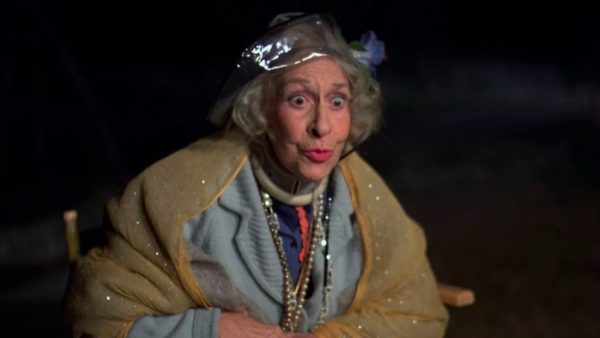
4. Mother’s Day (1980) — "Mother"
- Portrayed by: Beatrice Pons (credited as "Rose Ross")
- The Premise: Charles Kaufman’s notorious exploitation slasher presents a perversion of the idyllic family unit. Beatrice Pons, a veteran of wholesome mid-century sitcoms like The Phil Silvers Show, took a staggering career risk by stepping into the role of a twisted suburban matriarch.
- The Madness: Credited under a pseudonym to protect her mainstream legacy, Pons plays "Mother," a woman who has cultivated a chilling domestic philosophy. Rather than steering her dim-witted adult sons, Ike and Addley, toward productive lives, she encourages their kidnapping, torture, and assault of innocent vacationers as if they were routine household chores. The film’s brazen blend of degradation and pitch-black comedy made it a lightning rod for controversy, earning a spot on the United Kingdom’s infamous "video nasty" ban list for decades.
5. The People Under the Stairs (1991) — "Mommy"
- Portrayed by: Wendy Robie
- The Premise: Wes Craven stepped away from the dreamscape terror of A Nightmare on Elm Street to deliver a darkly satirical, politically charged horror-thriller. Character actress Wendy Robie pivoted away from her eccentric, sympathetic turn as Nadine Hurley in Twin Peaks to embrace pure terror.
- The Madness: Alongside Everett McGill’s "Daddy," Robie’s "Mommy" presides over a fortified, labyrinthine suburban estate. Functioning in an incestuous, violently distorted marital dynamic, the couple abducts, imprisons, and tortures young children and runaways in their subterranean cellar. Robie infuses the character with a chilling, deadpan authoritarianism that transforms the American dream into an inescapable house of horrors.
6. Braindead a.k.a. Dead Alive (1992) — Vera Cosgrove
- Portrayed by: Elizabeth Moody
- The Premise: Before journeying to Middle-earth, Peter Jackson helmed one of the bloodiest, most inventive splatter-comedies in cinematic history. At the center of the chaos is Vera Cosgrove, a domineering matriarch who holds an iron grip over her meek adult son, Lionel (Timothy Balme).
- The Madness: Vera is fiercely protective to a pathological degree, aggressively sabotaging Lionel’s romance with his girlfriend, Paquita. When Vera is bitten by a mutated Sumatran rat-monkey at the local zoo, her petty tyranny transforms into something far worse. As her body rots away, she guilt-trips Lionel while subjecting guests to a legendary, stomach-churning luncheon featuring pus-filled pastries and detached body parts. Her eventual transformation into a towering, grotesque 20-foot monster makes her one of horror-comedy’s most memorable villains.
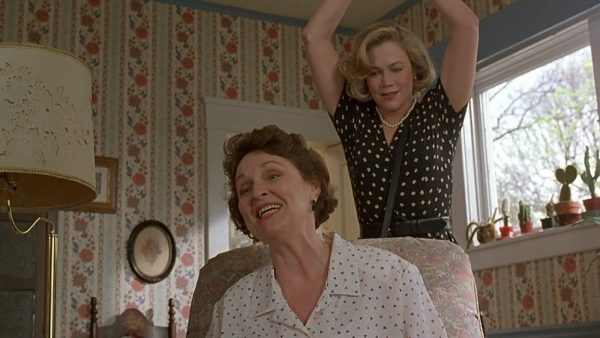
7. Serial Mom (1994) — Beverly Sutphin
- Portrayed by: Kathleen Turner
- The Premise: John Waters’ delightfully subversive crime comedy presents a satirical takedown of suburban complacency. Kathleen Turner stars as Beverly Sutphin, an outwardly pristine housewife and mother living in Baltimore.
- The Madness: Beverly is the ultimate embodiment of the "rotten apple" metaphor: vibrant on the outside, utterly decayed within. Driven by extreme, toxic maternal instincts and a bizarre moral code, she embarks on a gleeful killing spree over trivial offenses. From making obscene prank calls to running over an annoying math teacher and bludgeoning an elderly woman to death with a frozen leg of lamb because she refused to rewind a rented VHS tape, Beverly operates without a shred of remorse. Turner’s masterclass in deadpan delivery makes this unhinged matriarch an icon of dark satire.
8. Friday the 13th (1980) — Pamela Voorhees
- Portrayed by: Betsy Palmer
- The Premise: Before her son Jason took over the machete-wielding duties in the franchise’s endless sequels, the original slasher icon of Camp Crystal Lake was Pamela Voorhees. Consumed by grief after her neglected, deformed son drowned due to inattentive camp counsellors, Mrs. Voorhees seeks absolute vengeance.
- The Madness: Betsy Palmer brings a chilling, schizophrenic energy to the role. In the film’s iconic twist ending, Mrs. Voorhees’s polite facade shatters entirely. In an uninterrupted, masterfully held close-up shot, she transitions seamlessly between mimicking her dead son’s childlike, high-pitched voice and unleashing a raspy, ferocious maternal rage. It is a performance that anchors the slasher genre in genuine, albeit warped, human emotion.
9. Hereditary (2018) — Annie Graham
- Portrayed by: Toni Collette
- The Premise: Ari Aster’s feature-length directorial debut redefined elevated horror by chronicling the slow, agonizing psychological unraveling of the Graham family. Following the death of her secretive, demanding mother, miniature artist Annie Graham (Toni Collette) attempts to keep her fractured household together.
- The Madness: Already burdened by repressed trauma and a strained relationship with her children, Annie is pushed past the breaking point following a secondary family tragedy. Collette delivers a career-defining, raw performance of unbridled grief and panic. The film’s infamous dinner-table confrontation—where Annie erupts in explosive fury at her teenage son, Peter—captures the terrifying reality of a mother whose psychological sanctuary has collapsed into supernatural possession.
10. Precious (2009) — Mary Lee Johnston
- Portrayed by: Mo’Nique
- The Premise: Lee Daniels’ uncompromising domestic drama strips away all genre artifice to examine the brutal realities of urban poverty and domestic abuse. Mo’Nique stepped away from her comedic roots to deliver a vanity-free, harrowing performance as Mary Lee Johnston.
- The Madness: Mary Lee represents the absolute nadir of maternal cruelty. Devoid of any maternal warmth, she subjects her teenage daughter, Precious (Gabourey Sidibe), to relentless verbal, physical, and psychological abuse, fueled by deep-seated jealousy and resentment. Mo’Nique’s terrifyingly authentic portrayal of an unhinged, abusive mother swept the awards circuit, earning her the Academy Award, BAFTA, Golden Globe, and SAG Award for Best Supporting Actress.
Supporting Context & Metrics: The Box Office and Critical Reception
While cinematic portrayals of unhinged mothers frequently alienate mainstream audiences upon initial release, time has proven their cultural longevity. Economically and critically, these films occupy fascinating spaces within industry metrics:
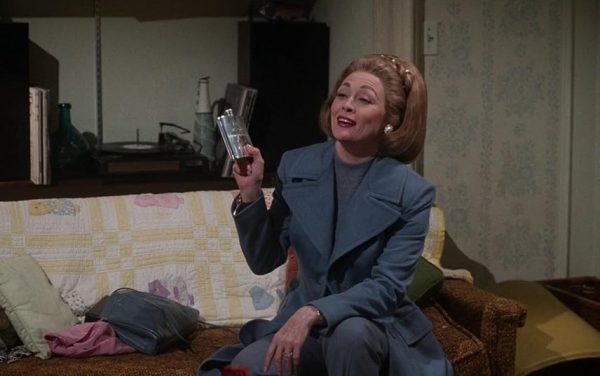
- Critical Vindication vs. Initial Backlash: Films like Mommie Dearest (1981) and Mother’s Day (1980) were initially panned or heavily censored upon release, earning Razzies or "video nasty" classifications. However, retrospective critical evaluation has repositioned them as camp masterpieces and boundary-pushing satires.
- Academy Recognition: Horror and dark comedy are historically overlooked by the Academy Awards. Yet, performances by Piper Laurie (Carrie), Sissy Spacek (Carrie), Toni Collette (Hereditary—though notably snubbed, widely championed by critics), and Mo’Nique (Precious) demonstrate that portrayals of psychological extremity often demand the highest level of dramatic virtuosity, occasionally breaking through the Oscar barrier.
Official Statements and Industry Insights
Reflecting on the enduring appeal of these dark maternal archetypes, film historians and psychological analysts point to the subversion of societal expectations as a primary narrative engine.
Industry analysts note that stories featuring toxic or unhinged mothers strike a primal nerve with viewers. Because society conditions individuals to view motherhood as an absolute safety net, twisting that dynamic creates an immediate, visceral sense of vulnerability. Filmmakers utilize these characters not merely to shock, but to explore complex themes of generational trauma, mental health, and the crushing weight of domestic expectations.
Future Outlook: The Evolution of the Cinematic Matriarch
As contemporary cinema continues to embrace elevated horror, psychological thrillers, and complex character studies, the archetype of the "crazy movie mother" is undergoing a sophisticated evolution. Modern storytellers are moving away from flat, one-note depictions of villainy, increasingly favoring nuanced explorations of postpartum psychosis, generational abuse, and the societal pressures placed on modern mothers.
Upcoming projects across independent and studio circuits suggest that audiences’ fascination with the dark side of motherhood is only growing stronger. As long as filmmakers seek to examine the deepest corners of the human psyche, the screen will continue to feature matriarchs who challenge, terrify, and redefine the boundaries of family bonds.
Who are your favourite crazy movie mothers? Let us know on our social channels @FlickeringMyth…
Casey Chong




Belum ada komentar. Jadilah yang pertama berkomentar!