

Executive Overview
As the gaming industry braces itself for what is arguably the most monumental commercial launch in digital entertainment history, a curious counter-phenomenon is unfolding across the digital storefronts of PC gaming. While the globe fixes its collective gaze on the juggernaut release of Grand Theft Auto 6, a resilient cohort of independent developers, strategic expansions, and niche simulation titles are stepping directly into the path of the storm.
For many publishers, the standard industry playbook dictates absolute avoidance—clearing the release calendar weeks before and after a AAA titan drops to prevent structural market cannibalization. Yet, a subset of developers on Valve’s Steam platform has chosen a different path. Recognizing that not every player owns a next-generation console, nor wishes to wait for a speculative future PC port, these creators are launching fresh experiences precisely during the GTA 6 launch window.
This counter-programming strategy offers an intriguing case study in market adaptation. Rather than attempting to out-muscle the Vice City colossus on its own turf, these titles cater to dedicated audiences seeking specific, deliberate gaming experiences: grand strategy purists, cozy builders, tactical roguelike enthusiasts, number-crunching idle gamers, and municipal infrastructure architects. This report examines the economic rationale, the lineup of counter-programming releases, and the strategic outlook for PC-centric developers choosing to stand their ground during the industry’s most disruptive week.
Detailed Chronology: A Week of Divergent Realities
The upcoming mid-November release window will bifurcate the gaming community into two starkly contrasting realities. On one side lies the mainstream console and media ecosystem, utterly dominated by the cultural shockwave of Rockstar Games’ latest open-world masterpiece. On the other lies the sanctuary of PC gaming, where a diverse selection of specialized titles will quietly deploy their codebases to Steam.
November 16: Coziness, Cards, and Commuter Control
The counter-offensive begins in earnest mid-month with a triad of remarkably disparate releases designed to capture segmented player bases:
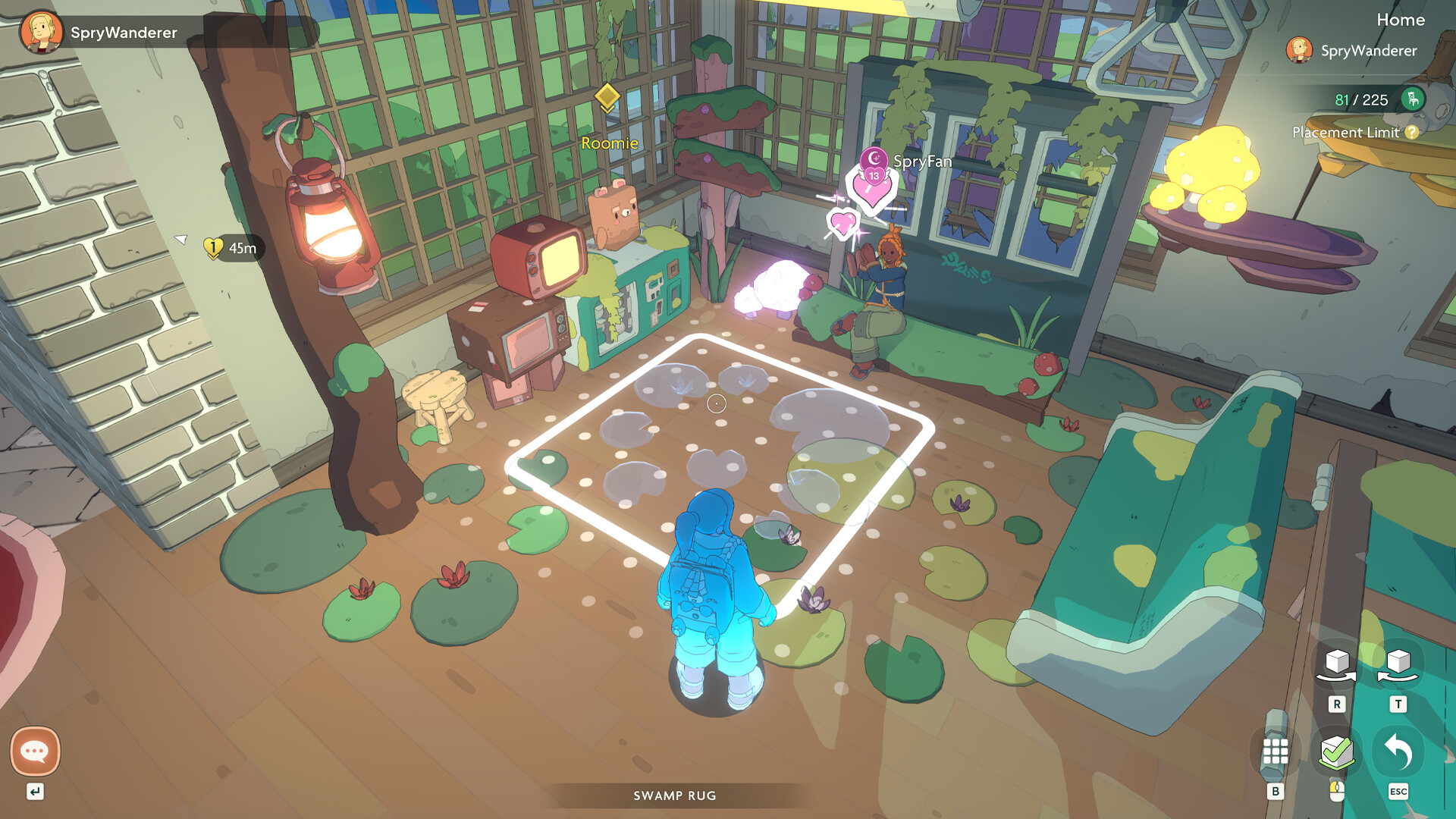
- Spirit Crossing (Spry Fox): Arriving on November 16, this building, crafting, and decorating MMO drops players into a pastel-tinted world populated by charming spirits and whimsical aesthetics. Utilizing a multiplayer philosophy akin to Sky: Children of the Light, it allows players to dictate their own social boundaries. Other users remain ghostly presences unless mutual engagement is established, offering an ideal refuge for those seeking stress-free digital real estate management while the rest of the gaming world engages in virtual chaos.
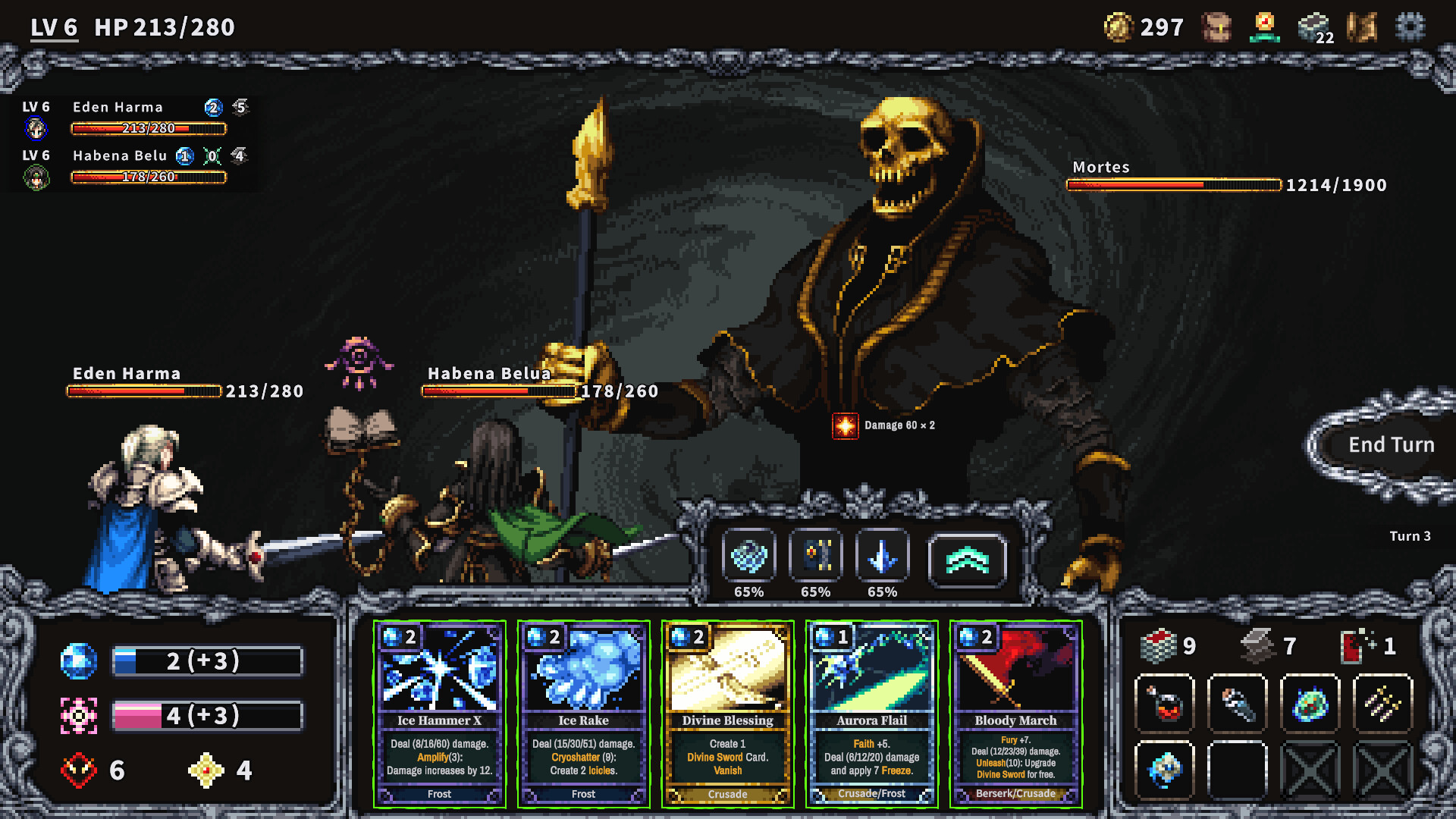
- Harma (Astrolabe Games – Early Access): Launching into early access on the same day, Harma injects pixel-art tactical depth into the roguelike deckbuilder genre. Featuring a robust story-driven campaign alongside a highly replayable "Dimensional Rift" mode, the title has proactively addressed modern anxieties by confirming its development was handled entirely by human creators without generative AI tooling.
- Trafficity (Onramp Games): Also debuting on November 16, this simulation title strips away the chaotic violence of street-level crime sprees and replaces it with the serene, mathematically satisfying management of civil engineering. Utilizing gridless road design tools, customizable traffic lights, and dynamic interchange simulations, players are tasked with mastering the ultimate urban puzzle: making the traffic flow seamlessly.
November 17: Commerce and Infinite Grinds
The following day brings heavy artillery for strategy and spreadsheet aficionados:
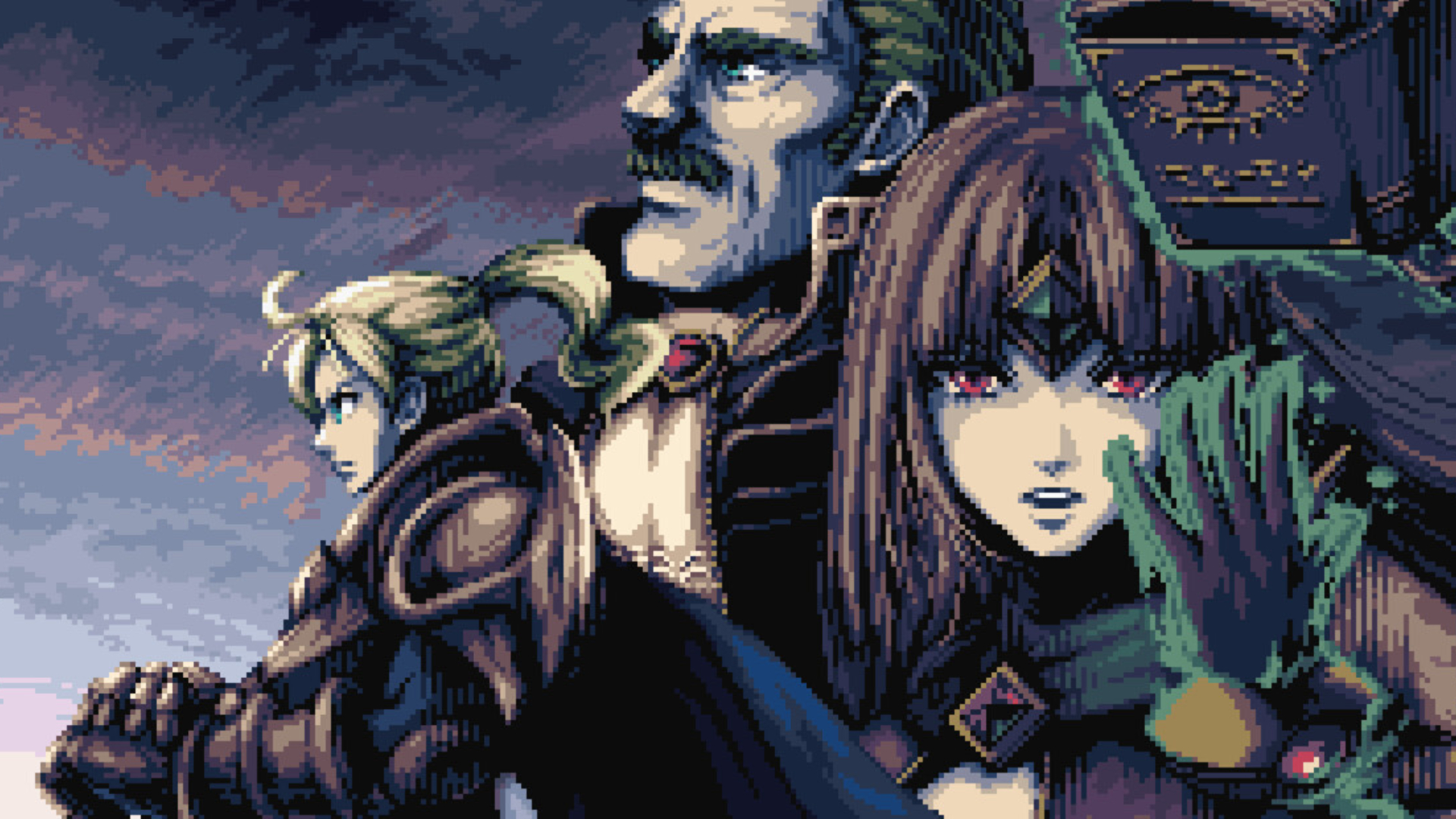
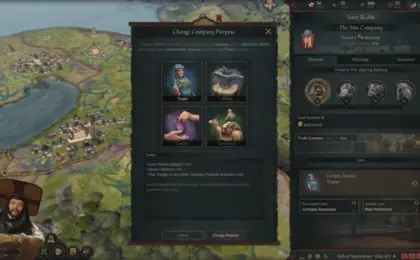
- Crusader Kings 3: Silk and Silver (Paradox Interactive): For the grand strategy community, Paradox is dropping its latest major expansion on November 17. Moving away from political assassinations and land conquests alone, Silk and Silver introduces deep mercantilism mechanics. Merchant families can now battle for trade route monopolies, lobby using immense wealth, and utilize new Republic governments where patrician dynasties vie for dominance in constitutional assemblies. Heavily flavored with rich Italian historical content, it offers an intellectual alternative to high-octane action.
- Melvor Idle 2: A RuneScape Adventure (Jagex): Rounding out the mid-week releases on November 17 is the early access launch of Melvor Idle 2. Published under the wing of Jagex after the breakout success of its predecessor, this sequel caters to a hyper-specific demographic: gamers who love the infinite progression loops of Old School RuneScape stripped of everything except the pure, unadulterated satisfaction of watching numbers climb as items are gathered and skills are leveled.
Supporting Context & Metrics: The Economics of Counter-Programming
To understand why developers would willingly launch a game during the same week as a historical sales behemoth, one must analyze the shifting demographics and psychological profiles of modern PC gamers.
The Platform Divide
The most critical factor driving this counter-programming is hardware accessibility. While Grand Theft Auto 6 commands unprecedented mindshare, its initial release window is strictly confined to current-generation consoles. Furthermore, the financial barrier to entry—combining the cost of hardware upgrades or console purchases alongside software pricing—leaves millions of dedicated PC-only gamers sitting on the sidelines.
For these players, purchasing a console solely for one title is financially unjustifiable. Consequently, the active user base on Steam during the mid-November window will not vanish entirely; rather, it will be populated by a massive concentration of PC loyalists actively looking for new software to justify their platform choice.
Niche Defensibility vs. Mass Market Cannibalization
In digital economics, mass-market titles operate on a winner-take-all principle. However, genre-specific simulations and grand strategy expansions operate on loyalty and depth. A player deeply invested in the mercantile mechanics of Crusader Kings 3 or the meditative pacing of Melvor Idle 2 is rarely swayed by open-world action-adventure games, regardless of their production value.
| Game Title | Genre / Category | Primary Platform | Launch Date | Target Demographic |
|---|---|---|---|---|
| Spirit Crossing | Cozy MMO / Crafting | PC (Steam) | Nov 16, 2026 | Casual builders, social explorers |
| Harma | Roguelike Deckbuilder | PC (Steam) | Nov 16, 2026 | Tactical card-battler fans |
| Trafficity | Urban Planning Simulation | PC (Steam) | Nov 16, 2026 | Simulation and logistics enthusiasts |
| Crusader Kings 3: Silk & Silver | Grand Strategy Expansion | PC (Steam) | Nov 17, 2026 | Strategy veterans, history buffs |
| Melvor Idle 2 | Incremental / RPG | PC (Steam) | Nov 17, 2026 | RuneScape veterans, idle game fans |
By targeting micro-communities with high retention rates, publishers like Paradox and Jagex mitigate the risks of broad-market cannibalization. These players do not want a bigger sandbox to shoot people in; they want to optimize trade routes, balance municipal roundabouts, or grind virtual mining nodes for hours on end.
Official Statements and Industry Insights
While major industry voices have spent months debating whether to delay titles out of the fourth quarter entirely, the developers pushing forward have adopted a philosophy of proactive resilience.
In promotional briefings for Harma, development teams emphasized transparency regarding their production pipelines, explicitly noting that their artistic assets were "developed entirely by human creators and do not contain any contents or assets generated by AI tools." This proactive stance highlights an emerging marketing angle: reassuring Steam’s discerning user base of authentic craftsmanship during an era of digital saturation.
Similarly, strategy analysts note that Paradox Interactive’s scheduling of Silk and Silver demonstrates confidence in the inelastic demand of historical grand strategy titles. "When you own a distinct vertical of the strategy market, your audience isn’t shopping around for a cinematic blockbuster; they are looking for their next hundred-hour empire-building fix," remarks industry analyst Marcus Vance. "Trying to hide from a blockbuster launch is often unnecessary when your product serves an entirely different cognitive appetite."
Future Outlook: What This Means for PC Game Releases
The friction between mega-blockbuster console releases and specialized PC software launches highlights a maturing digital marketplace. As development cycles lengthen and budgets for AAA titles balloon into the hundreds of millions of dollars, the traditional method of clearing the entire release calendar becomes increasingly impractical for mid-tier and indie studios.
Looking ahead, we can expect the following trends to shape the PC gaming landscape:
- Strategic Differentiation: Developers will increasingly lean into genres that rely on deep intellectual engagement—such as simulation, strategy, and incremental games—to insulate themselves from the marketing dominance of cinematic action games.
- Platform-First Mentality: With PC gaming continuing to capture a dominant share of global software revenue through platforms like Steam, studios are realizing they do not need to tether their release strategies to console hardware cycles.
- Human-Centric Marketing: As demonstrated by titles like Harma, proving human artistry and hands-on development will become a key differentiator for independent games fighting for attention in crowded release windows.
Ultimately, while the entertainment world’s spotlight will undoubtedly illuminate Vice City next week, the steady, reliable hum of PC cooling fans across the globe will keep spinning. For millions of players—and the brave developers building games for them—the show will go on, one trade route, traffic light, and idle click at a time.





Belum ada komentar. Jadilah yang pertama berkomentar!