

Executive Overview
Japan’s railway network is globally celebrated for its hyper-efficient Shinkansen bullet trains and the seamless, complex web of urban commuter lines operated by Japan Railways (JR). Yet, beneath the high-speed arteries of the nation’s transit system lies a deeply romantic, slower-paced subculture: the regional local lines. Operating in rural prefectures with vintage rolling stock, single-track routes, and an unapologetic celebration of local character, these lines offer a window into an older, more intimate Japan.
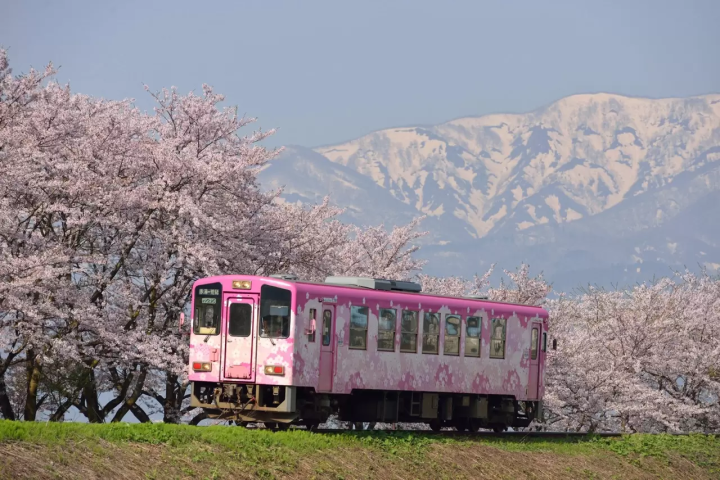
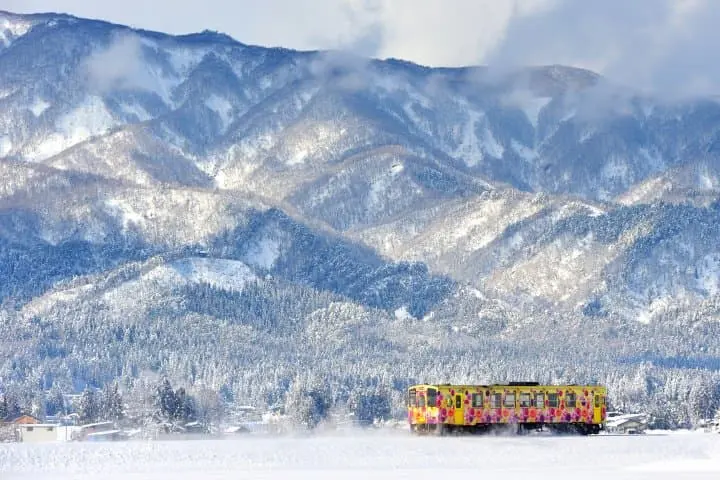
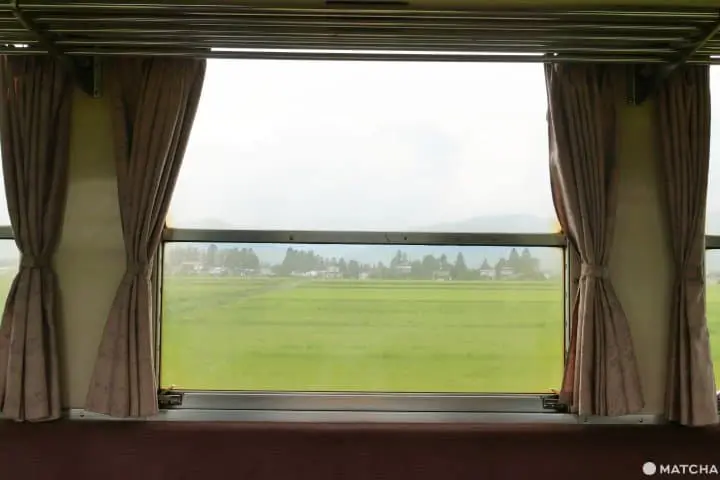
Among these rural gems, the Flower Nagai Line in Yamagata Prefecture occupies a singular position. Spanning 17 stations over a roughly one-hour journey from Akayu Station in Nanyo City to Arato Station in Shirataka Town, the line traces a picturesque path north along the majestic Mogami River—historically known as the "Mother of Yamagata."
Far more than a simple commuter route, the Flower Nagai Line has transformed into a masterclass in rural revitalization. Through innovative branding, community-focused design, an internationally famous animal stationmaster, and quirky, high-concept tourism events like rolling wine tastings and moving professional wrestling matches, this historic railway has redefined what it means to travel local. This comprehensive report examines the structural evolution, cultural resonance, and tourism ecosystem of the Flower Nagai Line, detailing how a modest regional railway turned adversity into an enduring celebration of community pride.
Detailed Chronology: From Light Railway to Community Lifeline
To understand the contemporary success of the Flower Nagai Line, one must trace its operational evolution through more than a century of regional change.
The Formative Years (1910s – 1988)
The origins of the route trace back to the early 20th century, when the necessity for industrial and passenger connectivity in inland Yamagata became paramount. Originally established as the Nagai Light Railway, the small-scale route was designed to link localized agricultural communities to larger regional markets, facilitating the transport of regional staples such as rice, timber, and the region’s famed safflowers (benibana).

For decades, the line operated as a standard, utilitarian rural railway. However, by the late 20th century, depopulation, the rise of automobile ownership, and shifting economic paradigms placed severe financial and operational pressures on regional lines across Japan. Many similar railways faced outright abandonment.
The 1988 Turning Point and Rebranding
A critical juncture arrived in 1988. Facing the threat of terminal decline, a restructuring of management and strategic route expansion breathed new life into the corridor. Transferred to the Yamagata Railway Company, the route was formally christened the Flower Nagai Line.
This rebranding was not merely cosmetic; it signaled a strategic pivot. Management recognized that the railway could not compete with highways on speed or capacity. Instead, it positioned the railway as an experiential tourism asset. The line embraced its diminutive size, quaint train cars, and rural scenery as core selling points rather than operational liabilities.

The Modern Era: Animal Ambassadors and Cultural Integration
Entering the 2010s, the Flower Nagai Line pioneered hyper-local marketing strategies that captured national and international media attention. The introduction of Mochii, a fluffy white rabbit stationed at Miyauchi Station in 2010, marked a turning point in experiential passenger engagement.
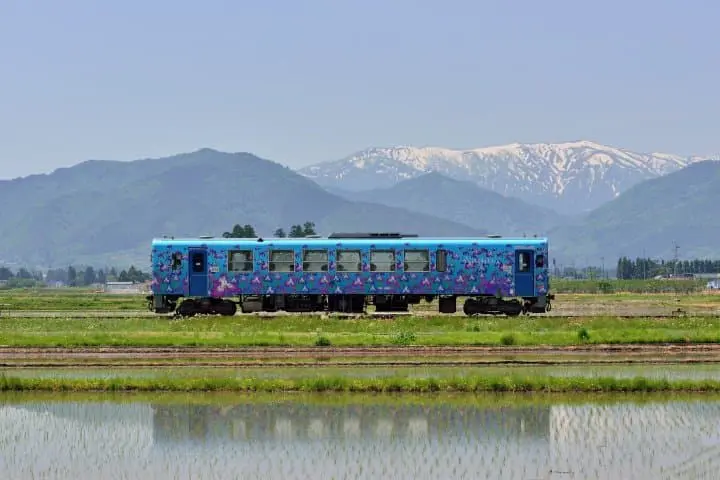
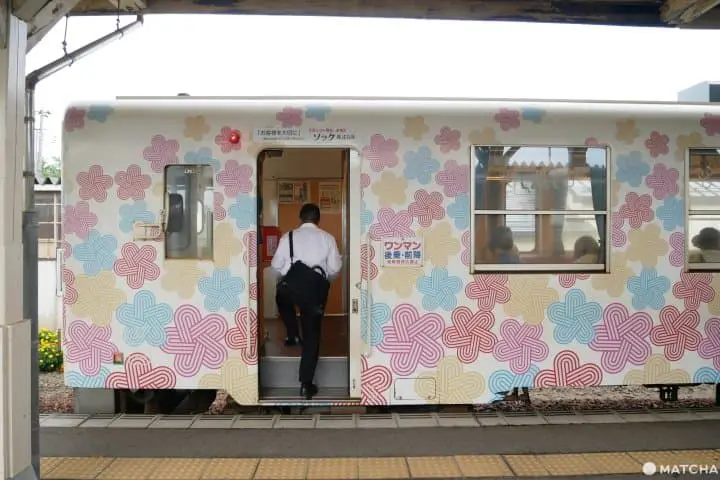
Concurrently, rolling stock underwent continuous artistic overhauls. Moving away from standard-issue regional rail aesthetics, the exterior and interior designs of the trains were systematically reimagined to celebrate regional identity—showcasing local municipal flowers, historical motifs, and collaborative community artwork. Today, the line stands as a resilient model of third-sector railway management in Japan, balancing public transportation duties with a vibrant tourism economy.
Supporting Context & Metrics: The Anatomy of the Line
Operating a rural railway requires a delicate equilibrium between fiscal responsibility and cultural preservation. Quantifying the scope of the Flower Nagai Line reveals the scale of its operation and its vital role within Yamagata’s infrastructure.
Operational Metrics and Geography
- Total Stations: 17 stations along the primary route.
- Duration: Approximately 60 minutes for a complete one-way transit from start to finish.
- Terminals: Begins at Akayu Station in the south and terminates at Arato Station in the north.
- Geographical Anchor: Parallels the Mogami River, navigating the agricultural heartland of the Yamagata basin.
Rolling Stock and Artistic Themes
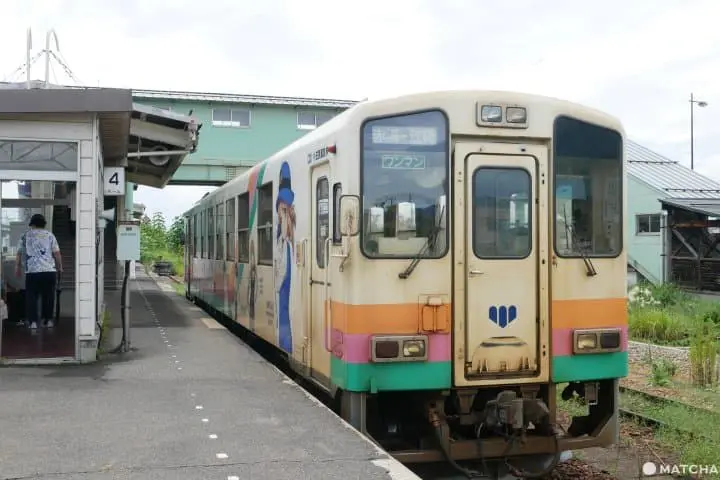
The physical trains of the Nagai Line are integral to its appeal. Initially outfitted with exterior color schemes symbolizing the four seasons (utilizing distinct shades of pink, green, orange, and white), the fleet underwent a comprehensive aesthetic redesign.

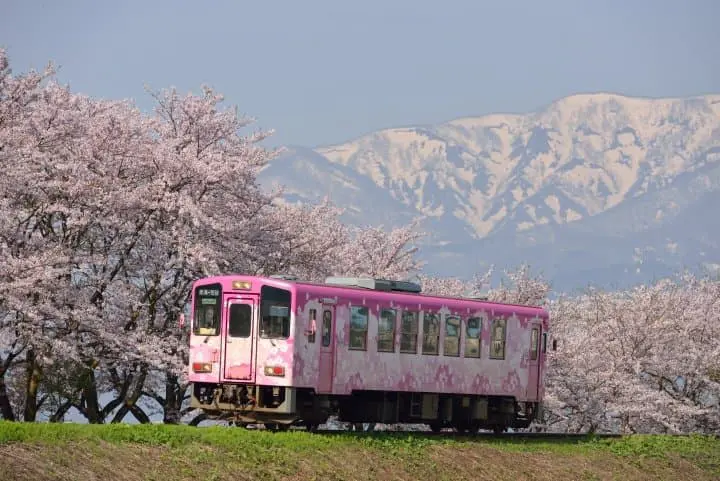
Modern cars are adorned with vibrant depictions of the official flowers native to the municipalities along the route:
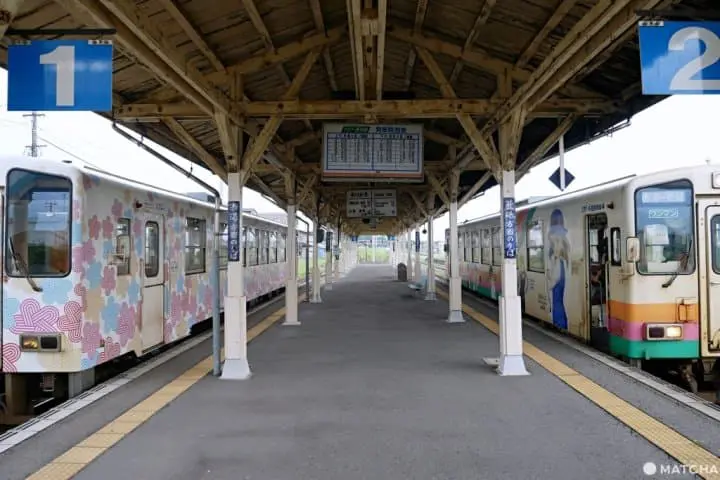
- Cherry Blossoms (Sakura): Representing spring and the region’s iconic floral arches.
- Irises (Ayame): Symbolizing early summer blooms and deep regional heritage.
- Dahlias: Highlighting autumn agricultural festivals.
Additionally, the introduction of the Shikisai Train serves as a moving symbol of administrative and cultural unity among the local towns. The integration of illustrated mascots—most notably Stationmaster Mochii and the railway’s mascot, Ringo Ayukai—transforms the interior of each carriage into an inviting, storybook environment that appeals to families and rail enthusiasts alike.
Station-by-Station Highlights
A journey along the 17 stations reveals a tapestry of Japanese history, craftsmanship, and natural beauty:
- Akayu Station (The Southern Gateway): Situated adjacent to Akayu Onsen, a hot spring resort boasting a 900-year history. Historically frequented by the powerful Uesugi samurai clan, the hot spring town maintains a deep artistic connection; notably, legendary Studio Ghibli director Hayao Miyazaki crafted a custom Totoro illustration specifically for the resort.
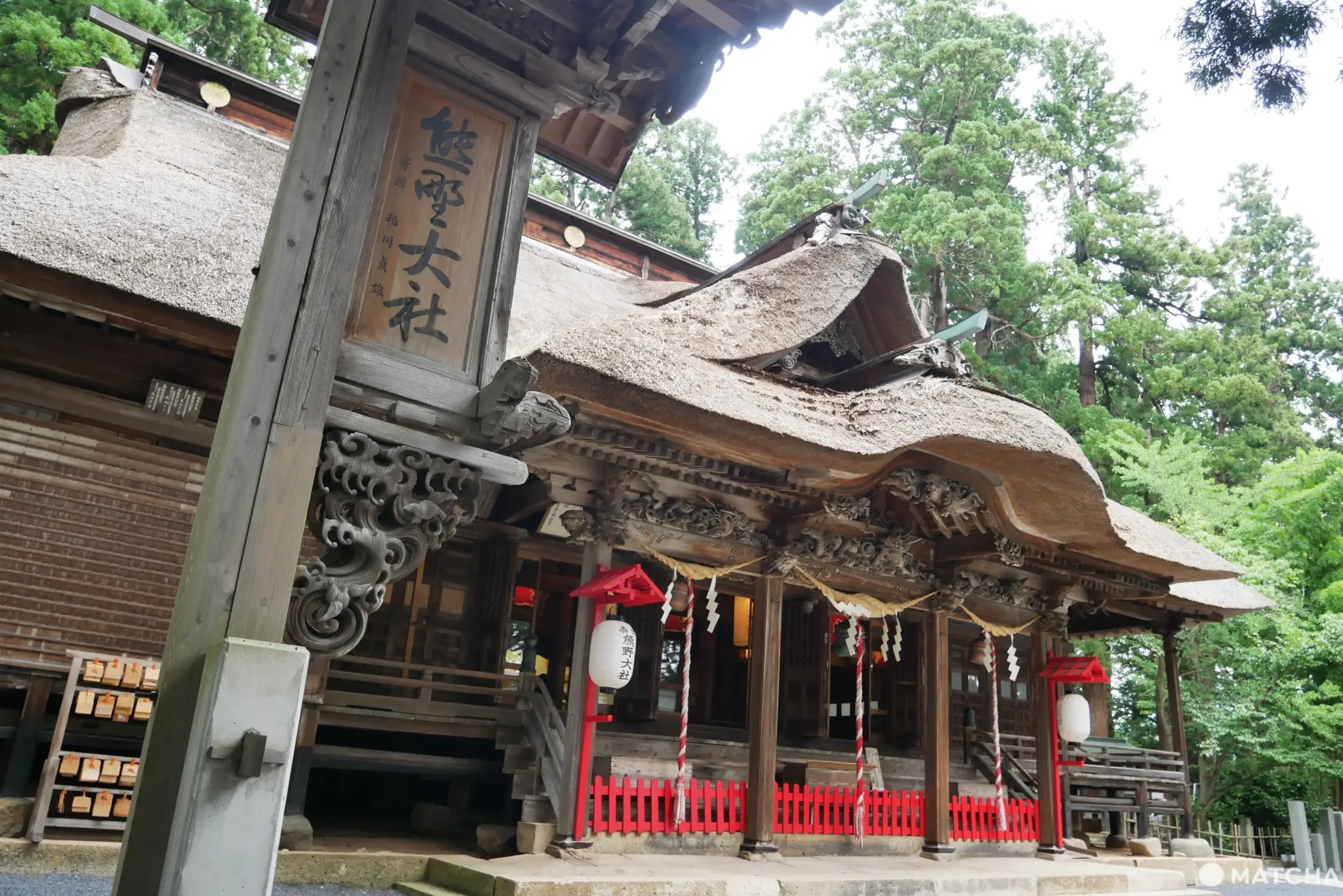
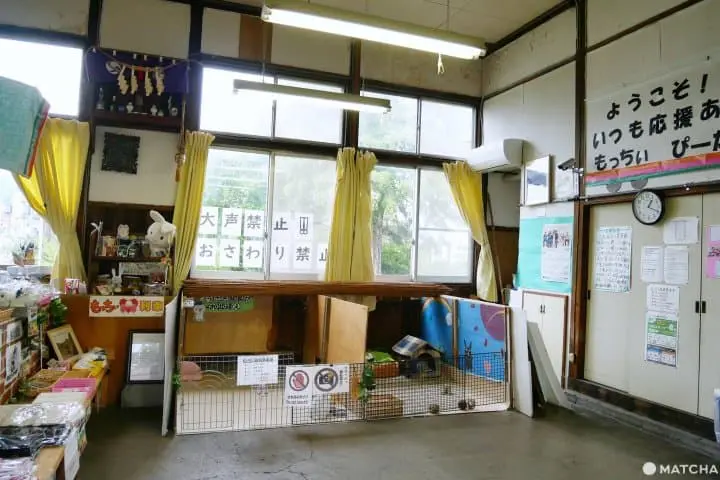
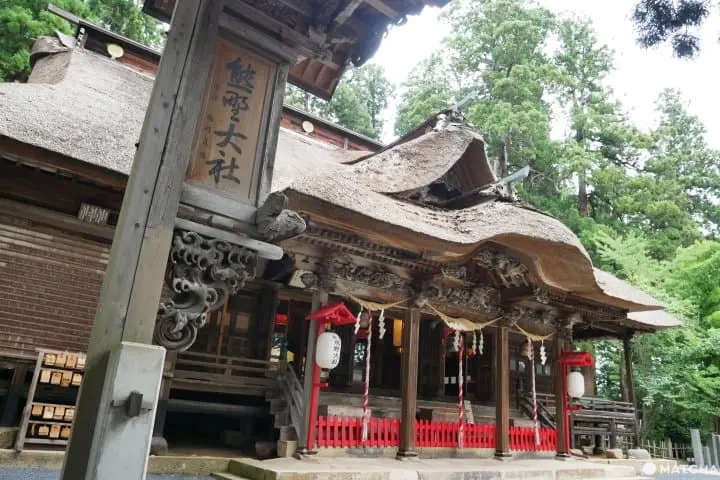
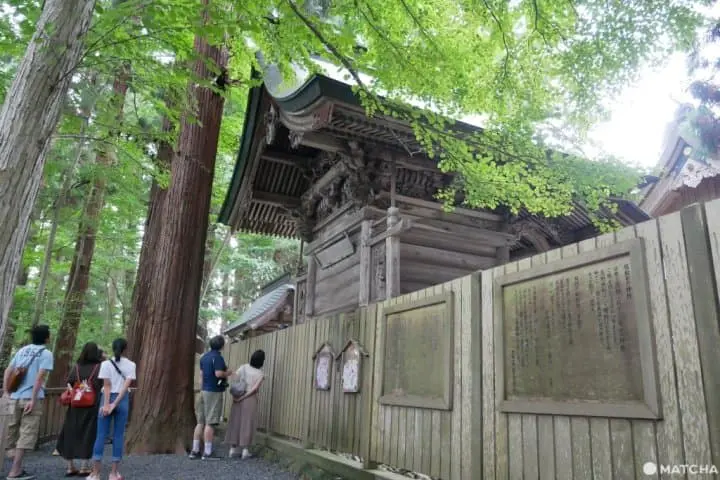
- Miyauchi Station (The Shrine and the Rabbit): Home to the famous Kumano Taisha Shrine, widely regarded as the "Ise of Tohoku." The shrine hosts an annual Reitaisai festival with a 1,200-year history and features a famous summer wind-chime festival. Most importantly, Miyauchi Station is the official residence of Stationmaster Mochii.
- Imaizumi Station (The Photographer’s Crossing): Acts as a critical passing loop where single-track trains pause to allow oncoming traffic to clear, offering rail photographers a rare opportunity to capture two distinct local trains within a single photographic frame.
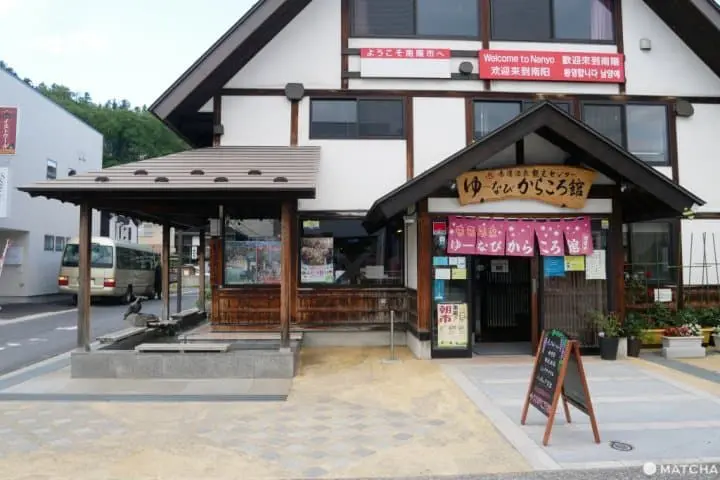
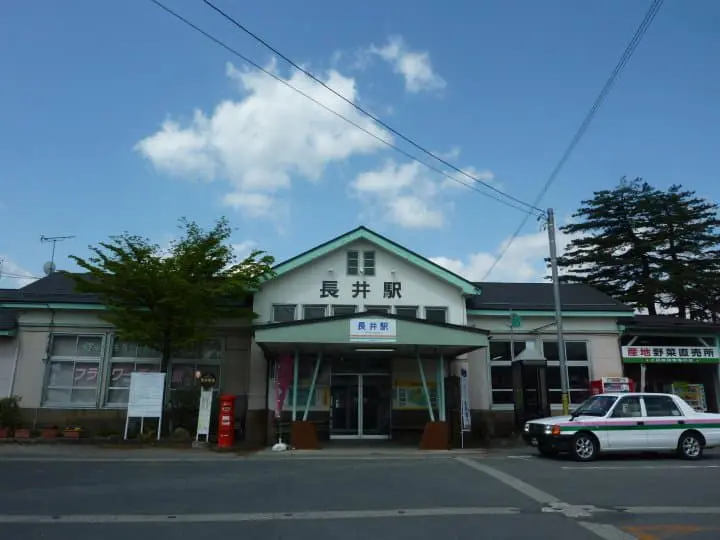
- Nagai Station (The Hub of Tradition): The primary operational and cultural hub. Visitors can rent bicycles to explore historic streetscapes, azalea parks, and retro Western-style architecture. Nagai City holds the distinction of being Japan’s top producer of kendama (traditional wooden skill toys), housing a dedicated international kendama experience hall.
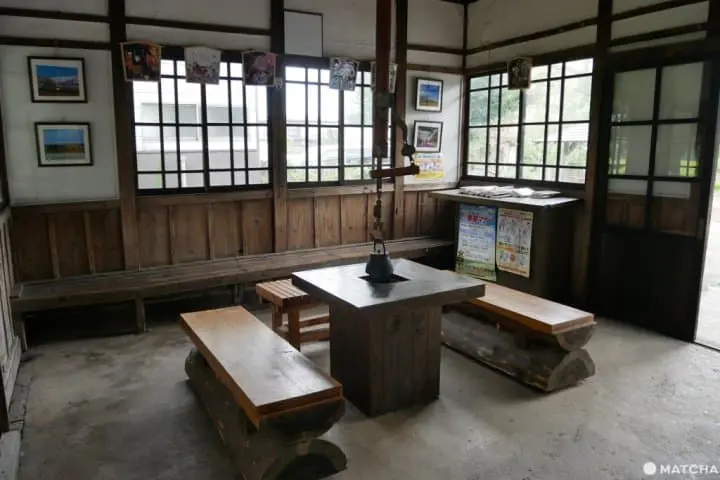
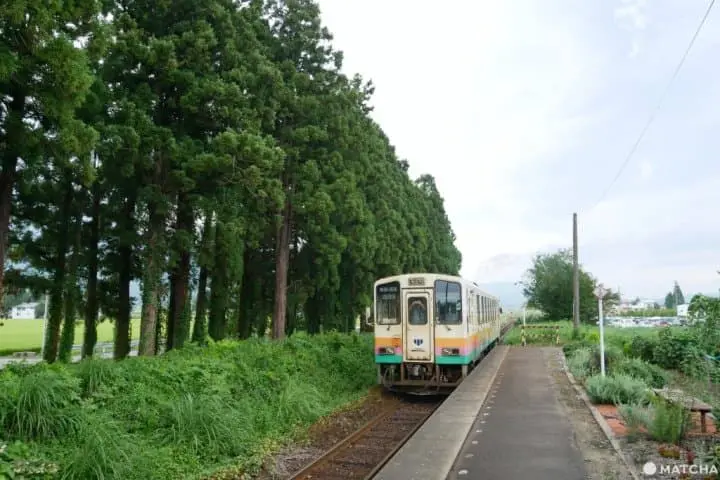
- Uzen-Narita Station (Architectural Time Capsule): Constructed in 1922, this historic wooden station building retains its vintage character, complete with decades-old notices and fare charts. The platforms are decorated with dried safflowers (benibana), honoring Yamagata’s historic red-dye textile industry, while a stately row of cedar trees frames the tracks.
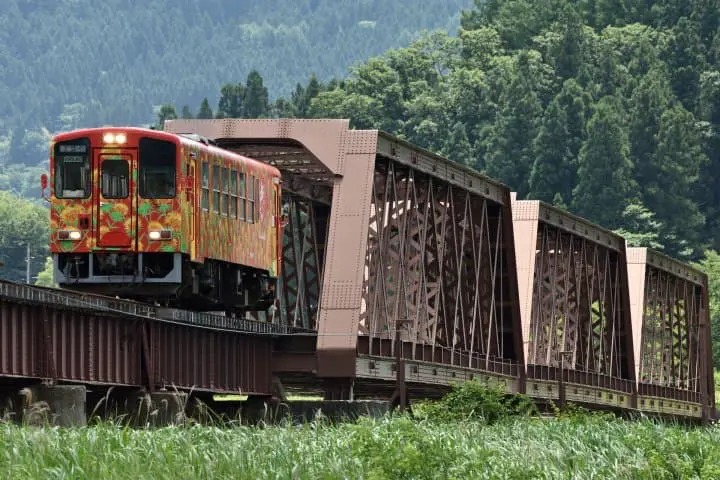
- Arato Station (Engineering History): Located near the northern terminus, accessing this station requires crossing the Mogami River Bridge—recognized as the oldest existing iron railway bridge in Japan, drawing a steady stream of structural engineering and railway history enthusiasts.
Official Statements and Stakeholder Perspectives
The enduring success of the Flower Nagai Line is a testament to the collaborative vision of regional tourism bureaus, municipal governments, and local residents.
Representatives from the Yamagata Arcadia Tourism Bureau, which provides ongoing promotional and interview assistance for the line, have consistently emphasized that the railway’s value extends far beyond transport economics. In regional tourism briefs, bureau officials highlight that the line acts as the "cultural spine" of the local basin. By anchoring tourism around slow travel, local gastronomy, and immersive heritage, the railway successfully mitigates the economic vulnerabilities typically associated with rural depopulation.
Local municipal leaders have likewise underscored the psychological importance of the line. The cooperative rebranding of the train cars—reflecting shared floral motifs rather than competing municipal identities—was intentionally designed to foster regional solidarity.
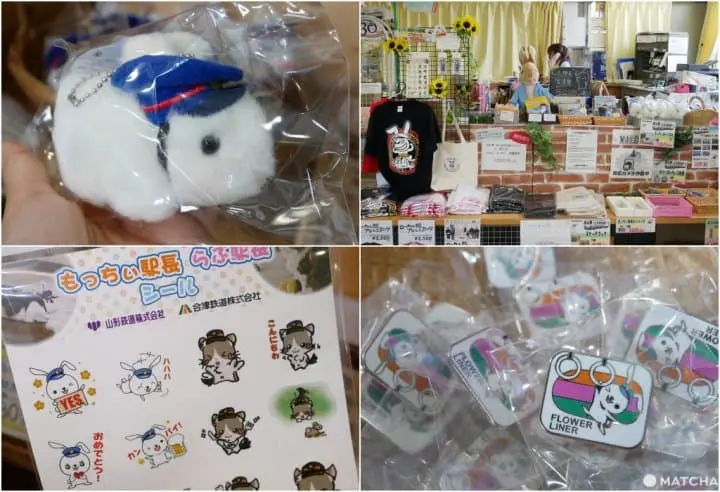
Furthermore, the appointment and care of animal stationmasters like Mochii reflect a community-wide commitment to hospitality (omotenashi). Stationmaster Mochii, who took up official duties in 2010, is treated not merely as a tourist attraction, but as a cherished municipal figure. While advanced age has curtailed Mochii’s active ceremonial duties—meaning the rabbit now spends restful days in a spacious, climate-controlled enclosure at Miyauchi Station—staff and caretakers maintain rigorous protocols to ensure the animal’s comfort and health. The enduring popularity of Mochii merchandise, including dedicated photo books and collaborative regional stickers (such as those featuring Love, the cat stationmaster from Fukushima Prefecture’s Aizu Railway), demonstrates how soft branding can generate sustainable revenue and deep emotional bonds with travelers across Japan.
Future Outlook: Innovation on the Rails
As regional railways across developed nations grapple with economic viability, the Flower Nagai Line offers a forward-thinking blueprint for rural transit survival. Looking toward the future, the railway’s management and regional stakeholders are focusing on several key strategic pillars to ensure long-term sustainability:
1. Experiential and Event Tourism Diversification
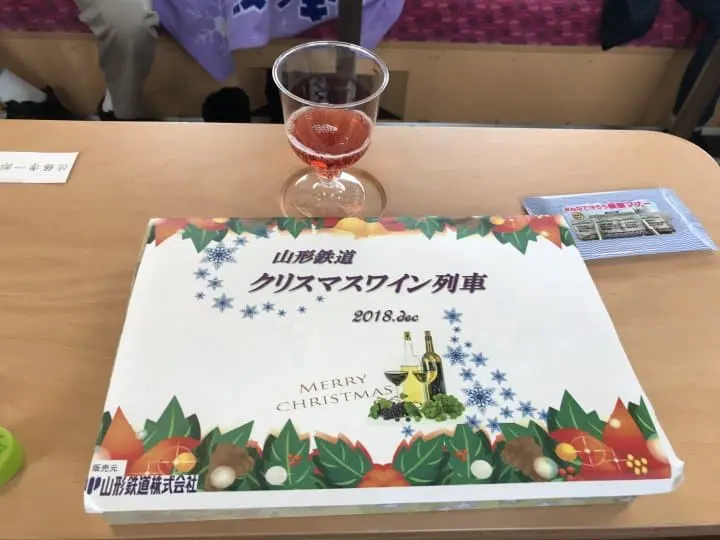
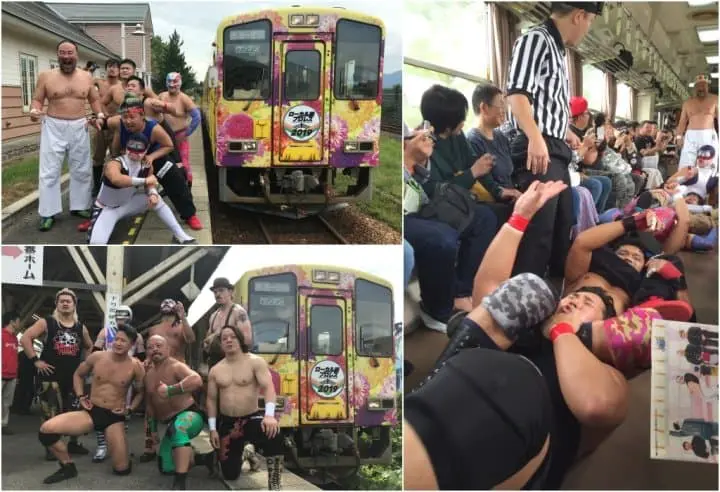
Traditional passenger revenues alone are insufficient to sustain rural infrastructure. The Nagai Line has proven that the train car itself can be transformed into a dynamic event venue. Following the immense success of the chartered Wine Train—where passengers enjoy regional wine-tasting sessions while traversing the Yamagata landscape—and the viral sensation of Local Line Pro Wrestling (featuring professional wrestling matches held inside moving carriages), planners are actively developing new themed excursions. Future concepts aim to integrate local craft beer tastings, seasonal culinary journeys highlighting Yamagata’s famed cherries and beef, and interactive storytelling performances.
2. Sustainable Slow Tourism and Active Mobility
With cycling tourism gaining massive traction in Japan, stations like Nagai serve as critical multimodal hubs. Future infrastructure investments are expected to further bridge cycling routes with rail travel, encouraging visitors to disembark, explore historical districts by bicycle, and reboard at subsequent stations. This model aligns perfectly with national initiatives promoting sustainable, low-carbon regional exploration.
3. Digital Engagement and Global Outreach
While domestic train enthusiasts (tetsu-ota) have long formed the core demographic of the line, digital marketing campaigns and cross-regional collaborations (such as joint merchandise with other animal-stationmaster railways) are expanding the line’s footprint among international travelers. By leveraging multilingual digital guides, social media platforms, and unique collectible memorabilia, the Flower Nagai Line is well-positioned to attract a new generation of global travelers seeking authentic, off-the-beaten-path Japanese experiences.

Conclusion
The Flower Nagai Line is far more than a collection of 17 stations connected by steel tracks. It is a living, breathing archive of Yamagata Prefecture’s natural beauty, industrial heritage, and community resilience. From the historic iron arches of the Mogami River Bridge to the quiet dignity of a vintage wooden station building, and from the festive cheer of summer wind chimes to the gentle gaze of a white rabbit stationmaster, the line encapsulates the subtle, profound magic of local rail travel in Japan. As it moves into the future, the Flower Nagai Line stands as an enduring proof that when a community unites to celebrate its own identity, even the smallest railway can achieve extraordinary reach.






Belum ada komentar. Jadilah yang pertama berkomentar!